Search
48 results for “glaze”
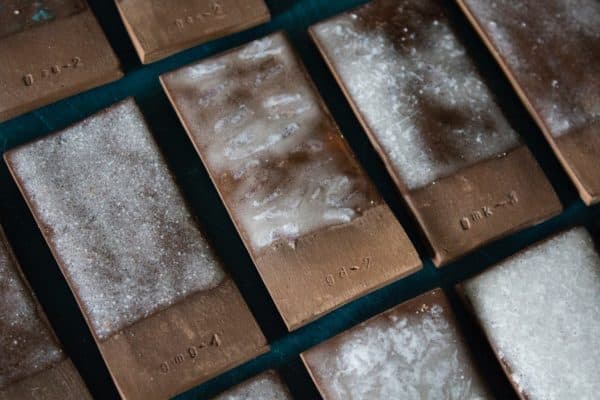
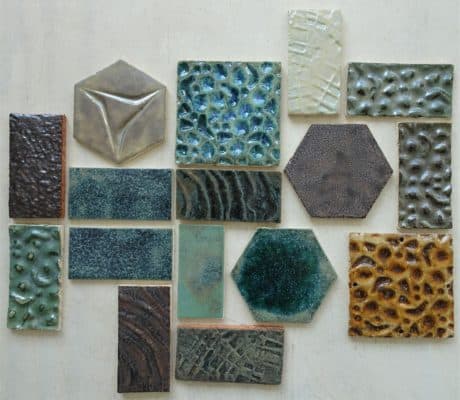
- Glazed Ceramics in Various BlueGlazed ceramics in Various Blue by Dutch ceramics expert Koninklijke Tichelaar is a range of tiles finished with coloured glass glazes. The wide range of blue tones is created through layers of glass. The glass is composed of a mixture of non-organic minerals: metal oxides and silicates. This is mixed with water to form a liquid, which is then poured over the ceramics.
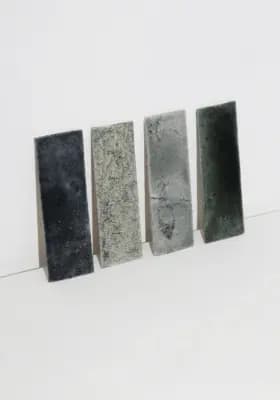
- Ceramics Glaze Made from Stone SawdustStudio Peipei has developed a sustainable ceramic glaze using stone sawdust. This innovation reduces the need for raw ceramic materials, lowering the environmental impact…
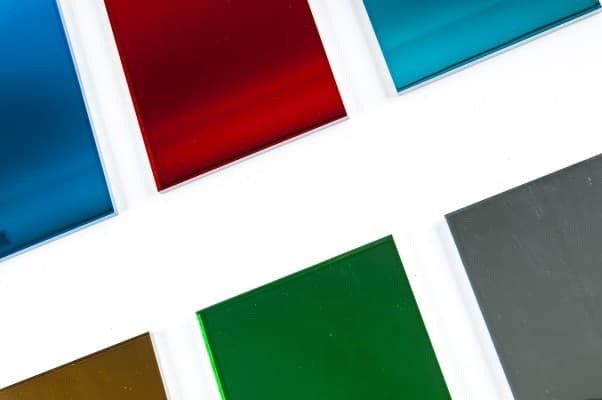
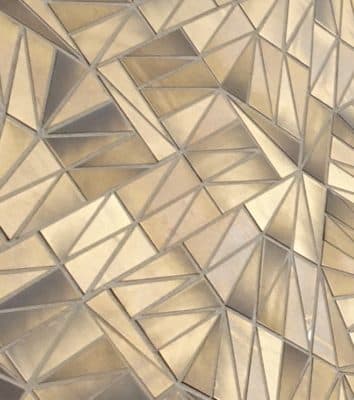
- Mirror & Metal GlazesColoured Glazes for polished metal surfaces are durable glazes which are combined with a special clear coat to ensure cloud-free colouring and stability of the effects. Coloured Glazes for mirror faces allow mirror surfaces to be designed individually with any color. The glaze is made with a special clear coat, coloured by solution and applied with a cold-spraying technique.
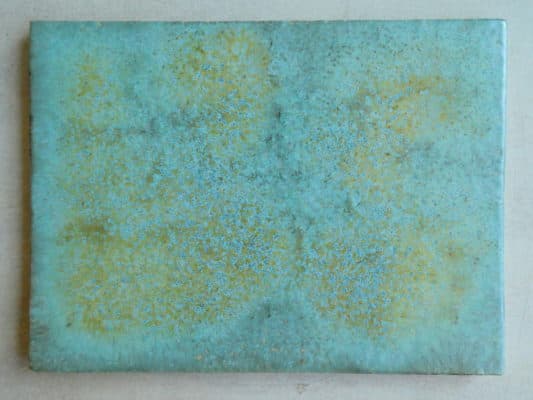
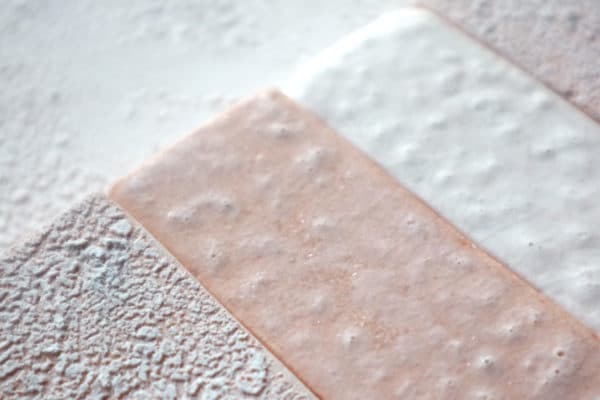
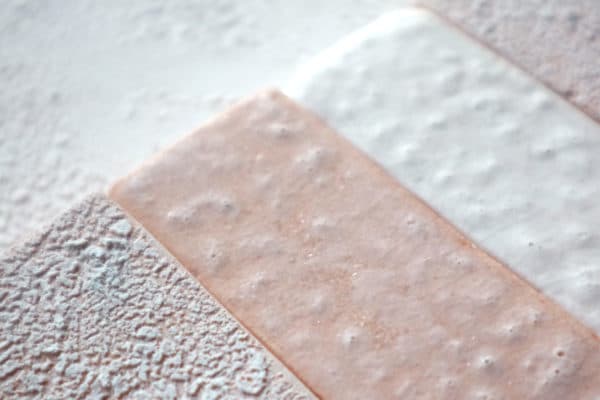
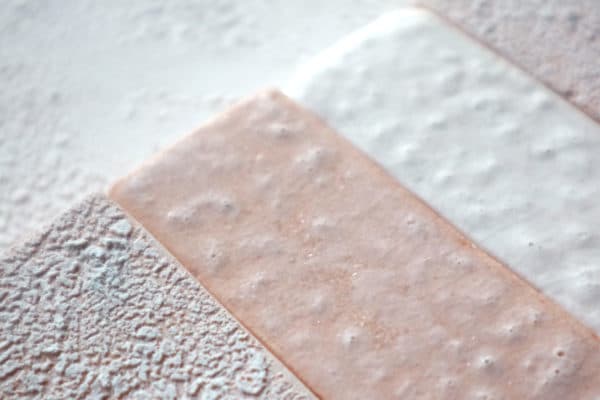
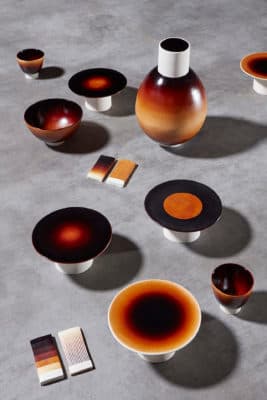
- Glazed Ceramic IridescentCeramics experts at Koninklijke Tichelaar have developed a range of glazed ceramic tiles that achieve a variety colour tones and iridescent gradations. Responding to different qualities of light, these glazed ceramics have been requested by renowned architecture bureaus for different projects across Europe and Asia.
- ExCinere® Volcanic ash–glazed porcelain tilesExCinere® is a collection of porcelain tiles finished with glazes made from volcanic ash. Developed by Dzek in collaboration with Formafantasma, the material combines an industrial ceramic base with naturally occurring volcanic matter, resulting in surfaces that express mineral variation while meeting architectural performance requirements. The tiles are formed from a dense, vitrified porcelain body that provides low water absorption, high mechanical strength and long-term durability.
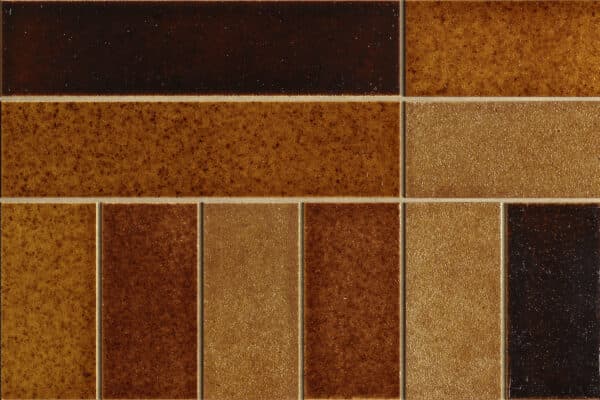
- Multiple Reading Glazes – complexityDefining elements of modern international architecture, of which a few examples are shown here, focusing on the effect of multiple layers in glaze application. The possibilities are infinite.
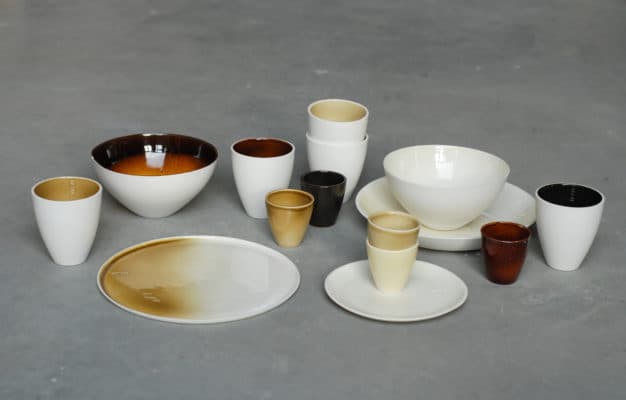
- Tableware glazed with Rotterdam’s dirty airWorried about the air quality in Rotterdam, the Netherlands, Dutch designers Annemarie Piscaer and Iris de Kievith developed a method to turn air pollution…
- Crangon Crangon: turning shrimp peels into ceramic glazeBecause 70 per cent of a shrimp consists of inedible material, the shrimp industry has a lot of waste material. Dutch designer Jade Ruijzenaars…
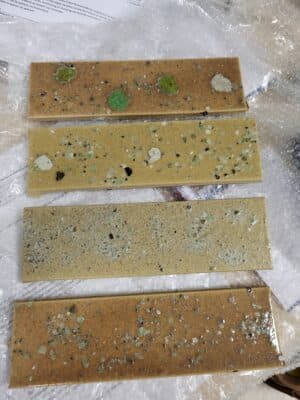
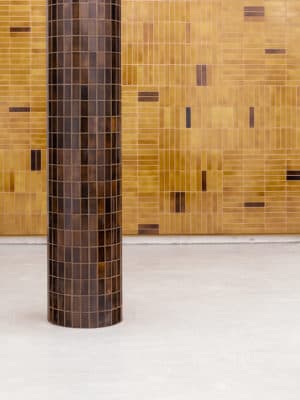
- Glazed Ceramic Strips with Recycled Glass FinishThese ceramic strips are frost-resistant and suitable for both interior and exterior applications, such as wall cladding and façade systems. The distinguishing feature of the product lies in its glaze, which is developed from recycled glass waste. The raw material is sourced from post-consumer glass collected via public bottle banks.
- Clean Air City Ceramics – bronze glazeClean Air City Ceramics is a collaboration between Studio Christine Jetten and ENS Clean Air, in which air pollution is processed into architectural ceramic glazes. This glaze typology reduces particulate matter, reuses accumulate waste and reintroduces this waste in circular ceramic glazes. These tiles are the custom application for Rebel House, a new approach to sustainable and entirely circular vacation homes.
- Clean Air City Ceramics – waste glazesFrom 2017 SCJ started looking into the possibilities of integrating waste materials in the glaze recipes, besides the already known custom of reusing leftover material from the production process. The glaze of Clean Air City Ceramics is composed with captured particulate matter from industrial working environments.
- Tiles glazed with volcanic ashIn collaboration with design studio Formafantasma, Dzek developed a collection of tiles, glazed with volcanic ash. ExCinere, as the collection is called, is range…
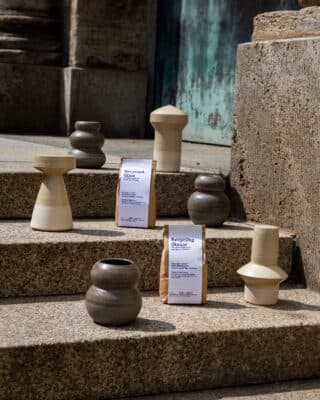
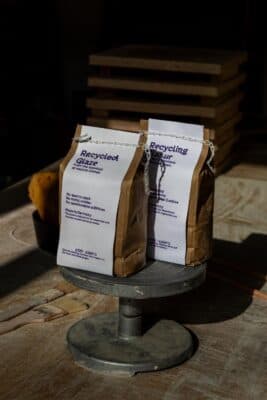
- Recycled GlazeThe “recycled glaze” for ceramics consists largely of stonedust from a local stone processing company. For the first time, this dust has found a new application, replacing many valuable and problematic ingredients that conventional glazes use. In addition to quartz, natural stones already have many suitable properties, which means that the list of ingredients is unusually short and also comes 100% from Germany.
- Urine-GlazeSinae Kim, as a researcher-practitioner, investigates the potential of the inorganic components in urine-minerals - as an alternative resource to glaze in the ceramic industry, which normally uses metal oxide glazes that have the potential to cause metal poisoning. Her first work was presented as a ceramic collection called Urine Ware, that featured a series of vessels inspired by the shape of the human bladder and laboratory flasks.
- Best of 2019: Ceramic glaze made from human urineOriginally published on 21 January For her project This is Urine, designer Sinae Kim aims to re-evaluate the potential role and value of urine,…
- Ceramic glaze made from human urineFor her project This is Urine, designer Sinae Kim aims to re-evaluate the potential role and value of urine, by using its inorganic components…
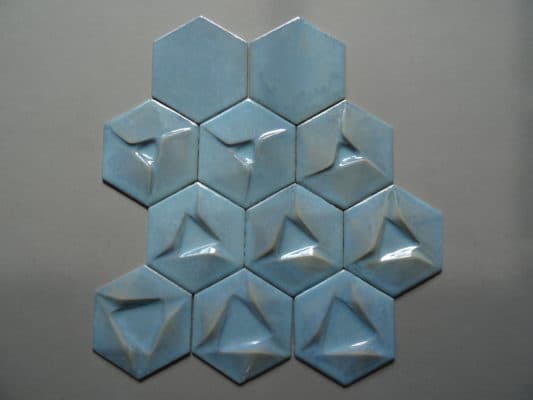
- Pearlescent blue glazesBlue pearlescent hexagon tiles: A custom designed glaze typology for a UN Studio project, commissioned by Qatar Railway. The variety of pearlescent blue glazes is custom designed by Christine Jetten. The tiles and their geometry are a result of co-creation with the UN Studio design team. The materialization principles are experienced through a duality of pure, modest exterior versus a rich, illuminated mother of pearl effect interior.
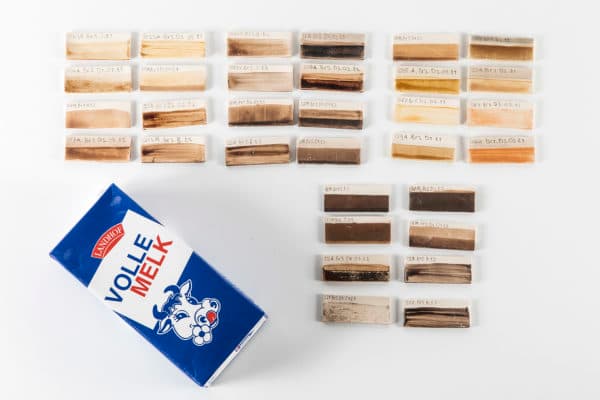
- Care For Milk ceramic glazeCare for Milk project is an attempt to reclaim the way milk used to be valued prior to its mega industrialisation. During her research, designer Ekaterina Semenova explored the effects of different dairy products and waste when used as a glaze on ceramics, which makes the clay both more durable and waterproof. Depending on the type of milk - raw, low fat of high fat - different brown colours appear.
- Natural Glazes Improve Water Resistance Of Compostable Eggshell CeramicDutch design studio Atelier LVDW is exploring how historical finishing techniques can improve the performance and appearance of contemporary biomaterials. Its ongoing Glazing Bio-Ceramics…
- Lava Tiles (glazed)Lava Tiles is a lava stone based line of products that utilises new and traditional techniques in order to create wall and floor coverings that combine the colourful appearance of ceramics with the positive material properties natural stone is known for - such as strength, moisture resistance and thermal insulation.
- Benedetta Pompili – Quenching the Unquenchable. Forging circular glazes from treated asbestosBenedetta Pompili (IT, 1995) is a social designer and critical maker based in Amsterdam. A dedication to materials with a focus on their narratives…
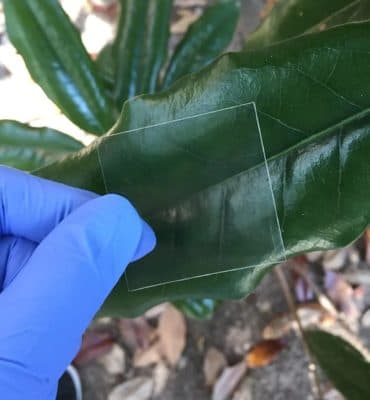
- Optically transparent wood to replace glazingResearchers at the University of Maryland (USA) developed a way to transform wood into a transparent material with less chemicals and the power of…
- Ott (natural resin, lacquer) porcelainGlazed ceramic pieces are not recyclable for their re-production and they mostly end up in a landfill. Seok-hyeon Yoon searched for alternative glazings and found out “Ott” known as Korean traditional lacquering material. It’s a natural resin from the Ott tree and was widely used as glazing for woodenware in the past. To glaze Ott on the ceramic surface, it doesn’t need to be baked as it just drys out.
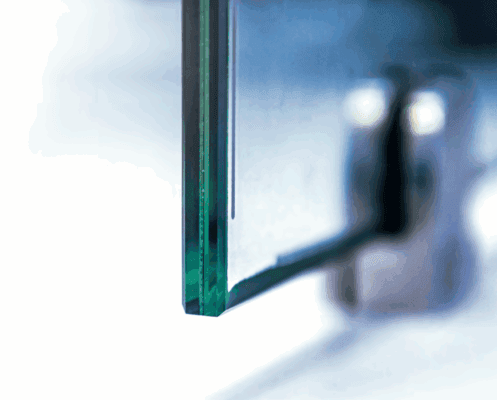
- Fineo vacuum insulating glassFINEO is a vacuum insulating glazing solution developed jointly by AGC Glass Europe and Panasonic. It achieves the thermal performance of triple glazing while maintaining the slim profile and appearance of single glazing. At the core of FINEO's performance is a vacuum cavity of 0.1 mm between two panes of glass, supported by a network of micro-pillars and combined with a low-emissivity coating.