Search
48 results for “pla”
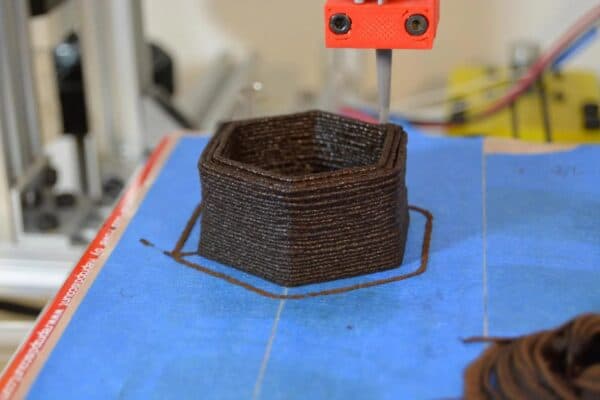
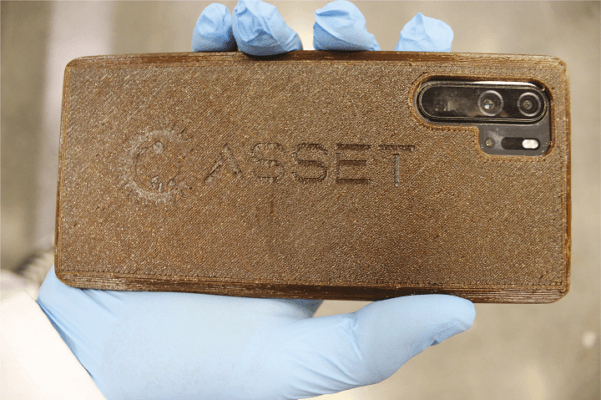
- 3D printing with coffee groundsResearchers at the University of Colorado Boulder, US, developed a methods for 3D printing a wide range of object using a paste of waste…
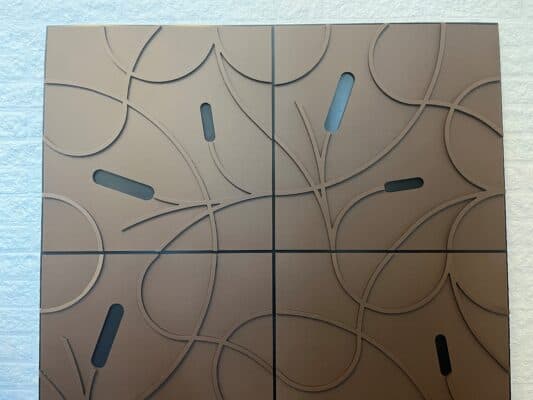
- BiopanelBioPanel is a biodegradable sheet material suitable for many different applications. It consists of 100% biobased materials with industrial hemp and a lactic acid thermoplastic biopolymer (PLA) as components. These are rapidly renewable plant- materials, most of which can be produced locally. BioPanel was originally developed as a sustainable and environmentally friendly panel material for sign applications.
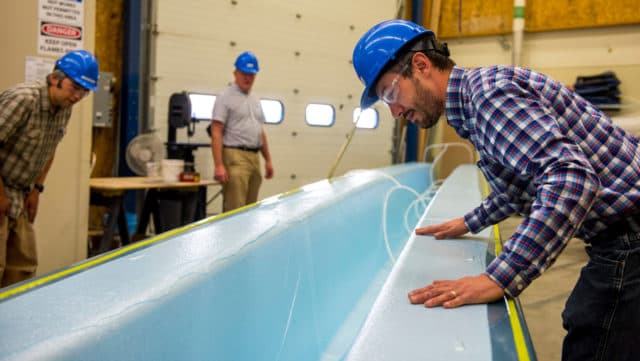
- 3D printing boat moulds from wood-based plasticThis October, the University of Maine in collaboration with Oak Ridge National Laboratory in the US will receive what is said to be the…
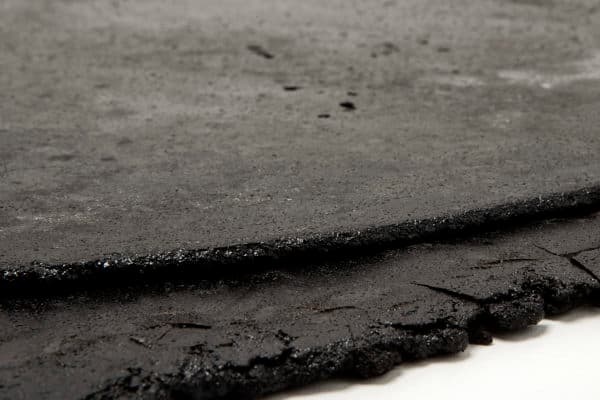
- BioCaifBioCaif is a composite material consisting of ground coffee waste and a bio-polymer, Polylactic Acid (PLA). Due to constant growth within the coffee industry, the problem of waste is growing in conjunction with it. BioCaif is a 100% biodegradable material that is a sustainable solution to a growing problem.
- NuatanNuatan is a 100% biobased, biocompatible and biodegradable plastic. The material is petroleum free, and consists of cornstarch, sugar and cooking oil. Essentially, it’s a blend of two biopolymers, Polyacid Acid (PLA) and Polyhydroxybutyrate (PHB). The material can be formed by injection moulding and 3D printing, biodegrades in 90 days in an industrial composter and is safe to eat.
- Flaxco flax compositeFlaxco is a flax fibre reinforced thermoplastic prepreg for the composite industry. The materials are manufactured from woven flax fibre, pre-impregnated and consolidated with polypropylene or PLA resins. The materials can be delivered in rigid sheets or on rolls. The mechanical properties of these lightweight bio-based materials are high stiffness, strength, vibration and noise absorbing.
- Nuatan is biobased, biocompatible and biodegradable plasticDesign studio Crafting Plastics! Studio created Nuatan, a new type of bioplastic that is biobased, biocompatible, and biodegradable, for products and disposable objects. The…
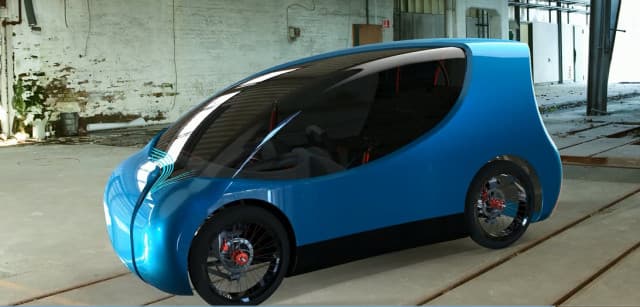
- Noah: the world’s first circular carEach year for the past five years, students from Eindhoven University of Technology in the Netherlands create a car with sustainability in mind. Last…
- ArcBiox BGF30-A1 and ArcBiox A17ArcBiox BGF30-A1 is a composite material with 30% of biodegradable glass fibre as reinforcement. The material is designed for injection moulding. ArcBiox A17 is impact modified PLA based material. The material is not reinforced with fibres. It is a good alternative to replace ABS.
- 3D printed eyewear is made from biodegradable plasticHow would you like to look fashionable and sustainable at the same time? Crafting Plastics! Studio created a line of 3D printed unisex designer…
- Bioplastic made from pinene from pine treesPlastic waste is a major problem in our world, because current plastics are made from oil, which is unsustainable. To replace oil based plastics,…
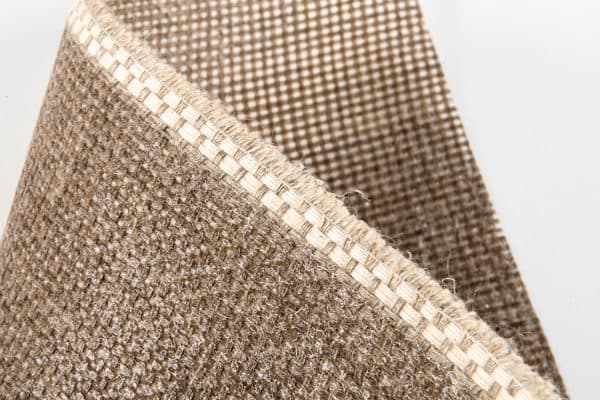
- FlaxcompositesThese lightweight composites are made of flax and biobased resin. It is partly biobased polyester and full biobased PLA (Polylactic Acid). Flaxcomposites blends PLA natural resin with natural linen (flax) yarns to obtain a meltable flexible thick sheet that can be moulded into various shapes. You simply need a source of heat to put in shape the textile (few minutes with a powerful hair dryer!).
- DuraPulpDuraPulp is a bio composite mainly consisting of selected wood fibres and a bio-polymer called PLA (Polylactic Acid). The ingredients are from renewable, non-fossil based raw materials. The DuraPulp comes from FSC and PEFC certified forests.
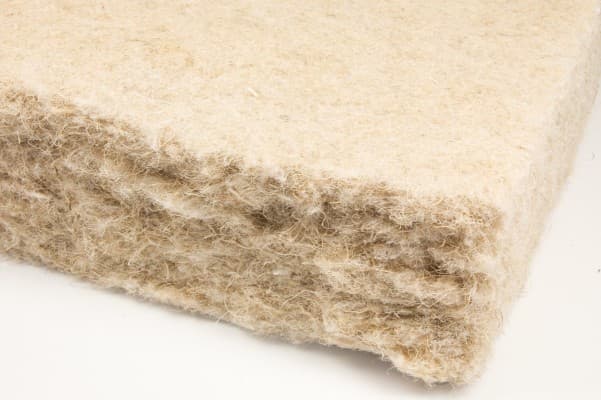
- HempFlax Nature InsulationHempFlax Nature Insulation is made out of 100% hemp fibres, produced from the non psychoactive hemp plant. Hemp fibres are lighter then glass fibres. The fibres are able to absorb and release water easily. The mats can be produced with a synthetic binder or biobased (PLA) binder.
- 3D printed eco-marathon carHere’s another feather in the cap for 3D printing: the technology is now being used to help build racing cars. Eco-racing cars, that is,…
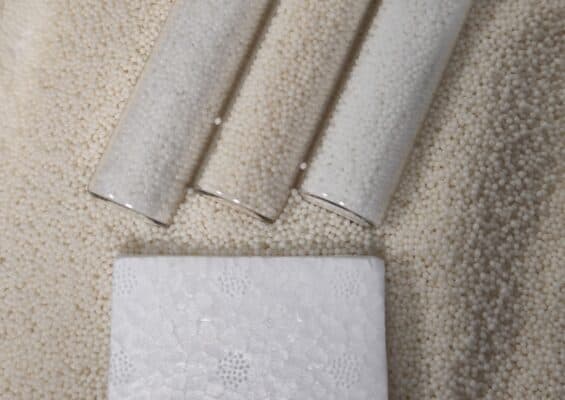
- Biobased Foam Combines Insulation With Halogen-Free Fire ProtectionResearchers at the Fraunhofer Cluster of Excellence Circular Plastics Economy CCPE are developing insulation foams that combine a partly bio-based material base with halogen-free…
- Experimental Furniture And Lighting Showcase Material ResearchEmerging designers increasingly use material experimentation to rethink how furniture, lighting and objects are designed and made. At UKURANT Makes Room, presented during 3daysofdesign…
- Breakthrough Photocatalytic Process Converts Lignin Waste into Biodegradable 3D Printing MaterialsResearchers from the University of Alicante (UA), in collaboration with the Polytechnic University of Valencia (UPV) and international partners, have developed a new photocatalytic…
- Hemp Waste Shows Promise For Lower-Carbon Bioplastic FilmsResearchers in South Korea have tested biocomposite films made with hemp hurd, the woody inner part of the hemp stem. This part of the…
- 3io3io is a material system developed from renewable resources, merging biological matter with robotic precision, to create expressive, high-performance objects. The blends combine a wide spectrum of biobased materials including: PHA, PCL, PLA, bio-PE, bio-PA, lignin, cellulose, natural resins, waxes, oils, and plant fibres, resulting in thermoplastic composites consisting of up to 100% renewable content.
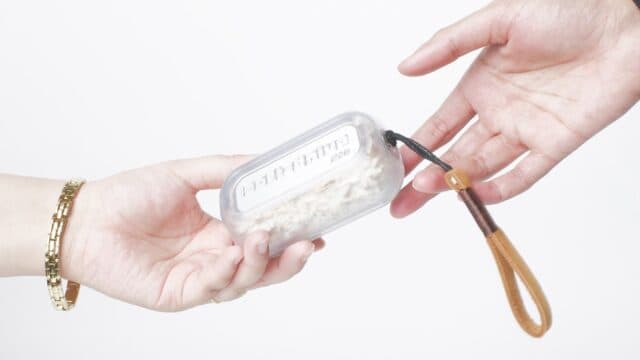
- Soft-Drive: Growing a Sustainable Alternative to Cloud StorageDigital storage feels invisible, but its impact is not. Cloud services rely on large server farms that consume vast amounts of energy and resources.…
- LAHB: A Bioplastic Designed to Disappear in the OceanPlastic pollution in the world’s oceans remains one of the most urgent environmental challenges. While biobased plastics have been promoted as alternatives, many fail…
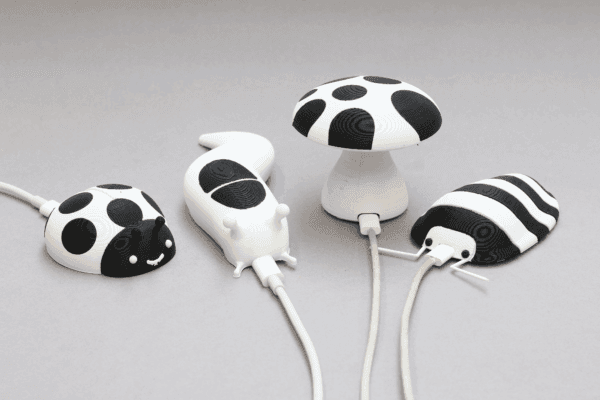
- Printegrated Circuits: Embedding Electronics into 3D Printed DesignsA new open-source design method called Printegrated Circuits is making it easier to create interactive hardware. By combining 3D printing with embedded electronics, the…
- Novijec™ – PLM20100% bio-sourced material (zero petrochemicals in the recipe), intended for injection moulding, with a PLA base loaded with Miscanthus plant fibers, grown and made in France. The plant fibres are visible on the surface of the objects, bringing a golden note, without adjuvant.