Search
39 results for “recycled textile” in materials
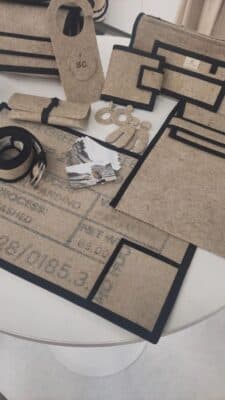
- Re-Yut-Cel – Felt from Recycled Coffee SacksRe-Yut-Cel is a collaborative material initiative that transforms discarded jute coffee sacks into a durable, biobased felt for interior and design applications. Jute coffee sacks, typically used once for transporting coffee beans, are commonly incinerated after use. The felt is suitable for acoustic panels, lampshades, mattress fillings, and other interior elements.
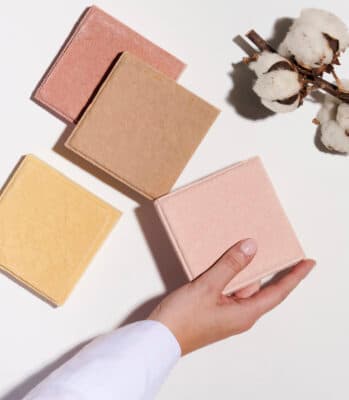
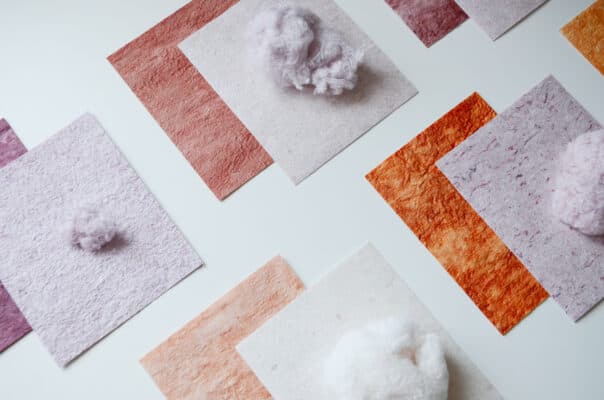
- ARCHISONIC® CottonCottonTex represents a unique approach to the sustainable use of materials. The first type features a standard ARCHISONIC® Cotton layer, offering a refined finish. The second type presents a rawer aesthetic. Both varieties are united by their composition, a blend of 60% cellulose and 40% recycled textiles. A product of the Impact Lab, Impact Acoustics' in-house experimental materials research.
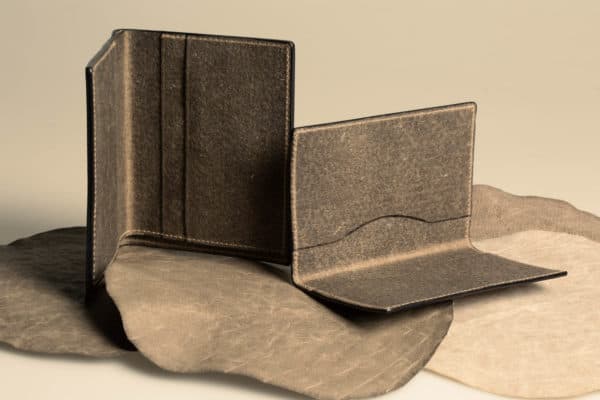
- LOVR™LOVR is the true leather alternative that consists of 100% plant material and has a minimal ecological footprint. The textile looks and feels like leather. The single layer structure allows for dyeing and a variety of colours. LOVR is also malleable and non-abrasive.
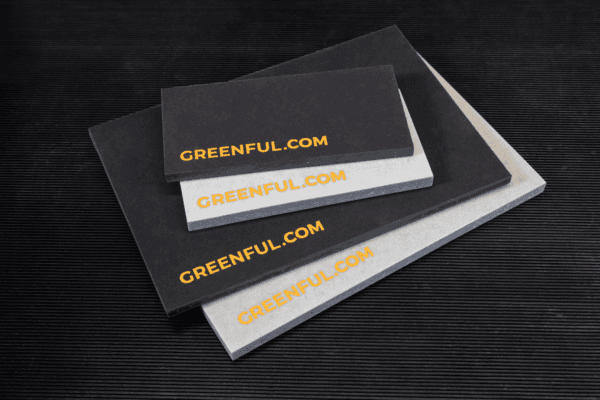
- Greenful PanelThe Greenful Panel, Greenful's flagship product, is a strong, load-bearing construction panel made from 100% recycled textile and plastic waste. The panels can be used in internal or external construction, flooring, roofing, near foundations, in furniture, and packaging. One standard panel recycles 8kg of textile & 5kg of plastic waste.
- (Un)woven(Un)woven is a biotextile made of inferior textile fibres, created as an alternative to the flawed traditional textile recycling process. A unique production method turns inferior mixed blends into a lightweight biotextile suitable for interior, furniture and product design applications. Emphasizing recyclability over longevity, the sturdy material can be recycled at the end of its life and repurposed for new production cycles over and over again.
- RecurfPeople in Amsterdam produce on average 17 kg of textile waste per person per year. Only 16 % is collected separately. From the collected textile waste, part of it can be reused or recycled. The Recurf project focuses on processing new material combinations from biobased plastics and textile waste into attractive products. By reusing the material a circular product and business model comes into being.
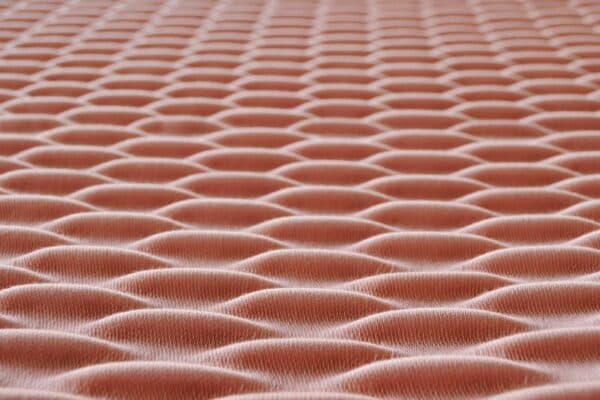
- OndoOndo textile is designed to provide visual, tactile, and acoustic benefits. Its construction reduces and absorbs sound, enhancing acoustic comfort in residential and commercial environments. The textile's harmonious weaves, diverse colour palette, and soft texture contribute to its aesthetic appeal and sensory experience. Produced in Belgium using advanced 3D weaving techniques, Ondo is made from recyclable Trevira CS polyester yarn.
- CON-CoverCON-Cover is a surface solution for a wide variety of technical demands. Examples include pure polypropylene foils, bi and tri-laminates with a textile coating or textile molded parts. The textile foils are also used in modern vehicle construction and for non-automotive applications such as high-quality coated carpets or other textiles.
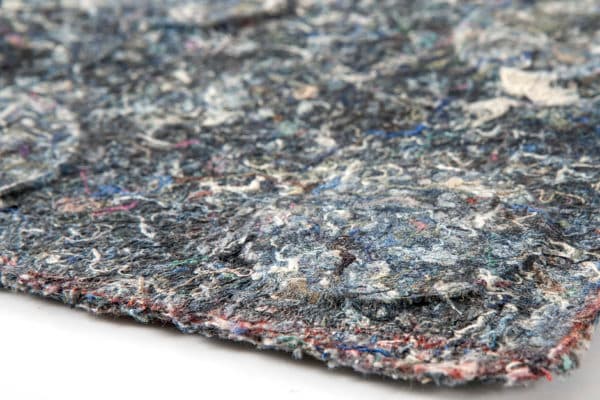
- CoolJeansCoolJeans is an award winning Cooloo circular spray upholstery. This beautiful seamless jeans is made from residual material from the textile recycling. The textile fibres can be turned into upholstery and acoustics. This material is used for soft and hard surfaces
- Hollandfelt Wool feltHOLLANDFELT wool felt is a nonwoven textile material manufactured from 100% pure new Merino wool. Produced in Western Europe, the material is created through a traditional felting process that combines wool fibres with natural soap, heat, moisture and mechanical friction, resulting in a dense and durable textile without the need for synthetic binders. In addition to virgin wool variants, the material is also available in versions made from 100% recycled wool.
- SaxcellSaXcell, an abbreviation of Saxion cellulose, is a regenerated virgin textile fibre made from chemically recycled domestic cotton waste. Recycled cotton fibres are chemically decoloured and made suitable for the wet spinning process. The end product of this step is SaXcell, a regenerated cellulose fibre. The fibre can be cut to specified lengths, spun into yarns and woven or knitted into fabrics.
- DenimxDiscarded textiles represent little value for the fashion industry: upgrading these once-wasteful textiles into functional products is a process we call upcycling. The process is as simple as it is ingenious: the DenimX recipe combines recycled jeans fibers with bio-based plastics. With this composite material, three-dimensional products can be created. DenimX is quirky, a bit rebellious, pure and certainly extraordinary.
- RecotRecot is an environmentally friendly fabric because it is resource saving and biodegradable caracter. The recot2 yarn is made from 50% recycling cotton and 50% virgin long staple cotton.
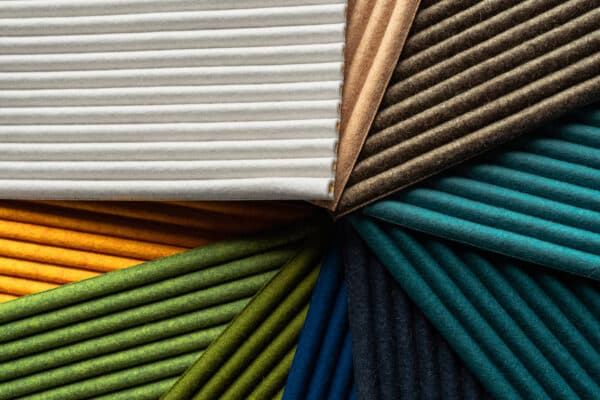
- BUXKIN original acoustic panelsBUXKIN original products are available in a range of sustainably sourced materials, including recycled leather, recycled felt, and wool. The materials are ribbed and attached to a jute backing.
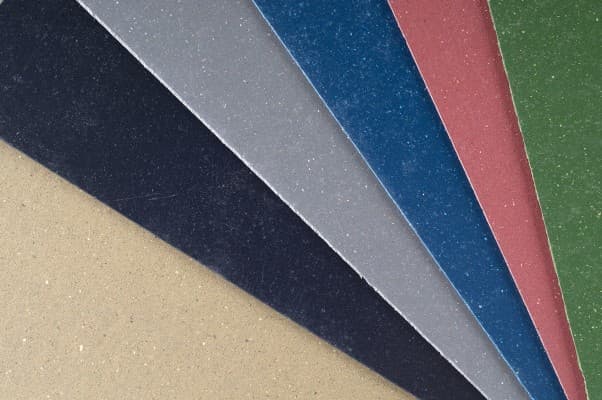
- TeforTefor is a plastic laminate obtained from recycled manufacturing wastes. The recycled laminate is made of thermoplastic polymers and cellulose fibres, impregnated with thermosetting resins at different degrees of polycondensation. Tefor, invented and patented by Abet Laminati, is entirely recyclable at the end of its life cycle.