Search
72 results for “plant fibres”
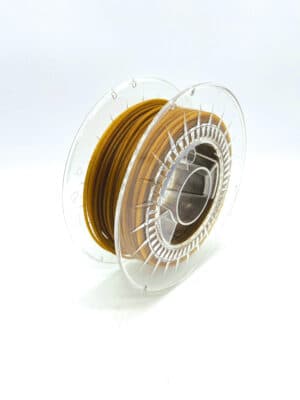
- Novifil PLM20100% bio-sourced material (zero petrochemicals in the recipe), intended for 3D printing, with a PLA base loaded with Miscanthus plant fibres, grown and made in France. By modifying the wall thicknesses, it is possible to modify the transparency. The plant fibres bring a bright and naturally golden note, without adjuvant.
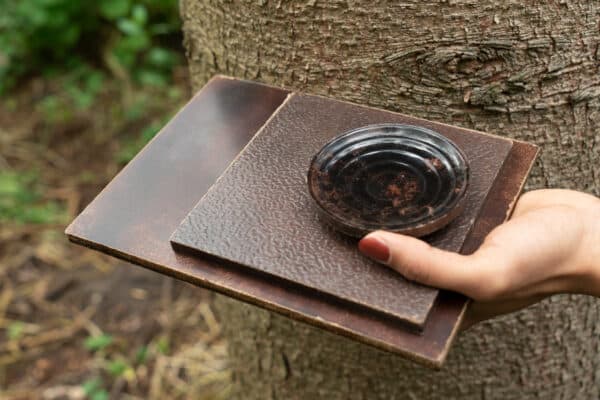
- Tree of CultureCalled Tree of Culture, Basse Stittgen's project traces the journey that the two polymers of wood take, back to the moment when the cellulose fibre was held together by the lignin in a tree. Shown here is a thermoformed biocomposite consisting of lignin and cellulose. The two components are mixed together and are then filled into a metal mould and heat pressed at 180° C with around 10 tons of pressure.
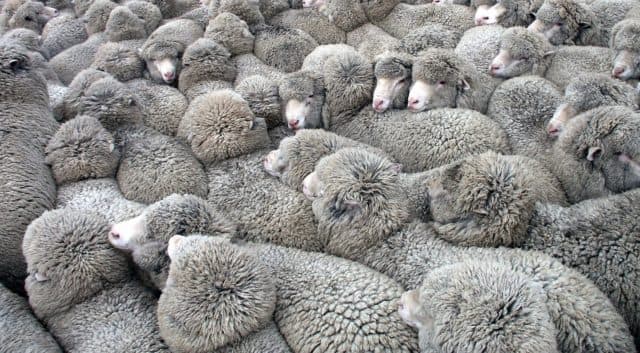
- The dark side of animal materials part 1: WoolIn a time in which small environmental footprints and ethical work conditions are being demanded from manufacturers, more and more designers and material clients…
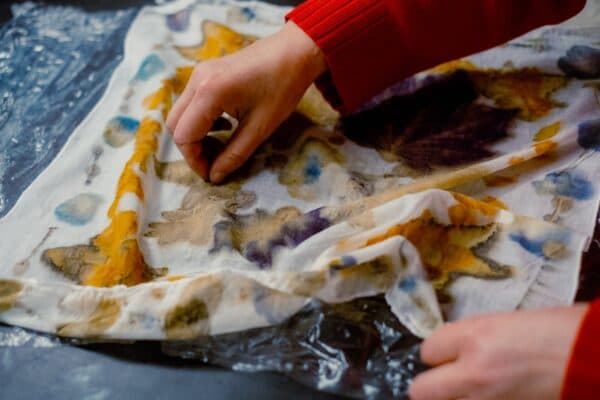
- Natural Colour and Material Expression at Dutch Design Week 2026At Dutch Design Week 2026, taking place in Eindhoven from 17–25 October, designers explore colour through plants, local resources and material experimentation. Six projects…
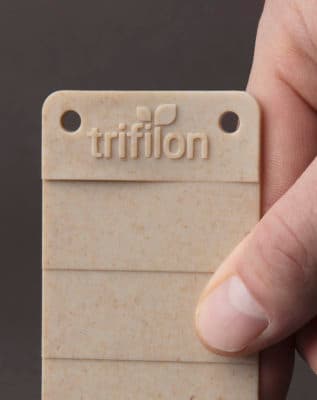
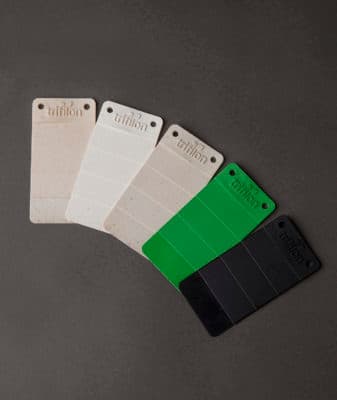
- Trifilon RTrifilon R is a recycled biocomposite that combines high-grade recycled polypropylene with natural fibres such as hemp and wood-derived cellulose. Developed by Swedish material company Trifilon, the material is designed to reduce the use of virgin fossil resources while retaining the processing and mechanical characteristics required for demanding injection-moulded products.
- Trifilon STrifilon S is a renewable thermoplastic biocomposite developed by Swedish material company Trifilon. Combining bio-based polyesters with natural fibres, the material is designed as a lower-impact alternative to conventional fossil-based plastics for injection-moulded products. Depending on the grade, Trifilon S can be up to 90% fossil-free.
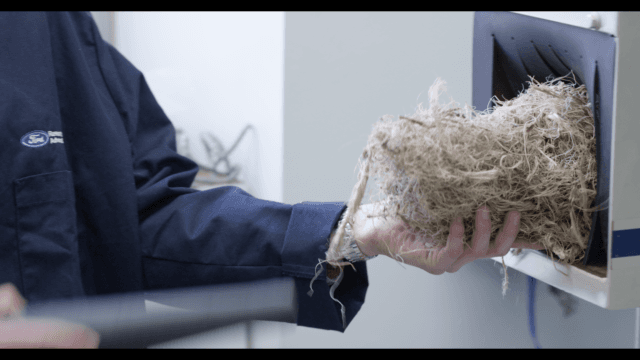
- Ford and Jose Cuervo Fuel a New Agave-Based BioplasticIn partnership with tequila brand Jose Cuervo, the Ford Motor Vehicle Company is investigating the use of agave fibres, a byproduct of the tequila…
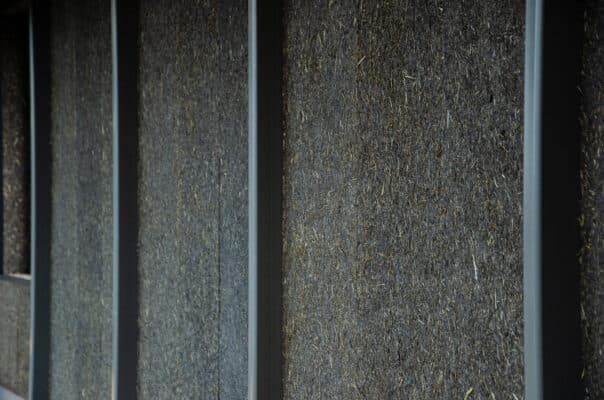
- CeranexNova Lignum developed Ceranex durable façade cladding from plant residues including aubergine fibres, grass from verges, reeds and pruning waste. Ceranex façade cladding is 100% recyclable with no oil related or chemical additives. Material properties include durability, water stability, weatherproof, rot proof, acid resistant, non-corrosive against metals, extremely fire resistant and colour-fast.
- Rye Straw Marquetry Brings Natural Texture To WatchmakingSwiss watchmaker Louis Erard has collaborated with Portuguese artist Bernardo d’Orey to create a limited-edition mechanical watch featuring a handcrafted rye straw dial. The…
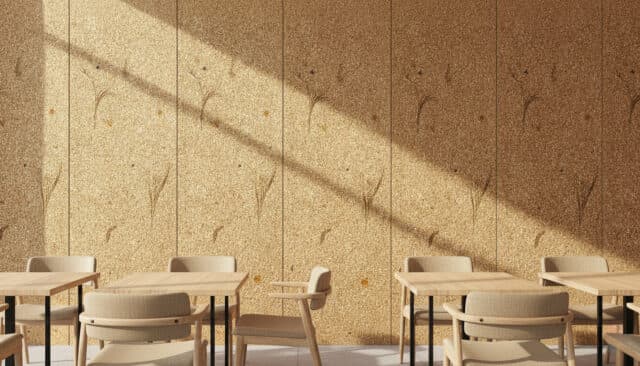
- Partikal Board – Calm Autumn 25Do you want to emit CO2 or store it ? Partikal Board is an acoustic panel made from local, plant-based fibres. Designed for optimal…
- Ponda BioPuff®Ponda BioPuff® is a bio-based insulation material designed to offer high thermal performance while contributing to environmental restoration. It is composed of 60% Typha fibre and 40% recycled polyester, with a manufacturing process that prioritises sustainability and traceability. Typha is a plant cultivated on regenerated wetlands.
- Novijec™ – PLM20100% bio-sourced material (zero petrochemicals in the recipe), intended for injection moulding, with a PLA base loaded with Miscanthus plant fibers, grown and made in France. The plant fibres are visible on the surface of the objects, bringing a golden note, without adjuvant.
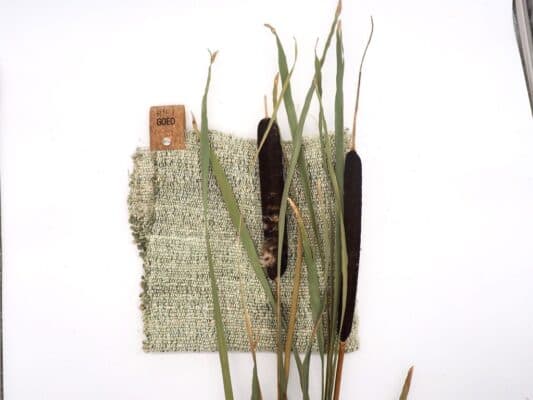
- Rietgoed reed textileRietGoed is a study into making textiles from the fibres of reed cigars. This idea was declared the winner of the national challenge 'products from wet fibre crops' in 2021. That is why RietGoed is now working on developing the first real product: a drying cloth made from reed cigars.
- Sheet material made of Japanese knotweedCalled Why Knot, the sheet material is made of Japanese knotweed, an invasive plant in the Netherlands. Japanese knotweed (Fallopia japonica) is a fast-growing…
- Partikal boardCompostboard is circular within the renewable economy principles. The sheet material is made of left-over streams of nearby agricultural landscape and a starch based binder. When left outside, in the rain or soil, the material decomposes, enriching the soil with fibres and starch.
- Lightweight bricks made with luffa and charcoalResearchers at the Indian School of Design and Innovation in Mumbai developed a lightweight, biodegradable built system made of charcoal, organic luffa fibres, soil…
- Today’s materials for tomorrow’s textiles & fabrics!Recycled leather, natural fibres, 3D printed fabric… During MaterialDistrict Rotterdam 2019 (12-14 March in Rotterdam Ahoy, the Netherlands) the textile and fashion designer will…
- More examples of German material designEvery year, students from the Weißensee Academy of Art Berlin design products from a whole range of materials. Below you will find several projects,…
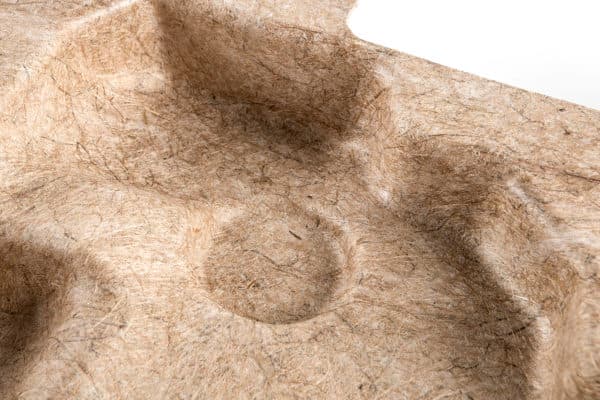
- Press mouldingsNatural fibre moulded parts are produced by high pressure moulding on the basis of a prepreg (a nonwoven fabric impregnated with thermosetting binder). The natural fibres used come from fast growing plants such as flax, hemp, or kenaf. By means of a high-precision and non-contact pressing process, the prepreg is thoroughly warmed and formed in one cycle.
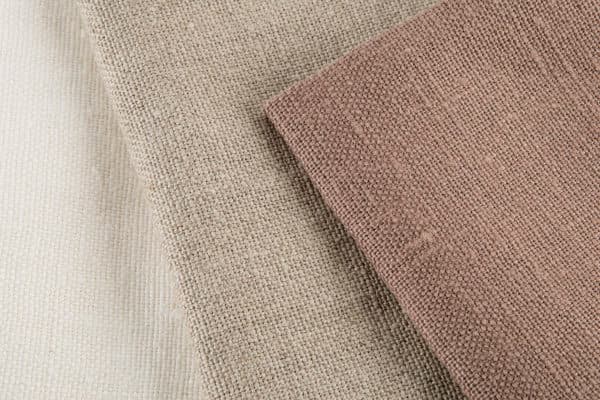
- Organic linenOrganic linen is made from flax, a natural raw material. Flax is a recyclable fibre that does not need irrigation and almost no chemical treatment. All part of the plant are used, ensuring no waste. All fabrics in the Libeco Organic collection carry the GOTS label, a standard that is recognised worldwide for organic fibre certification.
- BoracayBoracay is a collection of natural and handmade wall coverings. The use of natural plant fibres, such as water hyacinth leaves and banana leaves in combination with hand-woven abaca-fibres on a non-woven backing, gives this material a very earthy look and feel. Boracay is available in withs of 90 cm. It is available cut to size and has a fire retardant class standard of B S1, d0.
- RE-Y-STONEThe biocomposite panel RE-Y-STONE is made of (at least 60%) recycled post consumer waste paper and bio-based resin (30-40 %). This sugar cane resin is produced from plant waste. After curing, the bio resin has thermosetting features and forms with the fibres a hard, mechanically highly resilient composite.
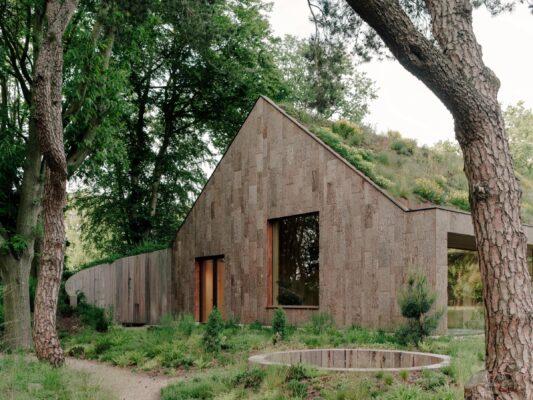
- Poplar Bark Shingles Wrap an Office on the Blaricum HeathStudio Massimo's Tafelberg office hides a timber structure behind hand-fixed poplar bark shingles and a planted roof. It is the Architectenweb Office Building of the Year 2026.
- Concept Stroller Explores Biomaterials From Sawdust And Orange PeelA concept stroller developed by students at Aalto University brings together seven experimental materials made from industrial waste, recycled fibres and plant-based raw materials.…