Search
12 results for “additive manufacturing” in materials
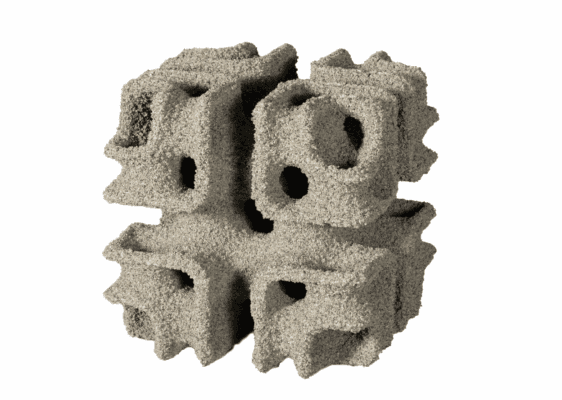
- tectonitX™tectonitX™ introduces a new era of concrete construction by combining innovative 3D printing technology with sustainable practices. This material enables the production of complex, large-scale concrete elements with precision, eliminating the need for traditional formwork and significantly reducing waste. With a max. dimensions of up to 4 x 2.5 x 1.5 meters and a resolution as fine as 3 millimeters, tectonitX™ sets a new standard for architectural and structural design.
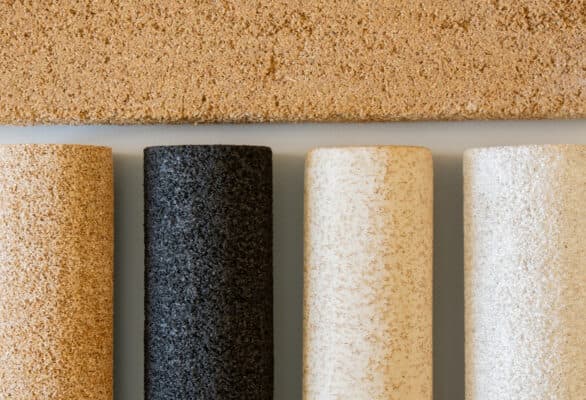
- econitWoodeconitWood introduces a material innovation that repurposes wood residues from sawmills and timber harvesting for applications in interior architecture. This material system prioritises ecological responsibility, regional sourcing, and fire safety while integrating seamlessly with contemporary and digital design methodologies. Utilising 3D printing technology, econitWood transforms wood waste into precisely defined geometric forms.
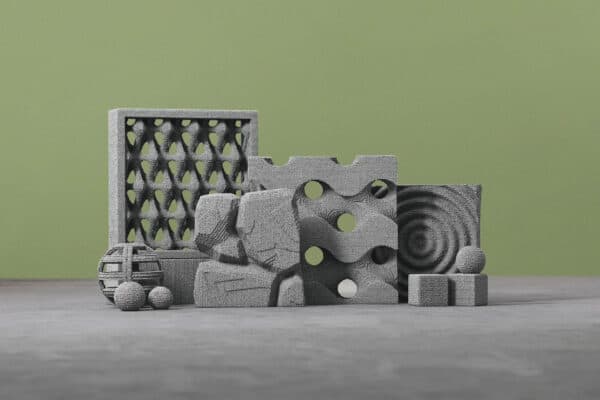
- 3D Printed ConcreteThis innovative 3D concrete printing technology is a digitally driven construction system that merges advanced material science with innovative fabrication to produce high-performance, low-waste architectural components and landscape products and furniture. The material is formulated to meet strict rheological requirements for layer-by-layer printing.
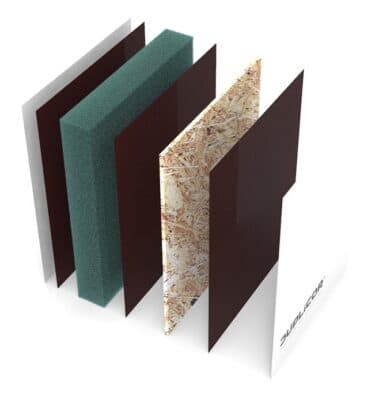
- Duplicor® biobased compositeDuplicor® is a fully bio-based composite (building) material. Manufactured from a 100% natural resin, virtually non-flammable, lightweight, CO2-saving and also affordable. Duplicor® bio-composite is made from bio-waste and in a sandwich construction with old PET bottles, which is used as insulating core material.
- 3D Printed SurfaceThis textile is a normal mesh enhanced by a FDM (fused deposition modelling) 3D printer that prints a layer of flexible material onto the textile. This technique gives structure and rigidity to the textile where it is really required, for example, in the front part of a shoe or within the sole. This process can also be used create something more fashionable, like a woman's handbag.
- TRAshellThis prototype is a free-form shell of 300 x 300 x 2-5 mm, manufactured of green agro-fibre thermoset composites, of free-oriented short natural fibres like coconut shells, cereal straw and black coal ash as an agro- active filler and a plant-based thermoset bioresin. In addition, glowing additives were applied, to suit the possible application of the proposed product in exterior façade applications, for night lighting.
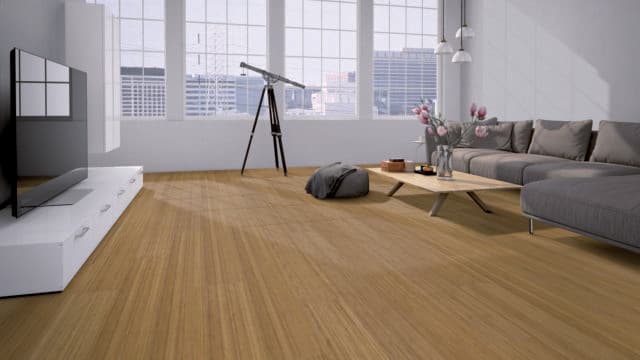
- Bamboo Elite PremiumThe MOSO Bamboo Elite flooring collection is one of the bestsellers of solid bamboo floor coverings. Due to the high demand, bamboo specialist MOSO…
- ecologia Transecoecologia® Transeco® is a 100% carbon neutral and recyclable polyolefin sheet manufactured from post-industrial scrap PP. The manufacturing process is non-toxic and highly energy efficient. It has a green, translucent tint and comes in sheets or on rolls, from 0.38mm to 4.8mm thick at 1425mm max width and any practical length.
- Veneer, moulded / rotary cutThe bulk of Hess peeled veneer orginates from FSC or PEFC certified forests. Moulding, pressing and 5+6-axes CNC technology make it possible to manufacture complex shapes.
- Addwoodaddwood is a research project launched in 2020 and funded by the German Agency for Renewable Resources (FNR). The project focuses on developing a bio-based material for additive manufacturing using exclusively natural ingredients derived from wood-processing residues. The material is produced by combining sawdust with a water-soluble natural binder to create a printable paste.
- Duranova™Duranova™ is a wood fibre-based material developed by Finnish materials innovation company Fiberdom. The material is produced using a patented process that functionalises sustainably sourced wood fibres to create a high-performance alternative to conventional plastic and coated fibre products.
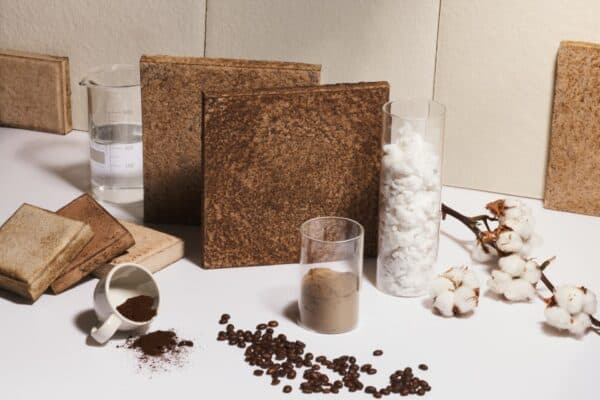
- Biobased Acoustic Materials from Organic ResiduesA series of acoustic tile developments explore the use of plant fibres and organic by-products as primary material components. The tiles are designed for interior applications and combine renewable fibres, residual biomass and mineral additives within composite systems intended to provide sound absorption and structural stability. The versions shown are seaweed and cotton, coffee, coconut fibres, jute, and grape pomace.