Search
22 results for “biocomposite” in materials
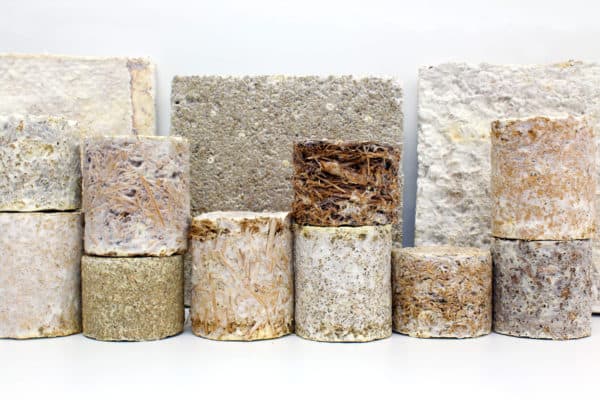
- BiocompositesBiocomposite is a collective term to refer to fibre-reinforced materials with a natural origin. Basically any material that consists of fibres and a binding component (i.e. resin) can be called a composite. If both the fibres and the resin are extracted from biomass, it classifies as a biocomposite. Preferably residual waste is used to obtain raw materials. Sample mycelium executed by Joppe Weeber, student AKV|St. Not for publication.
- GIRIA Tree bark biocompositeGIRIA is a unique biocomposite made from tree bark and a mix of organic binders, designed to bring the essence of the forest into everyday objects. The material is warm, tactile, and versatile, with a texture that evokes natural surfaces. Developed through extensive material research, GIRIA combines pine, oak, and ash bark with leaf powder pigments.
- Micromoulded biocompositesDesigner Bas Froon developed a micromoulding machine that makes it possible to locally change material qualities from a soft material into a strong and lightweight plastic. By doing this, he can keep the tactile qualities of the raw material, while giving it more strength to be used in furniture, fashion and textile applications. The material consists of natural fibres or recycled textiles and biobased plastic like PLA.
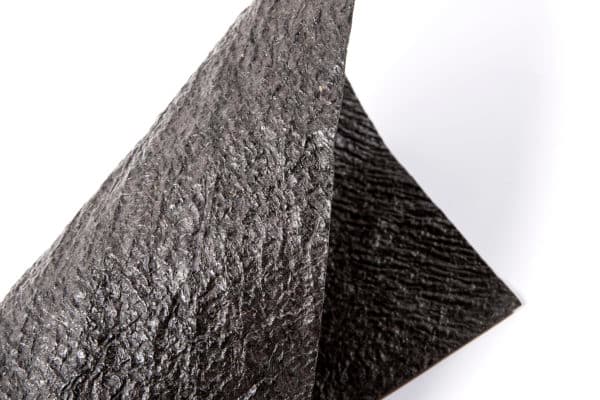
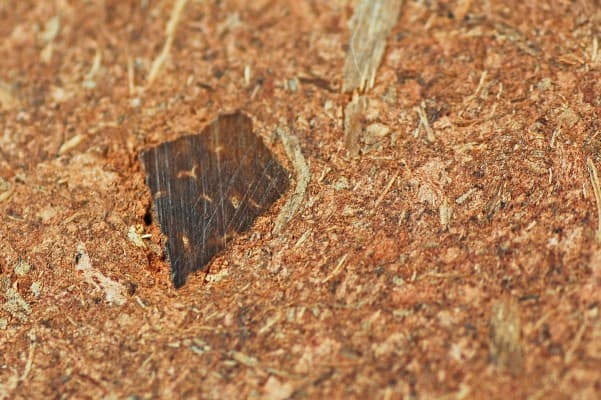
- Malai biocompositeMalai is a flexible, biocomposite material made from organic bacterial cellulose, grown on agricultural waste sourced from the coconut industry in Southern India. The material has a feel comparable to leather or paper. It is water resistant and certified vegan.
- UPM FormiUPM ForMi is a biocomposite, made of 20% - 50% wood-based cellulose and 80% - 50% polypropylene or similar matrix. Next generation material which can be injection moulded with existing machinery. It is recyclable, odourless and has a constant material quality. Its carbon footprint is between 30% to 60% lower than that of other common engineering plastics such as PC and ABS.
- Recell®Recell® is a sustainable, cellulosic resource which can – among others – be used for the manufacturing of biocomposite materials and serves as a feedstock for green chemistry. Supported by innovative technology, high quality third-generation material is generated from unused, complex cellulosic feedstock. Recell® is available as fibre, pellet or granulate.
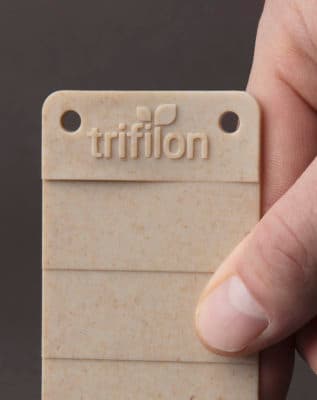
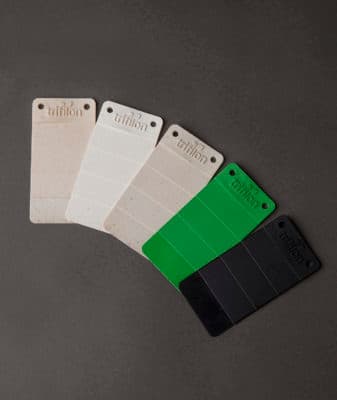
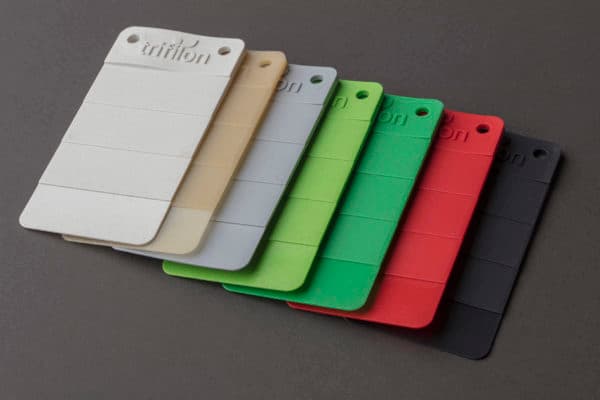
- Trifilon RTrifilon R is a recycled biocomposite that combines high-grade recycled polypropylene with natural fibres such as hemp and wood-derived cellulose. Developed by Swedish material company Trifilon, the material is designed to reduce the use of virgin fossil resources while retaining the processing and mechanical characteristics required for demanding injection-moulded products.
- Trifilon STrifilon S is a renewable thermoplastic biocomposite developed by Swedish material company Trifilon. Combining bio-based polyesters with natural fibres, the material is designed as a lower-impact alternative to conventional fossil-based plastics for injection-moulded products. Depending on the grade, Trifilon S can be up to 90% fossil-free.
- Trifilon BTrifilon B is a biocomposite material combining food-safe polypropylene (PP) with up to 35% natural fibres. Developed by Swedish material company Trifilon, it is designed as a lower-impact alternative to conventional polypropylene for injection-moulded products, including applications involving food contact and products for children.
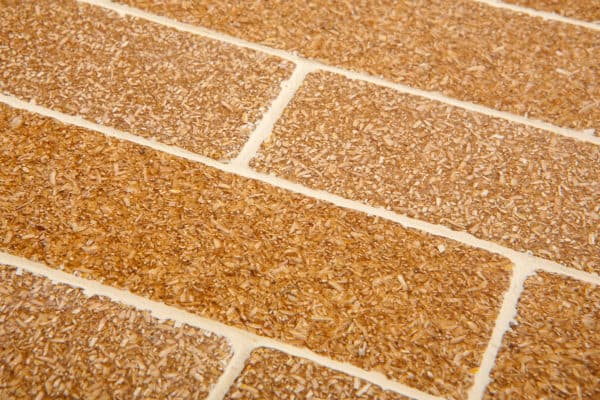
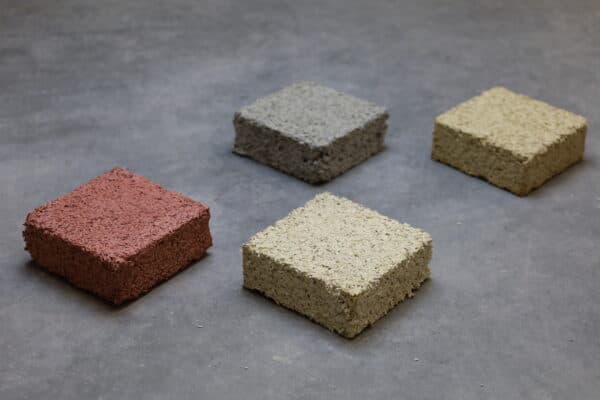
- HuskHusk collection features bio-composite material created from the discarded outermost layer of rice grains. The brand’s second major eco-initiative, Husk mosaics and solid surfaces, incorporate nearly one-fourth recycled agricultural waste. The collection is offered in four organic tones.
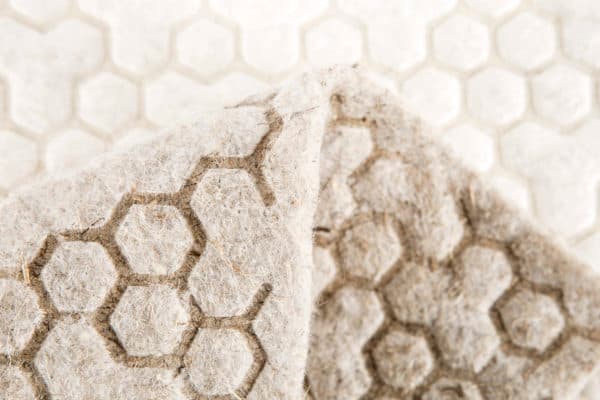
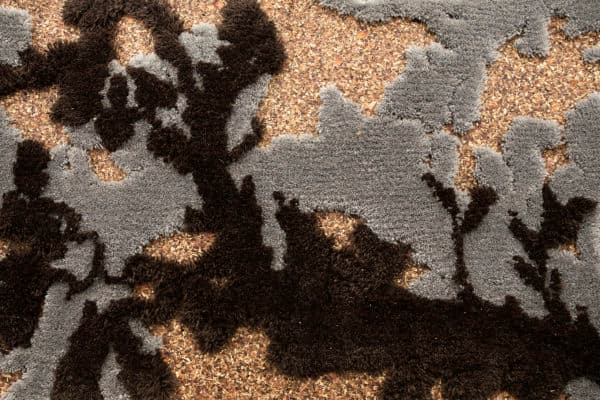
- Scented carpetThese tapestries are made by combining 100% natural wool with scented backing made from Organoid materials. Using a hand tufting gun, structured woolen surfaces are attached to the backing, a natural composite material including wood chips, vanilla, rose and a natural binder. The resulting damp and flexible material mixture is then covered with a vacuum film and hermetically sealed.
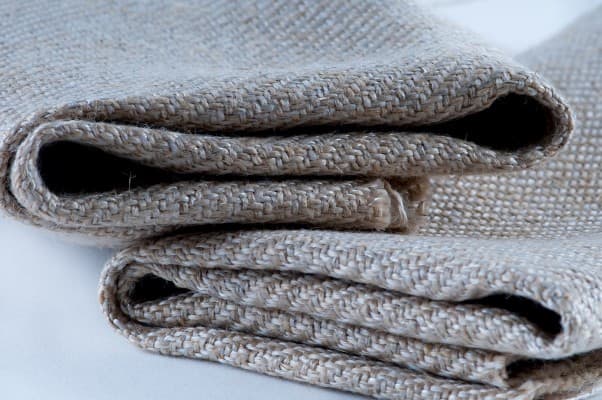
- SizopregSizopreg is a bio-composite made of high-quality poly lactic acid (PLA) and jute. These decorative panels are dimensionally stable in typical conditions, but also retain excellent ductility in the higher temperature ranges. Sizopreg has a workable temperature range from -30 to 80 degrees C. It is also thermally deformable and biodegradable.
- Myco BoardMyco Board is an alternative to engineered wood containing formaldehyde and other structural materials. With Myco Board, Ecovative grows - not glues - materials with natural, rapidly renewable mycelium technology, delivering structural biocomposites that perform without harsh chemical resins. This material is then compressed with heat and pressure into boards or molded shapes.
- BiotexBiotex are a series of natural fibre reinforcements/biocomposite materials, including yarns, tapes, fabrics/textiles and preconsolidated sheets. The standard product range is based on flax, flax/PP and commingled flax/PLA. Components can be made from the fabrics or tapes using conventional moulding techniques. Biotex are recyclable and in some cases fully biodegradable.
- NCell Natural Fibre reinforced ThermoplasticsNCell consists of a polypropylene (PP) or polyethylene (PE) matrix reinforced with up to 40% natural cellulosic microfibres. NCell compounds have mechanical properties that are able to replace glass-reinforced thermoplastics. NCell also offers increased performance from other commercially available biocomposites, such as those made from hemp, flax, wheat straw, and wood.
- Kokoboard Peanut ShellKokoboard Peanut Shell is a bio-composite board, made of post-harvest waste. Peanut Shells are turned into particle boards by a hot press procedure and the use of a formaldehyde-free adhesive. Peanut Shell resists moisture and flame better than wood competitors. The use of agricultural waste has many positive social and environmental effects.
- RE-Y-STONEThe biocomposite panel RE-Y-STONE is made of (at least 60%) recycled post consumer waste paper and bio-based resin (30-40 %). This sugar cane resin is produced from plant waste. After curing, the bio resin has thermosetting features and forms with the fibres a hard, mechanically highly resilient composite.
- KokoboardKokoboard is a bio-composite board. It is made out of rice straw board, vetiver grass board, coco dust board and other agricultural fiberboards.
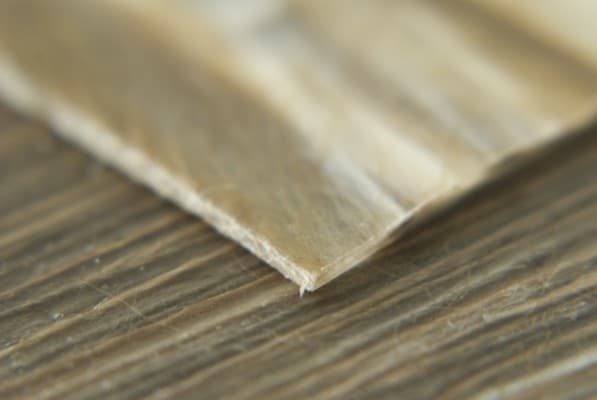
- BiopregsKiem developes Biocomposites for industries to replace metal and plastic sheets. The material is stiff as glass fiber composites but cheaper and greener, it has the tripled strength of hard wood, good impact properties and lighter than aluminum. Suitable for outdoor and resistant to water, chemicals, UV light, and to crimp.
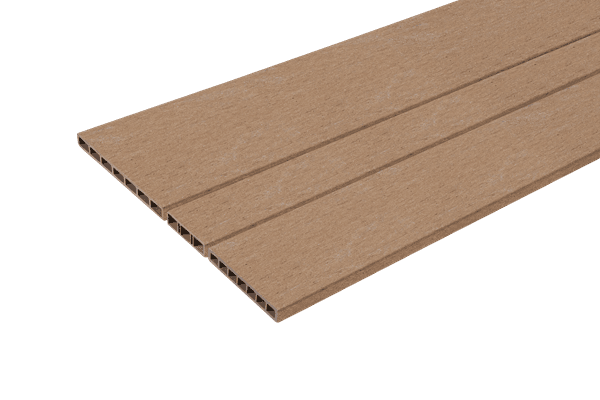
- RIWOOD Rice Husk CompositeRIWOOD is a premium biocomposite (RPC) material that redefines sustainability in outdoor and architectural applications. Developed by Fiberplast Group, this innovative product combines recycled rice husks and calcite with high-quality post production recycled PVC polymers to create a durable, low-maintenance, and eco-friendly alternative to traditional wood or pure plastic materials.
- Hempstatic®Hempstatic® is a biocomposite material composed of hemp shives, lime, and natural earth pigments. It is free from hazardous substances, biodegradable, and designed for a circular end-of-life. With high sound absorption capabilities, it improves indoor acoustics. The material’s porous structure and textured surface make it suitable for wall and ceiling panels, particularly in co-working spaces and offices.
- That’s Caffeine tilesThat's Caffeine is a material made in England from waste coffee grounds. Handmade in London, it has a similar look and feel as granite, but because it is a biocomposite made of bio-binders, minerals and plant-based resin, it is lightweight and recyclable.