Search
11 results for “carbon” in materials
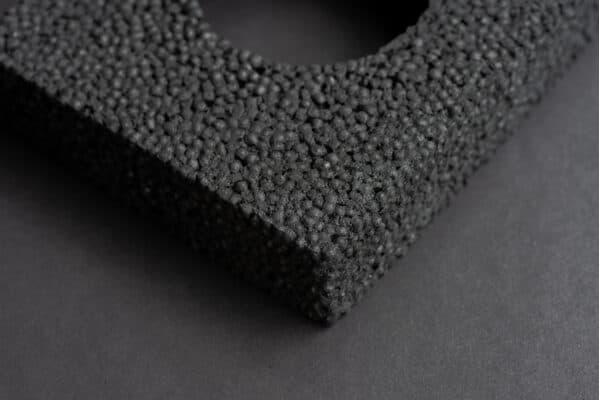
- Carbon Cell FoamCarbon Cell provides an alternative to polymer-based foams, with a patent pending, plastic-free foam made with carbon-negative biochar. This foam can be expanded using heat, either in moulds, or extruded profiles, enabling rapid production. It can be machined and cut using CNC and other common tools.
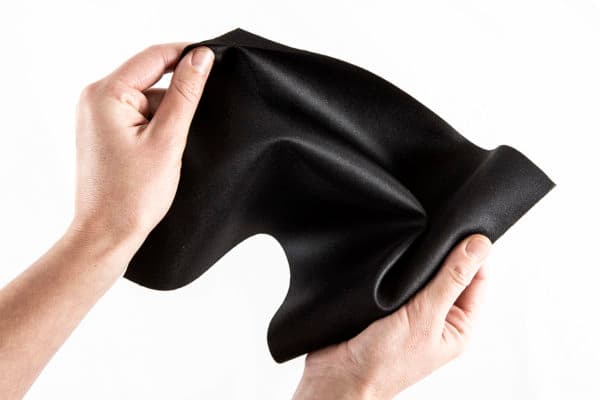
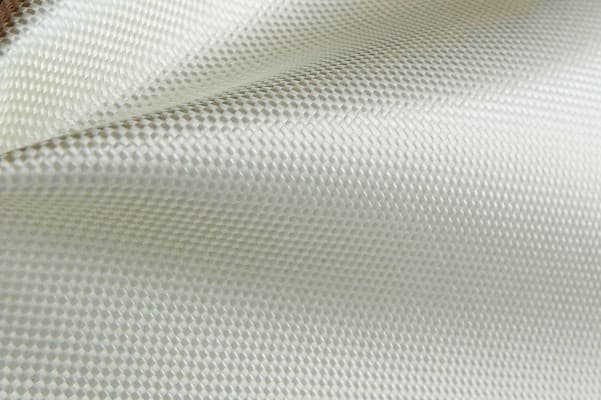
- Flexzorb activated carbon clothFlexzorb is 100% activated carbon cloth and is more effective at adsorption compared to other carbon loaded materials which have a lower activated carbon content. The material is available in woven and knitted formats and can also be tailored by activity levels, weights and thicknesses. In addition value added composites can be created by laminating to other materials or impregnating with chemical treatments.
- Upcycled Carbon BlackThis carbon black is made entirely of recycled tires and can be used as a pigment in polymers, ink, tires or paints. Black Bear carbon blacks are nothing less than a full replacement in all master batch and adhesive applications. Yielding a particularly high wetness and tinting strength, this is an eco-friendly, full replacement carbon black for the industry’s tinting and full-tone applications.
- Carbon BusterThe Carbon Buster is a carbon negative masonry block. The brick is produced by Lignacite. It is made using over 50% recycled aggregate. The rest of the brick’s volume consists of carbonated aggregate. Its density is under 1200 kg/m3.
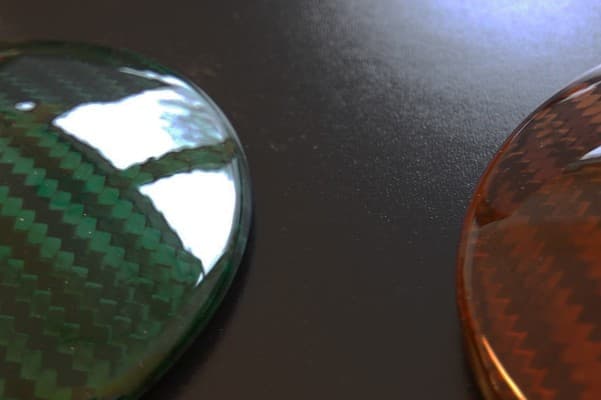
- Tinted carbonThe tinted carbon procedure is a spraying method using special coatings. After the preparation of the carbon part by wet grinding, a carbon primer and colour coat are applied on to the carbon surface and is sealed by layers of clear coat.
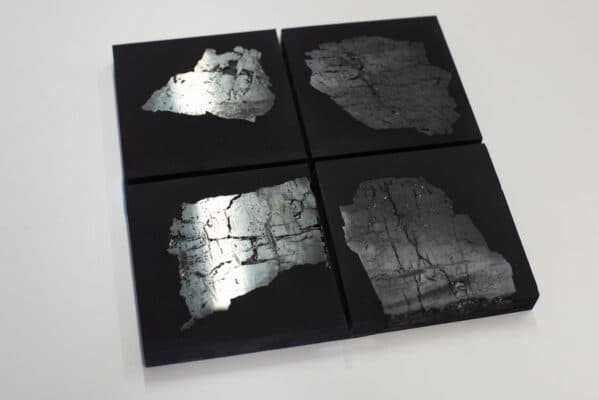
- ‘Carbon Capture’ tilesCarbon Capture is a material exploration that reflects on contemporary carbon capture technologies through a critical, material-driven approach. The project utilises anthracite coal—one of the most carbon-dense fossil fuels—permanently cast within a mineral or cementitious binder. By physically embedding the carbon source, the material offers a literal interpretation of “capturing” carbon.
- Sequoia – Carbon Negative Rainscreen FaçadeMade of Air is a deep-tech materials company developing carbon-negative products based on functionalised biocarbon. One application is Sequoia, a façade panel made from biocarbon and bio-resin derived from wood. The panels are composed entirely of biogenic material and are designed to combine structural durability, fire performance and carbon storage in building envelopes.
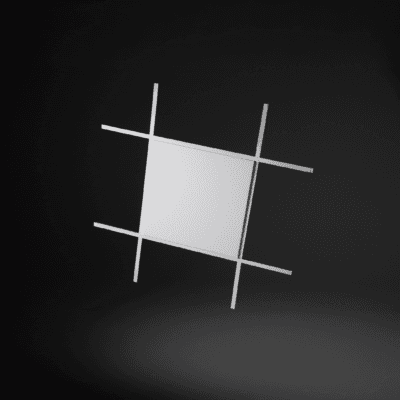
- Carbon Low panels & gridsEcophon already has some of the lowest carbon emission values on the market of ceiling tiles and grids and has now reached a new low point for our complete ceiling systems. Thanks to innovation, low-carbon steel and the introduction of biogas in their manufacturing - they are now able to reduce the carbon footprint on a selected range of complete systems, including both tiles and grids.
- Carbon Graphite Rigid Felt BoardCarbon Graphite Rigid Felt Boards are produced by vacuum deposition of carbon to create exceptionally high temperature insulation materials for non oxidising atmospheres. The felt boards are available as foil faced or non-foil faced, in a wide range of thickness and sizes. The main intended application is for high temperature inert or vacuum furnace insulation, possibilities exist for fuel cell development.
- Mar-Carbon Diago/CotThe Mar-Carbon Material is made from 44% PES and 56% PVC and is suitable for bags, seating, several technical applications. Weight 450 gr/m2, , Width 220 cm, Thickness 0,45 mm
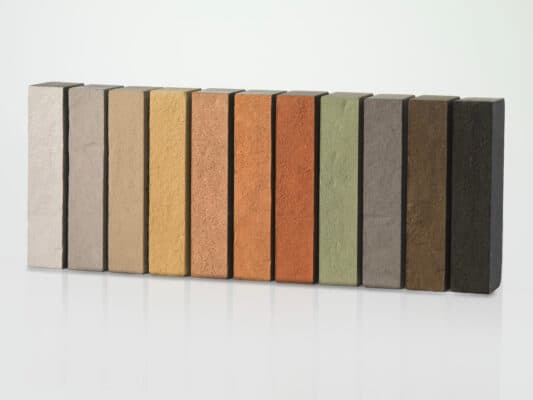
- PIRROUET® carbonated facing bricksTo produce Pirrouet®, mineral by-products from the steel industry are mixed with sand, dyes and water, and then pressed in brick moulds. In a conditioned room - with high CO2 concentration – Vandersanden lets the brick harden. The CO2 reacts with calcium-containing materials creating carbonates. This permanent bond creates a hard limestone-like brick.