Search
81 results for “carbon”
- Black Bear Carbon B.V.
- Chemviron Carbon Cloth Division
- Carbon Cell Ltd.
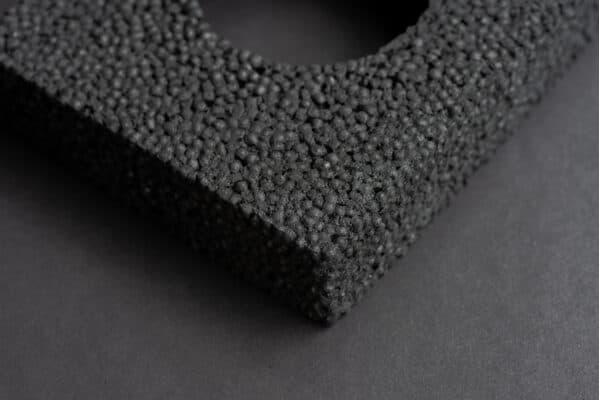
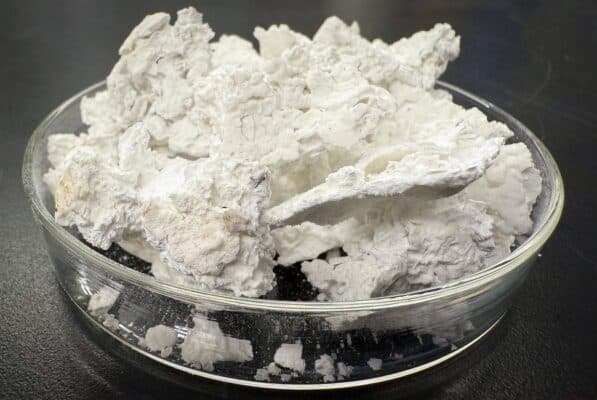
- Carbon Cell FoamCarbon Cell provides an alternative to polymer-based foams, with a patent pending, plastic-free foam made with carbon-negative biochar. This foam can be expanded using heat, either in moulds, or extruded profiles, enabling rapid production. It can be machined and cut using CNC and other common tools.
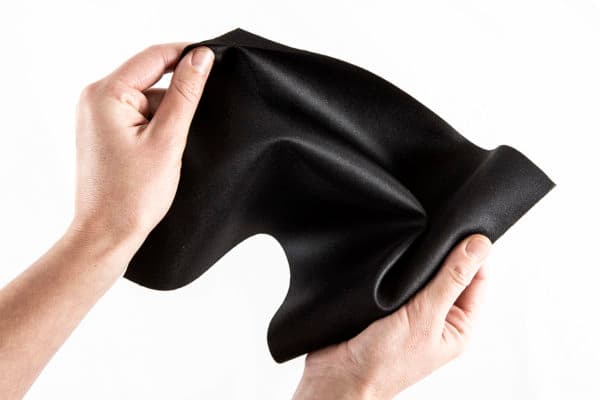
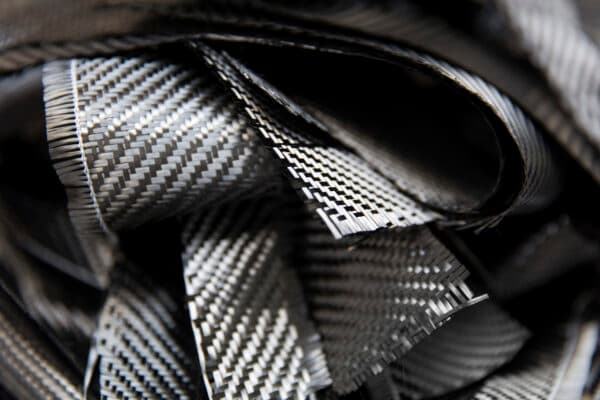
- Flexzorb activated carbon clothFlexzorb is 100% activated carbon cloth and is more effective at adsorption compared to other carbon loaded materials which have a lower activated carbon content. The material is available in woven and knitted formats and can also be tailored by activity levels, weights and thicknesses. In addition value added composites can be created by laminating to other materials or impregnating with chemical treatments.
- Upcycled Carbon BlackThis carbon black is made entirely of recycled tires and can be used as a pigment in polymers, ink, tires or paints. Black Bear carbon blacks are nothing less than a full replacement in all master batch and adhesive applications. Yielding a particularly high wetness and tinting strength, this is an eco-friendly, full replacement carbon black for the industry’s tinting and full-tone applications.
- Unboxing Carbon: Henning Larsen expands open-source carbon cataloguesHenning Larsen is taking significant strides to support sustainable design with the expansion of their data-driven carbon catalogues. Targeting architects and designers, these catalogues…
- Construction Materials and Products: A Technosphere Carbon SinkThe way we think about carbon emissions and storage is evolving. While much attention is paid to fossil-derived carbon emitted into the atmosphere, researchers…
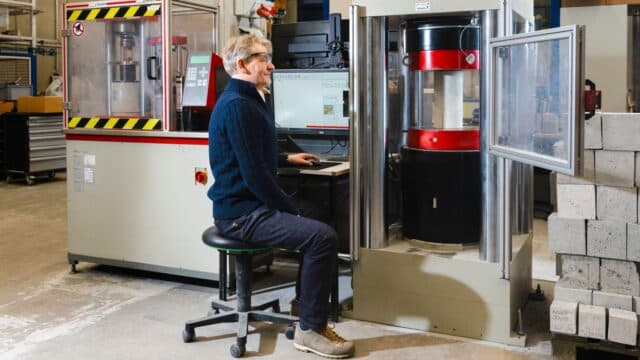
- Carbon BusterThe Carbon Buster is a carbon negative masonry block. The brick is produced by Lignacite. It is made using over 50% recycled aggregate. The rest of the brick’s volume consists of carbonated aggregate. Its density is under 1200 kg/m3.
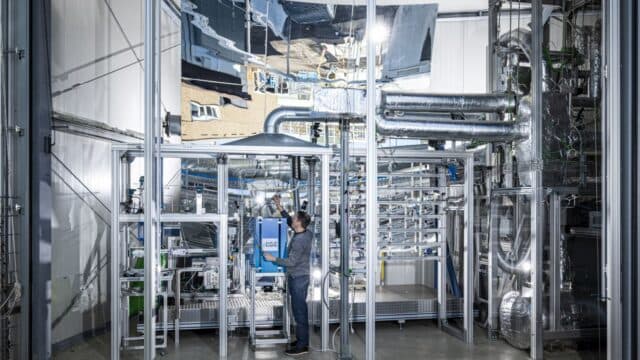
- CO₂-To-Carbon Process Advances Towards Industrial ApplicationResearchers at the Karlsruhe Institute of Technology (KIT) developed the NECOC (No Emissions through converting Carbon diOxide to Carbon) process. The technology converts carbon…
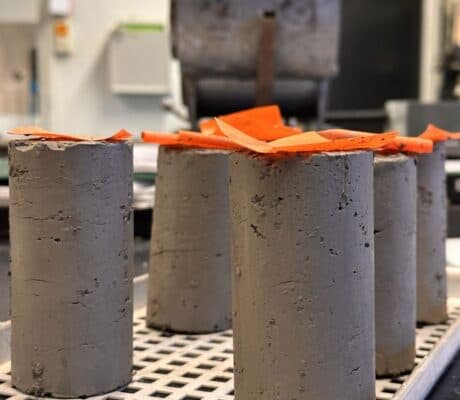
- Carbon-Negative Binder Could Revolutionise Sustainable ConstructionResearchers from Aalto University and VTT Technical Research Centre of Finland have successfully developed a bio-based binder material that offers a carbon-negative alternative to…
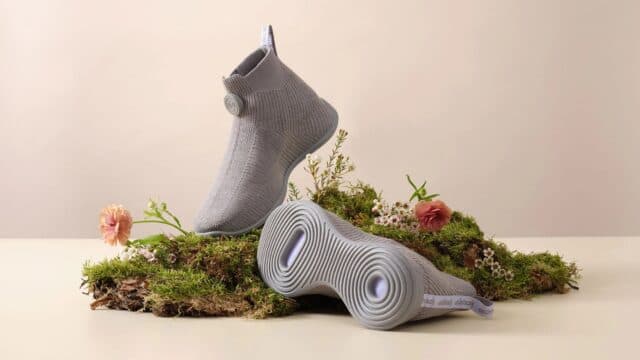
- The world’s first net zero carbon shoeCalled M0.0.nshot, the newly announced shoe by sustainable shoe manufacturer Allbirds is said to be the world’s first net zero carbon shoe, without relying…
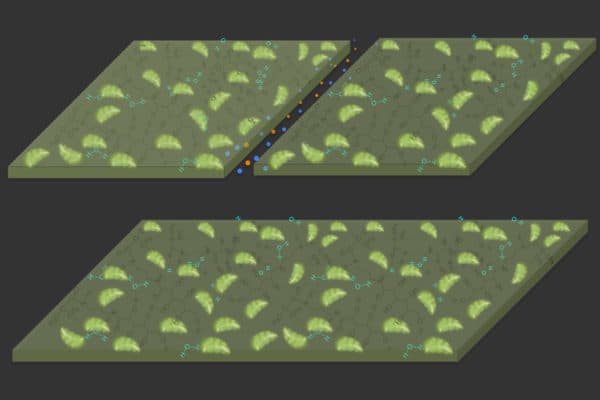
- New material grows on carbon like a treeResearchers at MIT developed a new type of synthetic material that filters carbon from ambient air, using it grow, strengthen and even repair itself,…
- Tarkett Introduces The World’s First Carbon-Negative Linoleum FlooringTarkett has introduced what it describes as the world’s first carbon-negative linoleum flooring. The company positions the material as a step forward in low-impact…
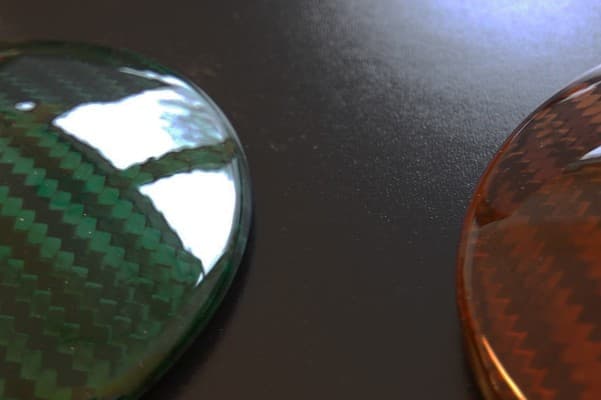
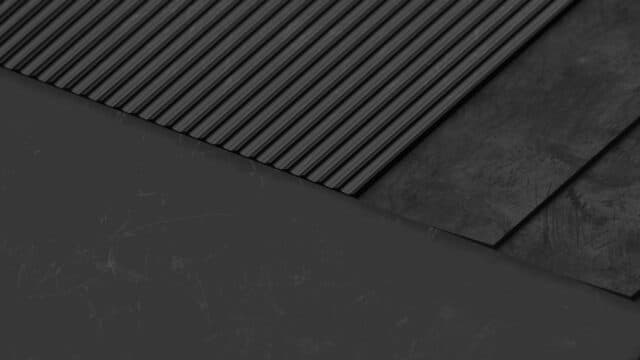
- Tinted carbonThe tinted carbon procedure is a spraying method using special coatings. After the preparation of the carbon part by wet grinding, a carbon primer and colour coat are applied on to the carbon surface and is sealed by layers of clear coat.
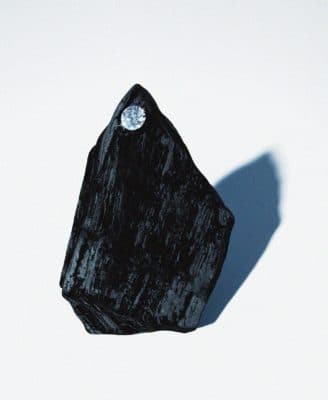
- ‘Carbon negative’ diamonds made from airJewellery brand Aether uses their own technology to transform carbon dioxide air pollution into diamonds. Diamond is a solid form of the element carbon…
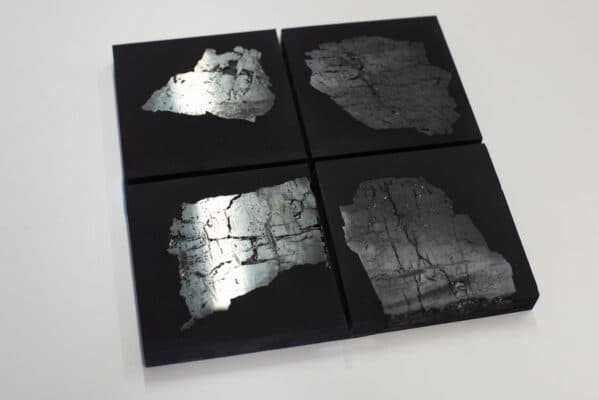
- ‘Carbon Capture’ tilesCarbon Capture is a material exploration that reflects on contemporary carbon capture technologies through a critical, material-driven approach. The project utilises anthracite coal—one of the most carbon-dense fossil fuels—permanently cast within a mineral or cementitious binder. By physically embedding the carbon source, the material offers a literal interpretation of “capturing” carbon.
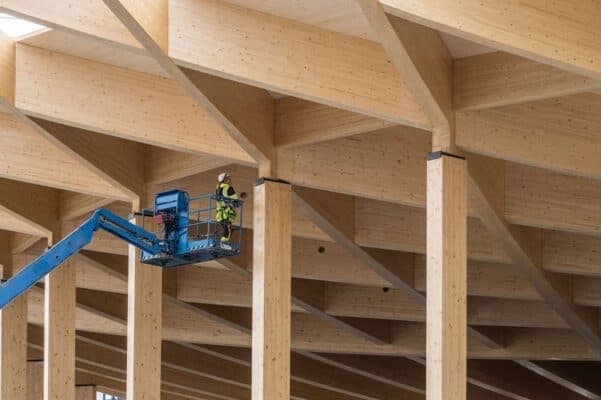
- Sequoia – Carbon Negative Rainscreen FaçadeMade of Air is a deep-tech materials company developing carbon-negative products based on functionalised biocarbon. One application is Sequoia, a façade panel made from biocarbon and bio-resin derived from wood. The panels are composed entirely of biogenic material and are designed to combine structural durability, fire performance and carbon storage in building envelopes.
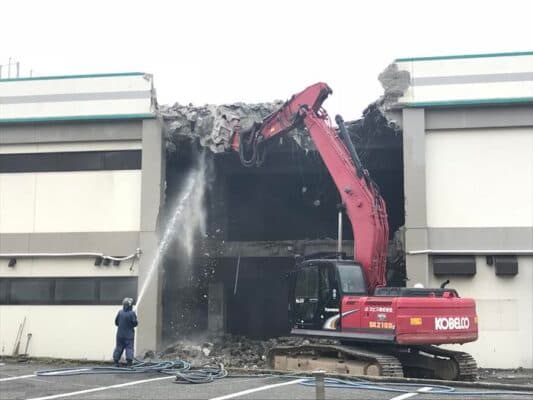
- Japanese Concrete Buildings Absorb 14% of Cement Production’s Carbon EmissionsA recent study from Japan highlights an important environmental feature of concrete buildings: their ability to absorb and store carbon dioxide (CO₂) emissions. Researchers…
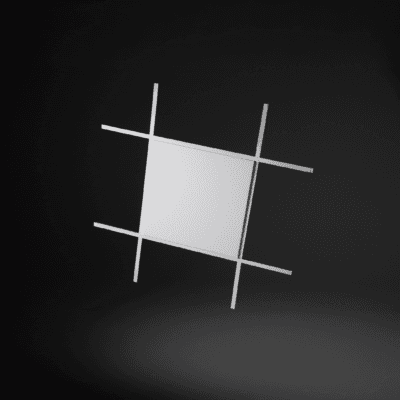
- Carbon Low panels & gridsEcophon already has some of the lowest carbon emission values on the market of ceiling tiles and grids and has now reached a new low point for our complete ceiling systems. Thanks to innovation, low-carbon steel and the introduction of biogas in their manufacturing - they are now able to reduce the carbon footprint on a selected range of complete systems, including both tiles and grids.
- New Technique for Recycling Carbon Fibre Composites Into Reusable MaterialsResearchers at the University of Southern California (USC) have developed an innovative recycling method for carbon fibre composites—a breakthrough that could greatly benefit industries…
- Concrete as a Carbon Sink: CO₂-Binding Cement Substitute Aims to Transform ConstructionResearchers at the Karlsruhe Institute of Technology (KIT) are developing a concrete material that could lower construction-related emissions while permanently storing carbon dioxide. The…
- Carbon-negative mineral developed for use in cement and concreteResearchers at Northwestern University have developed a new method to convert carbon dioxide (CO₂) into a solid mineral that can be used in cement…
- Innovative Stab-Proof Jacket Made from Carbon FibreArmor-Tex Limited has unveiled an innovative stab-proof jacket that merges high-level personal safety with a modular, lightweight design—ideal for urban environments where safety concerns…