Search
50 results for “carbon black”
- Black Bear Carbon B.V.
- Chemviron Carbon Cloth Division
- Carbon Cell Ltd.
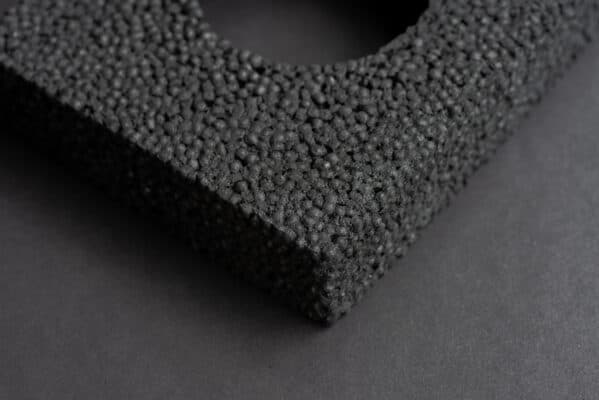
- Carbon Cell FoamCarbon Cell provides an alternative to polymer-based foams, with a patent pending, plastic-free foam made with carbon-negative biochar. This foam can be expanded using heat, either in moulds, or extruded profiles, enabling rapid production. It can be machined and cut using CNC and other common tools.
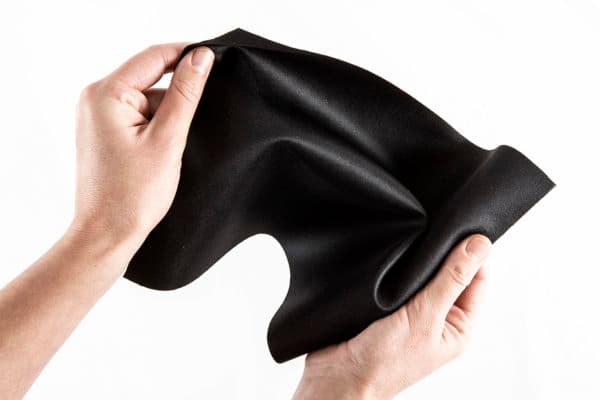
- Flexzorb activated carbon clothFlexzorb is 100% activated carbon cloth and is more effective at adsorption compared to other carbon loaded materials which have a lower activated carbon content. The material is available in woven and knitted formats and can also be tailored by activity levels, weights and thicknesses. In addition value added composites can be created by laminating to other materials or impregnating with chemical treatments.
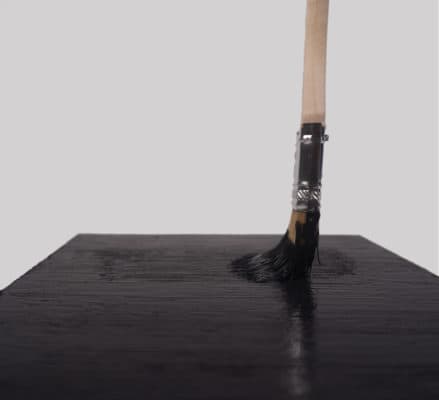
- Upcycled Carbon BlackThis carbon black is made entirely of recycled tires and can be used as a pigment in polymers, ink, tires or paints. Black Bear carbon blacks are nothing less than a full replacement in all master batch and adhesive applications. Yielding a particularly high wetness and tinting strength, this is an eco-friendly, full replacement carbon black for the industry’s tinting and full-tone applications.
- Renewable Black Pigment Brings Circularity to Black PackagingBlack remains a popular colour in packaging and product design. It conveys quality, contrast and strong brand identity. However, traditional black plastics present a…
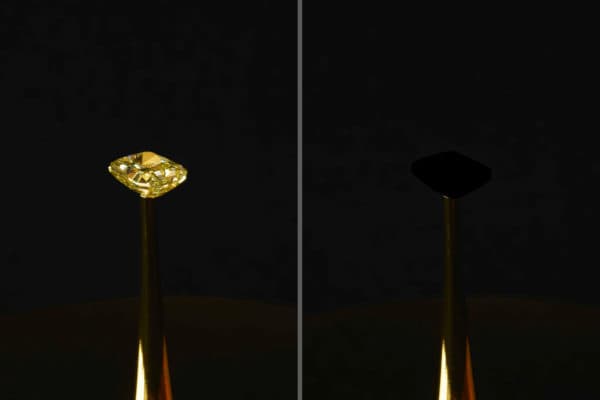
- Carbon nanotube coating is the new blackMIT engineers developed a coating made from carbon nanotubes that makes for the blackest black, capturing at least 99.995 per cent of incoming light.…
- The world’s first T-shirt dyed with black algaeInnovative clothing company Vollebak, in collaboration with bioscience company Living Ink, launched what they say is the world’s first T-shirt that is dyed using…
- OurCarbon BlackOurCarbon Black is a pigment made from organic waste that was diverted from landfill. OCB is made in a passive process that fixes, or sequesters, the biogenic carbon in organics. Organic material breaks down as methane in landfill conditions. Diverting organic material from ending up in landfill to create OurCarbon Black avoids significant greenhouse gas emissions.
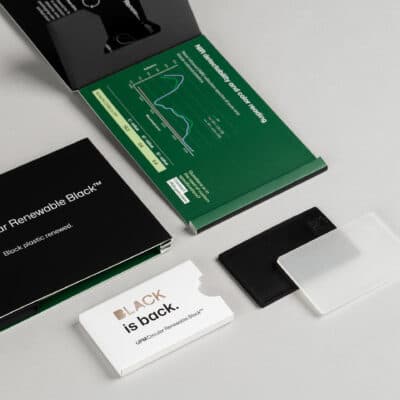
- UPM Circular Renewable Black™UPM Circular Renewable Black™ is a biobased black pigment developed by UPM Biochemicals for applications in plastics and rubber, particularly in packaging. The material is derived from lignin, a natural polymer found in wood, and is sourced from FSC™ and PEFC-certified forests.
- Studio Wynd: Using carbon fibres in furnitureWith their high tensile strength and low weight, carbon fibres are popular in aerospace, competition sports and the military. Studio Wynd uses carbon fibres…
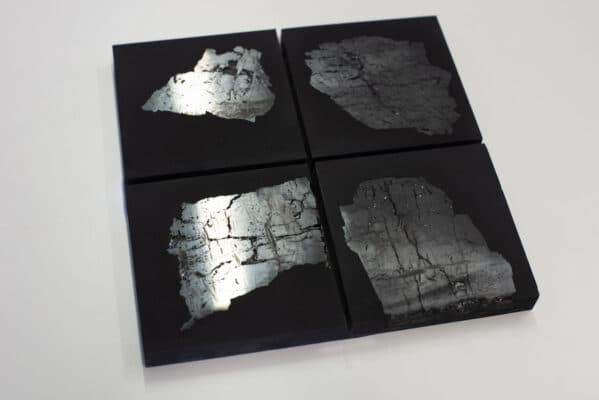
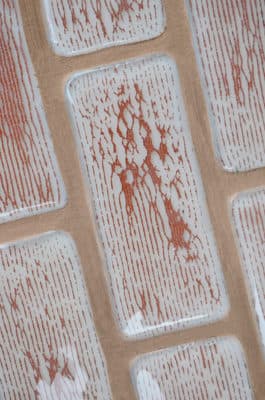
- ‘Carbon Capture’ tilesCarbon Capture is a material exploration that reflects on contemporary carbon capture technologies through a critical, material-driven approach. The project utilises anthracite coal—one of the most carbon-dense fossil fuels—permanently cast within a mineral or cementitious binder. By physically embedding the carbon source, the material offers a literal interpretation of “capturing” carbon.
- A ceramic planter made with biochar to trap carbonIn a collaboration between US-based companies OurCarbon, Break, and Sum Studio created a ceramic planter made with biochar, which traps greenhouse gasses. Developed by…
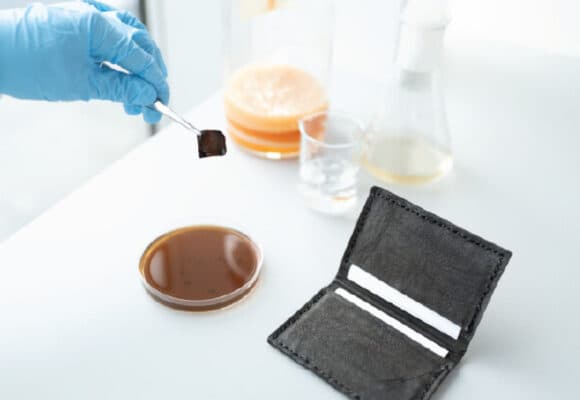
- Self-dyeing bacterial black leatherResearchers at Imperial College London have genetically engineered bacteria to grow animal- and plastic-free leather that dyes itself. Leather alternatives grown by bacteria is…
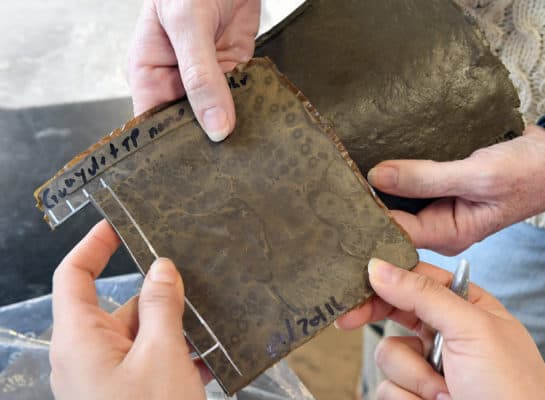
- Koyo Ibushi ArareKoyo Ibushi is a ceramic-like material, made from soil and carbon, using a Japanese traditional technique. The rigid, microporous material is made by carbonizing mineral rich soil. Due to the carbon film that is created on the surface, the material has a good weather resistance and an intrinsic silver colour.
- Printing with coffeeDutch start-up CaffeInk developed an environmentally friendly ink as an alternative to black ink made from fossil-based carbon black pigment. Worldwide, coffee is the…
- Strengthening rubber with eggshells & tomato peelsAbout 30 per cent of a typical automobile tire is made of carbon black, a petroleum based filler that makes the rubber durable and gives…
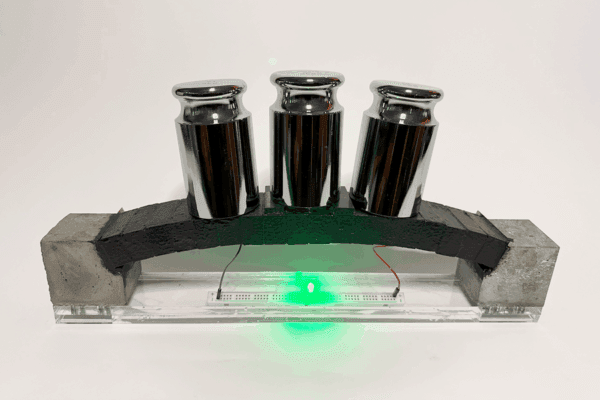
- Concrete as low-cost energy storageResearchers at MIT developed a way to use concrete as energy storage, by mixing cement with carbon black. The process uses the way that…
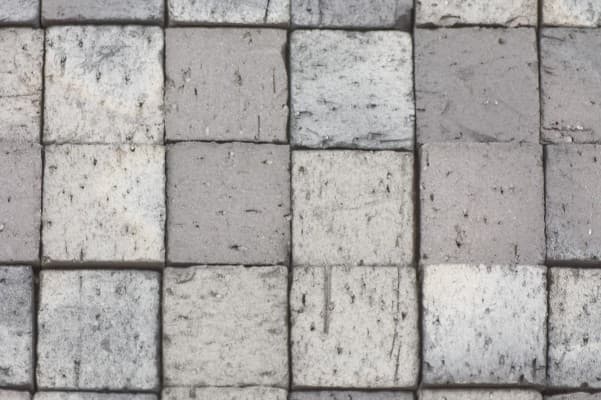
- Koyo Ibushi TilesThe ceramic-like material is made by carbonizing mineral rich soil, a traditional Japanese technique. This results in a rigid, microporous material with a metallic coloured surface and with a high durability. Its porosity makes the material humidity-regulating. Koyo Ibushi Tiles, with various designs, are handmade.
- A sewage sludge-based material as pigment and additiveOurCarbon is a material made energy neutrally from organic waste like sewage sludge. As prove of concept, the company asked various designers and studios…
- Clothing that detects dangerous chemicals and pollutantsIt’s not always possible to detect if you’re exposed to harmful particles or radiation until it’s too late. In order to warn you in…
- Seeing the unseenA range of clothing designed by a self-styled ‘textile alchemist’ has the potential to warn the wearer of a number of environmental issues. The…
- Concrete That Stores Energy: MIT’s New Conductive MaterialResearchers at the Massachusetts Institute of Technology (MIT) have developed a new form of concrete that can both support structures and store electrical energy.…