Search
21 results for “fibres” in materials
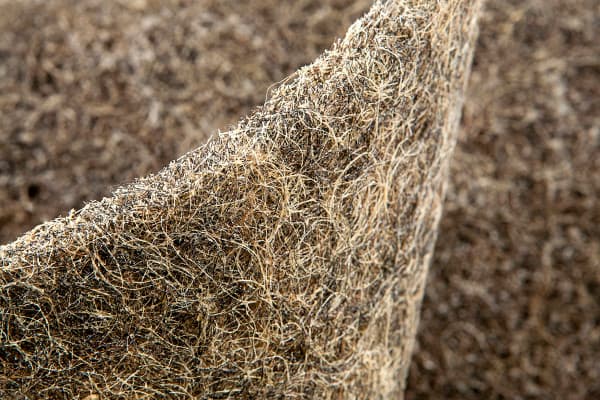
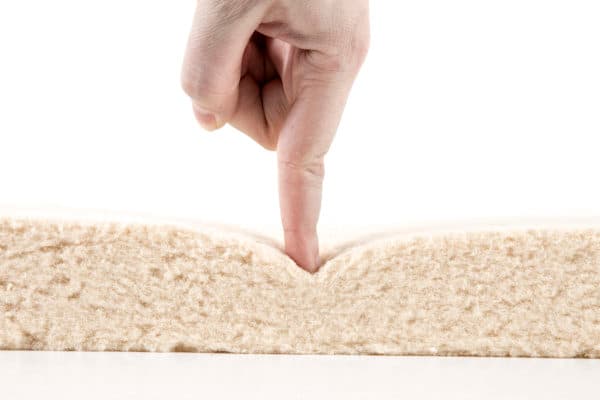
- Natural FibresEnkev makes quality products from natural fibres. Their products are mainly used in the mattress, horticultural, automotive and filter industry. There are however many more possibilities for these fibres in packaging, insulation and in the shoe-industry.
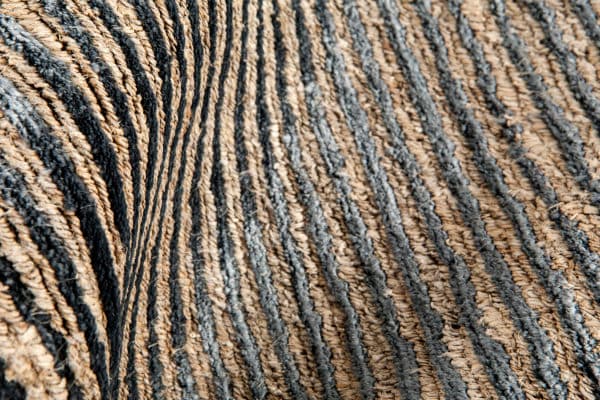
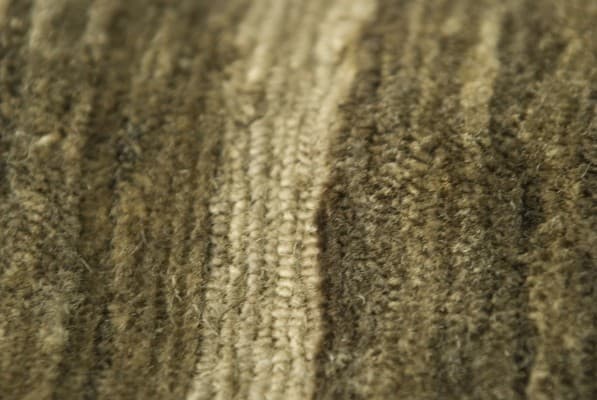
- Banana fibre, hemp & jute carpetThese carpets are made from jute, hemp and banana fibres. The appearance of banana fibre is similar to that of bamboo fibre and ramie fibre, but its fineness and spinnability is better than the two. The chemical composition of banana fibre is cellulose, hemicellulose, and lignin. The fibre is very strong and has a somewhat shiny appearance depending upon the extraction and spinning process.
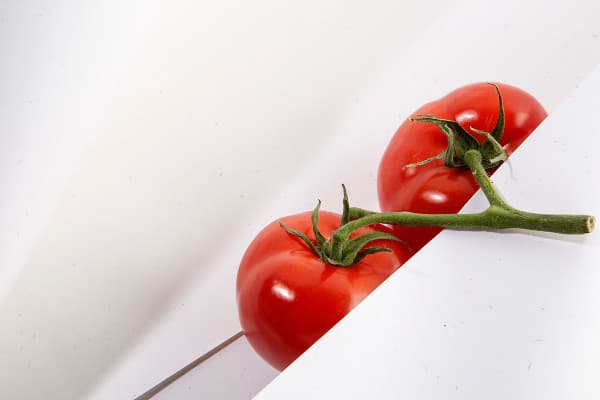
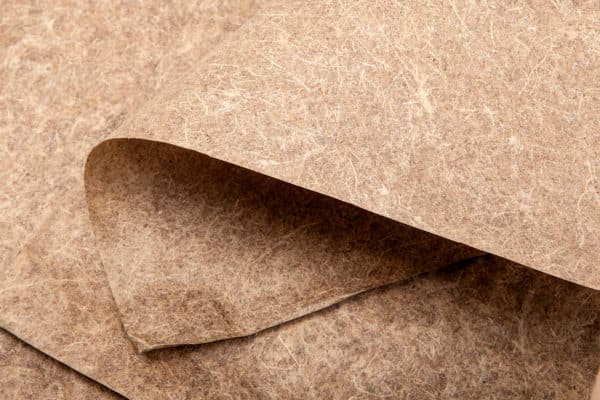
- Tomato Fibre PaperThis paper contains the fibres of tomato plants that originate in Dutch greenhouses. Normally these fibres are considered waste and burnt, but these fibres can be used for other purposes including paper. Not only does a biobased paper made of waste tomato fibres ensure we make use of resources, the paper also has a very high tactile and visual quality. The fibres are clearly visible, resulting in a nice and subtle effect.
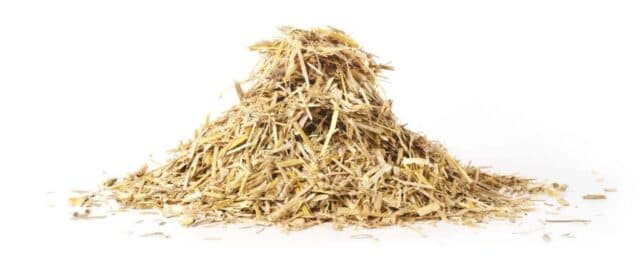
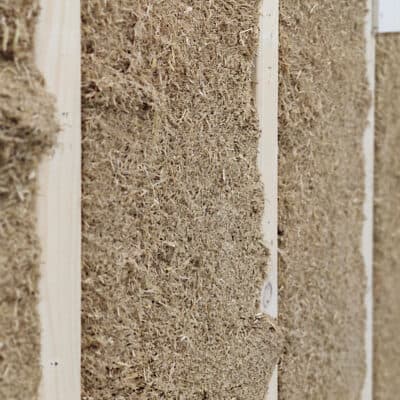
- Blow-in straw fibre insulationBioblow blow-in fibre is an insulation material made from natural and recycled components. It is used to insulate walls, roofs, and floors in residential and commercial buildings. The material is applied using specialised equipment, ensuring even distribution to create a seamless layer of insulation.
- Banana fibre paperBanana fibre paper is made from agricultural waste left over after the banana harvest. The company extracts fibres from sustainably sourced banana trees grown at local farms here in Kosrae, Micronesia. In the paper making process, the fibres fuse together on a microscopic level to create a 'leather-like' paper material that is lightweight, tear-resistant, and biodegradable.
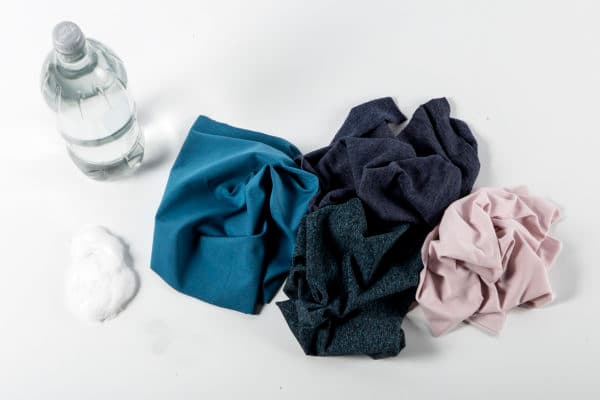
- Repreve fibres & fabricRepreve are fabrics and fabric made from recycled PET bottles. Billions of plastic bottles go into landfills every year. Repreve transforms recycled bottles into a fibre, used to make athletic and fashion apparel and more. Their process embeds properties like wicking, adaptive warming and cooling, water repellency, and more at the fibre level.
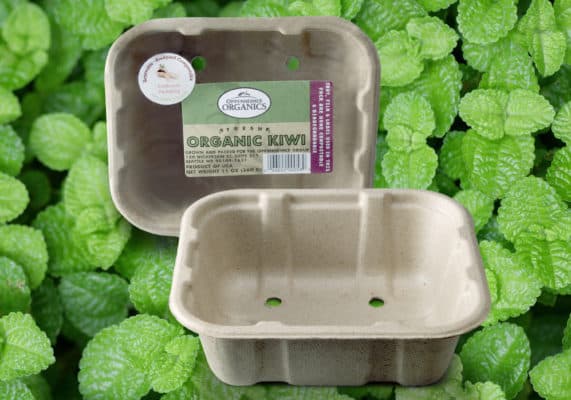
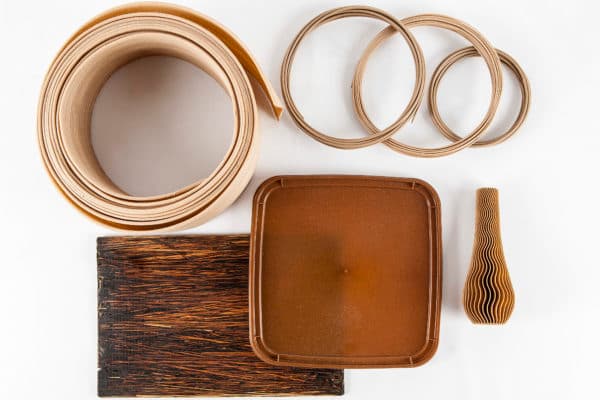
- Palm fibre packagingPalm fibre is a natural packaging material made of 75% recycled paper and 25% raw palm pulp
- FeelingWood wood fibre insulationFeelingWood is dimensionally stabile and flexible insulation board made from FSC certified wood fibre. Wood fibre has naturally high heat storage capacity. The insulation provides a better indoor climate, and it absorbs, transports and emits moisture from the walls. The insulation meets the UN criteria of Environmental, Economic and Social Sustainability.
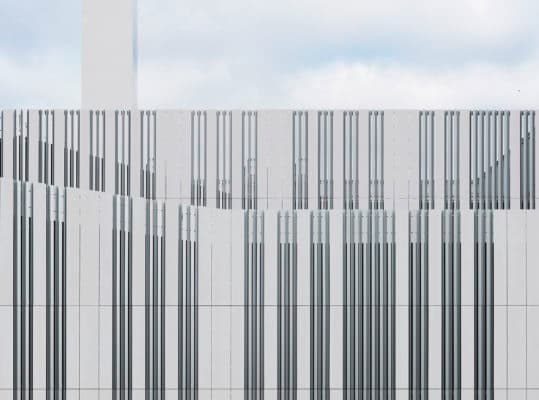
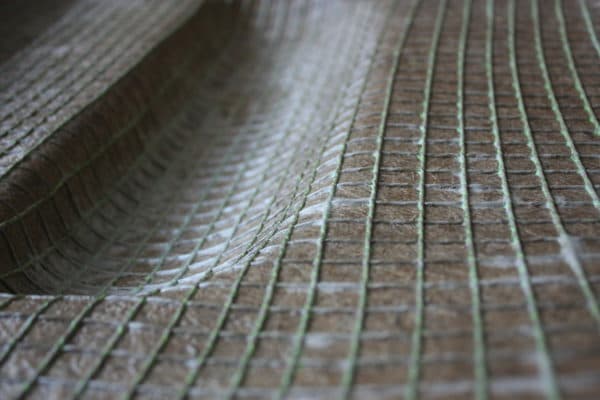
- Fibre CA special extrusion process incorporates layers of glassfibre into a concrete matrix; in the top layer and underlayer the fibres are undirected and scattered, in the medium layer they take the form of roofings (fibre bundles).
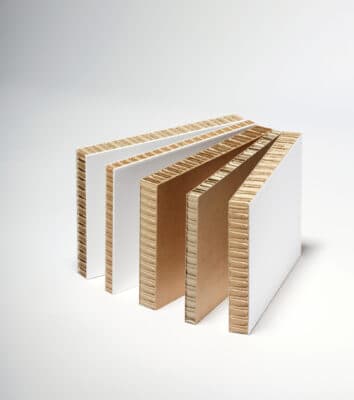
- SWEDBOARD® FibreSWEDBOARD® Fibre is a paper-based rigid board that offers a fully recyclable alternative for demanding POS/ POP and in-store signage applications. The engineered dust…
- Kynol Fibres and TextilesKynol Novoloid fibres are cured phenol-aldehyde fibres. Their specific advantages include high flame resistance, minimal smoke emission and practically no toxic off-gassing in flame (neither HCN nor halogens etc). They display outstanding resistance to acids, bleaches, solvents, fuels, other chemicals and steam; and in addition excellent electrical and thermal insulation (down to minus 196°C).
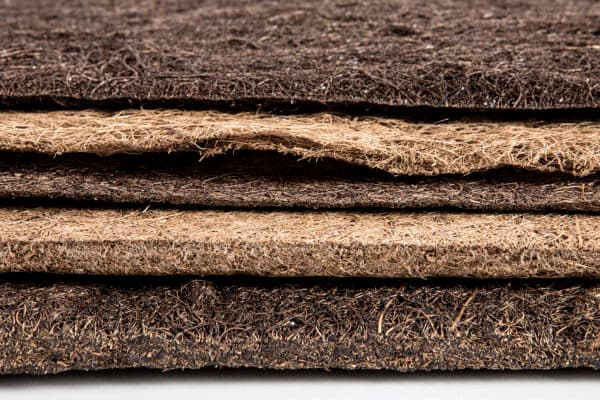
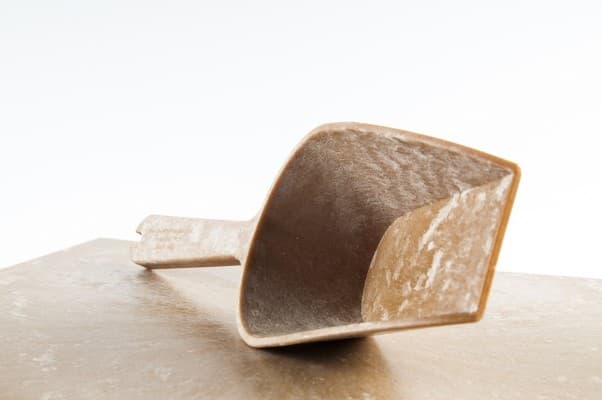
- Coquim coconut fibreCoquim is made from coconut fibre and natural latex, the sap of the rubber tree Hevea brasiliensis. The material is renewable and fully biodegradable. It can be used for a multitude of products, including pots, plates, and blankets. The material was initially developed to replace the popular Xaxim, also known as Dicksonia sellowiana, a fern plant native to the Atlantic Forest, which is used to make pots.
- Bamboo fibresBamboo fibres have a high potential. Based on its density, its capacity to grow fast, its low carbon footprint and its mechanical properties, there are interesting business cases to grow bamboo locally and use it at a larger scale.This triggered Bambooder and its business partners to explore market opportunities for bamboo, especially for paint, composites, bioplastics, and 3D printing.
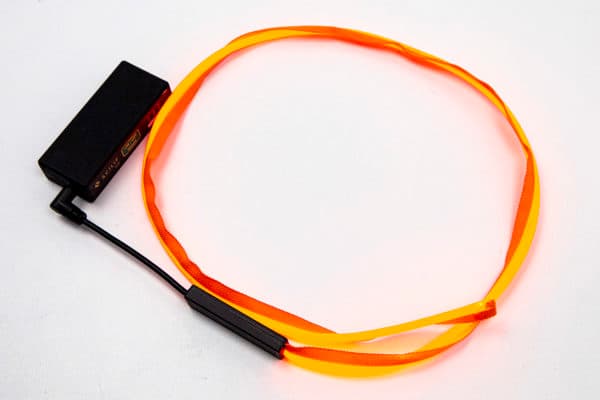
- Lateral lighting fibre elementsThe key element of the SCILIF SunFibre technology are sideways emitting light guides. These are specially designed light-conducive polymer fibres that specifically enable both the transmission of light and managed emission of light from the surface of the light guide.
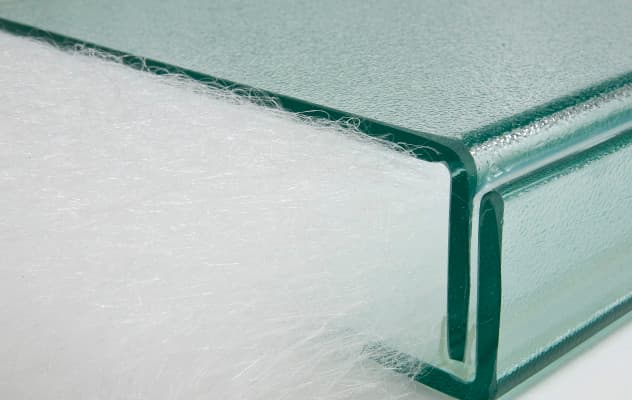
- TIMax GL Glass fibre insulationTIMax GL is a glass fibre insulation material that enhances the heat insulation (U-value) of profiled glass façade systems. TIMax GL is both translucent and light scattering. Due to this light scattering effect, even deep rooms can be illuminated evenly. TIMax GL additionally offers sun protection because it reduces the solar heat penetrating a window in the summer. .
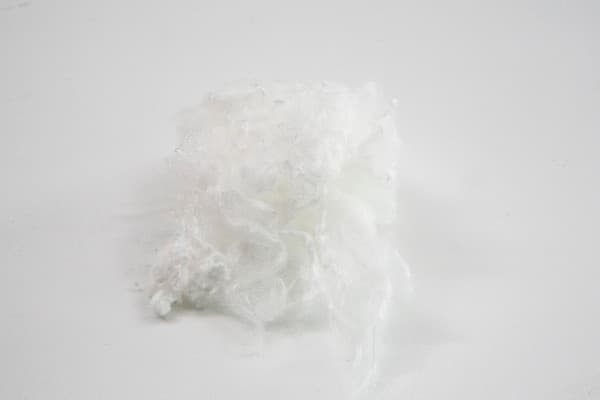
- EXIE fibresEXIE Fibers consists of a combination of straw flakes, coated with a 100% ecological flame retardant without borates. It is fungicidal and protects against vermin. EXIE Fibers not only keep out the cold in the winter, but also protect against the heat for up to 14 hours in the summer.
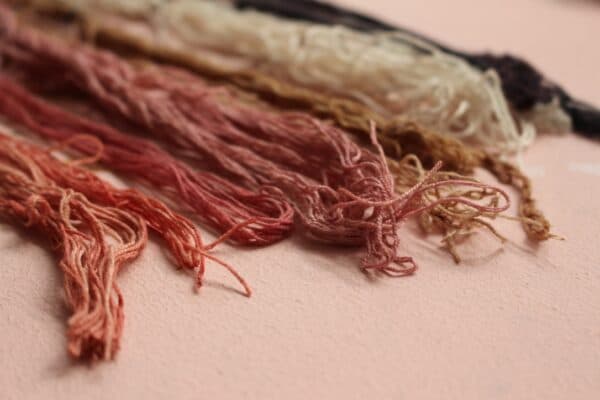
- ALCHIMIA – Natural Yarn dyes on Milk fibreA versatile range of natural dyes developed on milk protein-based yarns in collaboration between designer Shahar Livne and Dyer Roua AlHalabi, made from materials driven from animals such as blood, collagen, and milk, minerals such as hematite and aluminium, plant parts such as oak apple and flowers and roots of the Rubia tinctorum plant; together, the materials create a rich variety of colours through alchemical reactions.
- Wood Fibre TextilesTextiles made of wood include Tencel, Viscose, Lenzing FR and Lenzing Modal. Tencel is more absorbent than cotton, softer than silk and cooler than linen. Viscose is naturally botanic, absorbs moisture well and is pleasant on the skin. Lenzing FR offers protection from different kinds of heat: fire, radiant heat, electric arcs, molten metals and flash fires. Lenzing Modal is extracted from beech wood.
- NCell Natural Fibre reinforced ThermoplasticsNCell consists of a polypropylene (PP) or polyethylene (PE) matrix reinforced with up to 40% natural cellulosic microfibres. NCell compounds have mechanical properties that are able to replace glass-reinforced thermoplastics. NCell also offers increased performance from other commercially available biocomposites, such as those made from hemp, flax, wheat straw, and wood.
- Tibetan Cactus Fibres CarpetThis exclusive material, locally manufactured, is made from Tibetan Cactus Fibres. This labour intensive, hand knotted carpet, can be a combination of loop piles and velour textile with silk and wool. Due to the hygroscopic material characteristics, the material is temperature selfregulating.
- Bcomp TextileThe most viable structural fibres used in these architectural textiles typically derive from specifically grown textile plants and fruit trees. Natural fibres are subdivided into bast fibres (flax, hemp and kenaf) and leaf fibres (sisal, pineapples and henequen), grass fibres (miscanthus), straw fibres (corn and wheat), seed fibres (cotton and capok), wood fibres (pinewood) and fruit fibres (coconut).