Search
13 results for “fly-ash” in materials
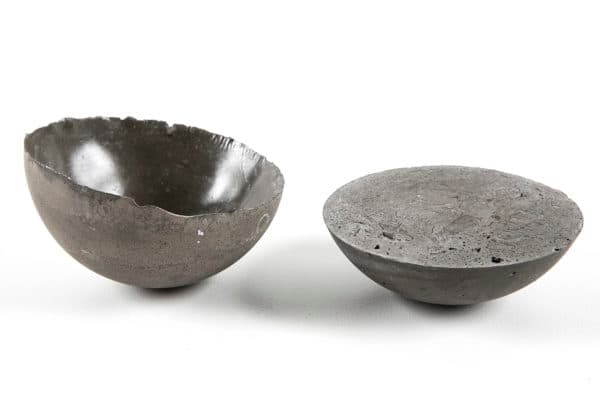
- From AshThe aim of From Ash is to use the common waste material fly ash as the main element of a new production process. The alkali-activated material is part of the geopolymer family and can easily be made by using basic chemical components. The material becomes mechanically strong within a few hours, allowing a simple production system everywhere near the thermal power plant.
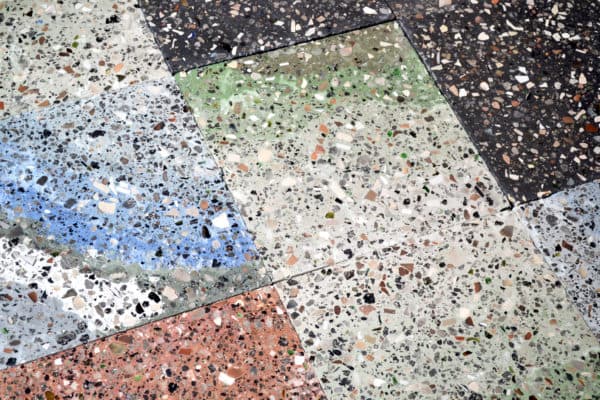
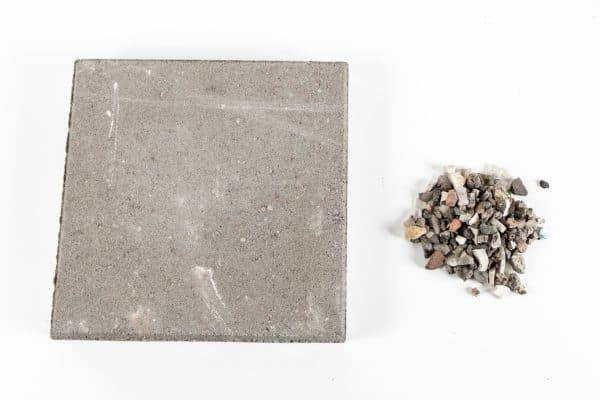
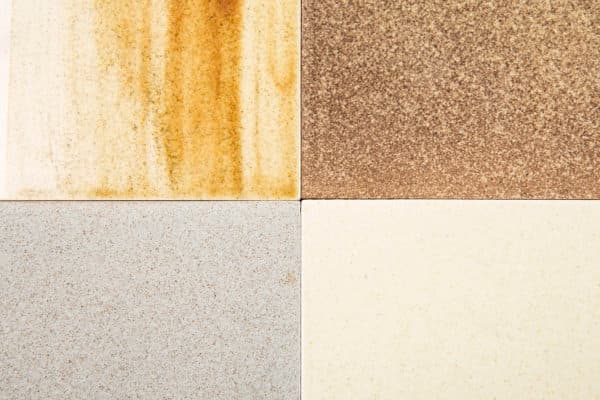
- 850°C Ash concreteWaste is burned in incinerators at 850 degrees Celsius (1560 degrees Fahrenheit). What remains at the bottom of the incinerator are chunks of unburned material and ashes, called bottom ash. Dutch designer Carmen Reus discovered this ash can be added in terrazzo. The surfaces give an impression of the things that we throw away and show the remnants of our throw-away society.
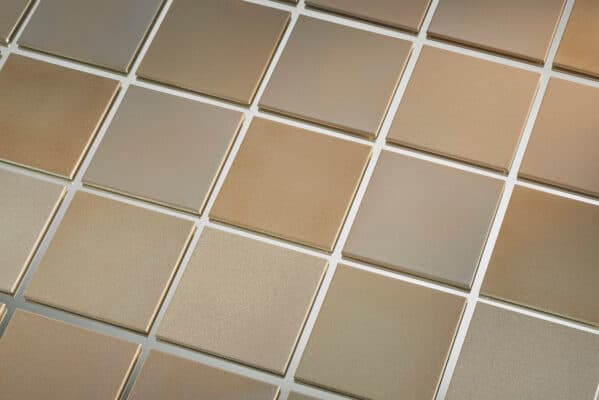
- ExCinere® Volcanic ash–glazed porcelain tilesExCinere® is a collection of porcelain tiles finished with glazes made from volcanic ash. Developed by Dzek in collaboration with Formafantasma, the material combines an industrial ceramic base with naturally occurring volcanic matter, resulting in surfaces that express mineral variation while meeting architectural performance requirements. The tiles are formed from a dense, vitrified porcelain body that provides low water absorption, high mechanical strength and long-term durability.
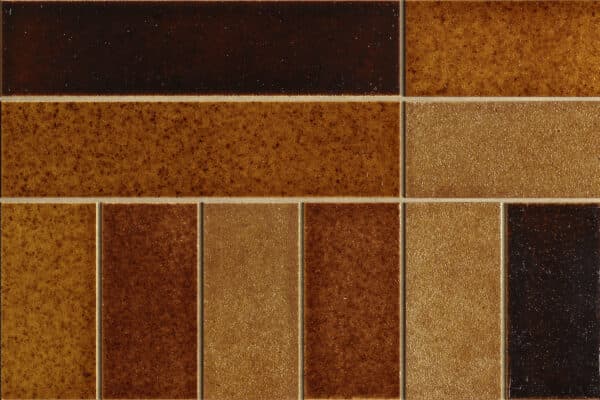
- Biofuel Waste is BlissThe Biofuel Waste is Bliss project redefines the use of ashes from bioenergy waste streams, creating new environmentally-friendly materials and architectural products, such as ceramic glazing for tiles and bricks. By incorporating up to 55% ash content in ceramic glazes and clay bodies, the project aims to replace the need for newly extracted materials while reducing the industry's CO2 footprint.
- Sustainable paving tile'De Duurzame Tegel' is a sustainable paving tile made with the bottom ash left over after incinerating household waste. Currently, 15 per cent of sand and gravel in the concrete is replaced by bottom ash, and the aim is to make that 30 per cent in the future, about 15 paving tiles per person in amount of waste. It is created by Dutch waste processing companies AVR and Renewi, and tile manufacturer De Hamer.
- Eco-CemEco-Cem® is a material made from 20% post consumer recycled content and 80% cement binder with 50% reclaimed fly ash. It has a Silver Cradle to Cradle (C2C) Certification.
- HOTwood essen Uni lineThe HOTwood ash Uni line 65 QC is a contemporary timber cladding solution designed to support both aesthetic and sustainable construction goals. Its distinctive profile depth and seamless installation system offer flexibility for a wide range of architectural applications.
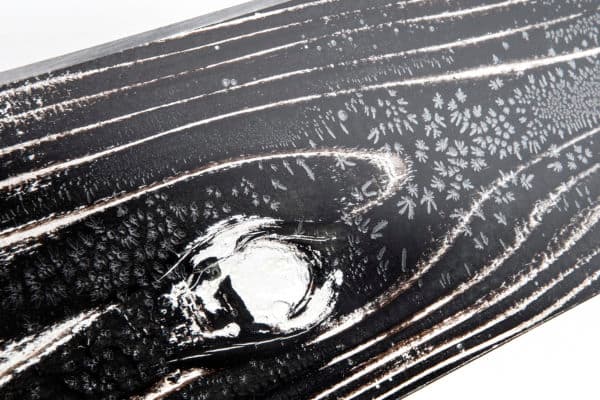
- PlawPlaw is a material that combines the aesthetics of wood with the properties of plastic. The material is made by using a singed wooden mould, to which resin is added. During the curing process, the charred surface of the wood is transferred onto the material, copying the grain. The patterned ashes cause the plastic to look like translucent wood.
- ForzGlazeForzGlaze is ceramic glaze made with mineral residue Forz, sustainable resources extracted from mineral residue. The material is used in concrete and other building projects, reducing the need for primary resources. ForzGlaze is suitable for consumers and meets the current environmental demands. The recipe can be customised to change the colour or gloss of the glaze.
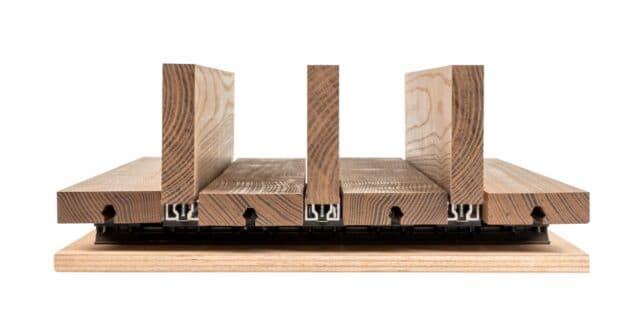
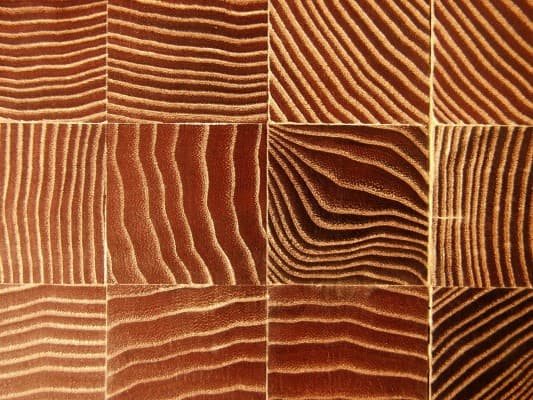
- DominoThis wood is extremely hard-wearing and suitable as flooring for commercial use and workshops, although application for private projects is also possible of course. Used woods are ash, birch or larch.
- TRAshellThis prototype is a free-form shell of 300 x 300 x 2-5 mm, manufactured of green agro-fibre thermoset composites, of free-oriented short natural fibres like coconut shells, cereal straw and black coal ash as an agro- active filler and a plant-based thermoset bioresin. In addition, glowing additives were applied, to suit the possible application of the proposed product in exterior façade applications, for night lighting.
- Tabu VeneerDyed to provide greater colour choice, Tabu veneer are made from natural wood species such as ash, oak, walnut etc. Additionally, the colouring process greatly increases the consistency of veneer colour across joinery project works to better harmonize with other materials. The colouring process often highlights the grain character, particularly in highly figured woods.
- Decking solutionsDecking solutions materials consist of marine plywood made entirely of okoumè layers and with a choice of external finishings including iroko veneer, teak veneer or mahogany veneer. These materials are suitable for decks, flying bridges, cockpits, gangways and floors.