Search
20 results for “insulator” in materials
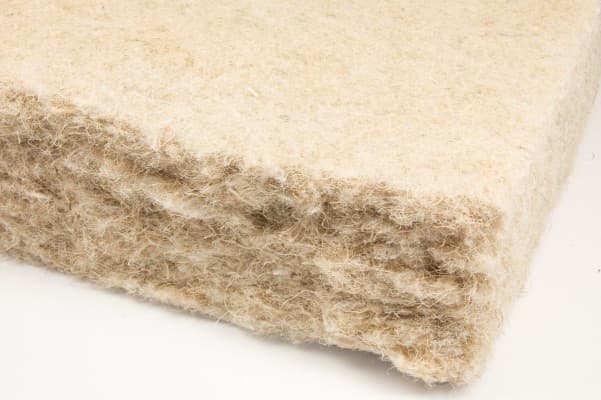
- PL Building insulationIsovlas PL mainly insulation in light construction construction HSB and post-insulation such as wall, roof and floor, which is optimally durable, cheap, healthy and easy to process. The insulation is based on flax, because flax is: cyclically renewable and recoverable, removes and stores CO2 from the atmosphere, is naturally temperature and moisture regulating and does not contain harmful dust particles.
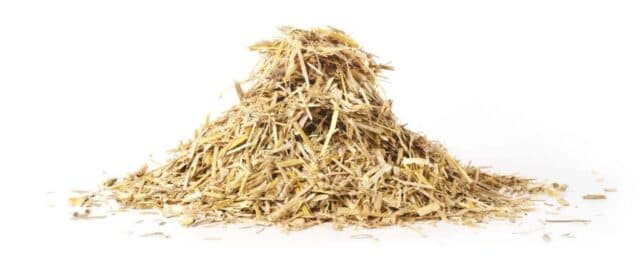
- Blow-in straw fibre insulationBioblow blow-in fibre is an insulation material made from natural and recycled components. It is used to insulate walls, roofs, and floors in residential and commercial buildings. The material is applied using specialised equipment, ensuring even distribution to create a seamless layer of insulation.
- VIP (Vacuum Insulated Panel)With a thickness of only 20 mm a R value of 4.76 m2K / W, vacuum insulation panels (VIPs) insulate roughly five times better than insulating PIR and about eight times stronger than mineral wool insulation. For the insulating effect, fumed silica - which is a micro-fiber based silica - is used. These extremely low heat circulating fibers are compressed, after which a very damp-proof barrier film wrapped around it.
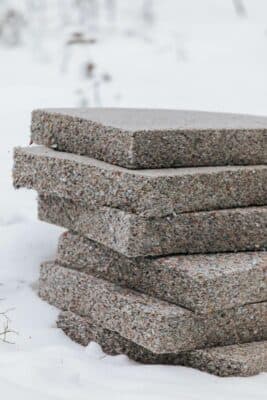
- Ekovilla Cellulose Insulation SlabEkovilla Cellulose Insulation Slab is an eco-friendly insulation solution designed for walls, roofs, and floors. Crafted from pure cellulose fibers sourced from recycled newspapers, this insulation panel brings sustainability and performance together. Bound together with bonding fibers and treated with flame-retardant salts, it delivers strong fire resistance while maintaining its natural benefits.
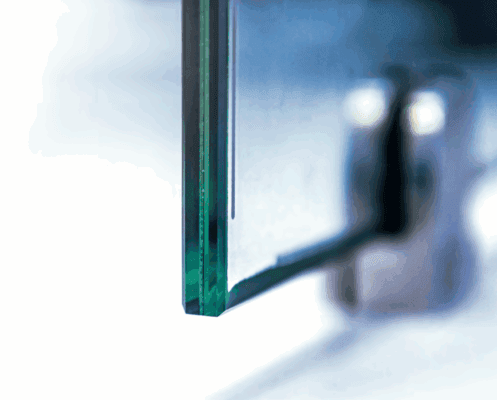
- Fineo vacuum insulating glassFINEO is a vacuum insulating glazing solution developed jointly by AGC Glass Europe and Panasonic. It achieves the thermal performance of triple glazing while maintaining the slim profile and appearance of single glazing. At the core of FINEO's performance is a vacuum cavity of 0.1 mm between two panes of glass, supported by a network of micro-pillars and combined with a low-emissivity coating.
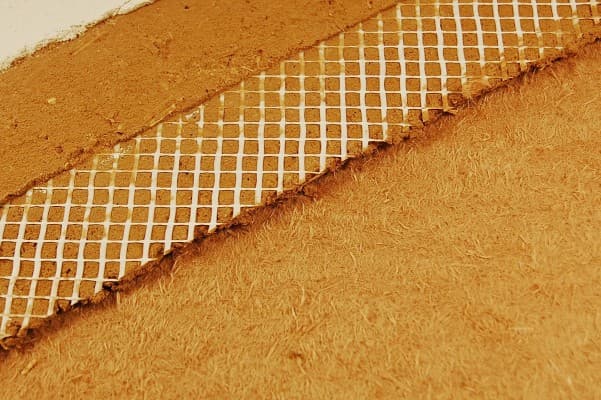
- FeelingWood wood fibre insulationFeelingWood is dimensionally stabile and flexible insulation board made from FSC certified wood fibre. Wood fibre has naturally high heat storage capacity. The insulation provides a better indoor climate, and it absorbs, transports and emits moisture from the walls. The insulation meets the UN criteria of Environmental, Economic and Social Sustainability.
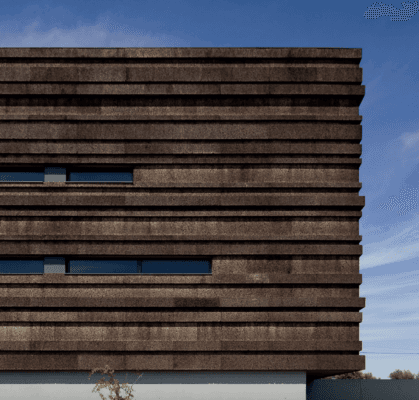
- Cork and Coconut InsulationQualycork supplies insulation products made from expanded cork and coconut fibres for thermal and acoustic applications in buildings. The materials are fully bio-based and derived from renewable natural resources. Expanded cork is produced from cork oak bark, harvested without damaging the tree. Coconut fibre insulation is derived from coconut husks and is primarily used for acoustic performance.
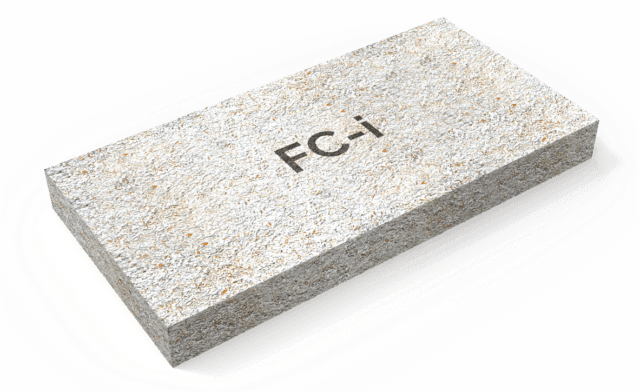
- First Circular InsulationFC-i produces biobased, CO₂-neutral insulation for sustainable construction. Made from wood, hemp, and mycelium, its materials offer an eco-friendly alternative to conventional insulation.
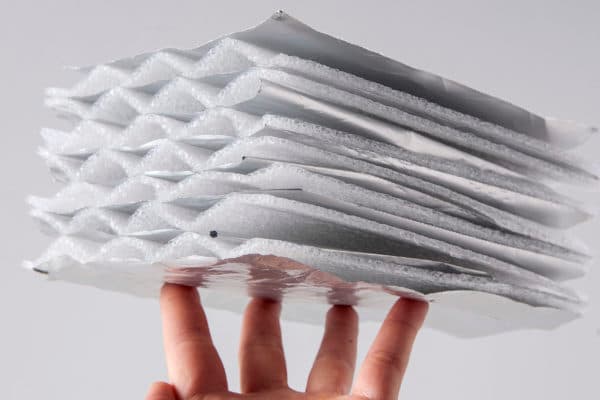
- Hybrid insulationHybris is an insulation material for masonry walls or timber frame, pitched roofs or ceilings and is a reflective insulation product based on a honeycomb structure. It is available in 1145 mm wide panels and in thicknesses from 50 mm to 205 mm. Its high thermal performance is provided by a structure composed of a large number of low emissivity cavities, protected from dust and excessive air movement.
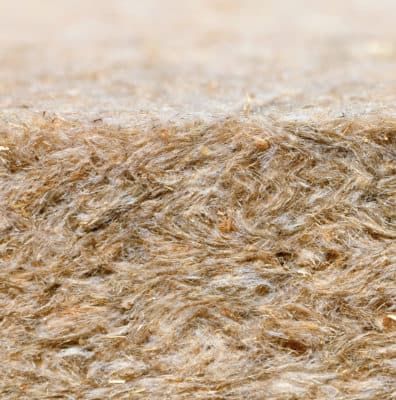
- HempFlax Nature InsulationHempFlax Nature Insulation is made out of 100% hemp fibres, produced from the non psychoactive hemp plant. Hemp fibres are lighter then glass fibres. The fibres are able to absorb and release water easily. The mats can be produced with a synthetic binder or biobased (PLA) binder.
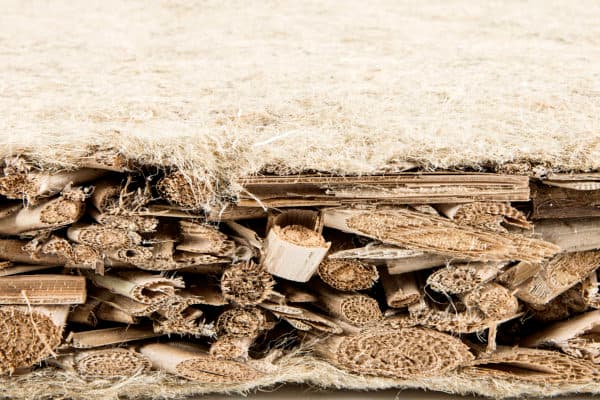
- Typha insulationTypha, commonly known as reed, cattail or bulrush, is a fast growing plant that flourishes in the watery areas of Friesland in the Netherlands. In collaboration with various institutions, a regional value chain is being developed to turn typha into insulation material. Studio Tjeerd Veenhoven is developing insulation suitable for cavity walls that meets the current building standards.
- Hemp insulationHemp fibres for thermal and acoustic insulation. The hemp is grown and harvested in France, after which it’s made into a Hemp fibre. The Hemp fibre is treated to make it fire-resistant and then pressed into large rolls of insulation material for the building industry.
- TIMax GL Glass fibre insulationTIMax GL is a glass fibre insulation material that enhances the heat insulation (U-value) of profiled glass façade systems. TIMax GL is both translucent and light scattering. Due to this light scattering effect, even deep rooms can be illuminated evenly. TIMax GL additionally offers sun protection because it reduces the solar heat penetrating a window in the summer. .
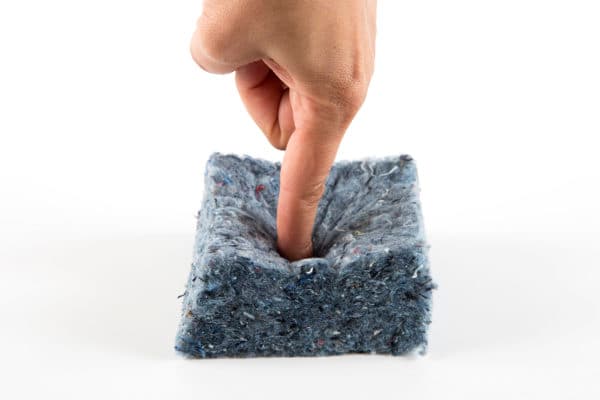
- Métisse recycled textile insulationMétisse insulation consists of leftover jeans and sweaters, a sustainable material that scores 3 out of 3 on the three pillars of sustainability. The clothing isn't burned but reused (Environment), the production of the material helps people with a disadvantage on the labour market (Society), and the material lowers the energy bill (Economy).
- Insulated GlassblockSBskin developed and patented a series of novel glassblock configurations, with the aim to optimize their energy performance. This high insulating glassblock is modified through a plastic thermal belt, for outside installations.
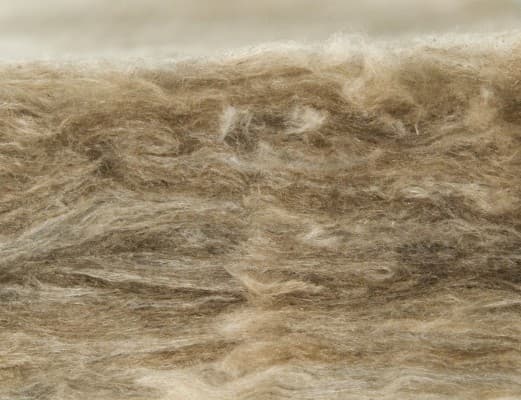
- Insulation with ECOSE TechnologyThis insulation material (65% recycled glass) is made from a natural, formaldehyde-free binder technology which uses renewable organic materials instead of oil based chemicals. This leads to a natural, earthy brown colour, free from dye or colorants. Benefits: a softer feel, less itchy, less dusty, odourless and easy to cut.
- Pavatex woodfibre insulation boardsThis high-quality insulation is made from the renewable raw material wood, to give better protection against cold, heat, noise and fire. As natural materials, the fibreboards meet the most exacting requirements in terms of ecology and sustainability.
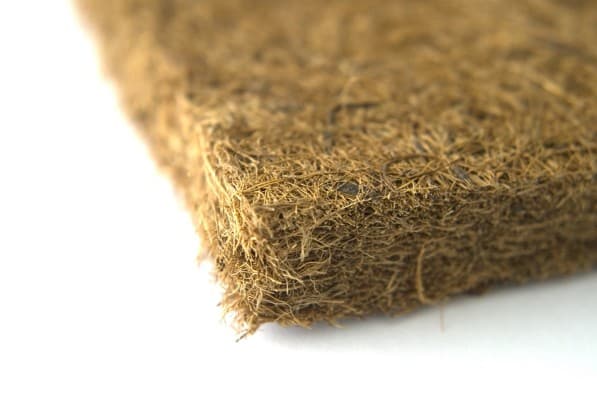
- Cocos InsulationThe cocos insulation material is made from the natural coco fibres and can be used directly below a floating floor. The fibres have a high lignin content and thus a low cellulose content, therefore it is resilient, strong and highly durable. The material provides great acoustic damping and has a levelling effect.
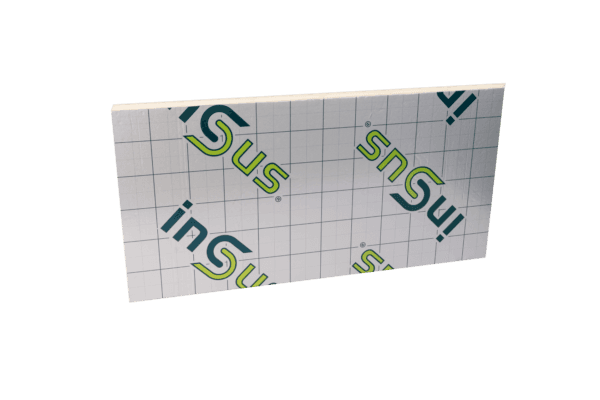
- Recycled PIR insulationHigh-quality PIR insulation with recycled raw materials with a low environmental cost indicator (MKI) registered in the Dutch National Environmental Database (NMD). For use in floors, pitched and flat roofs and cavity walls in new-build and renovation projects.
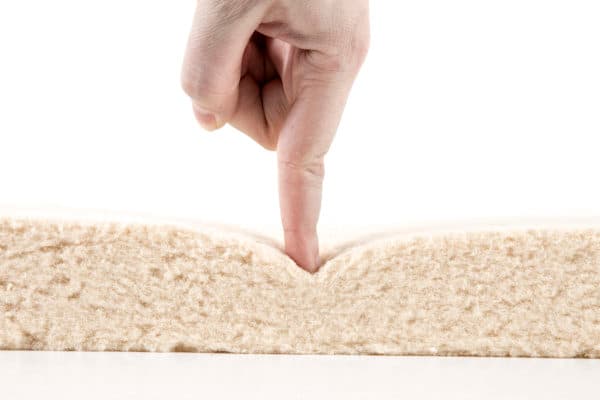
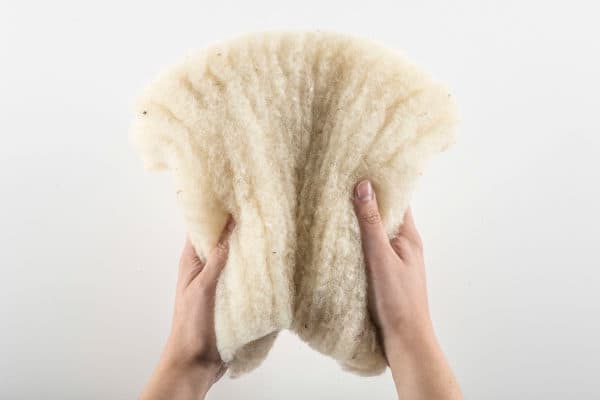
- Daemwool natural wool insulationDaemwool is insulation material made from natural wool. Sheep's wool is an excellent insulation material even when it's damp, so that sheep keep warm in the rain. Wool also provides protection against overheating, thus cooling rooms in summer. In addition, wool is moisturising, acoustic, fire resistant, self-extinguishing, and neutralises harmful gasses and odours.