Search
18 results for “mycelium” in materials
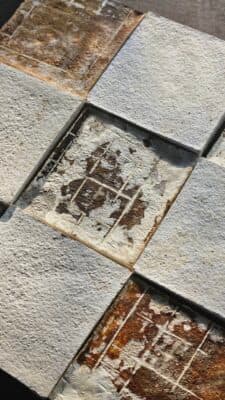
- Mycelium Composite PanelThese mycelium panels are grown with substrate sourced from organic mushroom cultivation waste streams. By upcycling this locally sourced residual material, the production process requires minimal energy and avoids the use of virgin resources, resulting in a low ecological footprint. Shown here are "Shellac coated tipple pattern" and "Laser engraved mycelium network".
- Mycelium (root structure of fungi)Biohm works with over 300 different strains of mycelium to create sustainable alternatives to some of the construction industry’s most damaging materials. Biohm harnesses the power of mycelium - the vegetative filament root structure of mushrooms - to produce materials by growing it through organic and synthetic substrates such as the by-products and waste from other industries.
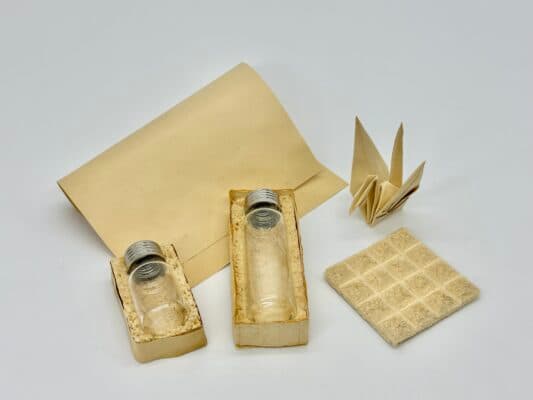
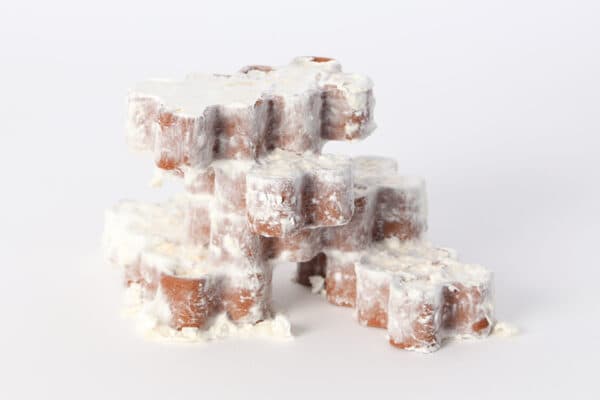
- Fungal Mycelium Foams & FilmsFungal mycelium is a root-like network of microscopic threads that forms the main body of a fungus. By shaping fungal mycelium under controlled conditions, lightweight foams and flexible films are produced, composed of 100% inactivated fungal mycelium, without synthetic binders or petroleum additives.
- Mycelium designGrown's products are made of mycelium and agricultural waste. Mycelium is the network of fungal wires, or mushroom 'roots'. This mycelium acts as a natural glue that can bind a biomass together. Grown's product range includes light shades, coolers, packaging material, insulation, wall tiles and much more.
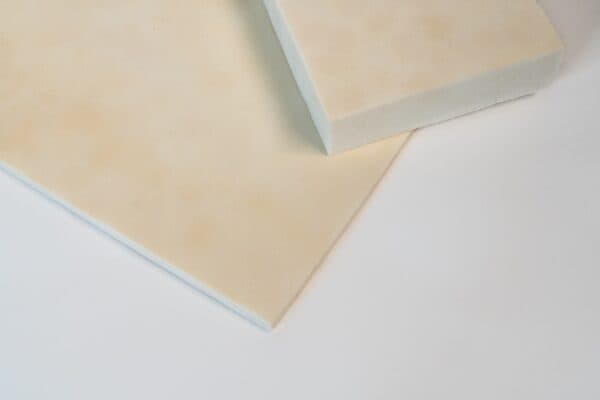
- Mycelium FoamThe foam is made from 100% mycelium, cultivated from aerial mycelium – the filamentous hyphae of fungi. It grows on an organic substrate primarily composed of straw-derived biofibres. The resulting material is a lightweight foam with natural structural stability and cushioning performance.
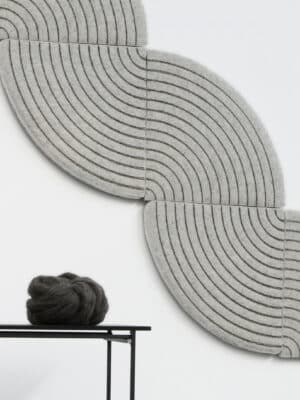
- Mycelium Acoustic PanelsMyconom creates fully bio-based, biodegradable composites by growing mycelium through agricultural and textile waste, forming strong materials without petrochemicals or VOCs. The production process is low-energy and low-carbon, offering a sustainable alternative to conventional plastics. These composites also provide excellent acoustic performance, replacing materials like glass wool and PU foam with a natural, healthy option.
- Lana wool mycelium compositeThe Lana project is an innovative exploration into the potential uses of pre-consumer wool waste, for the creation of mycelium-based composites intended for architectural applications.
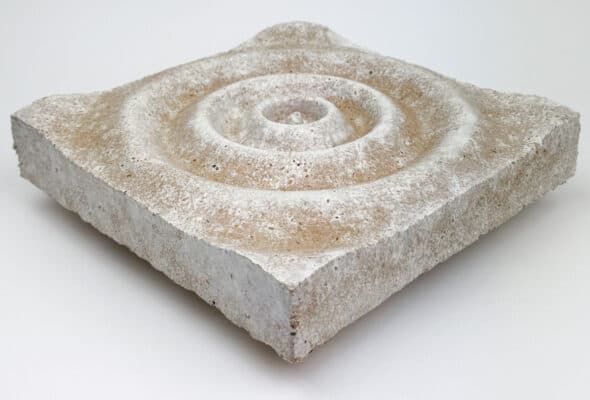
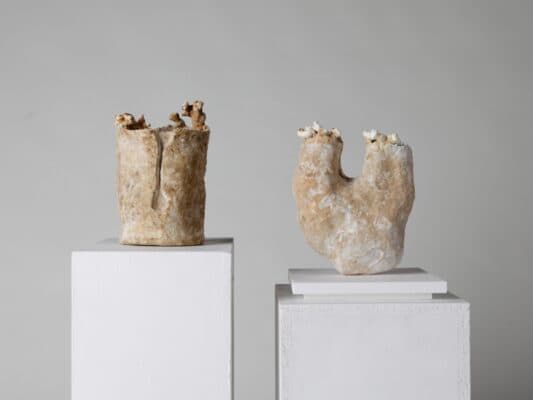
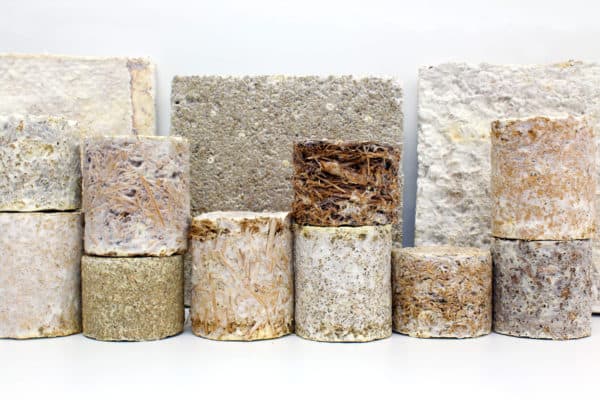
- Sculptural MyceliumMycelium-based composite (MBC), composed of hemp shiv, shredded cardboard, wheat bran and reishi (Ganoderma Lucidum) millet grain spawn. The sample has been grown for 14 days before being released from its mould and allowed to grow further on the previously unexposed faces for 4 days. This creates a uniquely varied surface quality and texture; once dried, the front surface is more leathery, with orange and brown colouration and varied surface texture, while the edges and underside are white and soft like suede.
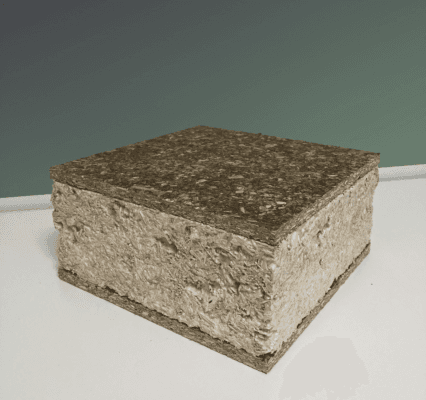
- Hemp & Mycelium Sandwich PanelThe biobased panel combines durable C-Hemp (industrial hemp wood) skins with a mycelium core, offering sustainable strength and thermal/acoustic insulation for modern building needs.
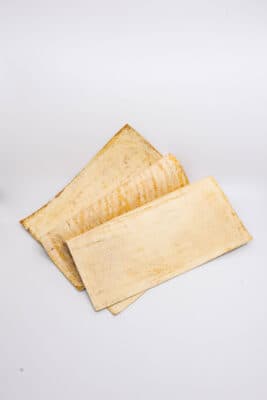
- MYLEAMylea™ is a leather-like material derived from mushroom mycelium, inspired by mycelium tempeh. It is cultivated using local agricultural biomass waste as a nutrient source for the mycelium's growth. Mylea™ naturally exhibits a brownish hue, while black variants are achieved through natural dyeing. The material's structure consists entirely of a natural layer of mycelium fibre, creating a durable and robust bond.
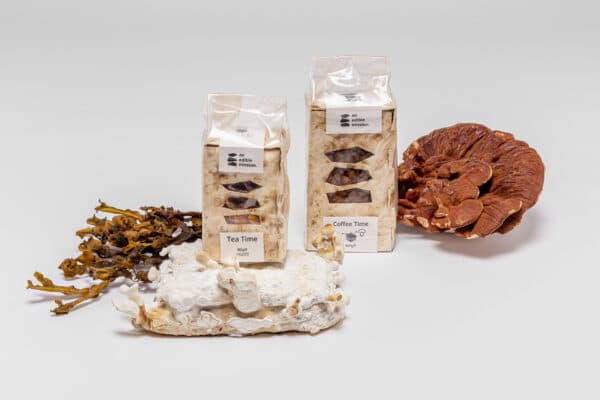
- An edible mission. More than Packaging_This project brings together two earlier material developments and integrates them within a broader concept of health and well-being. By combining mycelium sheets with algae films, a new material perspective emerges—one that balances stability with flexibility, and sustainability with nourishment.
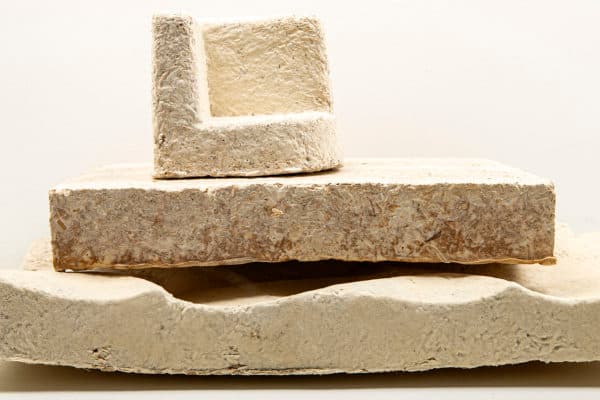
- Mushroom MaterialsEcovative grows materials made from agricultural by- products and mushroom mycelium. Mycelium is a natural, self-assembling glue, digesting crop waste to produce cost-competitive and environmentally responsible materials that perform. Unlike plastics, Mushroom Materials start with plant-based farm waste and can end up in your garden, fully compostable.
- MYXMYX consist of plant fibre and mushroom-mycelium. The material is grown into shape during a period of 2-3 weeks, where the mushroom mycelium grows together the plant fibres into a flexible and soft living textile. After 2 weeks you can harvest the healthy Oyster mushrooms. The waste product can then be dried and used as a lightweight material, that is both organic, compostable and sustainable.
- Mogu PLUMAMogu PLUMA is a new collection of 100% circular, slim wall covering panels, with sound absorbing properties. The distinctive feature of these panels is the complete possibility of customisation, making them not only a valid alternative to normal wall finishes, but also a design product capable of renewing any type of space, without forgetting the technical performance of the mycelium.
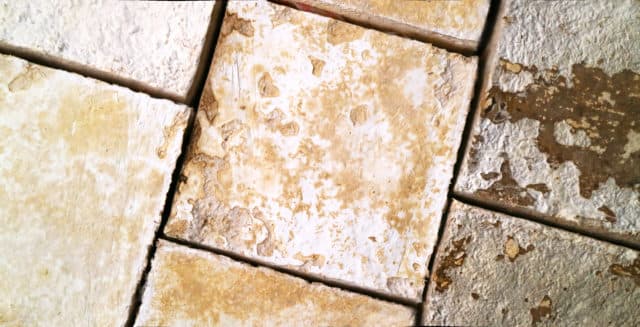
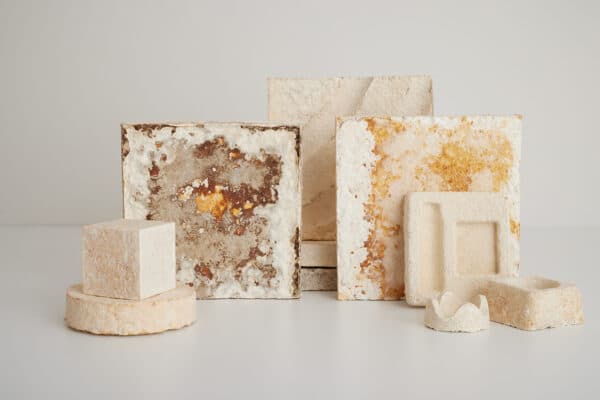
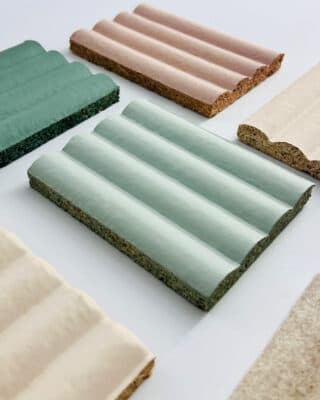
- Mush Art TilesMush Art Tiles are decorative wall elements. The tiles are produced using mycelium, the root-like network of fungi, which grows into lightweight yet structurally coherent forms. Rather than concealing this biological process, the tiles emphasise the organic textures and patterns created during growth, resulting in subtle variations that make each tile unique.
- MyCeraMyCera is a composite material made from clay, wood sawdust and mycelium. Using mycelium as an intelligently oriented fiber reinforcement increases the structural performance of 3D printed unfired clay elements and allows for bio-welding of fired clay elements after assembling.
- BiocompositesBiocomposite is a collective term to refer to fibre-reinforced materials with a natural origin. Basically any material that consists of fibres and a binding component (i.e. resin) can be called a composite. If both the fibres and the resin are extracted from biomass, it classifies as a biocomposite. Preferably residual waste is used to obtain raw materials. Sample mycelium executed by Joppe Weeber, student AKV|St. Not for publication.
- Myco BoardMyco Board is an alternative to engineered wood containing formaldehyde and other structural materials. With Myco Board, Ecovative grows - not glues - materials with natural, rapidly renewable mycelium technology, delivering structural biocomposites that perform without harsh chemical resins. This material is then compressed with heat and pressure into boards or molded shapes.