Search
23 results for “plastic sea” in materials
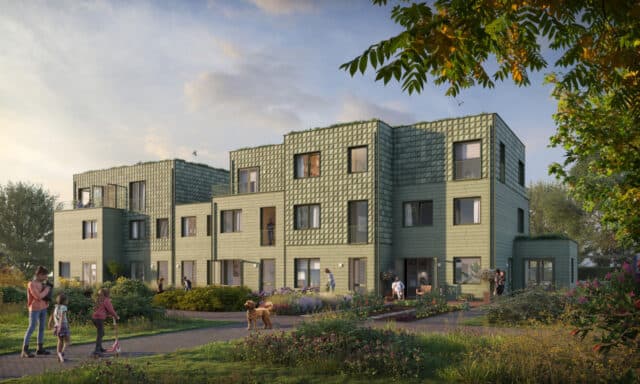
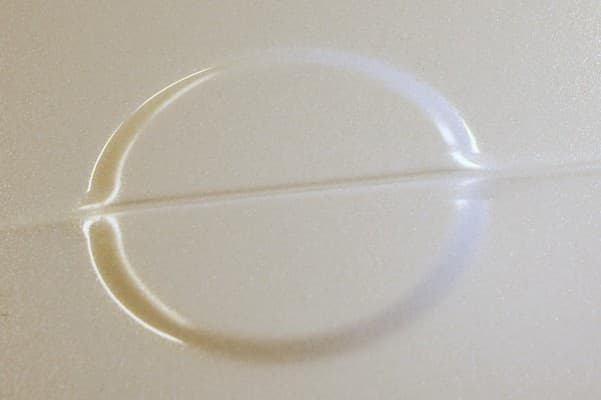
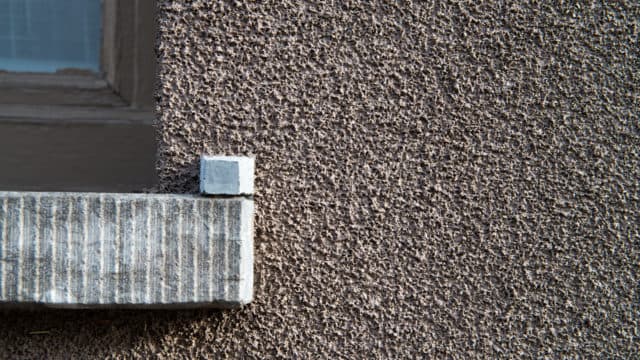
- Basic ThirdLarge-format facade and roof tile with a vertical relief, made from 100% recycled rigid PVC from construction waste.
- Save Plastics Building ElementsSave Plastics transforms locally collected, difficult-to-recycle plastic waste into building products for circular construction. The recycled plastic can be used for elements such as…
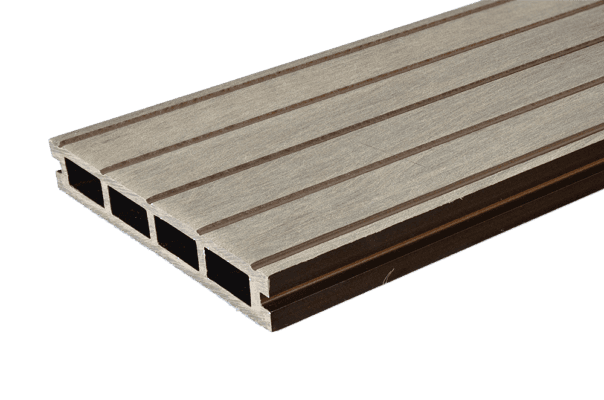
- Plana wood (Husk Plastic Composite)Planawood is a high-performance composite material designed as a sustainable alternative to traditional wood. Made from 60% rice husk, 30% recycled plastic, and 10% performance-enhancing additives, it offers exceptional durability. Unlike natural wood, Planawood is resistant to water, termites, and rot.
- Sparkling PlasticThe Sparkling Plastic Foundation is a local workshop in Den Bosch, the Netherlands, where hard plastic waste is recycled in a sustainable, educational, creative and social way. Sparkling Plastic does this together with students, artists and other creative people, allowing them to not only think about applications for recycled plastic, but also explore and experiment with the material.
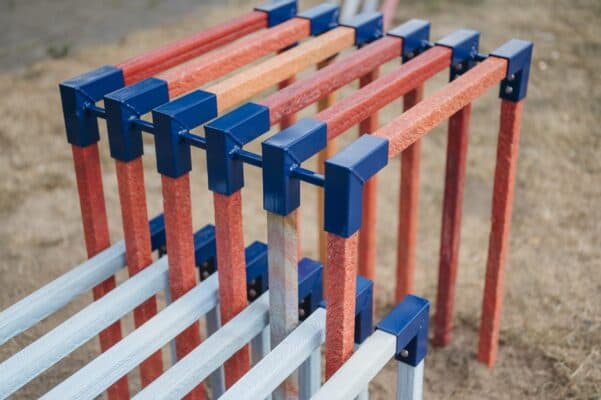
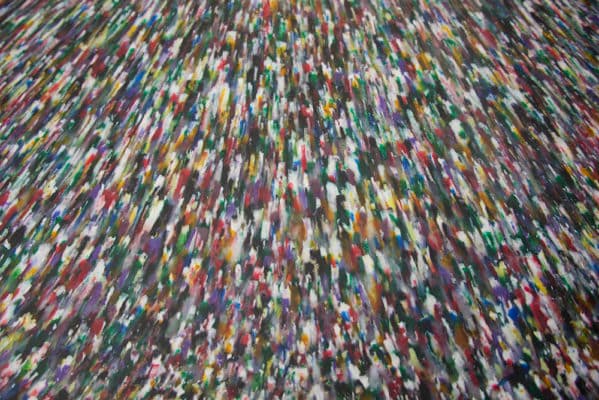
- Recycled HDPEMultifunctional panels made of 100% recycled plastics from post-industrial and post consumer waste. All used plastics are collected, shredded and washed before we turn them into panels. The panels can be customized. Choose from many colours and various designs or patterns.
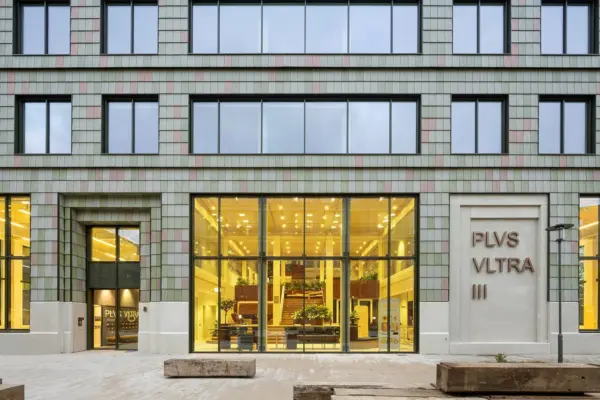
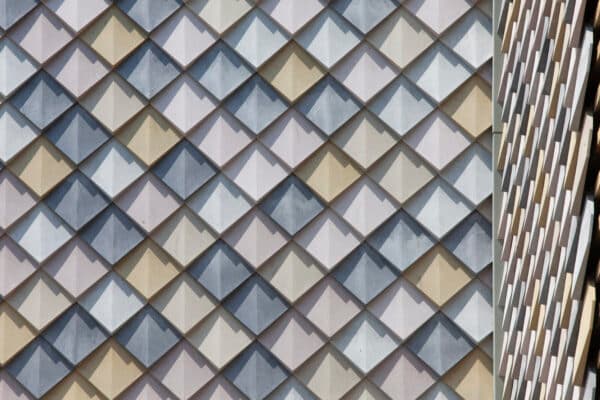
- Second High tilePretty Plastic’s new tile is especially made for prefabricated building procedures and high-rises. With this new tile, Pretty Plastic offers a unique product from recycled PVC that matches the latest developments and regulations for circular building requirements.
- PolygoodPolygood is a surface material made from 100% recycled and 100% recyclable plastic. Its distinctive aesthetics equal the sustainable advantages of this material. The material is composed of polystyrene, derived from post-industrial and post-consumer waste.
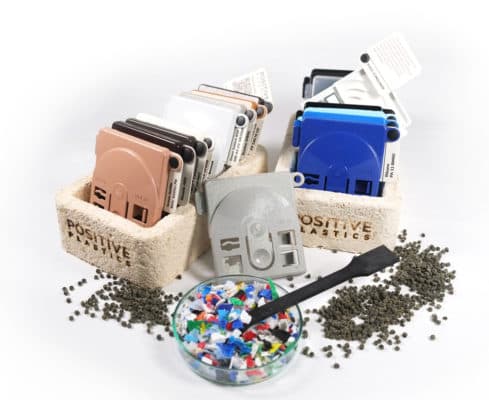
- Positive Plastics KitPositive Plastics, aims to convey a more accepting outlook on plastics to designers, engineers, and product managers. It is an invaluable tool for materials understanding and communication between non-technical and technical team members. This curated kit is a sample collection of various innovative, commercially available polymers, all with a reduced footprint compared to virgin polymers alternatives.
- Pretty Plastic tileThe company Pretty Plastic has developed a tile that consists entirely of recycled PVC building material waste. Because only waste streams are being used in the production process every tile is slightly different, which gives façades a natural look. The tiles are fully fireproof certified and can be applied on any building.
- NuatanNuatan is a 100% biobased, biocompatible and biodegradable plastic. The material is petroleum free, and consists of cornstarch, sugar and cooking oil. Essentially, it’s a blend of two biopolymers, Polyacid Acid (PLA) and Polyhydroxybutyrate (PHB). The material can be formed by injection moulding and 3D printing, biodegrades in 90 days in an industrial composter and is safe to eat.
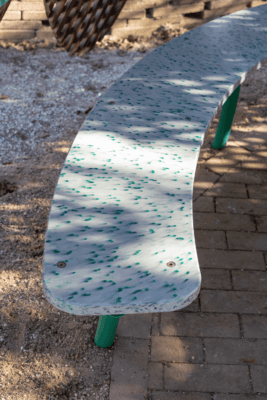
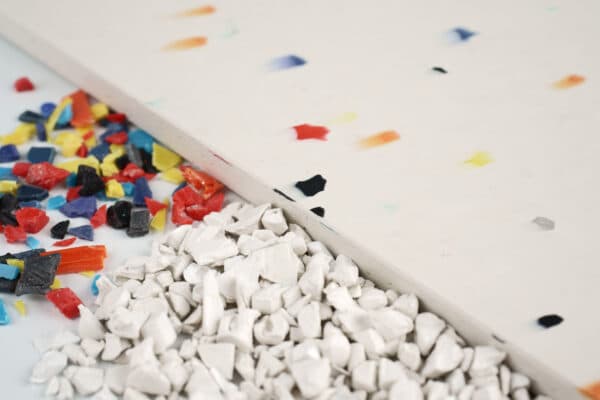
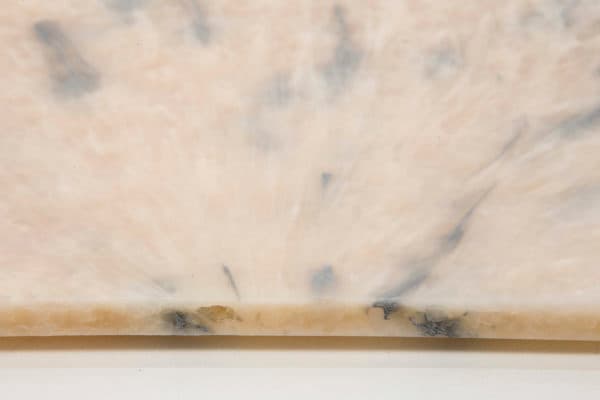
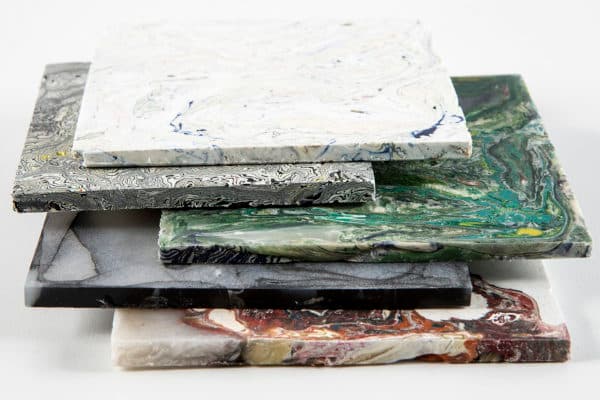
- Dapple Smile PlasticsSmile Plastics makes recycled plastic sheets from shredded industrial foodstuff containers, mixed with some of their own factory scrap. They add the coloured veins in the recycling process. Samples vary according to where they were cut from the sheet.
- SheerfillA range of tough materials for membrane surfaces in permanent structures. Sheerfill uses a composite which is made of fibreglass and polytetrafluoroethylene (PTFE). It is available with a self-cleaning and purifying topcoat. Standard availability is white with custom colours on request.
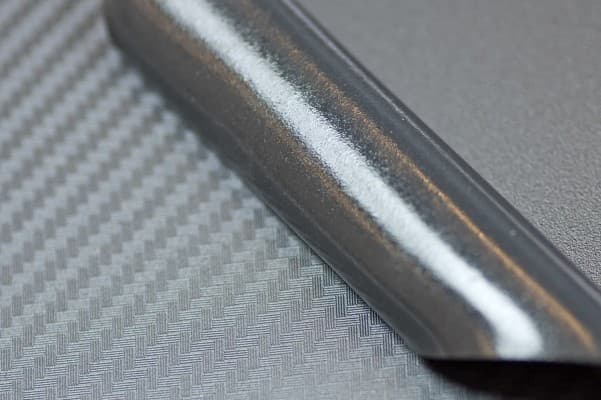
- Mould TexturingThe various mould texturing possibilities of Pel plastic include finishes with geometrical effects, imitation wood and leather patterns. Multi-level, laser and graphite engraving technologies are available along with polishing, nickel-plating and chrome-plating to create nearly any effect desired.
- AlpolicAlpolic is a composite material made of aluminum and plastic. The lightweight material is composed of thermoplastic core sandwiched between two skins of aluminium. Top coated with fluorocarbon paint and backside with a wash coating.
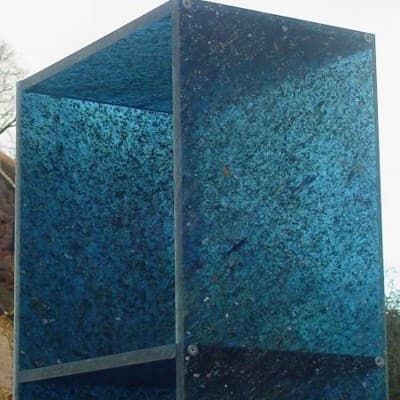
- CDConfiscated illicit CDs are crushed and dispersed in a pale blue transparent polycarbonate material that we have recycled from blue, cold water drinks containers.
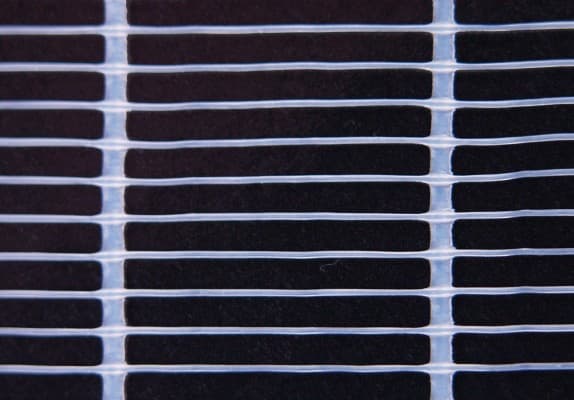
- ReboundDesigned to satisfy the need for flexibility to fit unique body types, Rebound plastic netting is tailored for products that need to be worn without restricting range of motion. The elastomeric properties create a stretch-engine that allows materials like polypropylene that are not stretchable to stretch.
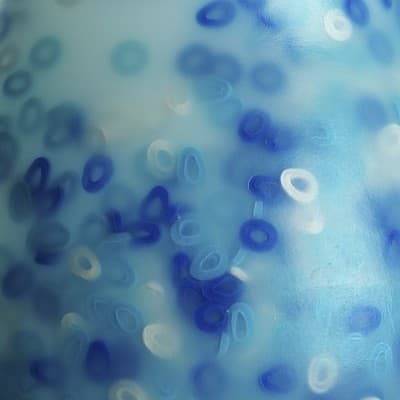
- Proud PlasticsProud Plastics initiated an experiment with rotation moulded material. Several types of particles were applied to the basic material in the mould. Aim of Proud Plastics is to stimulate designers to go into the kitchen of plastic production.
- Plastic Stone TilesThese so called Plastic Stone Tiles consist of postconsumer plastic waste. Designer Enis Akiev researched how plastic behaves in nature and found it forms plastiglomerate under certain natural influences, combing geological components with an artificial material. The tiles are the result of an investigation of how lightweight post-consumer plastic packaging could be turned to look like natural stone.
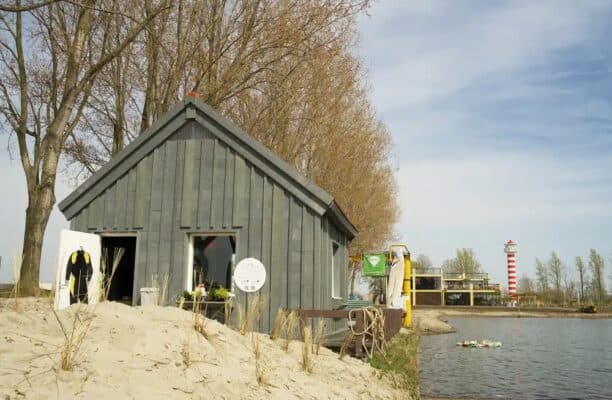
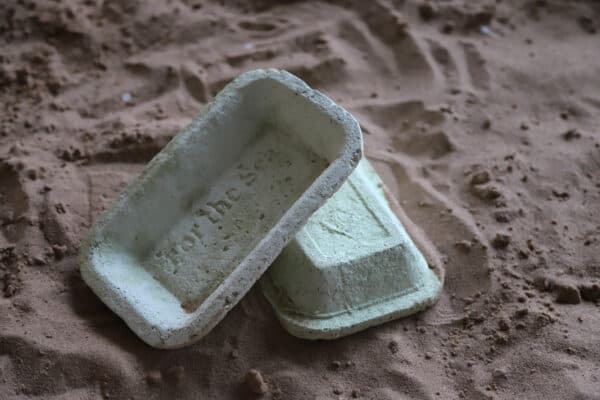
- For the seaThis project tackles the issue of Ocean Acidification from the root of CO2 emissions by replacing fossil fuel-based materials used for beach activities objects with pH-neutralising (adsorbing) natural reclaimed materials (oyster shells), natural CO2 absorbing minerals (Olivine) and natural seaweed binders, which not only cuts down CO2 emissions but also has the added value to help regenerate ecosystems at the end of life of the product.
- OceanicSaving our ocean one bottle at a time, each metre of Oceanic is woven from yarn made from 26 plastic bottles. Delicately dyed using cationic yarn, this multi-tonal textile combines and contrasts a light warp with a deeply saturated weft. With an intricate twill weave, this visual detail creates a subtle pattern - enhancing both the considered colour and careful construction of the fabric.
- DichrolamDichrolam is a color - changing laminated glass like dichroic glass without the cost or size limitation. Clear Dichrolam can diffract light, and opaque Dichrolam can be tiles to tables.
- DECOPROYEC SPRAY CORKDecoproyec spray cork and cork paint combine recycled natural cork granules together with a water-based polymer binder to obtain an elastic surface protection and…
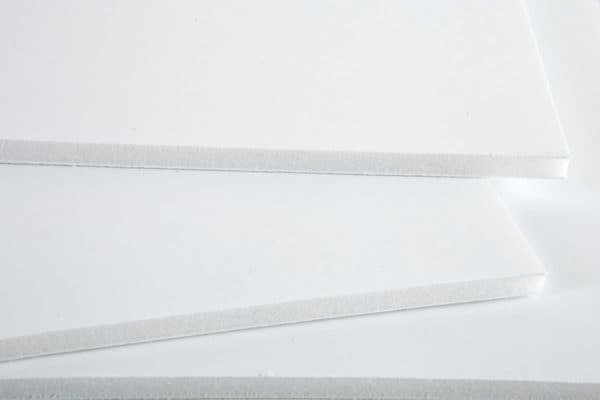
- BioLaminilThe BioLaminil panel does not contain glue and it is laminated by heat with Kraft paper, which is compostable. The foam inside the panel is polystyrene (XPS), which has been modified by adding a mix of bacteria during the extrusion process. Once the material has been disposed of in the landfill or accidentally lost in the environment, the bacteria inside is activated and begin to “digest” the foam.