Search
10 results for “textile architecture” in materials
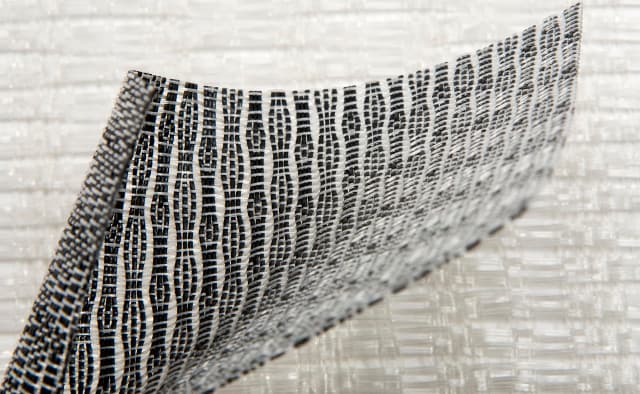
- Kova TextilesKova Textiles create uniquely textured solar window fabrics with vinyl coated polyester yarns and KovaLux proprietary filaments. When light passes through a Kova fabric, it dissolves into a diaphanous surface - sheer, yet not transparent - translucent, but not opaque. These textiles work well as wall hangings, room dividers or in any application where light, either natural or artificial, can pass through the fabric.
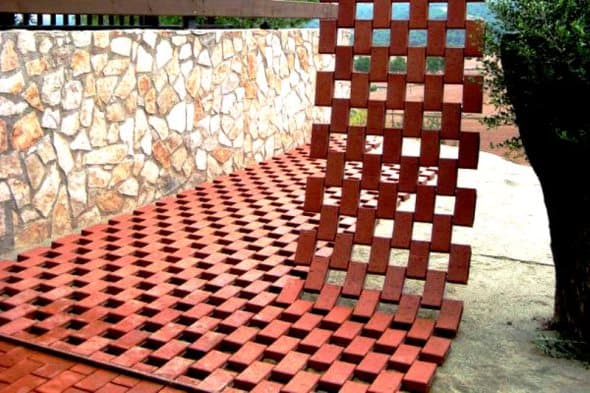
- Ceramic TextileCeramic textile is an innovative industrialized system based on an interwoven steel wire mesh, which is enclosed in a mosaic of ceramic clay tiles stacked in horizontal and vertical bands. Its main advantage is that it provides us with an ancient material in a new format that improves on traditional manual piece-by-piece installation.
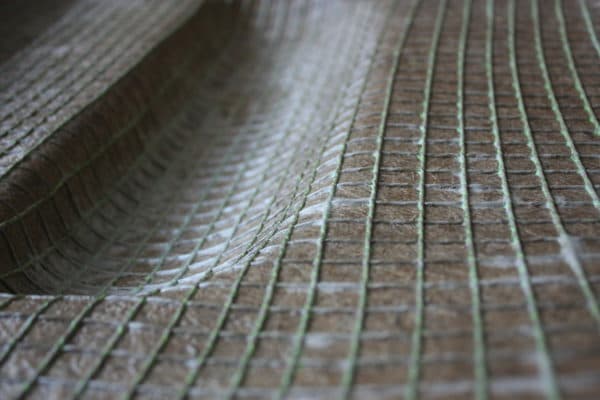
- Bcomp TextileThe most viable structural fibres used in these architectural textiles typically derive from specifically grown textile plants and fruit trees. Natural fibres are subdivided into bast fibres (flax, hemp and kenaf) and leaf fibres (sisal, pineapples and henequen), grass fibres (miscanthus), straw fibres (corn and wheat), seed fibres (cotton and capok), wood fibres (pinewood) and fruit fibres (coconut).
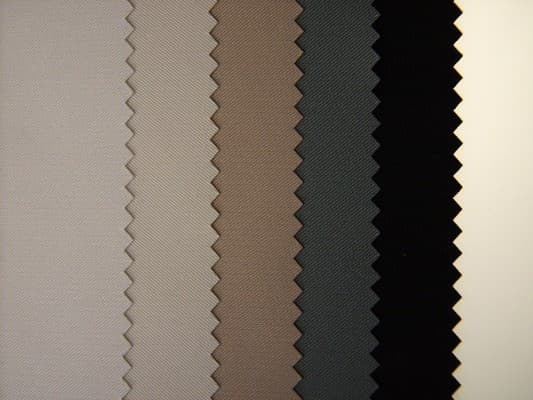
- Markspelle textilesThe design philosophy of Markspelle combines simplicity, playfulness and colour into innovative textile designs. The functional features of textiles are just as important as their esthetical value, featuring fire resistance, wash-ability and durability.
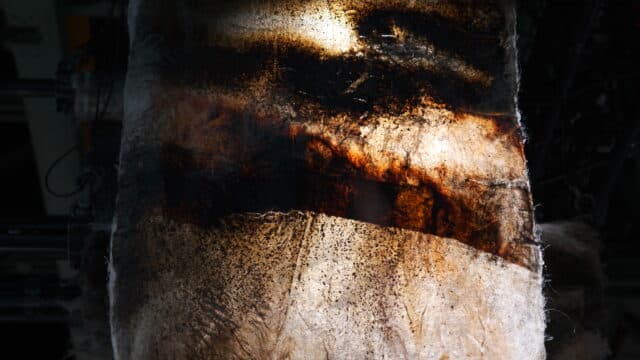
- PSYCHEDELIC TEXTILESPsychedelic Textiles is a bio-based material collection designed for sustainable applications in interior and architectural spaces. It is intended for use in high-end architectural projects, including luxury hotels, museums, and large-scale installations, where both aesthetics and environmental considerations are essential. Psychedelic Textiles is an ongoing material research project exploring the intersection of natural materials and design innovation.
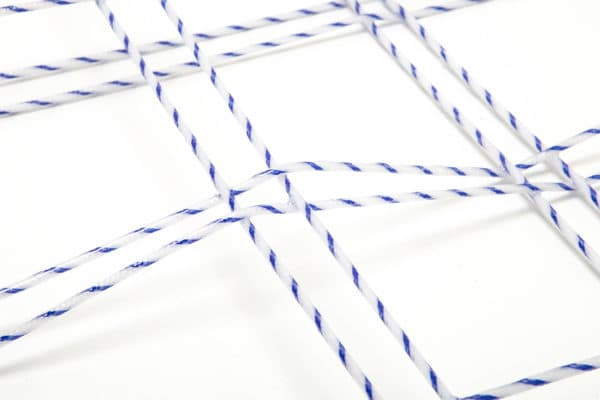
- Standing textilesThe strong and sturdy structure gives the suggestion of a solid volume, but the lack of support and hollowness make them seem on the edge of breaking. The volumes are built up, thread by thread, on a custom-made weaving loom.
- SEFAR ARCHITECTURE INTERIOR/EXTERIORSefar Architecture is a high-performing line of interior and exterior fabrics that achieve light transmission rates of 90%. The transmitted light contains a high proportion of scattered light, providing balanced illumination and giving the impression that the fabric is a light source. Lightweight, UV-resistant and sound absorbing, these high-performing fabrics are an ideal material for tensioned fabric structures.
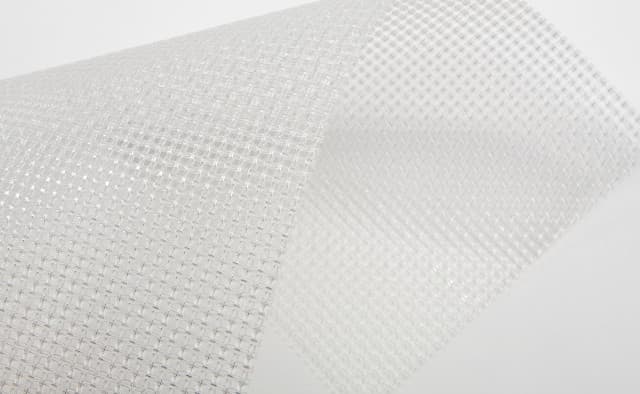
- Sefar Architecture FabricsThese Sefar architecture fabrics are made of synthetic fluoropolymers. Due to special finishing and coating techniques, the fabrics have a high UV durability without fading. All fabrics in this range are highly flame-resistant producing nearly no smoke and are free of burning droplets.The material achieves a light transmission rate of > 90%.
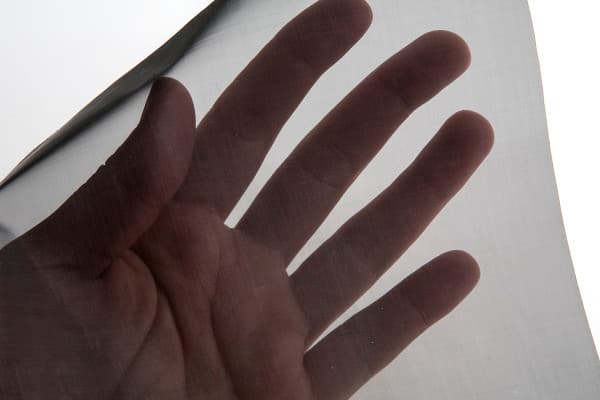
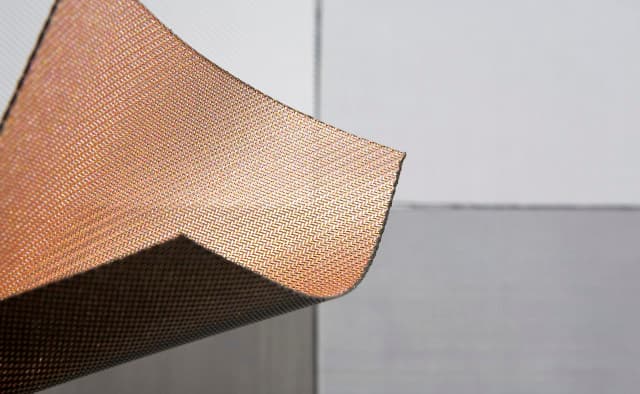
- Sefar Architecture VisionThis open weave fabric is finely woven from black PET (polyester) fibres and coated on one side with a layer of metal measuring 140 micrometers. Possible metal coatings include aluminium, titanium or gold, while the reverse side is black in colour. The metalised fabric side can optionally have a copper, gold or special design printed on it.
- Tactile textiles in faced panelsIn interior architecture DecoLegno sees an increase in the use of tactile materials. They have a positive effect on the acoustic climate, and create…