Search
17 results for “waste” in materials
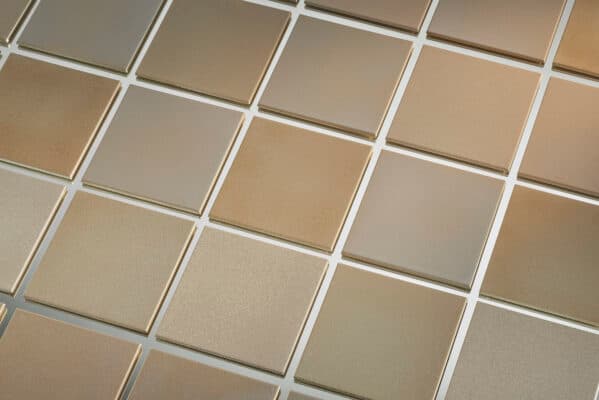
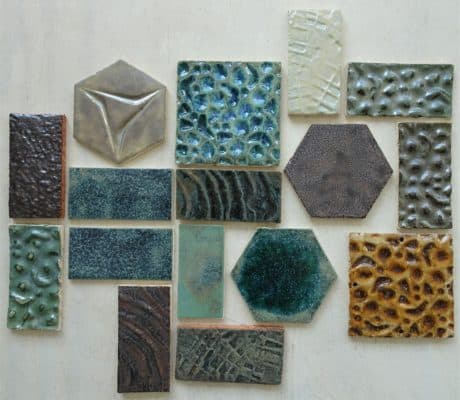
- Biofuel Waste is BlissThe Biofuel Waste is Bliss project redefines the use of ashes from bioenergy waste streams, creating new environmentally-friendly materials and architectural products, such as ceramic glazing for tiles and bricks. By incorporating up to 55% ash content in ceramic glazes and clay bodies, the project aims to replace the need for newly extracted materials while reducing the industry's CO2 footprint.
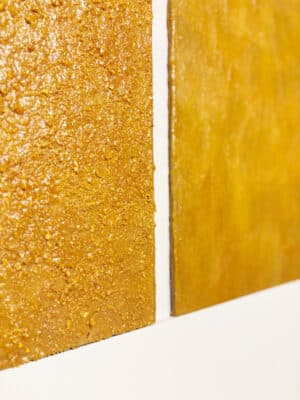
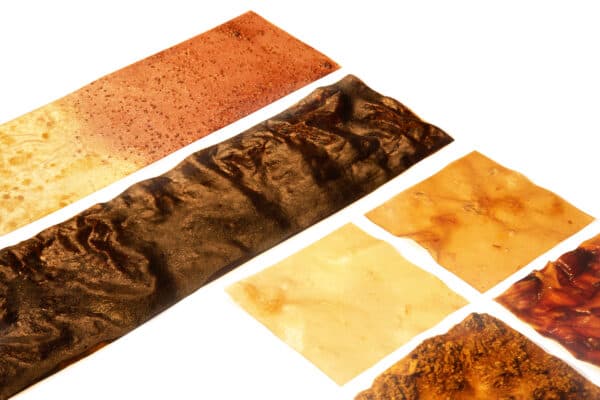
- Orange Peel Waste TilesOrange Peel Waste Tiles transform citrus peel residues into vivid, tactile biomaterials full of texture and visual warmth. Each piece embodies playful variations in colour and structure, balancing material experimentation with craftsmanship. The tiles can be pressed or cast to achieve a range of densities and surface finishes, from matte to glossy.
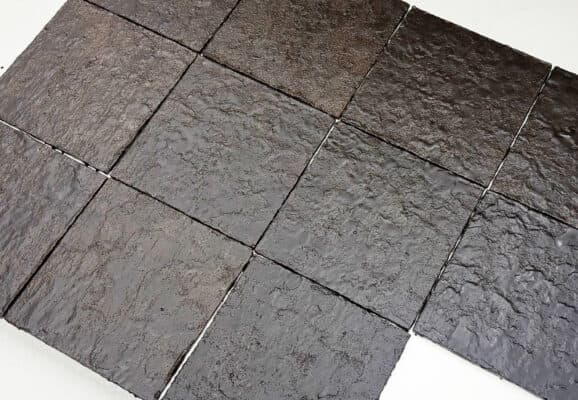
- Coffee Waste TilesCoffee Waste Tiles are made from locally collected coffee grounds bound with natural bio-resins. The material celebrates the tactile warmth and depth of roasted coffee, evoking sensory and visual connection to its origin. Each tile is handcrafted, with variations in tone and surface revealing the natural irregularities of the material.
- Paper Waste PanelPaper Waste Panels are an innovative interior finishing material crafted from repurposed industrial fibre waste. They are made primarily from cellulose fibres that have…
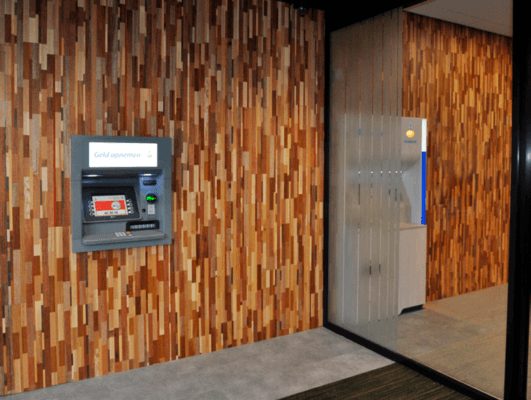
- No-Waste® WallThe No-Waste® Wall by HERSO is a circular wall cladding system produced from post-consumer wood streams. Reclaimed timber is reprocessed into interior wall panels, giving previously used wood a renewed function as a decorative and architectural surface. The construction consists of a 4.5 mm No-Waste® top layer bonded to an FSC-certified backing board using formaldehyde-free adhesive.
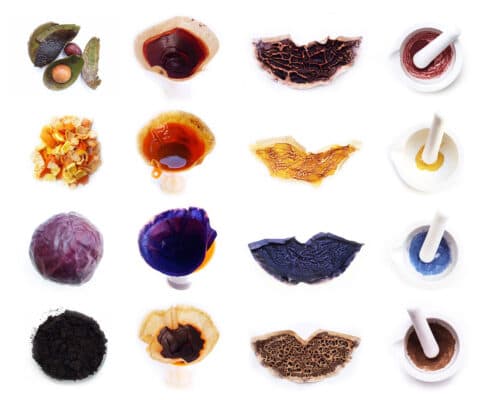
- Food Waste PigmentWith her graduation project, The Colour of Waste, Sara van Laerhoven wanted to go back to basics and show how special and beautiful colour can be and that it can be natural. By using material research, she found a way to make a natural alternative to synthetic inks to use in graphic workshops. This alternative is made from food waste. In this case from coffee grounds, avocado seeds, red cabbages and orange peels.
- Clean Air City Ceramics – waste glazesFrom 2017 SCJ started looking into the possibilities of integrating waste materials in the glaze recipes, besides the already known custom of reusing leftover material from the production process. The glaze of Clean Air City Ceramics is composed with captured particulate matter from industrial working environments.
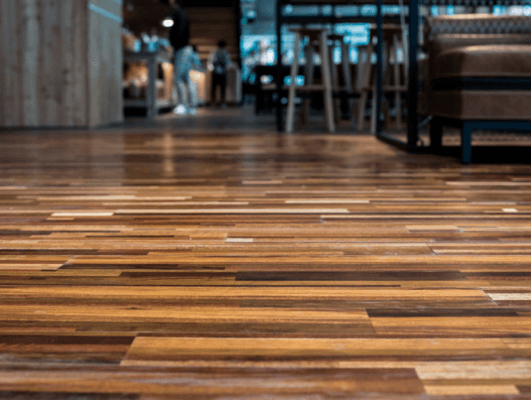
- No-Waste® FloorThe No-Waste® Floor was originally developed for the circular “Circl” pavilion of ABN AMRO in Amsterdam. The material composition is based on post-consumer wood, including reclaimed window frames, doors, staircases and former floorboards. Additional reclaimed sources, such as timber from demolished buildings or municipal recycling centres, may also be incorporated, depending on availability.
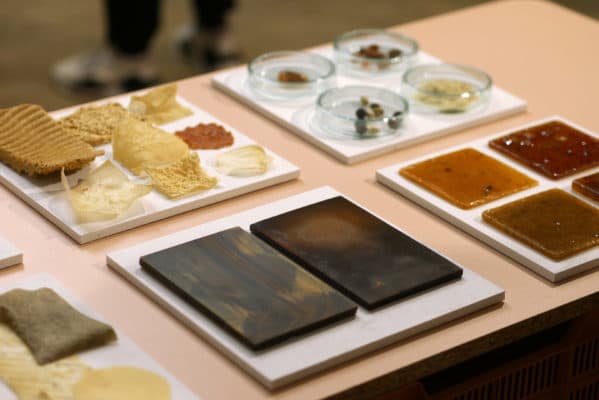
- Bioplastics from Organic WasteRotterdam based architect and designer, Anna Vershinina, has developed an extensive series of bioplastics made from organic waste. Depending on the ingredients, their concentration and preparation methods, one can create bioplastics with specific characteristics and sizes.
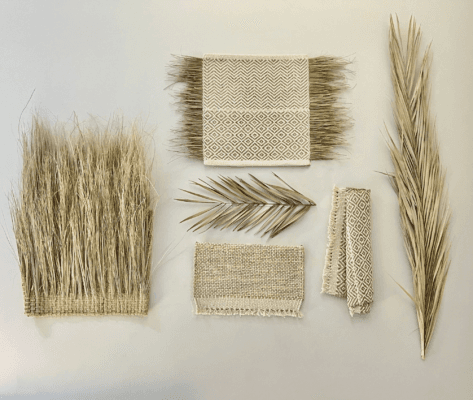
- Wall Date – Textile from Date Palm Leaf WasteWall Date is a textile project that transforms agricultural waste from date palm cultivation into a biodegradable and compostable material. The textile combines processed date palm leaves with post-industrial surplus yarn. The woven body features graduated pink tones, while untreated palm leaves form the fringes, preserving their natural texture.
- Amber Waste is BlissAgne Kucerenkaite makes bioplastics and biocomposites with the residual flow from the production of jewellery and small objects made of amber. Amber is high-priced, but tonnes of amber dust disappear down the sewer because the industry sees it as a low-grade material.
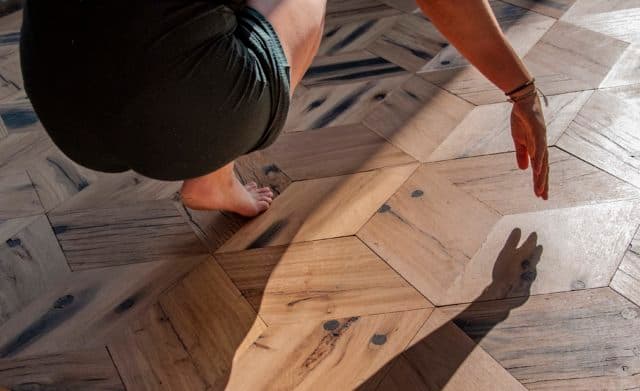
- No Waste TracksHet Groene Kabinet considers reuse of supreme importance. Reuse of raw materials is the foundation of a circular economy. The floor tiles are of a high-quality, circular and modular. They have beautiful geometric shapes with a top layer of reclaimed hard wood. The carrier is made of high-quality birch plywood. The tile is finished with a new plant based product by DSM. Due to their stable and modular nature, these tiles can be used for decades in various projects.
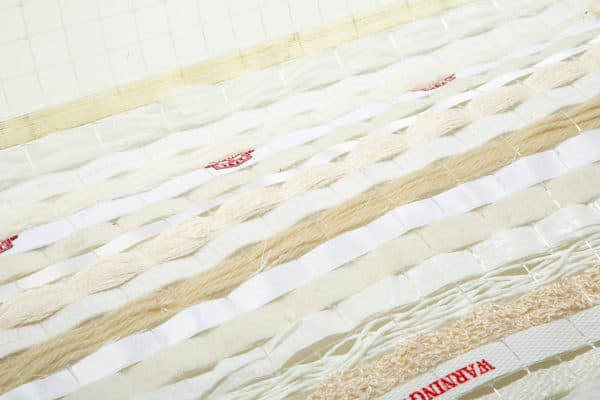
- Blinds made of waste materialThe blinds for windows and the room dividers have a transparent look: the daylight can play with the material. All the pieces are unique, even personal items can be used in the weaving process. The yarns, ribbons, shoelaces, cords, rubber, leather, plastics, copper, wool, cotton, zippers, velvet, flax and even shower curtains are all collected and found or received.
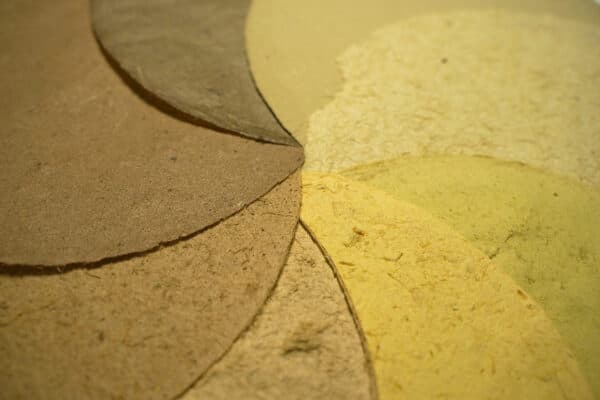
- IAS Wasted PaperLaboratory handsheets of paper made from the residue of vegetal Invasive Alien Species (IAS): Eucalyptus globulus, Tradescantia fluminensis, Arundo donax and Phytolacca americana. The paper is susceptible to be industrialized in order to create a sustainable and biocompostable material. No additives or toxic-chemical compounds are added.
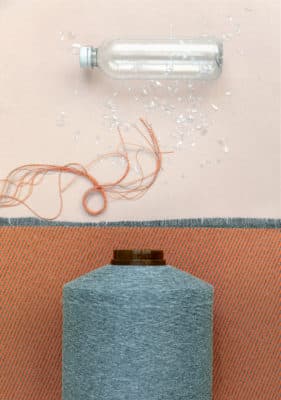
- Recycled plastic waste upholsteryAs part of its dedication to researching new alternatives and exploring future materials with an eye to sustainability, Vescom has gone back to the…
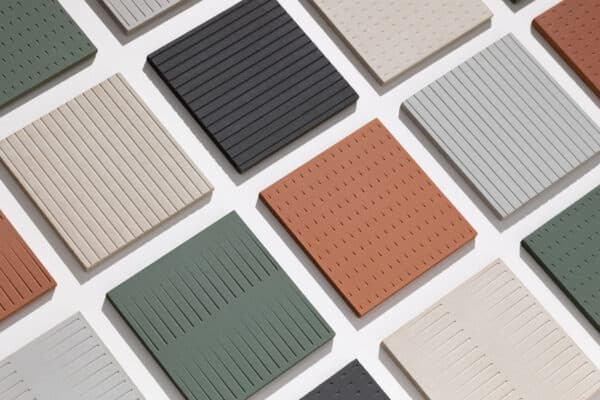
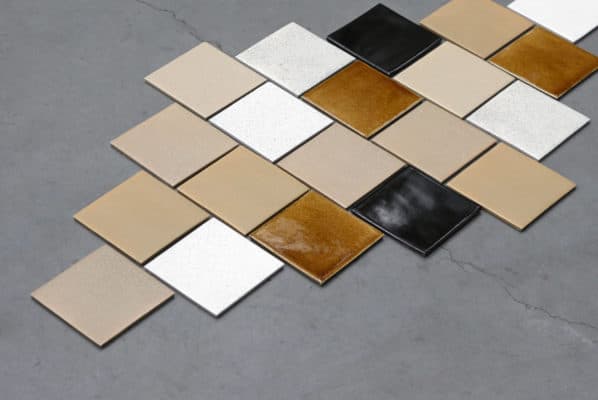
- Ignorance is Bliss ceramic tilesIGNORANCE IS BLISS is an ongoing project about reincorporating the value of metal waste by applying it as a pigment from industries such as drinking water supply and soil remediation into new valuable products and methods. As a result of broad-scale material research and prototyping, one outcome is ceramic tiles, which are coloured purely using 100% industrial metal waste.
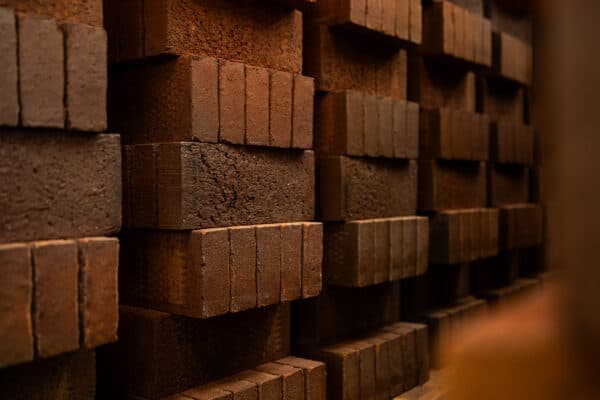
- Waste Based BrickWasteBasedBrick by DC Bricks is a facade brick partly produced from ceramic waste materials. By incorporating waste streams as raw materials, the product contributes to resource efficiency and supports circular construction practices. The WasteBasedBrick is available both as a traditional brick and as WasteBasedSlip, enabling consistent visual appearance in applications requiring either full bricks or slips.