Search
291 results for “waste”
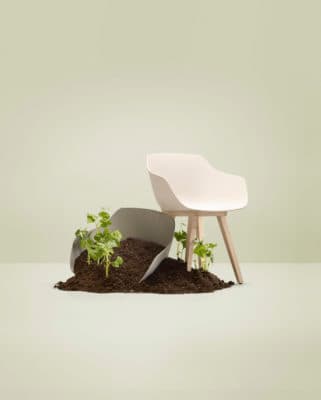
- Sitting on sustainable seatsWhether it is in the office, in a car or binge-watching your favourite show, sitting is a large part of our life. While sitting…
- Pine Bark, Amber Dust and Coffee Grounds: Baltic Biomaterials at Dutch Design WeekAt Dutch Design Week 2026, the Vilnius-based Biomaterials Library shows biomaterial samples, prototypes and design objects by Lithuanian and Baltic creators, made from local side streams such as pine bark, amber dust and coffee grounds.
- Difficult-To-Recycle Textiles Find New Use In Technical BoardsGalician companies BIRDMIND and Insertega are exploring how textile waste that is unsuitable for conventional recycling could be used in technical boards. The collaboration…
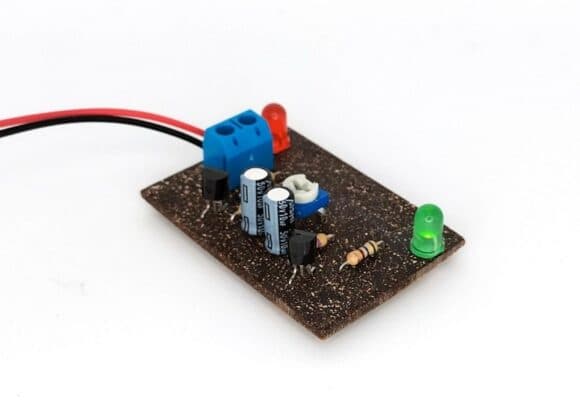
- Compostable Fungal Circuit Boards Offer Circular Alternative to Conventional PCBsElectronic waste is one of the world's fastest-growing waste streams. Millions of smartphones, computers and electronic toys reach the end of their lives every…
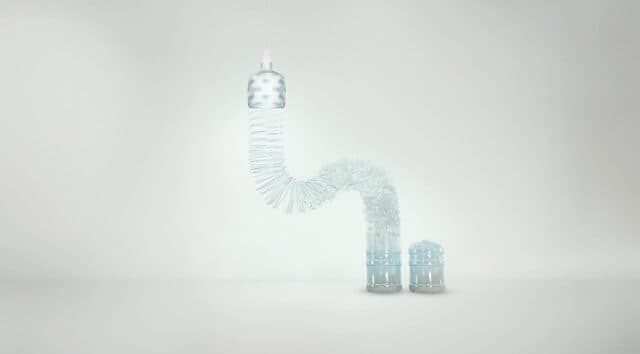
- Water Blue Collection: Sustainable Lighting Solutions Inspired by Recycled Water JugsPhilips MyCreation has launched the Water Blue collection, a groundbreaking range of lighting solutions that exemplify sustainability and creative design. Crafted from repurposed water…
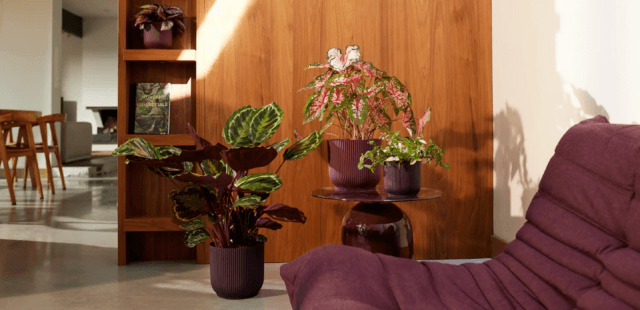
- Recycled Vineyard Plastic Finds New Life in Eco-Friendly Plant PotsIn a notable example of sustainable material reuse, Maastricht-based company Healix has collaborated with Elho, a brand specialising in innovative plant pots, to create…
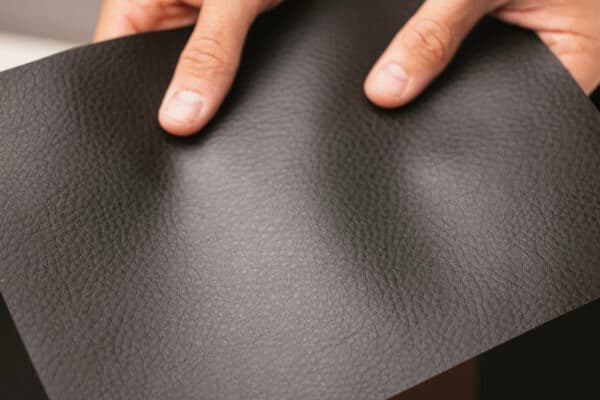
- Treekind®Treekind® is a low-carbon, waste-based alternative to leather that is completely free of plastics and harsh chemicals. The material is made for the mainstream market using urban plant waste, agricultural waste and forestry waste.
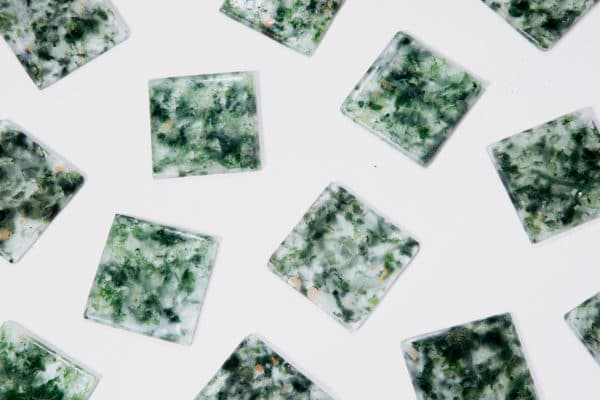
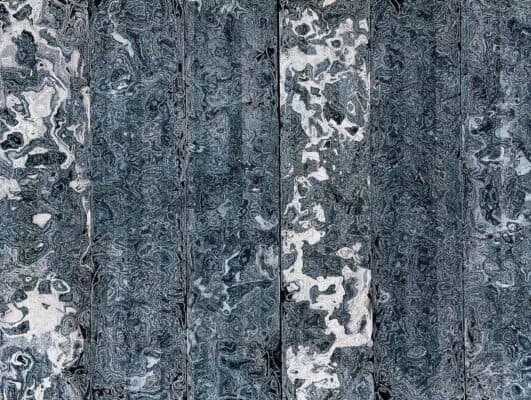
- Common Sands – ForiteCommon Sands – Forite evolved as a collaborative research project between Studio Plastique, Fornace Brioni and Snøhetta, with the aim of exploring the potential applications of recycled E-waste glass. Made from recycled glass from microwave ovens, the tiles have been developed in two different sizes. The tiles are both opaque and transparent, each with a unique pattern and expression.
- What not to miss at Dutch Design Week 2022 part 1Dutch Design Week 2022 takes place from 22 to 30 October in Eindhoven, the Netherlands. MaterialDistrict lists some of the most innovative material projects…
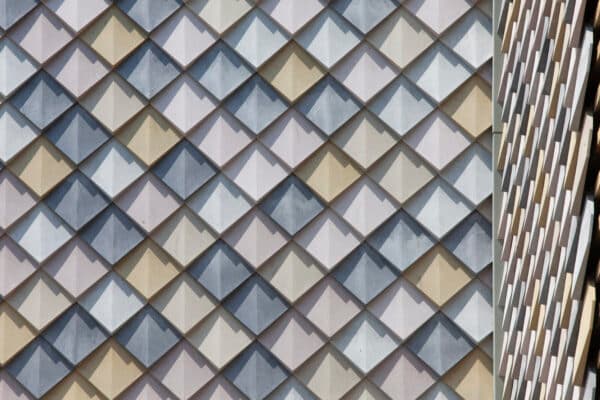
- Pretty Plastic tileThe company Pretty Plastic has developed a tile that consists entirely of recycled PVC building material waste. Because only waste streams are being used in the production process every tile is slightly different, which gives façades a natural look. The tiles are fully fireproof certified and can be applied on any building.
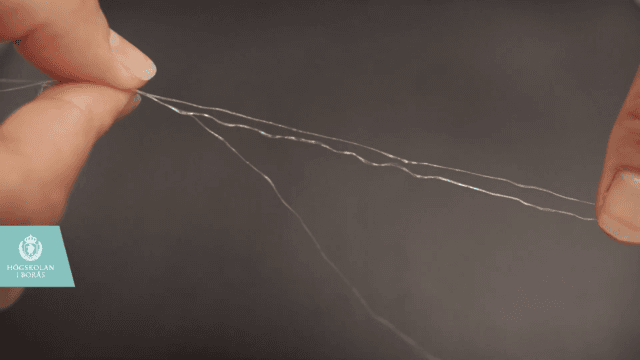
- From old bread to new yarnResearchers at the University of Borås in Sweden developed a method to create yarn using waste bread and fungi. Bread waste takes up a…
- Acoustic panels made of tumble dryer lintFor her project Pursue Play, designer Lisa McLaughlin developed acoustic and insulating panels made of waste foam, cork and tumble dryer lint. The Pursue…
- SASMINIMUMBy 2050, if we do nothing, there will be probably more plastic than fish in our oceans. It is already estimated that more than…
- Material highlights at Dutch Design Week 2018 part 2Dutch Design Week takes place this year from 20 to 28 October. As always, the event focuses on designs of the future. Sustainability is…
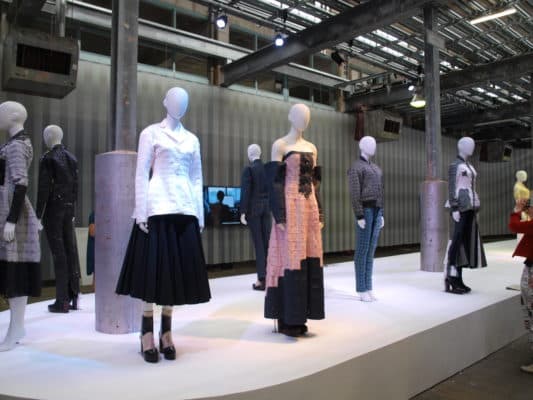
- A future for sustainable fashion? Materia at State of FashionFrom 1 June until 22 July, the first ever State of Fashion is held in Arnhem, the Netherlands. Materia went to check out the…
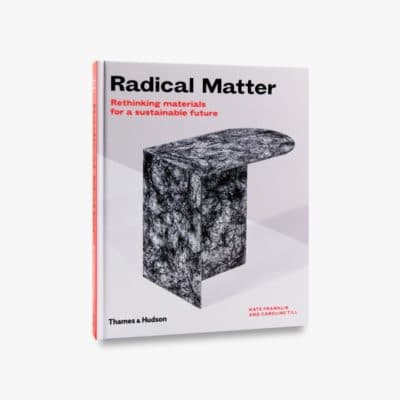
- Radical Matter: materials for a sustainable futureGlobal warming, plastic soup, deforestation and resource depletion, with all the doom and gloom in the news, it is clear that we can no…
- Jute Wall tilesLaura van de Wijdeven used a waste material from Forbo Flooring to create wall tiles. The tiles are made of 50% Forbo jute fibre and 50% porcelain plaster. Jute fiber is the only waste material in the production process of Forbo linoleum. By combining it with porcelain plaster, the fibres is transformed into very strong tiles with distinct patterns.
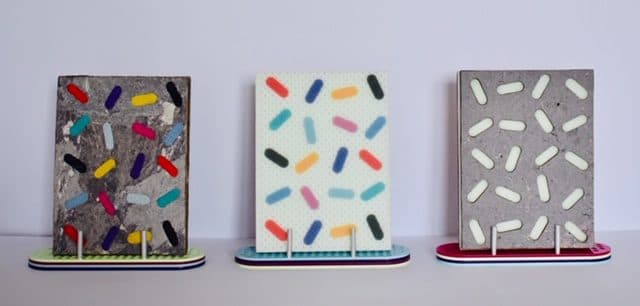
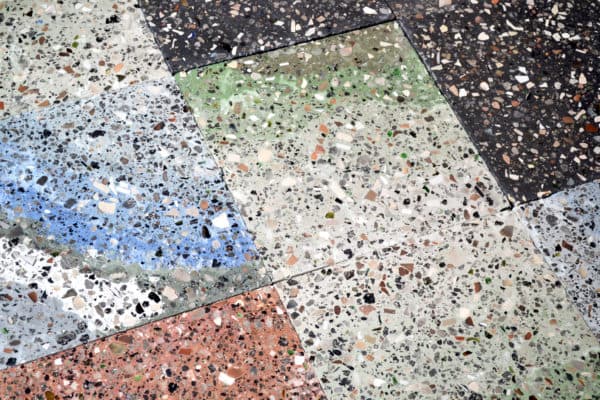
- 850°C Ash concreteWaste is burned in incinerators at 850 degrees Celsius (1560 degrees Fahrenheit). What remains at the bottom of the incinerator are chunks of unburned material and ashes, called bottom ash. Dutch designer Carmen Reus discovered this ash can be added in terrazzo. The surfaces give an impression of the things that we throw away and show the remnants of our throw-away society.
- Industrial Concrete By-Products Reimagined As Interior DesignLithuanian initiative OFF___RAW is demonstrating how industrial waste can gain a second life through design. The project works with local factories to identify defective…
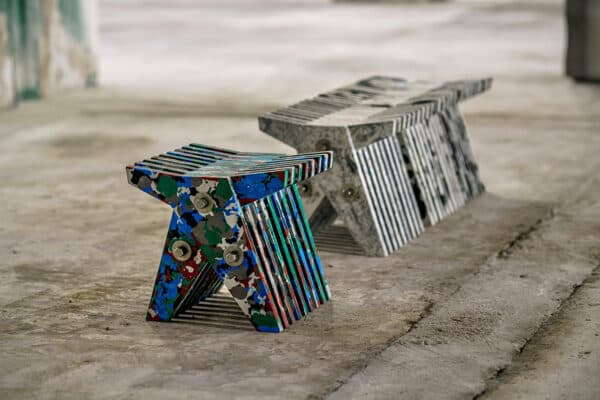
- Recycling Fly Ash Into High-Performance Outdoor FurnitureChinese design studio Bentu Design explores the potential of industrial waste through material-driven products for architecture and public space. With its ‘X’ stool, the…
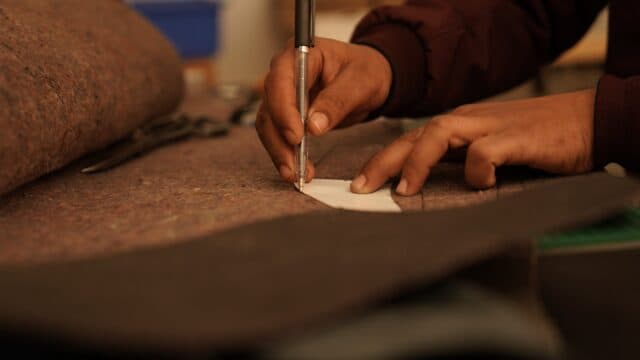
- UNWASTE™ – Cushioning from Post-Consumer TextilesUNWASTE™ is a cushioning material developed by A BLUNT STORY as an alternative to conventional plastic-based foams used in footwear uppers. It uses 100% post-consumer garment waste that is unsuitable for resale or conventional recycling. Mixed and damaged textile waste is processed and transformed into a cushioning material for lifestyle footwear, diverting it from incineration or landfill.
- DenimoliteDenimolite is an engineered composite material derived from repurposed denim waste, including manufacturing off-cuts, discarded garments, and non-recyclable stretch denim. By incorporating these materials, Denimolite transforms textile waste into a durable material suitable for interior designers, home renovators, commercial designers, and architects.
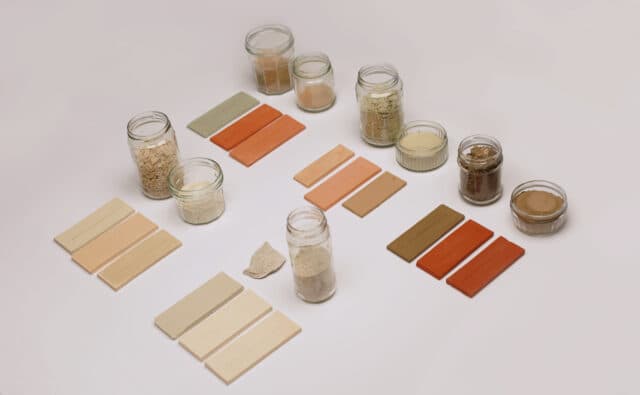
- Terres émailléesThis project transforms this excavated soil and demolition waste into glazed ceramic tiles. These excavated materials, such as clay, marl, sand, limestone, as well as demolition debris like bricks, granite, and glass, find a new purpose. Glaze recipes have been formulated by mixing finely ground waste materials in specific proportions. Clay body recipes have been developed using excavated clays and marls.
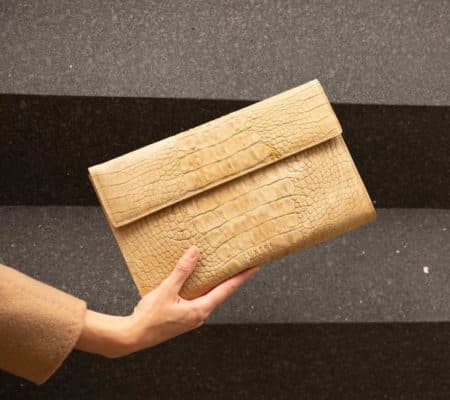
- Bags made from mango leatherUK-based sustainable fashion brand Luxtra teams up with Dutch company Fruitleather Rotterdam to make bags made of leftover mangoes and other fruit waste. Each…