Search
38 results for “cotton” in materials
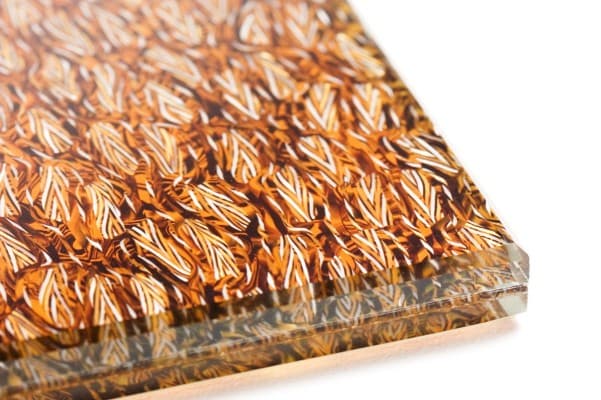
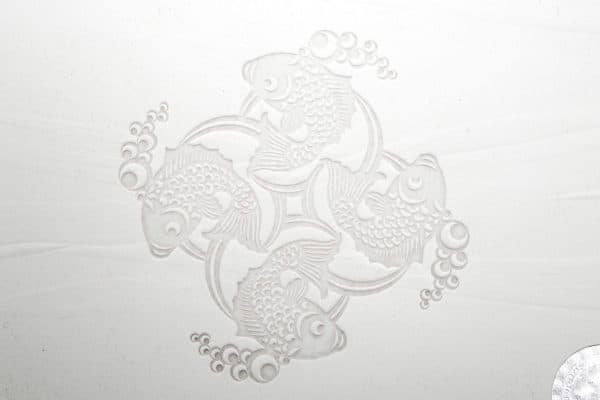
- Perltec ColibriThe Perltec Colibri decor is based on cotton, that gets processed and coloured by hand. It is transformed into a solid, transparent plastic. Sheets of different colourblocks are pressed together and sliced again, until the desired design is created. The design sheets are combined with Optiwhite glass on both sides.
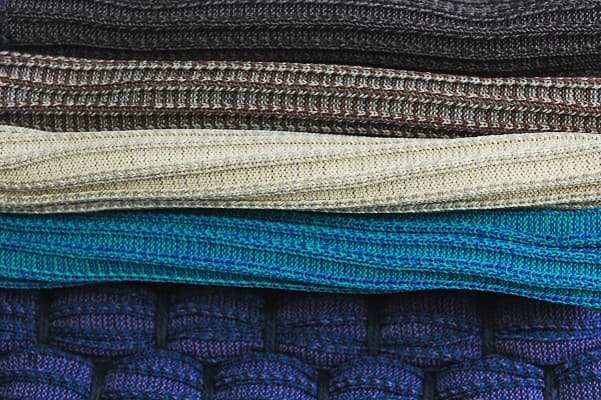
- KauriKauri is hand woven and hand finished material composed out of polyester & cotton. The texture is knitted tubular fabric Chain, woven on a cotton weft. The weft sides are finished with a fringe. Available in multiple colours and standard sizes, custom sizes available.
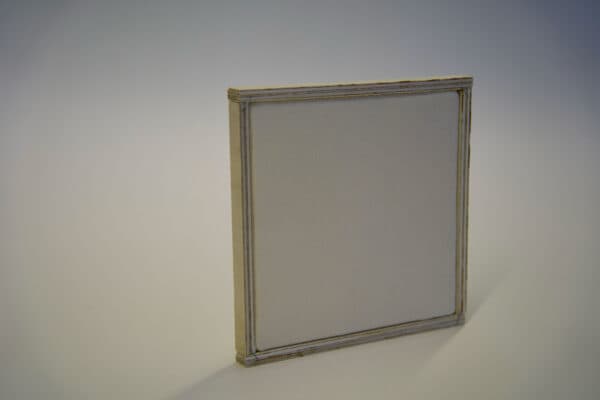
- Base SuperboPerltec Base Superbo panels are creations based on natural cotton. Through a unique process, cotton is transformed into a solid, plastic-like material. This raw material is then coloured by hand with pigments and layered to form a large block. Thin, decorative sheets are sliced from the block and combined through glass composite technology with Optiwhite plates on both sides.
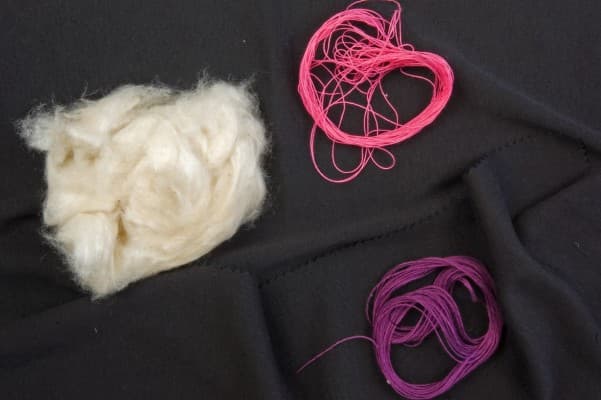
- PiumafilPiumafil is made out of 85% cotton and 15% kapok fibre.It is ultra lightweight and has good temperature regulation properties. The fibre is coated with a natural water repellent wax and absorbs almost no humidity.
- Crystal Mesh & Metal TrimmingsCrystal Mesh, a mesh carrier were Swarovski crystals are integrated. Available as Hotfix version, which can be heat applied, or as No Hotfix which can be glued, hand- or sewn. Metal Trimmings consist of Xilion Flat Backs set in a metal cup fixed in a cotton-net. several colours available for both the crystals, platings, as for the cotton net.
- Circular Tent CanvasTent fabrics used for canopies and stages at events and festivals are made from cotton or petroleum-based plastics such as polyethylene, polyester, and nylon. As alternative, the material shown here is a woven fabric composed of 50% cotton and 50% poly(lactic acid). It has been demonstrated that this material is suitable for molecular recycling through the recovery of building blocks.
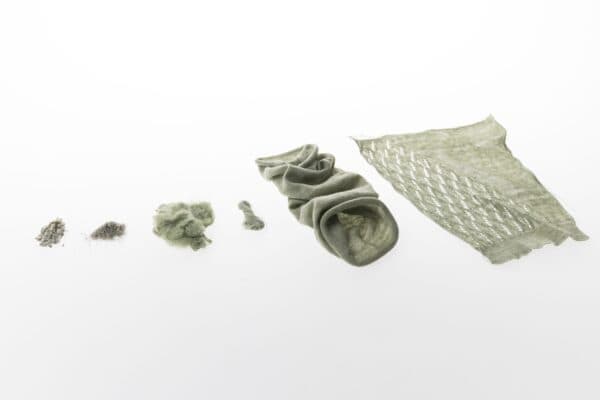
- From banknotes to textilesThe estimated lifetime of a banknote is around three years, after which polymer-based ones are recycled, and cotton-based ones are incinerated. This has motivated the research team to investigate the chemical recycling of cotton-based banknotes using Ioncell®, a technology developed for the sustainable production of synthetic cellulose fibres. Its green colour comes from the original colour of used banknotes.
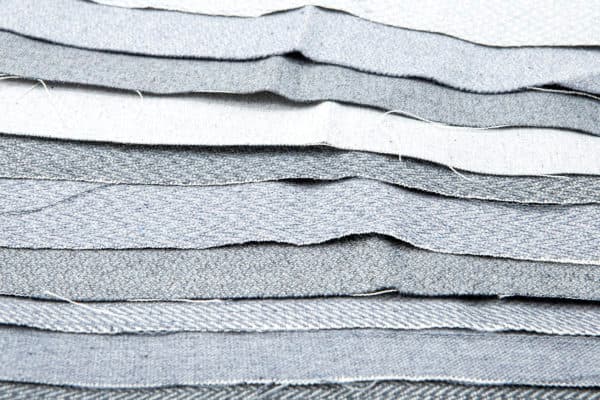
- Post-consumer recycled denimPerhaps even your old jeans. Discarded jeans are sorted carefully, then shredded into small strips while a big magnet takes out all the metal parts. To make the yarn strong enough for weaving purposes the recycled jeans fibres are mixed with another material, in this case organic cotton (light and medium blue) and recycled PET bottles (the darkest grey tone). On display are a twill fabric and two Enschede Textielstad X SOETEKOUW weaving patterns: the Base and Forza pattern from the ‘Surprise!’ upholstery collection.
- Lana Lumière, Fil & RubanThis collection consists of various types of paper. Lana Lumière's composition makes the paper transparent once in contact with a source of heat such as hot foil stamping. Lana Fil is enhanced with yarn inclusions forming an actual seam under the fibrous network. Lana Ruban has lace of ribbon embedded inside the paper.
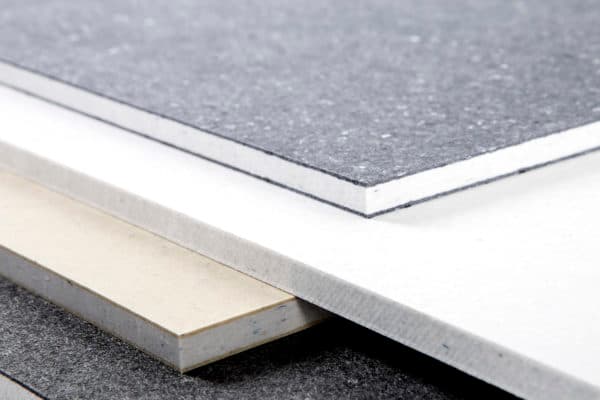
- Solid textile boardSolid Textile Board is a high-density material made from end-of-life textiles and cut offs from Kvadrat. Considering current textile waste streams, the board is made up of cotton and wool as these textiles are typically downgraded in existing recycling processes. The board can be an alternative to a variety of existing materials depending on the application.
- Wood Fibre TextilesTextiles made of wood include Tencel, Viscose, Lenzing FR and Lenzing Modal. Tencel is more absorbent than cotton, softer than silk and cooler than linen. Viscose is naturally botanic, absorbs moisture well and is pleasant on the skin. Lenzing FR offers protection from different kinds of heat: fire, radiant heat, electric arcs, molten metals and flash fires. Lenzing Modal is extracted from beech wood.
- Velero TextileVelero Textile by Jef Montes was inspired by the construction of sailboats and the materials from which they are constructed including glass fiber, carbon, aramid, brass, nylon, wool silk, viscose and cotton. The silhouettes draw from the contours of ships in a storm: angular and organic inspired by the battle between machine and nature.
- Natural FibresEnkev makes quality products from natural fibres. Their products are mainly used in the mattress, horticultural, automotive and filter industry. There are however many more possibilities for these fibres in packaging, insulation and in the shoe-industry.
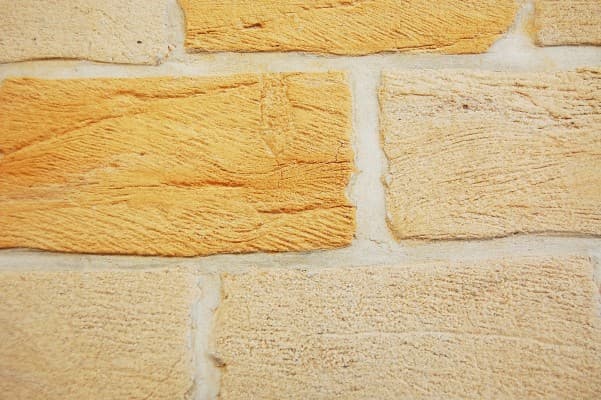
- Flexible SandstoneThe material is made from heat treated sandstone with a cotton base. Available in sheets of 112 cm by 270 cm. The sandstone can be bonded to a clean and dry surface. Mulitple colours and structures are available.