Search
72 results for “plant fibres”
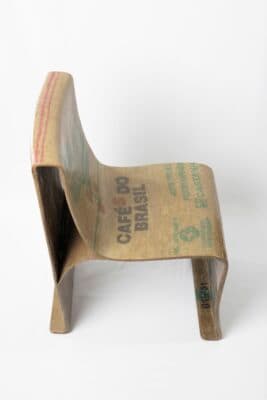
- Biobased Resins And Natural Fibre Composites In The Novum ChairDesigner Matthew Whatley developed the Novum Chair to explore biobased materials as alternatives to conventional plastics in product design. The project responds to ongoing…
- From Petroleum to Plants: Biodegradable Circuit Boards from WoodResearchers at the Swiss Federal Laboratories for Materials Science and Technology (Empa) have created a biodegradable printed circuit board (PCB) made from wood-based materials.…
- A luxurious electric car made with plant-based materialsWith their Vision EQXX, Mercedes-Benz claims to have developed an electric car that has a range of 1,000 kilometres on a single battery charge,…
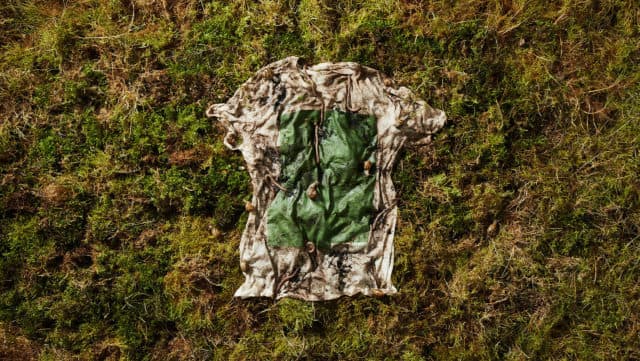
- Plant and algae T-shirt biodegrades within 12 weeksTechnical apparel company Vollebak designed a wood-pulp and algae based T-shirt, which biodegrades within 12 weeks in the compost or buried in the ground.…
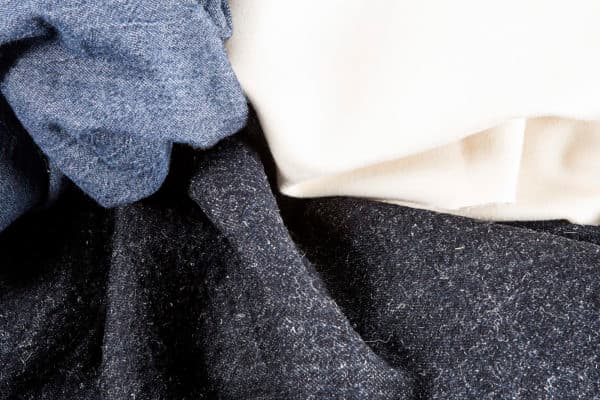
- Bcomp TextileThe most viable structural fibres used in these architectural textiles typically derive from specifically grown textile plants and fruit trees. Natural fibres are subdivided into bast fibres (flax, hemp and kenaf) and leaf fibres (sisal, pineapples and henequen), grass fibres (miscanthus), straw fibres (corn and wheat), seed fibres (cotton and capok), wood fibres (pinewood) and fruit fibres (coconut).
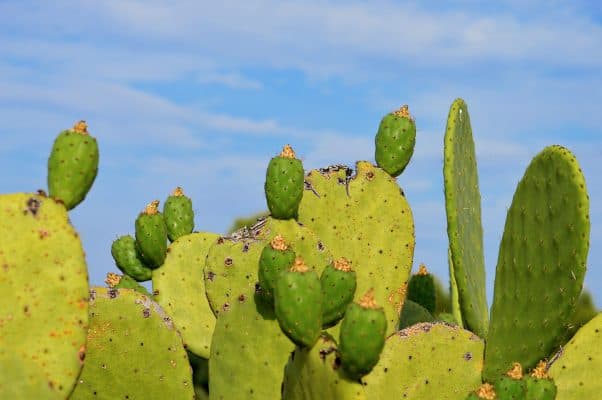
- Prickly Pear Cactus Waste Reinforces Biobased Composite MaterialsAgricultural waste from prickly pear cactus could provide a renewable source of reinforcement for biobased composite materials, according to researchers at the University of…
- Sustainable Textile InnovationsBy Simone Preuss, Feature Editor FashionUnited Sustainable textile innovations are in demand like never before due to dwindling resources, natural fibres like cotton being…
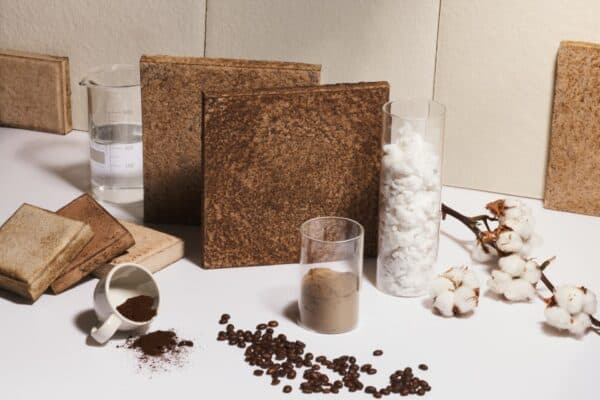
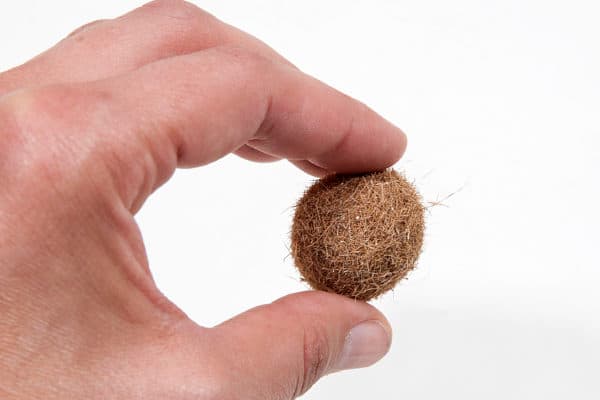
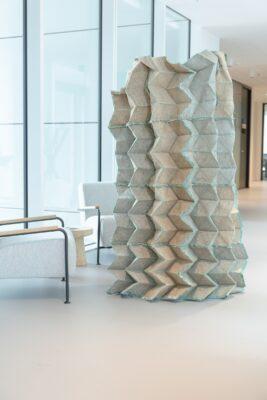
- Biobased Acoustic Materials from Organic ResiduesA series of acoustic tile developments explore the use of plant fibres and organic by-products as primary material components. The tiles are designed for interior applications and combine renewable fibres, residual biomass and mineral additives within composite systems intended to provide sound absorption and structural stability. The versions shown are seaweed and cotton, coffee, coconut fibres, jute, and grape pomace.
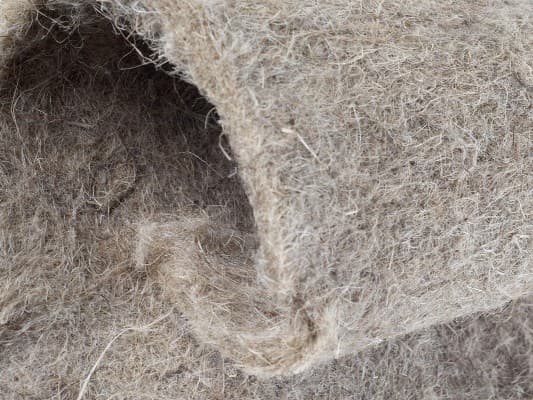
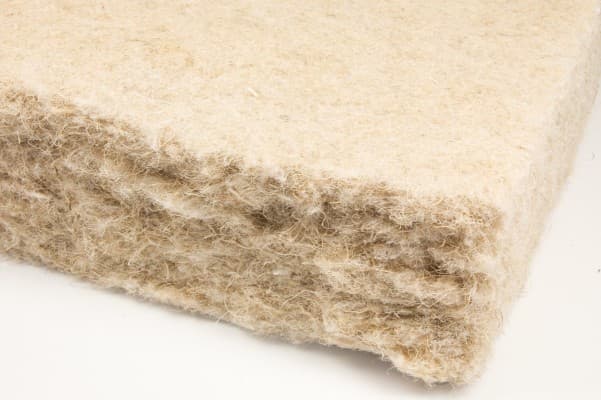
- Hemp fiber nonwoven matsFibres from the non psychoactive hemp plant are used for the Natural hemp fibre nonwoven mats. The plant is grown without the use of chemicals and fertilizers, and for the fibre production very little energy is used. Hemp fibres are lighter then, for instance, glass fibres.
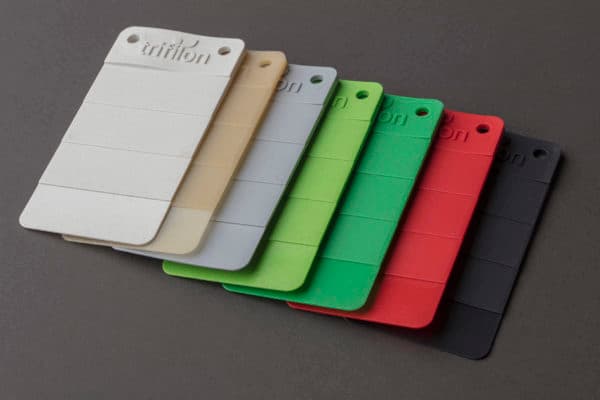
- Trifilon BTrifilon B is a biocomposite material combining food-safe polypropylene (PP) with up to 35% natural fibres. Developed by Swedish material company Trifilon, it is designed as a lower-impact alternative to conventional polypropylene for injection-moulded products, including applications involving food contact and products for children.
- New textile grows from mushroomsA new organic textile has been developed that is grown from mushroom spores and plant fibres. The material is called MYX, from the mycelium:…
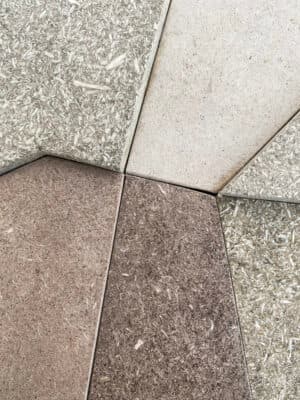
- Lupine fibreboardLupine fibreboards are produced from Alaska Lupine (Lupinus nootkatensis). Although almost the entire plant can be utilised for fibreboard production, the samples in this project were made from the aerial growth of the plant. The fibreboards are 100% biodegradable without requiring controlled conditions, such as heat, for decomposition.
- HempFlax Nature InsulationHempFlax Nature Insulation is made out of 100% hemp fibres, produced from the non psychoactive hemp plant. Hemp fibres are lighter then glass fibres. The fibres are able to absorb and release water easily. The mats can be produced with a synthetic binder or biobased (PLA) binder.
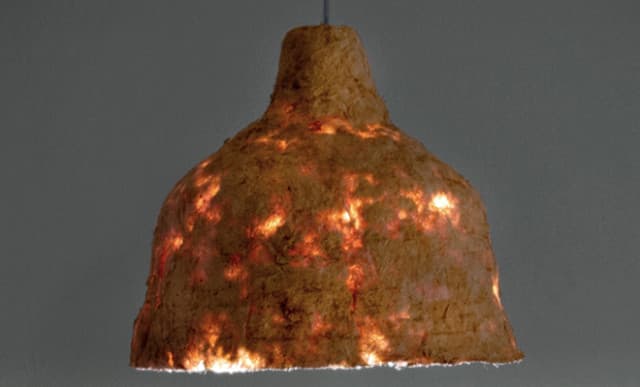
- MYXMYX consist of plant fibre and mushroom-mycelium. The material is grown into shape during a period of 2-3 weeks, where the mushroom mycelium grows together the plant fibres into a flexible and soft living textile. After 2 weeks you can harvest the healthy Oyster mushrooms. The waste product can then be dried and used as a lightweight material, that is both organic, compostable and sustainable.
- Washi Artisan ParchmentWashi, handcrafted Japanese parchment is made from the elongated fibres of a variety of plants. The typical raw materials are kozo, mitsumata, gampi and hemp. Washi is made of the fibre of the bark.
- Waste Wool Becomes Biobased Cladding and Insulation for Building RetrofitsHarvard researchers turn waste wool into biobased cladding and insulation panels for building retrofits, using keratin and citric acid.
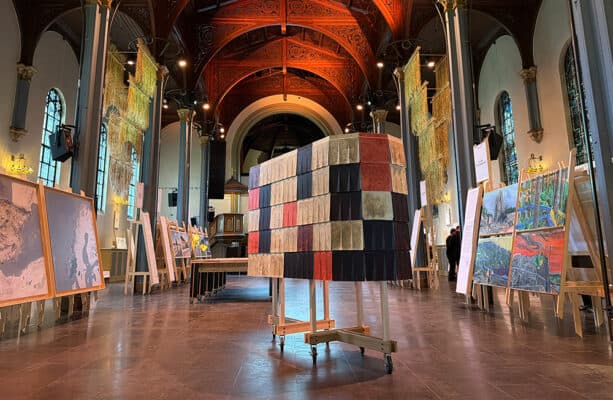
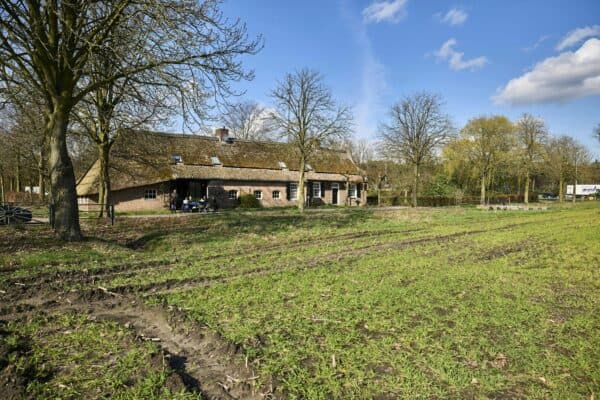
- The Materials of Tomorrow: Biobased Innovations for Design and ConstructionBiobased materials are being explored as alternatives to traditional construction resources. Rijkswaterstaat, the Dutch government agency responsible for infrastructure, is conducting research at Hoeve…
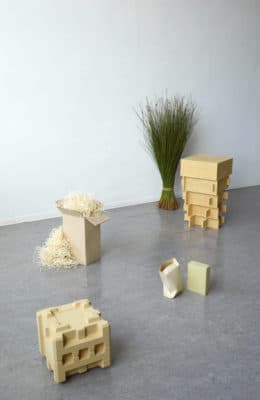
- Medulla: from weed to furnitureIn a project called Medulla, Dutch designer Don Kwaning developed various materials like paper, foam and even construction material from the cosmopolitan weed soft…
- Nettle & cypress fabricCompany Grado Zero Espace developed blended fabrics containing stinging nettle and cypress fibre. The cypress yarn is turned in a mixed fabric containing 50% cotton, which has the same anti-bacterial, anti-mould, relaxing, deodorising properties of the cypress yarn. The nettle fibres have a special feature: thanks to their hollow structure, they are natural thermal insulators.
- Insulate your house well on Cut Your Energy Costs DayGood insulation makes your house feel much more comfortable, is better for the environment, and, most importantly on Cut Your Energy Costs Day, it…
- LenzingFor 80 years now, Lenzing has been looking beyond fibre. With wood as our natural resource, Lenzing’s solutions are as inventive as they are…
- TRAshellThis prototype is a free-form shell of 300 x 300 x 2-5 mm, manufactured of green agro-fibre thermoset composites, of free-oriented short natural fibres like coconut shells, cereal straw and black coal ash as an agro- active filler and a plant-based thermoset bioresin. In addition, glowing additives were applied, to suit the possible application of the proposed product in exterior façade applications, for night lighting.
- Locally Grown Hemp Explored for Textiles, Furniture and InteriorsLocally grown hemp that falls short of conventional textile requirements forms the starting point for SOW HEMP!, a research and design project by the…
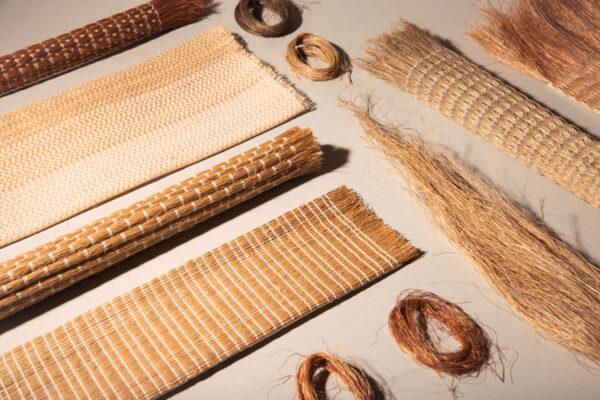
- Inherited FutureThese “Inherited Future” series of woven textiles are made from banana stem fibre sourced as an agricultural by-product in Indonesia. Rather than treating the plant as waste, the work reframes banana fibre as a high-performance, regenerative material that carries both technical value and cultural memory.