Search
71 results for “recycle” in materials
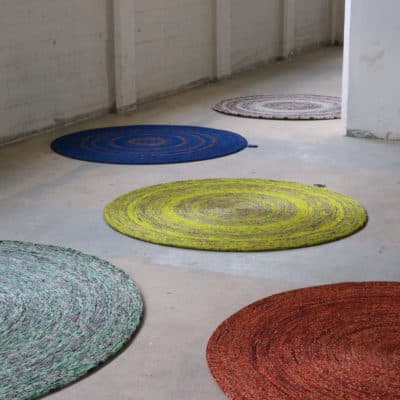
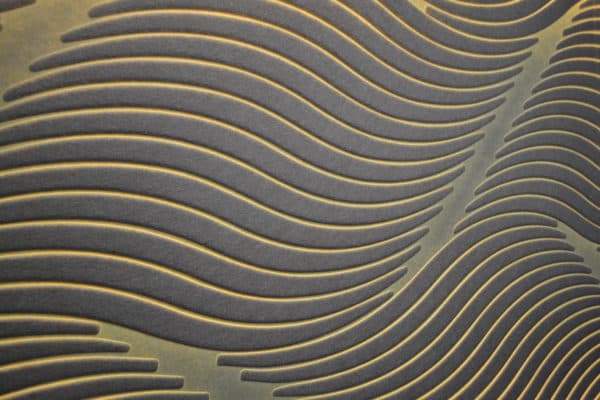
- Vlisco Recycled Carpets‘Vlisco Recycled Carpets’ builds on extensive material research Simone Post initiated into the leftover textiles of Vlisco, a Dutch-based textile manufacturer of high-end wax-printed fabrics mainly exported to Africa. Simone Post has developed a line of high-quality carpets using Vlisco’s rejects.
- Recycled PlasticAkwamat allows for natural ventilation of your mattresses and cushions, and prevents moist and mould. Enkev’s Akwamat can be used for boats, caravans, holiday homes and any other place where ventilation doesn’t occur naturally.
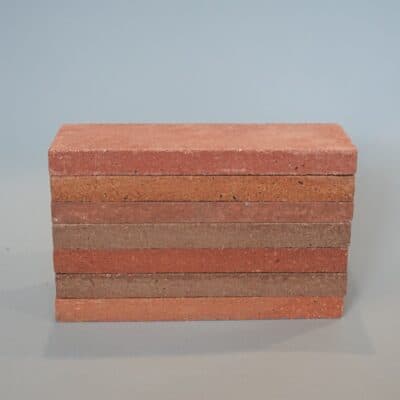
- Loqa recycled tiles & bricksLoqa is a circular material design studio that develops architectural tiles and bricks made from approximately 80–95% upcycled waste. The collection includes fired and unfired tiles, glazed tiles, textured surfaces, bricks and special design elements.
- Recycled acoustic PanelRTS-visuals is a wholesaler and distributor of various recycled felt panels. In addition to the NF-line, they introduced the EF-line last year. A new…
- Recycled plastic custom shapesvanPlestik is a design studio and circular production company. They use plastic waste streams as raw materials for their large-scale 3D-printers.Displayed in this exhibition are Refrigerator parts (white), Hospital packaging (transparent green), Flower trays (black) and CD cases (clear transparent).
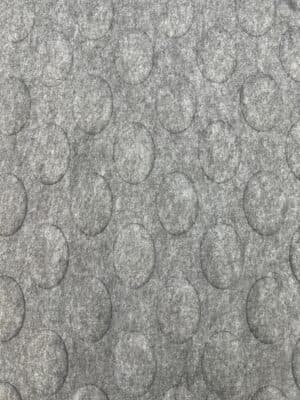
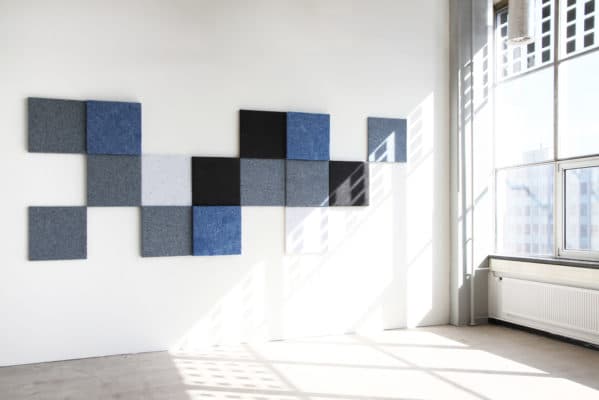
- Recycled PET felt wall-coverThe RTS acoustic panels ensure optimum absorption and are easy to process. The total system of the RTS acoustic panel (full-colour) consists of a plate that is installed on a cavity filled with absorption filling. The absorption materials ensure that the disturbing reflection becomes countered, and the reverberation time is regulated, ideal against flutter echoes. 280 bottles are used for the production of 1 sheet.
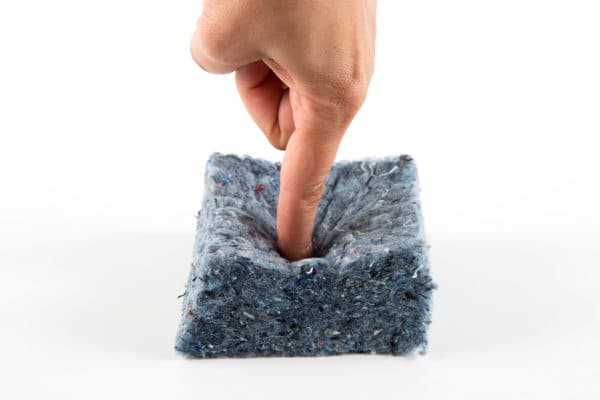
- Métisse recycled textile insulationMétisse insulation consists of leftover jeans and sweaters, a sustainable material that scores 3 out of 3 on the three pillars of sustainability. The clothing isn't burned but reused (Environment), the production of the material helps people with a disadvantage on the labour market (Society), and the material lowers the energy bill (Economy).
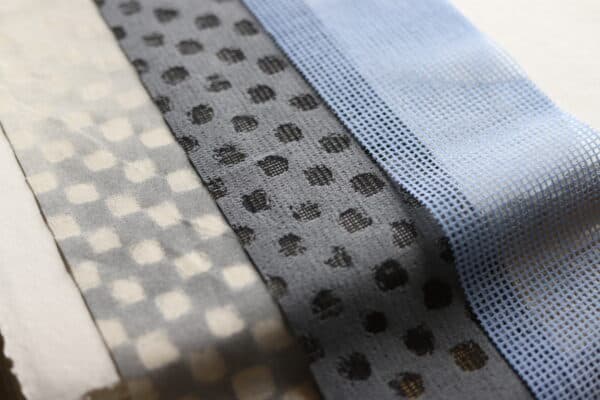
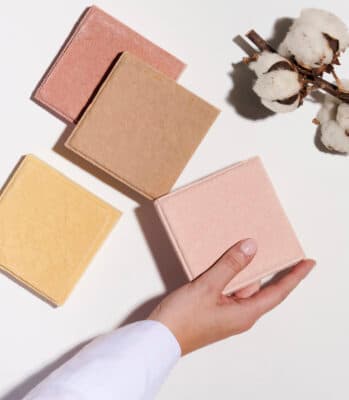
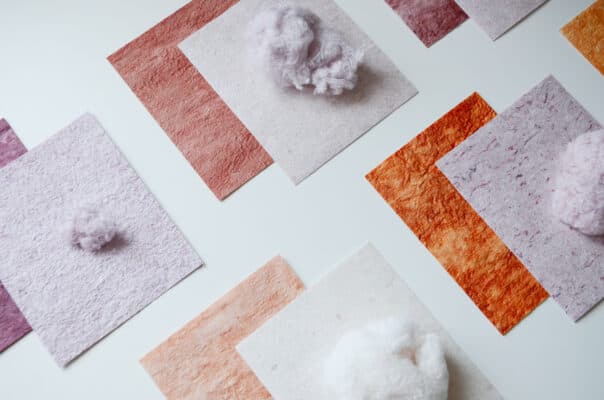
- FLOCC: Recycled Cotton FlockFLOCC is a sustainable textile innovation that transforms cotton waste from heritage lace production into soft, luxurious flock fibres for interiors, fashion, and surface applications. Using electrostatic flocking, FLOCC creates rich, velvety surfaces applied to MYB Textiles’ fabrics, turning production waste into tactile, design-ready materials suited to both experimental and high-value applications.
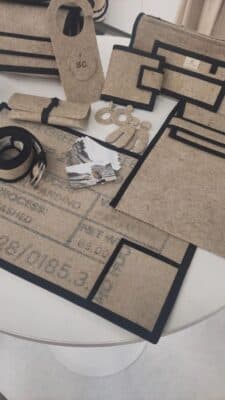
- Re-Yut-Cel – Felt from Recycled Coffee SacksRe-Yut-Cel is a collaborative material initiative that transforms discarded jute coffee sacks into a durable, biobased felt for interior and design applications. Jute coffee sacks, typically used once for transporting coffee beans, are commonly incinerated after use. The felt is suitable for acoustic panels, lampshades, mattress fillings, and other interior elements.
- Le Pavé® recycled plastic panelLe Pavé is the first floor covering composed of 100% waste plastic recovered from nature and from the ocean. The material has a speckled look. To maximize the ecological and social impact, the plastic is guaranteed fair trade under the label 'Waste & Hope'. The plastic is mostly collected directly from nature and near the oceans.
- i-did feltThe recycled felt developed by i-did is special because it is made from discarded textiles and corporate clothing. Many types have already been made of: old KLM clothing, written-off army uniforms, hospital uniforms, mixed consumer clothing, sorted black consumer textile and now even Efteling corporate clothing!
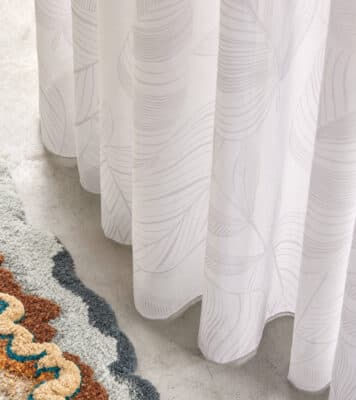
- RECYCLED CURTAIN VIGOThis in-between curtain connects the outside nature with the desire for peace and comfort inside. VIGO is made of 100% Trevira CS inherent fire-retardant…
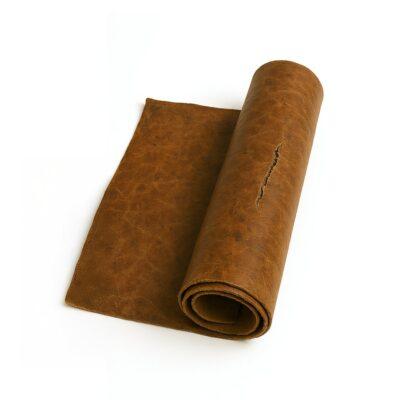
- Leatherloop recycled leatherEach year, approximately 2.7 million kilograms of leather are incinerated in the Netherlands, despite the material’s durability and remaining functional value. Circuleather addresses this loss by developing a circular chain that enables discarded leather to be recovered and reused. By diverting leather from waste streams and reintroducing it as a secondary raw material, the initiative aims to reduce carbon emissions, limit material waste, and extend the lifespan of an existing resource.
- ARCHISONIC® CottonCottonTex represents a unique approach to the sustainable use of materials. The first type features a standard ARCHISONIC® Cotton layer, offering a refined finish. The second type presents a rawer aesthetic. Both varieties are united by their composition, a blend of 60% cellulose and 40% recycled textiles. A product of the Impact Lab, Impact Acoustics' in-house experimental materials research.
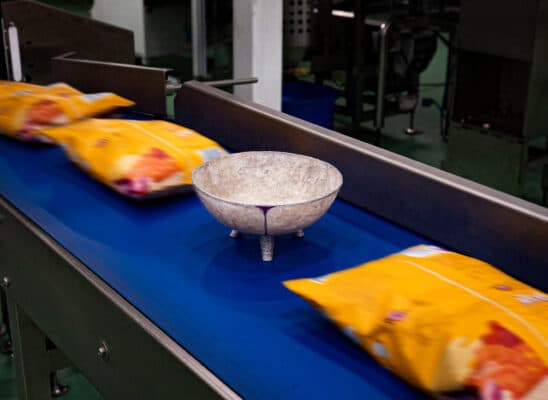
- CrispyCrispy is a collection of serving bowls crafted entirely from deconstructed post-consumer crisp packaging. By transforming non-recyclable crisp packets into serving bowls that hold crisps once again, Crispy showcases the potential of recycling complex plastics and circular design.
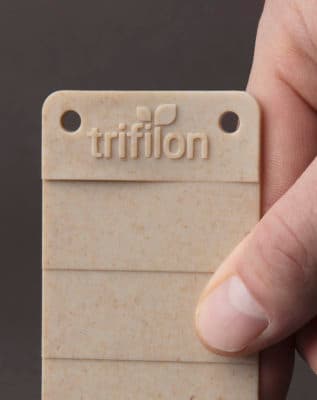
- Trifilon RTrifilon R is a recycled biocomposite that combines high-grade recycled polypropylene with natural fibres such as hemp and wood-derived cellulose. Developed by Swedish material company Trifilon, the material is designed to reduce the use of virgin fossil resources while retaining the processing and mechanical characteristics required for demanding injection-moulded products.
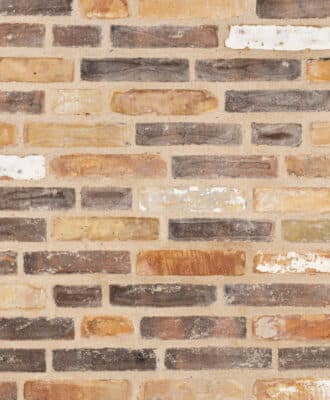
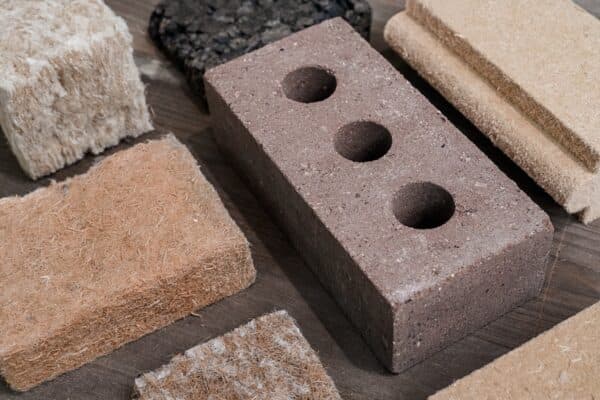
- RT247 ReClay EcoBlend #1ReClay EcoBlend is a range of bricks where recycled bricks are blended with Randers Tegl's most sustainable newly-produced bricks. The mix consists of 50% recycled bricks and 50% new bricks, resulting in a unique, rustic appearance and a low CO2 footprint. The combination of recycled and new bricks creates a rich variation in the finished brickwork. The recycled bricks come from demolished masonry, meaning their environmental impact is minimal.
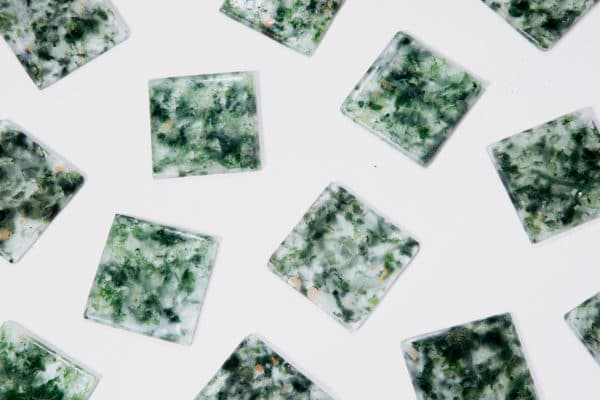
- Common Sands – ForiteCommon Sands – Forite evolved as a collaborative research project between Studio Plastique, Fornace Brioni and Snøhetta, with the aim of exploring the potential applications of recycled E-waste glass. Made from recycled glass from microwave ovens, the tiles have been developed in two different sizes. The tiles are both opaque and transparent, each with a unique pattern and expression.
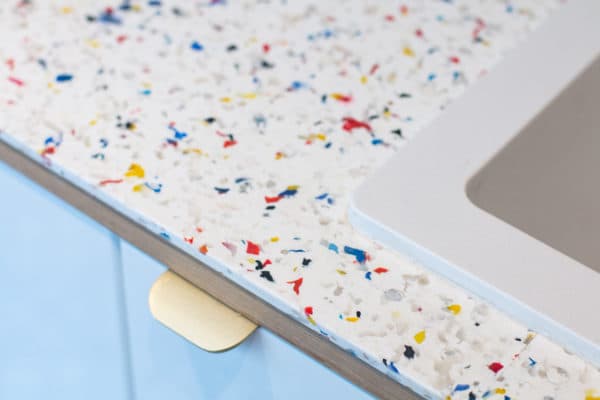
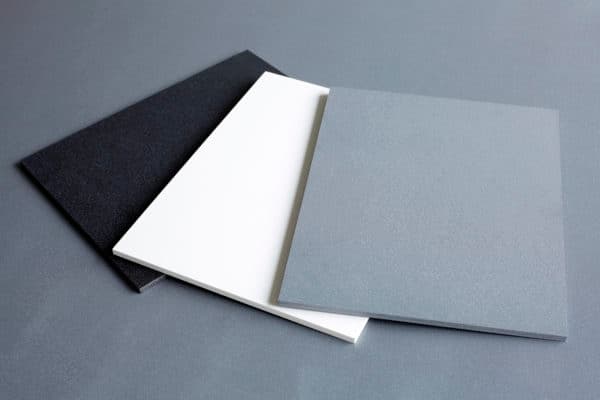
- SustonableSustonable is a strong stone composite material made from recycled PET bottles and quartz, without the use of harmful chemicals. The material is 100% recyclable and available in any colour. It is suitable, for instance, for use as countertop or in bathrooms.
- Ege CircleBackIn Europe, only 1-3% of carpets are recycled. The rest finds space in landfill sites or goes up in smoke. Ege CircleBack is a take-back programme that aims to minimise waste by recycling and reusing used carpet. All Ege CircleBack carpets are made from a unique combination of recyclable materials, allowing the company to recycle 98-100% of the used carpet’s components.
- (Un)woven(Un)woven is a biotextile made of inferior textile fibres, created as an alternative to the flawed traditional textile recycling process. A unique production method turns inferior mixed blends into a lightweight biotextile suitable for interior, furniture and product design applications. Emphasizing recyclability over longevity, the sturdy material can be recycled at the end of its life and repurposed for new production cycles over and over again.
- K-BriqKenoteq’s K-BRIQ® is a masonry brick made from over 90 per cent recycled content. The brick is composed almost entirely of recycled construction and demolition waste, including plasterboard, brick, stone, rubble, old mortar, and recycled pigments.
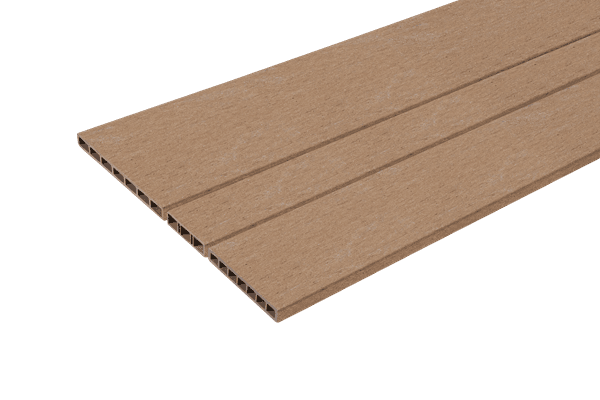
- RIWOOD Rice Husk CompositeRIWOOD is a premium biocomposite (RPC) material that redefines sustainability in outdoor and architectural applications. Developed by Fiberplast Group, this innovative product combines recycled rice husks and calcite with high-quality post production recycled PVC polymers to create a durable, low-maintenance, and eco-friendly alternative to traditional wood or pure plastic materials.