Search
174 results for “ceramic”
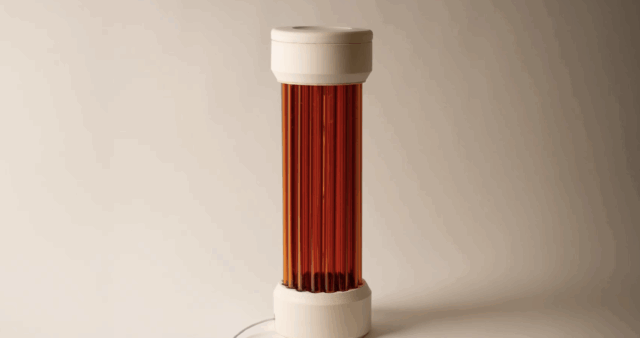
- Geolectric: Low-Carbon Geopolymer Ceramics for Embedded ElectronicsDesigners across architecture, interiors and product development are looking for materials that support embedded electronics without relying on carbon-intensive plastics or high-fired ceramics. Geolectric,…
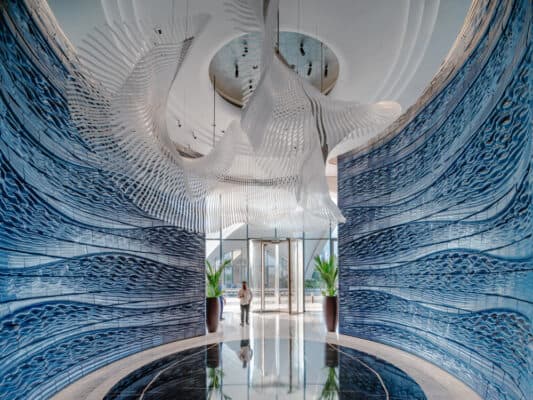
- Blue Voyage: 3D Printed Ceramic Walls by Studio RAPRotterdam-based Studio RAP has created Blue Voyage, two large-scale 3D printed ceramic walls for the entrance of the new Jumeirah Marsa Al Arab hotel…
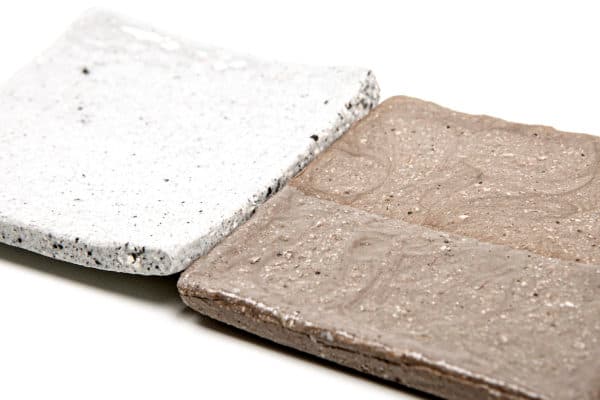
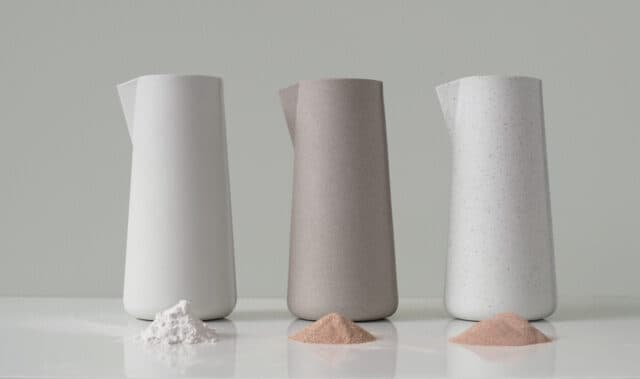
- Ceramics Glaze Made from Stone SawdustStudio Peipei has developed a sustainable ceramic glaze using stone sawdust. This innovation reduces the need for raw ceramic materials, lowering the environmental impact…
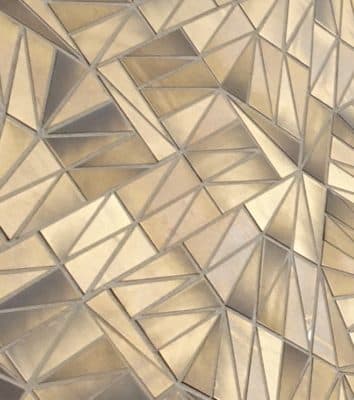
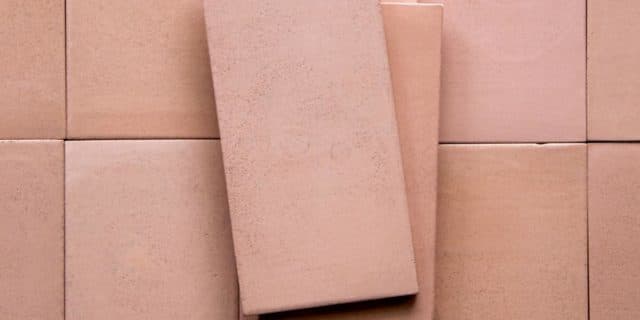
- Clean Air City Ceramics – bronze glazeClean Air City Ceramics is a collaboration between Studio Christine Jetten and ENS Clean Air, in which air pollution is processed into architectural ceramic glazes. This glaze typology reduces particulate matter, reuses accumulate waste and reintroduces this waste in circular ceramic glazes. These tiles are the custom application for Rebel House, a new approach to sustainable and entirely circular vacation homes.
- Remake CeramicsWith Remake ceramics, Fabrique Publique reuses broken pieces of ceramics, saving them from the incinerator, and makes it a valuable resource for new products. The amount of recycled content can be varied, as well as the size of the grains and colours.
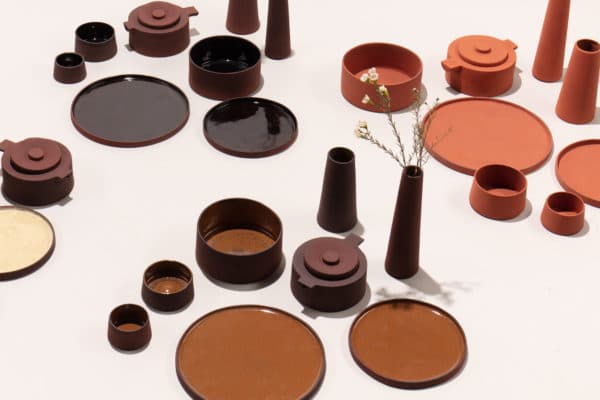
- Turning an aluminium byproduct into ceramicsA group of designers at the Royal College of Art designed ceramic pieces made of Red Mud, a byproduct in the making of aluminium.…
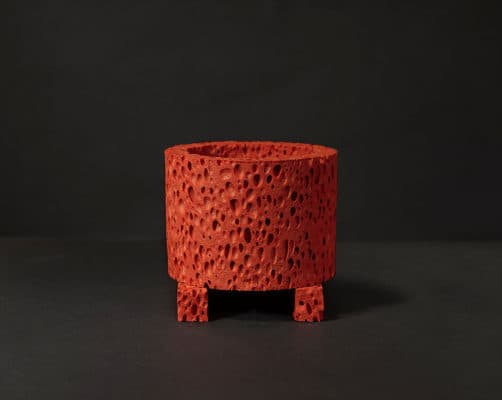
- Tektites: ceramics made from foamIf you think about materials to use for the fabrication of tableware, foam would probably not make the list. Yet that is the exact…
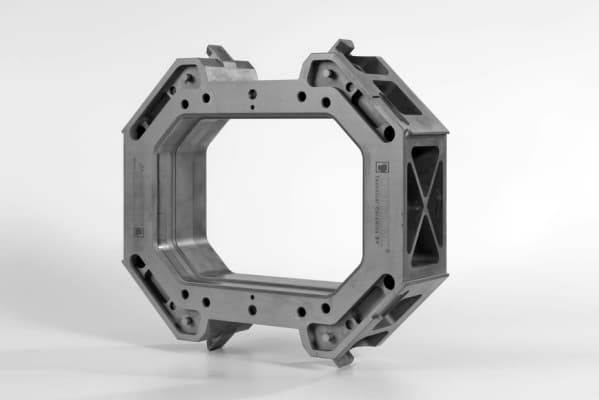
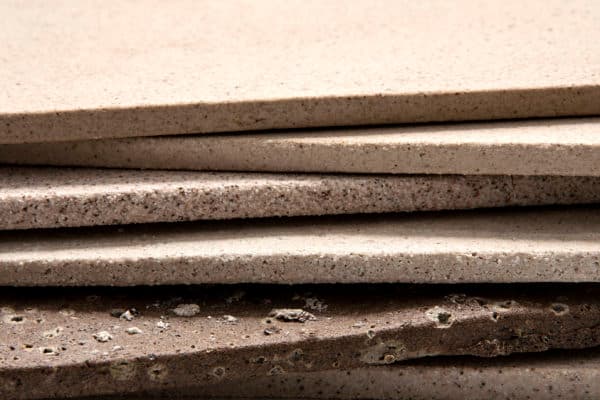
- Sintered CeramicsA new production process for high-quality durable ceramics is leading to ultra-strength materials. Dutch ceramics producers Ceratec have demonstrated a sintered form of the…
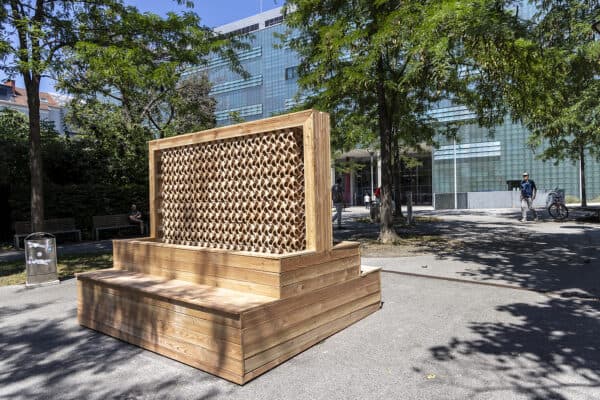
- 3D Printed Ceramic Walls Explore Low-Energy Urban CoolingResearchers at Graz University of Technology (TU Graz) have developed porous ceramic cubes that use evaporative cooling to reduce temperatures. Designed for indoor spaces…
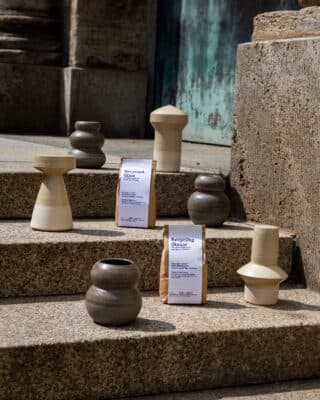
- Circular CeramicsCircular Ceramics is made from high-fired ceramic waste. The clay developed by Meaningful Matter includes a mixture of waste materials, either mixed or sorted. Shown here is: 1. Mixed waste, visible, low percentage; 2. Earthenware/stoneware, visible, medium percentage; 3. Porcelain, not visible, high percentage; 4. 100% waste (not yet in production); 5. Coloured clay and waste, temperature reduction
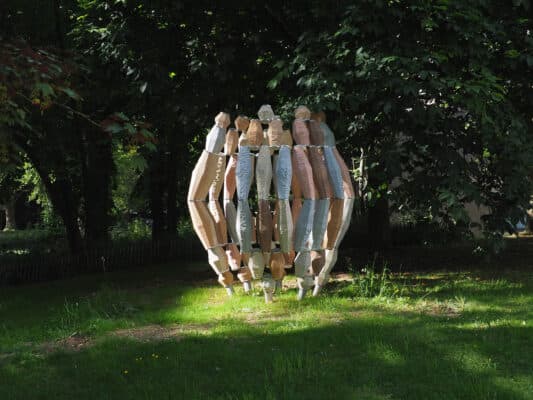
- 3D Printed Ceramic Pavilion Brings Community Stories to Life in BrusselsIn the Germinal public gardens of Evere, Brussels, a new pavilion called Folly (Vase) now welcomes visitors. Belgian artist Elise Eeraerts and Spanish architect…
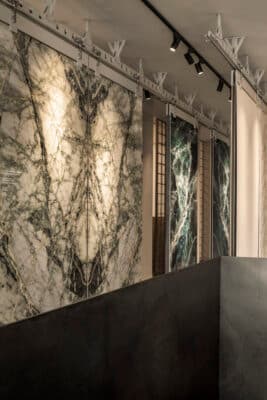
- AI-Generated Marble: A New Approach to Ceramic Surface DesignA new ceramic surface collection developed collaboratively by Reply, Marazzi, and ACPV ARCHITECTS explores the use of generative artificial intelligence (AI) in material design.…
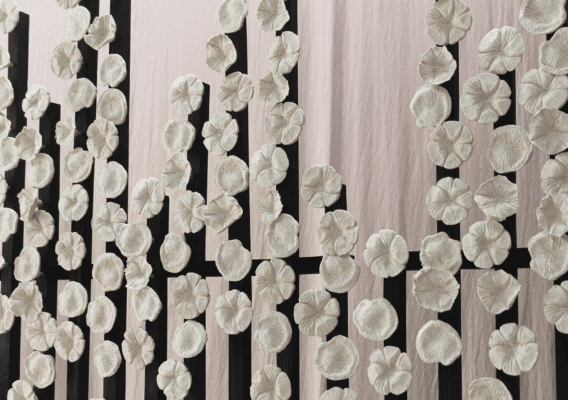
- A room divider made of wood and eggshell ceramicsDutch design studio Atelier LVDW designed a room divider, or wall object, made of wood and the studio’s eggshell ceramic material. Atelier LVDW's eggshell…
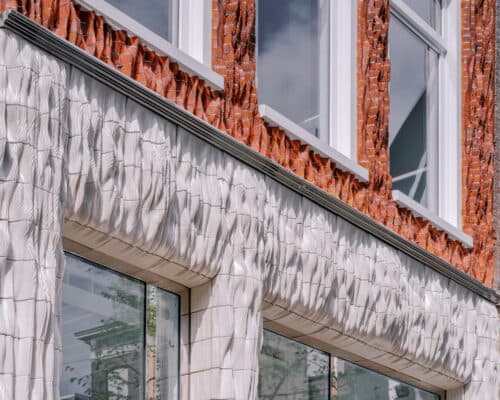
- A 3D printed ceramic facadeDutch architectural design firm Studio RAP used their bespoke, custom-built 3D print technology to create a ceramic boutique façade in Amsterdam, the Netherlands. Called…
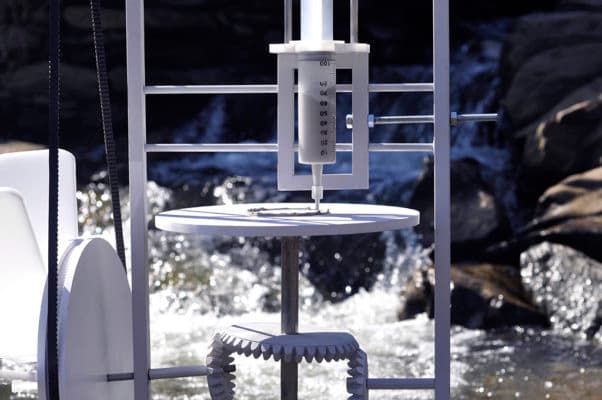
- 3D printing ceramics using water powerIn a work-in-process project called 360° Under Water, design studio OJEAM Studio created a 3D printer that prints ceramic containers, powered by a water…
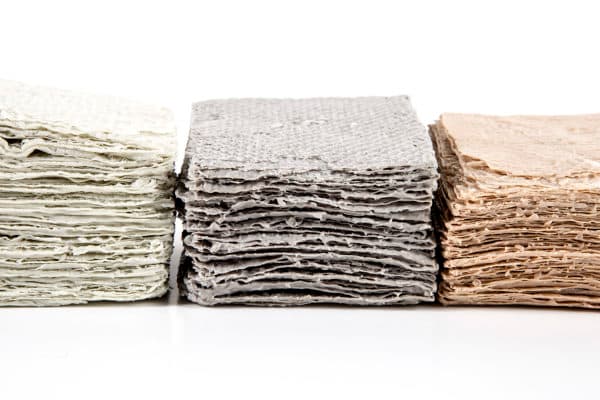
- Tissue paper & clay ceramicsThese ceramics are made from tissue paper and clay slips, creating a stacked material that looks like stratum. Designer Jongjin Park explores the abilities of ceramics, playing with the perception of what's real.
- Ceramic sandCeramic sand explores the question what the effect of sand is on the colour and structure of ceramic pieces. Using various kinds of sand from various places, designer Marin Jansen experimented with adding sand to clay. In addition, she also used sand to make glaze. The same sand added in a glaze but fired in different ways (oxidation, 1260 C, reduction and oxidation 1050 C) gives different results.
- bios.antibacterial ceramicsThe bios.antibacterialceramics slabs have antibacterial properties in the full mass. During processing, to the ceramic material mineral particles are added, that generate a highly effective antibacterial reaction. The bactericide action remains unchanged in time; no light is needed to enable it. The tiles can be supplied in natural, polished and glazed versions.
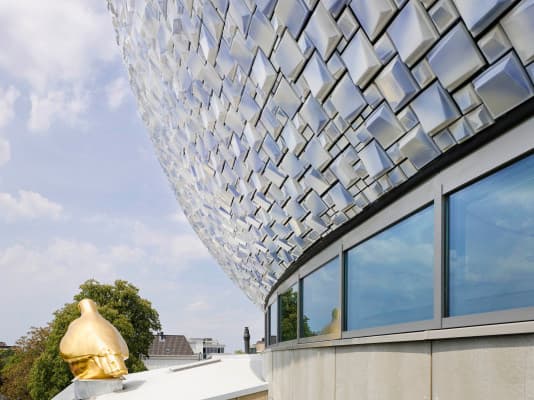
- Ceramic museum wins Co-Creation AwardA radical looking museum extension finished with ceramic tiling has won this year’s Materia Co-Creation Award. The prize goes out to the best collaborative…
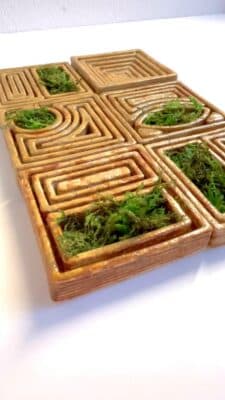
- 3D Printed Urban Ceramics 4D TileThe 4D Tile is an innovative 3D printed ceramic tile conceived as a 4D building element, designed to interact over time with water, climate, and living nature. Measuring 8x8 cm and crafted in durable stoneware ceramic, its sculptural geometry is engineered to capture rain and retain ambient moisture, creating ideal conditions for local moss to thrive.
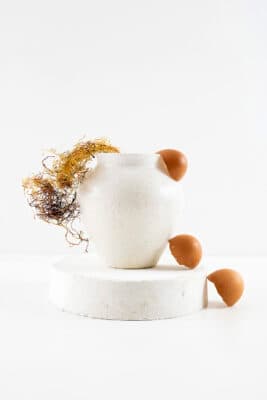
- Ceramics made of egg shells and algaeArgentinian designer Cynthia Nudel designed ‘bioceramics’, artful objects made of eggshells and brown algae. According to Nudel, this project arises from a conflict between…
- From iron sludge to ceramic productsCalled Oer, an initiative by Lotte de Raadt, this project investigates different possibilities for the application of iron sludge, a waste product of drinking…
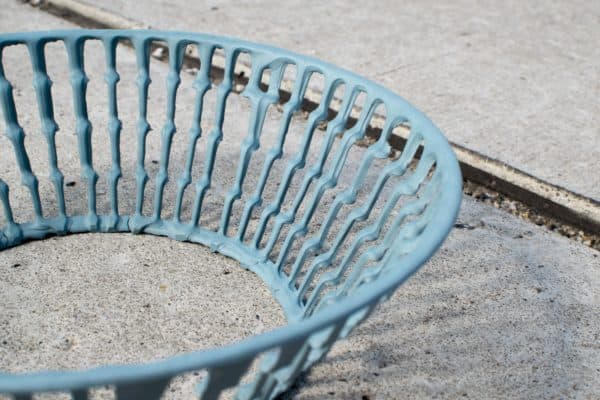
- A ceramic dripping machine to create structures, graphics and texturesWith the project Moca, Studio Joachim-Morineau developed a dripping machine that drips liquid clay at a certain rhythm to create various structures, graphics and…
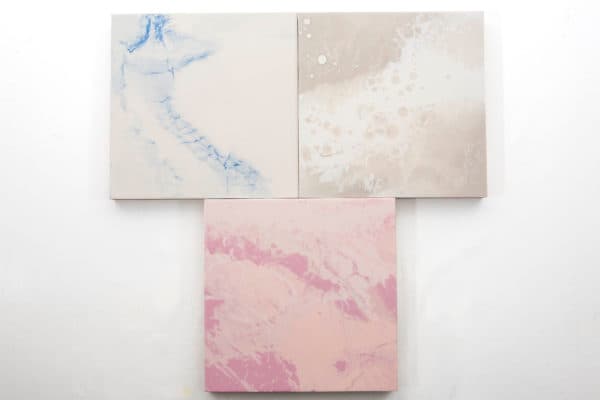
- Ceramic surfaceThis ceramic range of panels is based on the idea of creating surfaces that have the delicacy of fired glazes. The tactile appeal of the surfaces is designed to engage the user to try and determine how the material has been created as closer inspection shows that the depth of the design is not a paint effect but a solid surface. Solomon and Wu loves the idea of investigating the possibilities with designers.