Search
16 results for “abs” in materials
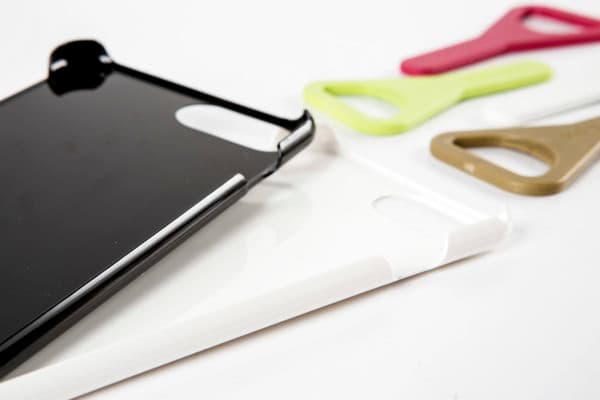
- Polyjet Digital MaterialsWhat kind of materials are used for 3D printed objects by designers such as Neri Oxman and Iris van Herpen? In this specific design,…
- ArcBiox BGF30-A1 and ArcBiox A17ArcBiox BGF30-A1 is a composite material with 30% of biodegradable glass fibre as reinforcement. The material is designed for injection moulding. ArcBiox A17 is impact modified PLA based material. The material is not reinforced with fibres. It is a good alternative to replace ABS.
- TreeplastTreeplast is a fully renewable and biodegradable composite based on wood. Despite containing no plastic, Treeplast is injection mouldable and can be processed to create objects with no shape restrictions. Treeplast is skin-friendly, non-electrostatic, lightweight, shock absorbing and available in a number of colours.
- UPM FormiUPM ForMi is a biocomposite, made of 20% - 50% wood-based cellulose and 80% - 50% polypropylene or similar matrix. Next generation material which can be injection moulded with existing machinery. It is recyclable, odourless and has a constant material quality. Its carbon footprint is between 30% to 60% lower than that of other common engineering plastics such as PC and ABS.
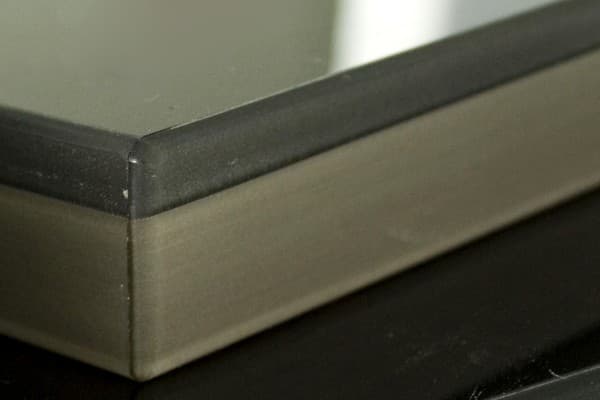
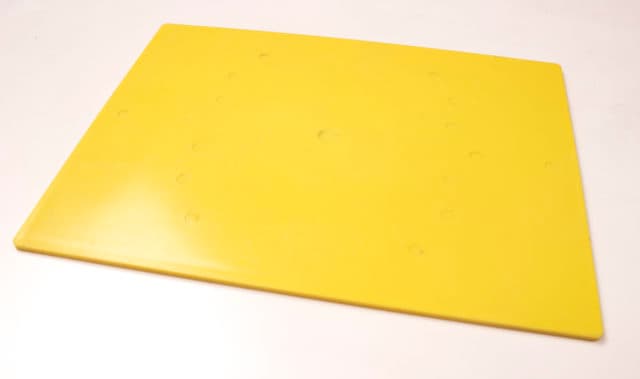
- EltecEltec can be produced as custom-made and ready-made panels. This Eltec panel has been coated with Senosan- acrylic film it gives a real glass-look. In order to produce post-formed panels, the laminate should be available in a in bending quality.
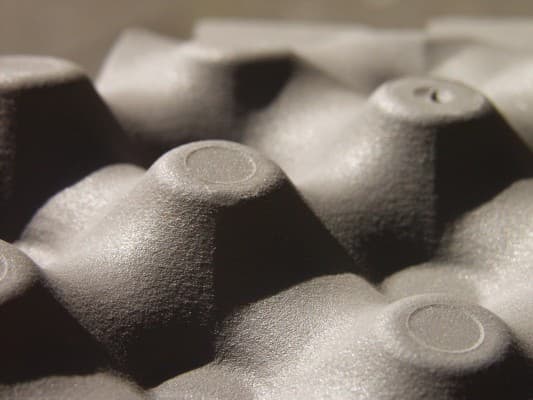
- PressLoad PlasticThe PressLoad concept by British Cellbond offers lightweight, low cost energy absorption. Its design versatility enables PressLoad to be suitable for various applications where the tactile properties are more important, using various materials like PP, PC, ABS/PC etc.
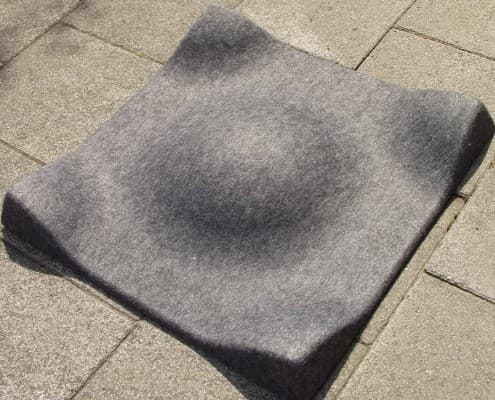
- SoundwaveOffecct AB of Sweden offers a range of rather strange shaped acoustic panels designed by Teppo Asikainen. The five variations are made of moulded polyester fibre or PET-plastic and have various sound reduction properties.
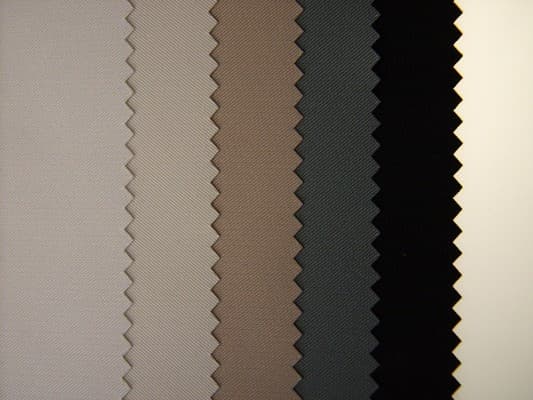
- Markspelle textilesThe design philosophy of Markspelle combines simplicity, playfulness and colour into innovative textile designs. The functional features of textiles are just as important as their esthetical value, featuring fire resistance, wash-ability and durability.
- Thermochromic ColorcompThermochromatic Colorcomp undergoes reversible colour changes in response to varying temperature. Options include different base resins (ABS, TPE, PP and other polymers with a processing temperature below 250).
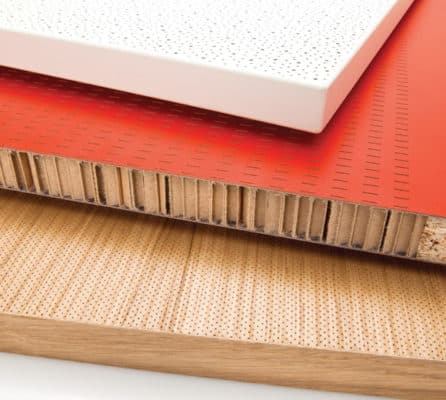
- Micro-Perforation panelsMicro-Perforation panels for walls or ceilings combine the natural beauty of wood with exceptional acoustic performance, as the sound is absorbed by the surface…
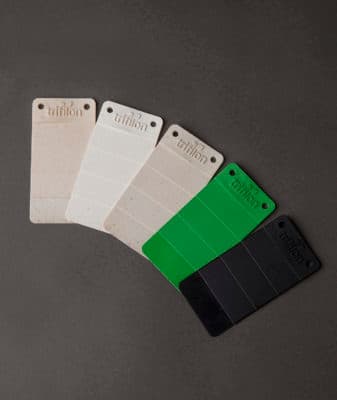
- Trifilon STrifilon S is a renewable thermoplastic biocomposite developed by Swedish material company Trifilon. Combining bio-based polyesters with natural fibres, the material is designed as a lower-impact alternative to conventional fossil-based plastics for injection-moulded products. Depending on the grade, Trifilon S can be up to 90% fossil-free.
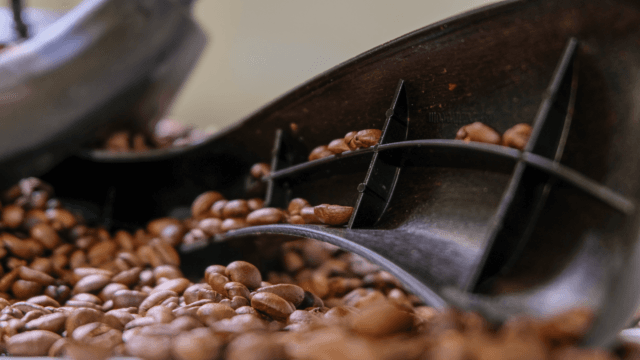
- Coffee polymerCoffee polymer is a material consisting of 30% coffee grounds and 70 other biobased raw materials. The Espresso Polymer is dishwasher-proof and biodegrades only in controlled circumstances. The Cappuccino Polymer is fully biodegradable in natural circumstances in about one year. The Americano Polymer biodegrades in about two months.
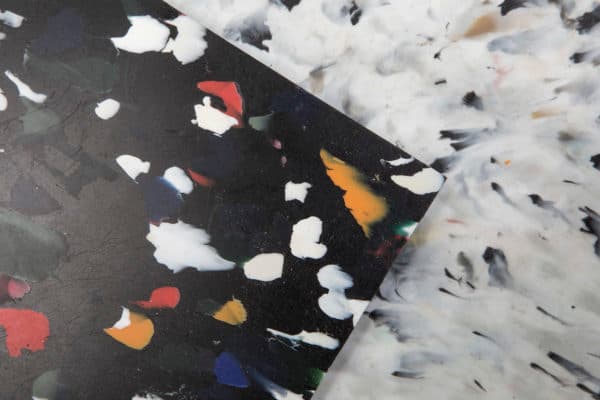
- PlasticietPlasticiet is a building material that comes straight out of Rotterdam with the hard looks of natural stone, but made from discarded plastics. The material is made with a mix of techniques used by industry and craftsmen. The rock-like material is applicable in furniture making, interior design, displays and purely decoratively.
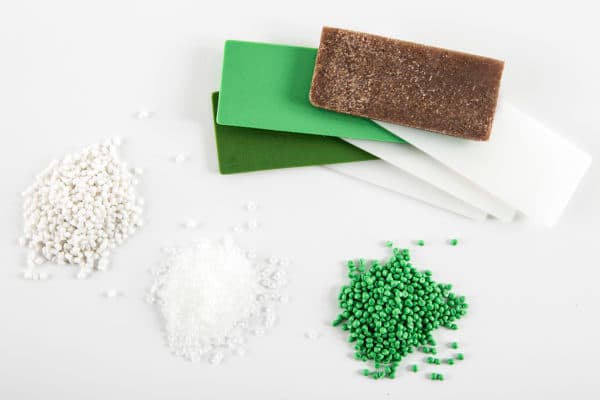
- Bio-Thermoplastic elastomerDryflex Green is a family of thermoplastic elastomer (TPE) compounds containing raw materials from renewable resources such as plant and vegetable crops. The series consists of various types of bioplastic, with amounts of renewable content to over 90% (ASTM D 6866) with hardnesses from 20 Shore A to 50 Shore D. The material has properties comparable to TPE from fossil based raw materials.
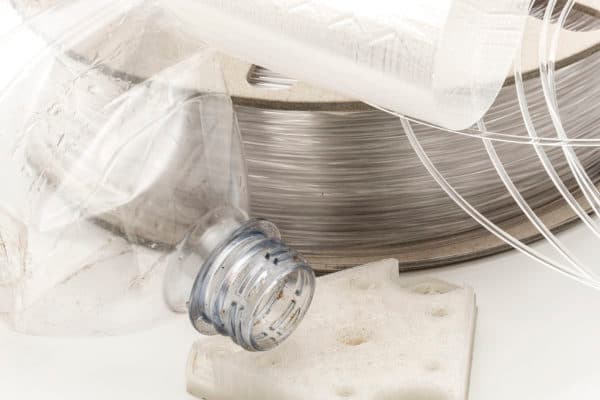
- RefilThis recycled PET filament is made from old PET bottles. It’s up to 90% recycled and is a premium quality recycled filament. The recycled PET filament prints really easy. It's strong, flexible and almost no warping during printing. Furthermore it's a very clean plastic, meaning that it's food contact acceptable (FCA) and you won't have any smell during printing.
- PrinttapijtInterior design should be a coherent ‘story’ of shapes, colours and materials. Printtapijt.nl is a concept for interior upholstery that allows for the same pattern for several products. With digital printing techniques the chosen pattern can be applied to textile flooring, vinyl flooring, curtains and drapes, fabrics and wallpaper.