Search
34 results for “ceramics” in materials
- Eggshell-based ceramics and bioplasticsEggshells, a globally abundant food waste, are increasingly recognized as a sustainable feedstock for innovative materials such as ceramics and bioplastics. Eggshell-derived calcium carbonate serves as a low-carbon alternative to mined limestone in ceramic production. Eggshells are also revolutionizing bioplastics as a biobased filler and biodegradability enhancer.
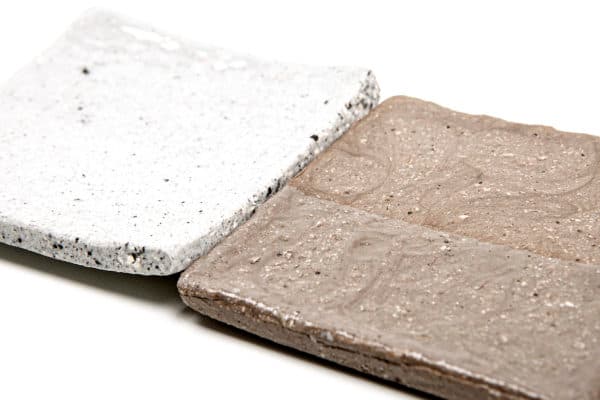
- CLEAN-AIR-CITY-CERAMICSClean-Air-City-Ceramics closes a loop. Harmful particulate matter that is captured directly from the polluted air in heavy industry is given a place in the production of glazes for architectural ceramics. Here you can see an example of a tile made from 60% recycled materials and finished with a waste glaze from the Clean-Air-City-Ceramics series.
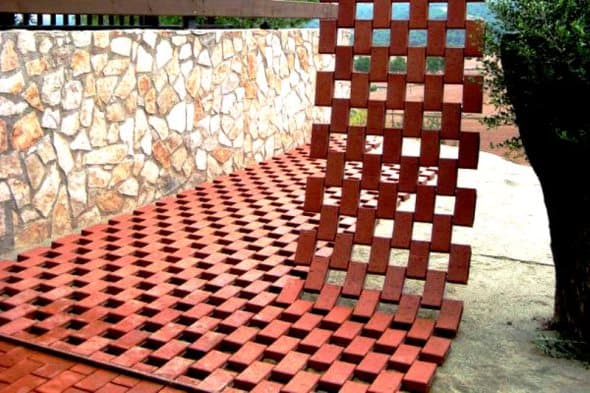
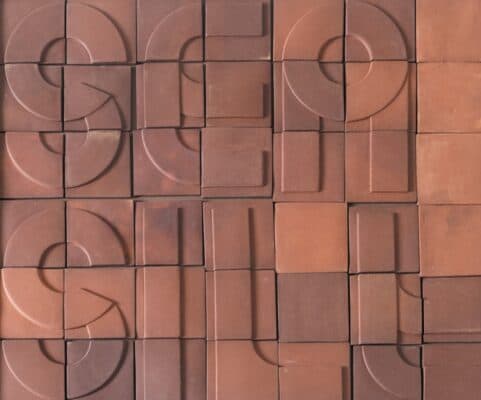
- Ceramic TextileCeramic textile is an innovative industrialized system based on an interwoven steel wire mesh, which is enclosed in a mosaic of ceramic clay tiles stacked in horizontal and vertical bands. Its main advantage is that it provides us with an ancient material in a new format that improves on traditional manual piece-by-piece installation.
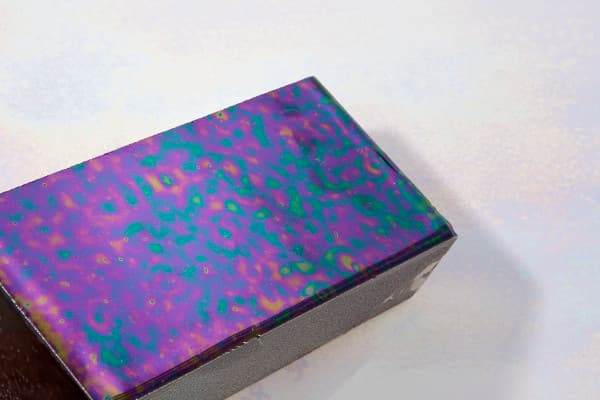
- Glazed Ceramic IridescentCeramics experts at Koninklijke Tichelaar have developed a range of glazed ceramic tiles that achieve a variety colour tones and iridescent gradations. Responding to different qualities of light, these glazed ceramics have been requested by renowned architecture bureaus for different projects across Europe and Asia.
- Sea silt CeramicsA collaboration between Humade, Koninklijke Tichelaar, Groningen Seaports and Deltares is investigating the use of dredged sea silt from the Wadden Sea as a sustainable raw material for ceramic production. The project, titled Sea Silt Ceramics, was initiated in 2020 by design studio and material innovator Humade. Early-stage research demonstrated that surplus marine sediment can be used in the creation of ceramic products.
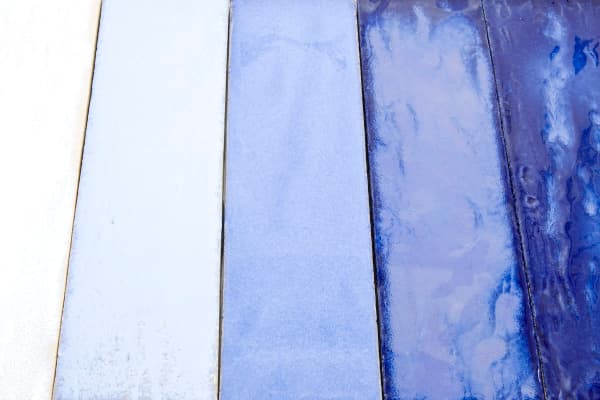
- Glazed Ceramics in Various BlueGlazed ceramics in Various Blue by Dutch ceramics expert Koninklijke Tichelaar is a range of tiles finished with coloured glass glazes. The wide range of blue tones is created through layers of glass. The glass is composed of a mixture of non-organic minerals: metal oxides and silicates. This is mixed with water to form a liquid, which is then poured over the ceramics.
- Ceramic SteelThe ceramic steel process results in a product combining the qualities of ceramic with those of high grade steel. An added value to Ceramic Steel is the possibility of silk screen printing. This technology permits the fusion of extra layers of enamel paste resulting in a non-ageing (full color) print fired into the surface.
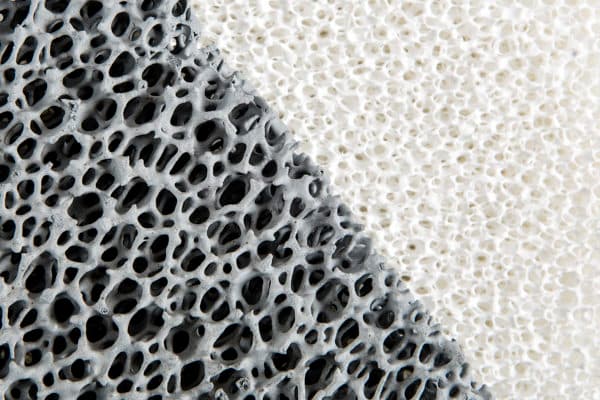
- Ceramic foam filtersThese ceramic foam filters are designed for mould-casting metal. Thanks to the mechanism of creation of the “filter cake” on the inlet filter side and thanks to depth filtration inside the ceramic matrix, these ceramic foam filters are an effective instrument to reach metallurgical purity of molten metal during the process of casting. The filters also calm mould filling.
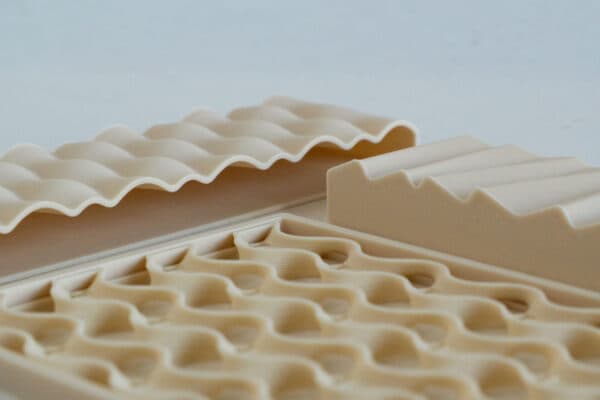
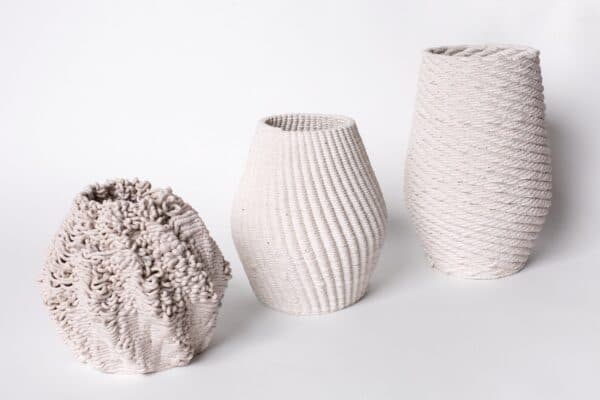
- Reprint Ceramics‘Reprint Ceramics’ is a series of 3D printed lamps, parametrically designed, made from recycled ceramics. It combines the 3D clay printing technique by Coudre Studio (Spain) with the methodology for re/upcycling discarded household ceramics by Hanneke de Leeuw (Netherlands).
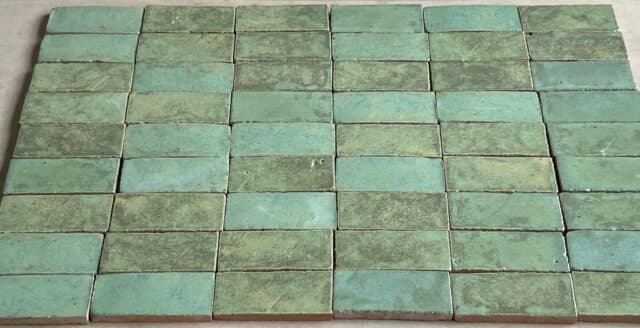
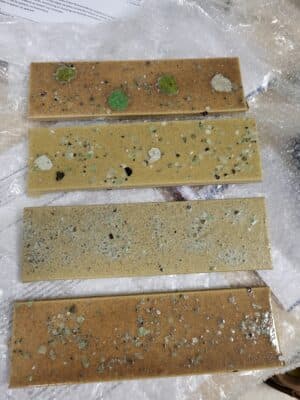
- Glazed Ceramic Strips with Recycled Glass FinishThese ceramic strips are frost-resistant and suitable for both interior and exterior applications, such as wall cladding and façade systems. The distinguishing feature of the product lies in its glaze, which is developed from recycled glass waste. The raw material is sourced from post-consumer glass collected via public bottle banks.
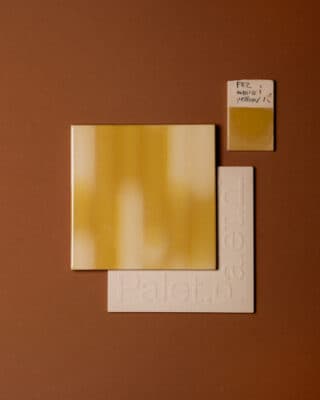
- Custom ceramic tileGlazed ceramic tiles made from fired clay, with a durable vitreous glaze surface, non-porous, designed for interior wall use. Palet combines design, code, and craftsmanship to make custom ceramic tiles easy and accessible. Created by a small team with expertise in digital design and ceramics, the studio applies digital product thinking to interior surfaces.
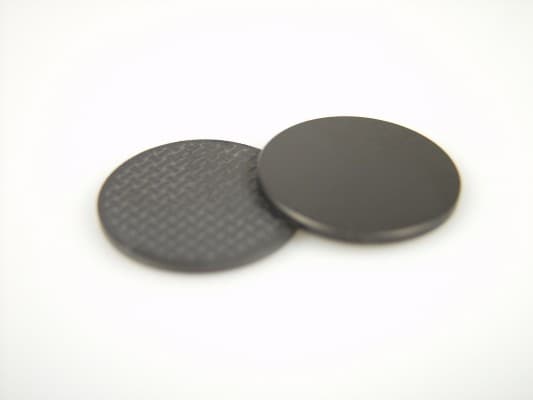
- Aesthetical CeramicsAesthetical Ceramics presents everlasting beauty by combination of exclusive appearance with absolute scratch resistance. The manifestation can vary from matt-finished to high gloss polished and every desirable texture in between. Aesthetical ceramics is extremely skin-friendly.
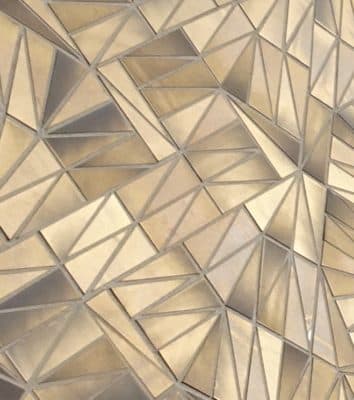
- Clean Air City Ceramics – bronze glazeClean Air City Ceramics is a collaboration between Studio Christine Jetten and ENS Clean Air, in which air pollution is processed into architectural ceramic glazes. This glaze typology reduces particulate matter, reuses accumulate waste and reintroduces this waste in circular ceramic glazes. These tiles are the custom application for Rebel House, a new approach to sustainable and entirely circular vacation homes.
- Remake CeramicsWith Remake ceramics, Fabrique Publique reuses broken pieces of ceramics, saving them from the incinerator, and makes it a valuable resource for new products. The amount of recycled content can be varied, as well as the size of the grains and colours.
- Circular CeramicsCircular Ceramics is made from high-fired ceramic waste. The clay developed by Meaningful Matter includes a mixture of waste materials, either mixed or sorted. Shown here is: 1. Mixed waste, visible, low percentage; 2. Earthenware/stoneware, visible, medium percentage; 3. Porcelain, not visible, high percentage; 4. 100% waste (not yet in production); 5. Coloured clay and waste, temperature reduction
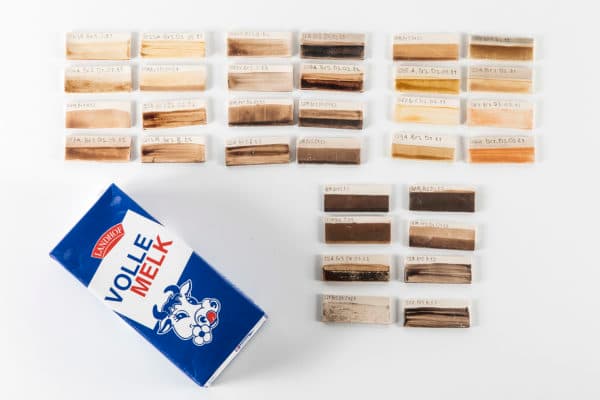
- Care For Milk ceramic glazeCare for Milk project is an attempt to reclaim the way milk used to be valued prior to its mega industrialisation. During her research, designer Ekaterina Semenova explored the effects of different dairy products and waste when used as a glaze on ceramics, which makes the clay both more durable and waterproof. Depending on the type of milk - raw, low fat of high fat - different brown colours appear.
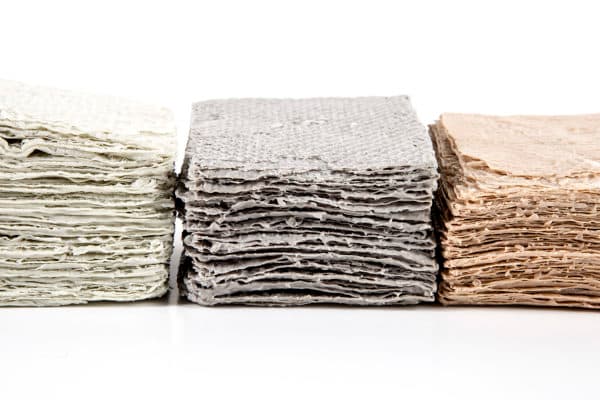
- Tissue paper & clay ceramicsThese ceramics are made from tissue paper and clay slips, creating a stacked material that looks like stratum. Designer Jongjin Park explores the abilities of ceramics, playing with the perception of what's real.
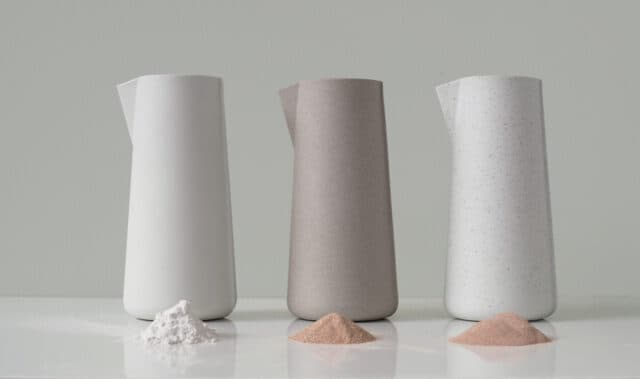
- Ceramic sandCeramic sand explores the question what the effect of sand is on the colour and structure of ceramic pieces. Using various kinds of sand from various places, designer Marin Jansen experimented with adding sand to clay. In addition, she also used sand to make glaze. The same sand added in a glaze but fired in different ways (oxidation, 1260 C, reduction and oxidation 1050 C) gives different results.
- bios.antibacterial ceramicsThe bios.antibacterialceramics slabs have antibacterial properties in the full mass. During processing, to the ceramic material mineral particles are added, that generate a highly effective antibacterial reaction. The bactericide action remains unchanged in time; no light is needed to enable it. The tiles can be supplied in natural, polished and glazed versions.
- Corten Ceramic TileThe Corten ceramic tiles by Tau have the look of a Cortenz steel panel. As opposed to actual steel, these ceramic tiles do not corrode any further and the corrosion does not wash out on other surfaces, such as windows.
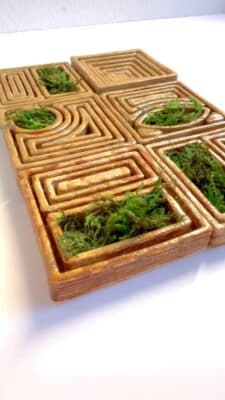
- 3D Printed Urban Ceramics 4D TileThe 4D Tile is an innovative 3D printed ceramic tile conceived as a 4D building element, designed to interact over time with water, climate, and living nature. Measuring 8x8 cm and crafted in durable stoneware ceramic, its sculptural geometry is engineered to capture rain and retain ambient moisture, creating ideal conditions for local moss to thrive.
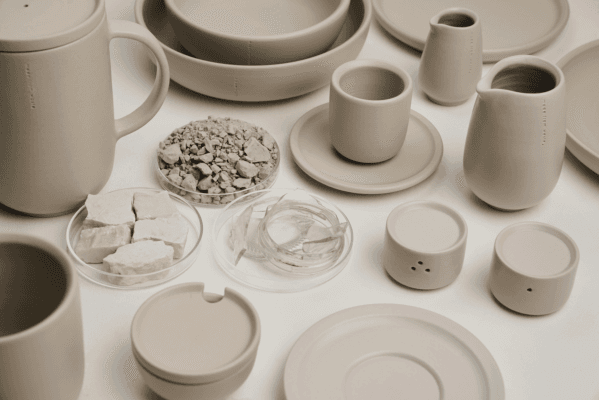
- Circular CeramicsCircular Ceramics designed by Sara Howard in collaboration with Kevala Ceramics, focuses on designing a new way of consuming that reduces the harm inflicted on our planet and preserves our natural resources - without compromising on design. This collection's clay body is made from 100% waste, sourced from Kevala's factory wastewater treatment system. The glaze is engineered from industrial stone manufacturing slurries and consumer glass waste sourced from Bali's rivers.
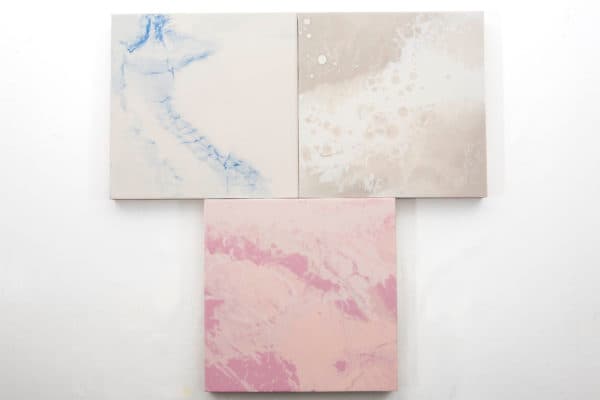
- Ceramic surfaceThis ceramic range of panels is based on the idea of creating surfaces that have the delicacy of fired glazes. The tactile appeal of the surfaces is designed to engage the user to try and determine how the material has been created as closer inspection shows that the depth of the design is not a paint effect but a solid surface. Solomon and Wu loves the idea of investigating the possibilities with designers.
- ECI Ceramic CoatingECI Ceramic Coating is an environmentally friendly water based polymer roof and wall coating. This solar reflective coating reflects solar light and prevents heat conduction.