Search
35 results for “composite” in materials
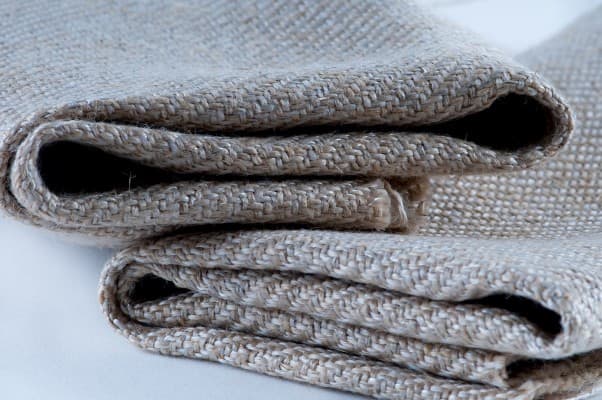
- BiotexBiotex are a series of natural fibre reinforcements/biocomposite materials, including yarns, tapes, fabrics/textiles and preconsolidated sheets. The standard product range is based on flax, flax/PP and commingled flax/PLA. Components can be made from the fabrics or tapes using conventional moulding techniques. Biotex are recyclable and in some cases fully biodegradable.
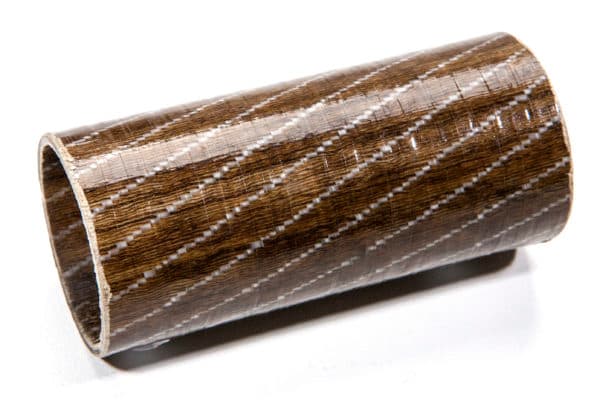
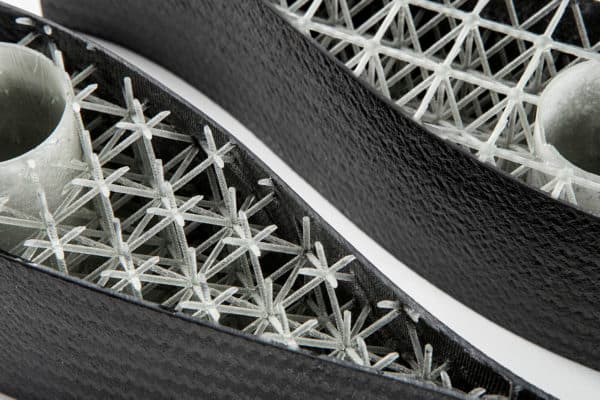
- 3D CompositesComposites are made for lightweight and strong constructions and are a mix of fibers and resin. Aestetica 3D is a way to put colour, texture and depth onto the surfaces in the same manufacturing process. Carbon is lighter and stronger than glass so where weight needs to be the minimum this is the backing to use. The composite qualities are enhanced with a UV stabiliser in the epoxy resin.
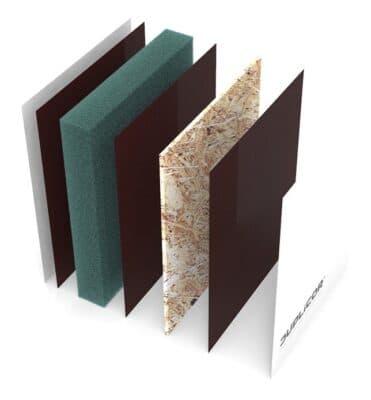
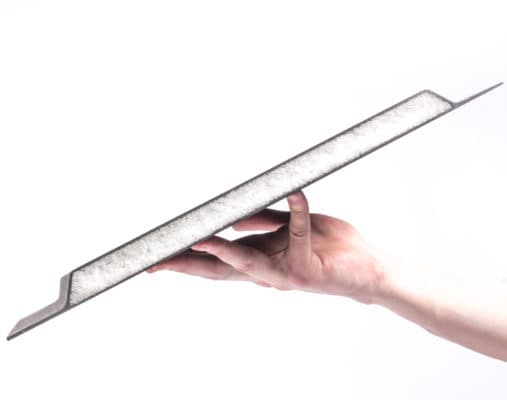
- Duplicor® biobased compositeDuplicor® is a fully bio-based composite (building) material. Manufactured from a 100% natural resin, virtually non-flammable, lightweight, CO2-saving and also affordable. Duplicor® bio-composite is made from bio-waste and in a sandwich construction with old PET bottles, which is used as insulating core material.
- Wood Plastic CompositeThe composition of Wood Plastic Composite (WPC) is a composition of 55% wood flour, 10% talc, 33% PP resin and 2% grafted polymer. This mixture is melt compounded and than granulated.
- MYCL™ CompositeMYCL™ Composite is a 100% biodegradable natural mycelium composite, sourced entirely from non-virgin agricultural biomass waste. It embodies a circular and eco-friendly approach, minimising environmental impact. The material is certified under the E0 Formaldehyde Emission Category, ensuring ultra-low emissions of formaldehyde, aldehydes, and other volatile organic compounds (VOCs).
- Lana wool mycelium compositeThe Lana project is an innovative exploration into the potential uses of pre-consumer wool waste, for the creation of mycelium-based composites intended for architectural applications.
- Plantics bioresin compositesPlantics is the developer and owner of a unique new family of circular biobased thermoset resins and materials. The resins can be used as a binder in composites and wood panels, and as a basis for coatings and foams. When the resin is combined with (natural) fibrous materials it creates a wood-like composite product.
- Flaxco flax compositeFlaxco is a flax fibre reinforced thermoplastic prepreg for the composite industry. The materials are manufactured from woven flax fibre, pre-impregnated and consolidated with polypropylene or PLA resins. The materials can be delivered in rigid sheets or on rolls. The mechanical properties of these lightweight bio-based materials are high stiffness, strength, vibration and noise absorbing.
- 3D printed customised compositesFiberneering is a manufacturer of 3D printed fibre reinforced composite parts. They create customised strong and lightweight products in almost any shape. The company offers freedom in design, and possibilities for structural applications as well as prototypes. Fully functional carbon or glass fibre reinforced parts can be produced in almost any shape or form.
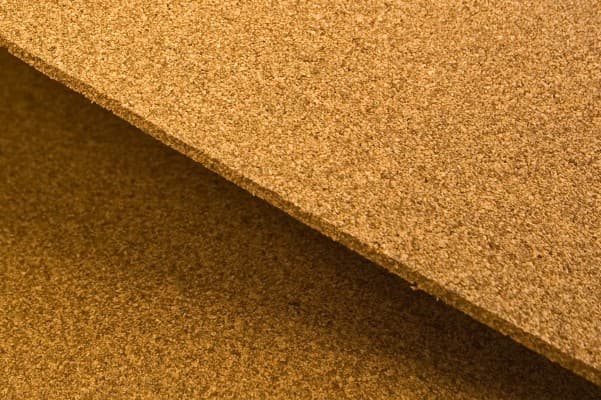
- CPC Cork Polymer compositeCork Polymer Composites (CPC) is a composition of 30% Cork flour, 30% Coconut fiber and 40% PVAc resin. This mixture is melt compounded and granulated and than consolidated under heat and mild pressure.
- Textile/resin compositeThis composite material consists of glass fibre reinforced polypropylene pultrusions applied as warp in a fabric with thin black fibres as weft. By heating and compression moulding this fabric, flat or curved panels are manufactured with a relatively high strength and stiffness.
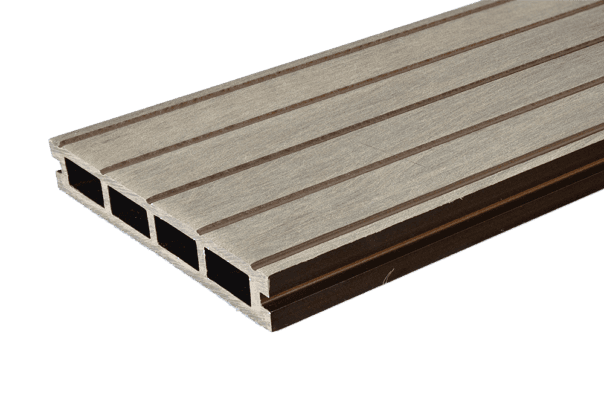
- UPM ProFi compositeProFi composite is an environmentally innovative material that combines the characteristics of wood fibers and plastic. Manufactured mainly from recycled material, it has proven to be tough and humidity resistant and is ideal for outdoor use.
- OBRO – Leather-Infused Translucent PVC CompositeOBRO is a translucent composite material developed by integrating finely powdered recycled leather into black PVC (polyvinyl chloride). The material is designed to combine the structural durability and water resistance of PVC with the tactile warmth and depth typically associated with leather.
- Natural Stone CompositesThe product range of Bomarbre-Marbralys also includes a line of resin-bonded natural stone composites, in which natural stone granules are bonded using synthetic resin instead of cement. This yields a truly unique aesthetic effect and enormously enlarges the range of available colours.
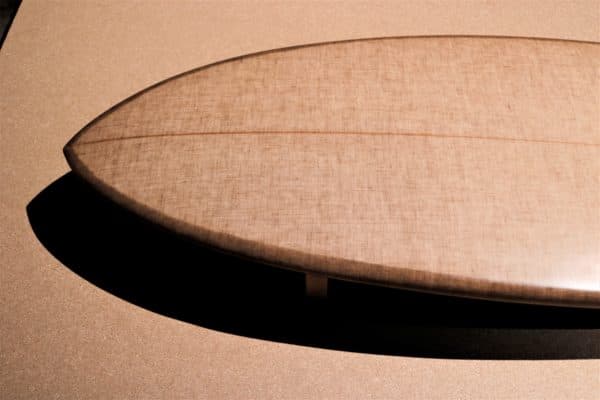
- Flax-reinforced composite materialsStudio Bart Vernooij is a fresh design studio focussing on material research and product development, often incorporating new materials and production techniques in these products. At the moment the main focus is on the development and application of sustainable alternatives to fibreglass in composite materials. This done with the use of natural fibres, like flax, and partially biobased resins.
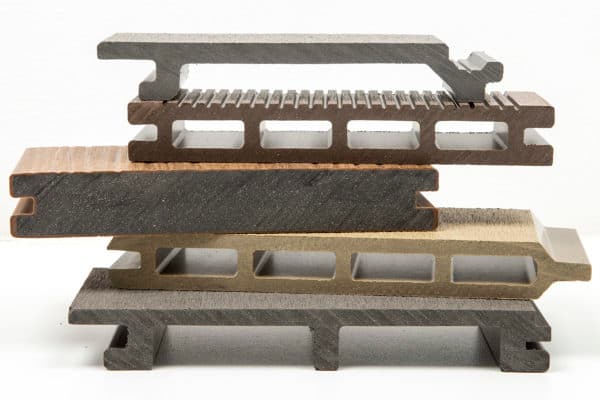
- Hyperion wood compositeHyperion is a wood-polymer composite made from 60% recycled wood and 40% recycled High Density Polyethylene, environmentally gentle bonding agent, additives and tint. The material is low-maintenance and comes with 15 years warranty against splits, splinters, rot and fungal decay. The decking material is anti-slip and reversible.
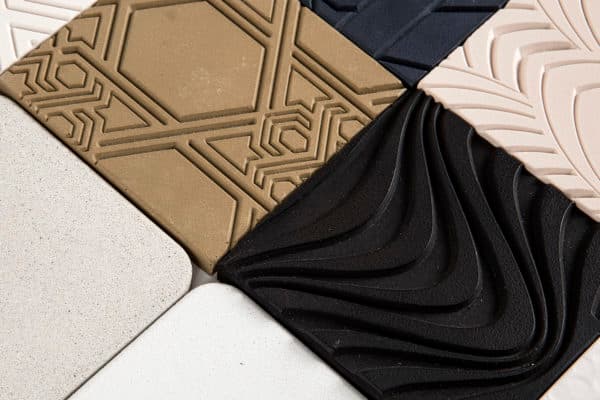
- Jesmonite compositeJesmonite is a composite material made from a combination of a reactive mineral base and a pure water-based acrylic resin. It can be used to replicate the appearance and texture of any surface finish in any number of colours. It's lighter than stone, glass-reinforced concrete, sand and cement products, en fire-resistant with a class zero fire rating, reduced smoke density and toxicity characteristics.
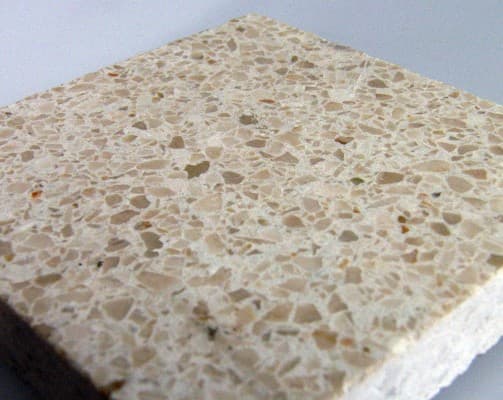
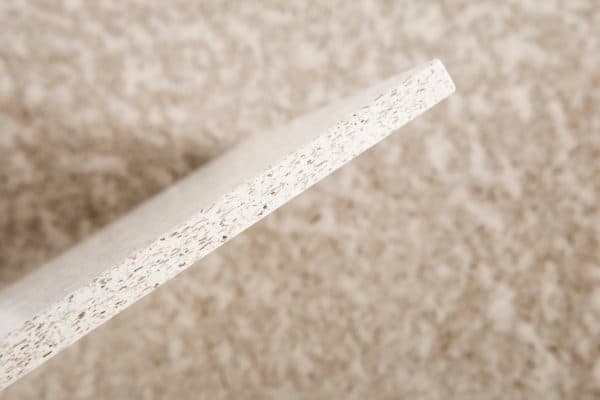
- Composite stoneComposite stone consists of a high quality composite blend of various fillers and a binding agent. The compactness and structure mean that a breeding…
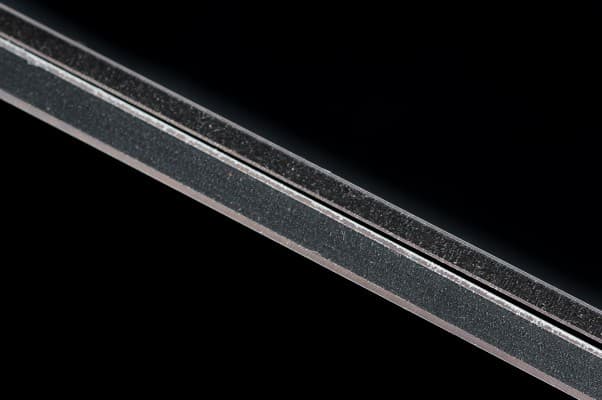
- Almaxco Composite PanelsAlmaxco aluminium composite panels consist of two aluminium skins with a recycled LDPE core, or a fire rated PE core, adhered with Dupont adhesive polymer film. The top aluminium skin is treated and color coated with polyester powder coating, and has the option to be coated with a special Nano PVDF coating to protect the paint surface as well as make the surface resistant to oil and dirt. Almaxco panels are 100% recyclable.
- NPSP CompositesNPSP Composieten is a manufacturer of products of fibre-reinforced plastics. Next to conventional materials, NPSP also uses durable materials like flax and hemp in combination with their high class production process of VA-RTM (Vacuum Assisted Resin TransferMoulding).
- Reduco Biobased Façade Panel – Willow CompositeReduco is a high-performance biobased façade material made from fast-growing European willow and plant-based binders. The panels are engineered as a fully circular alternative to conventional cladding, offering architects and builders a natural, durable, and technically reliable solution for contemporary construction.
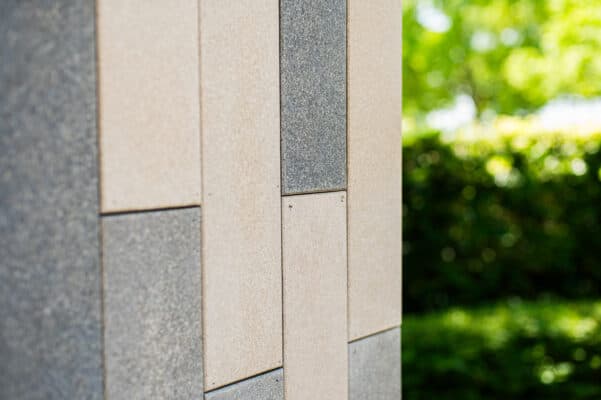
- Composite Stone – Façade claddingFlexibility Holonite offers a wide range of colours, textures, and finishes. This allows you to fully customize the facade cladding to match the architectural…
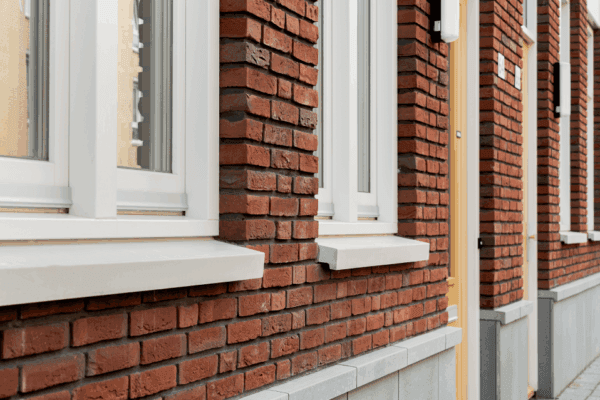
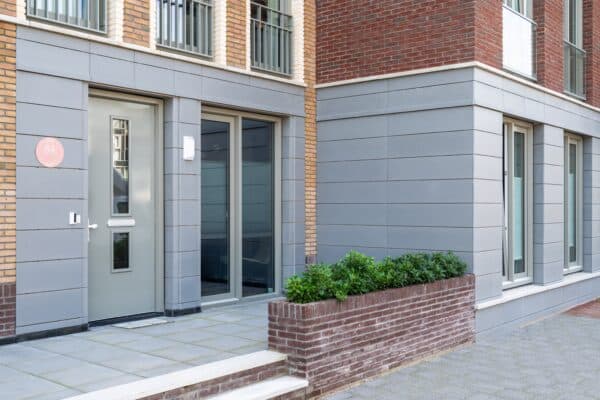
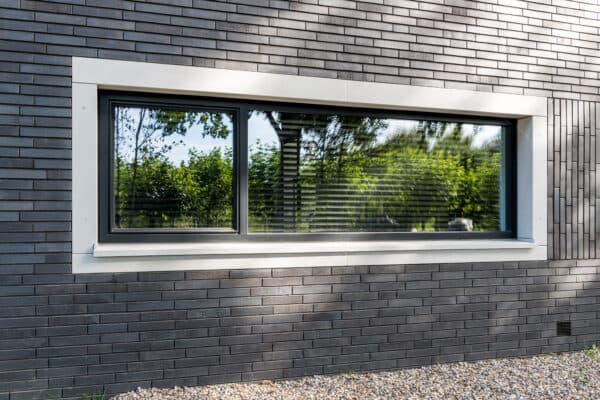
- Composite Stone – Window or door surroundingA modern answer to traditional materials Historically, door and window surroundings were primarily made of wood, concrete, or natural stone. While these materials have…
- Plana wood (Husk Plastic Composite)Planawood is a high-performance composite material designed as a sustainable alternative to traditional wood. Made from 60% rice husk, 30% recycled plastic, and 10% performance-enhancing additives, it offers exceptional durability. Unlike natural wood, Planawood is resistant to water, termites, and rot.