Search
33 results for “cork” in materials
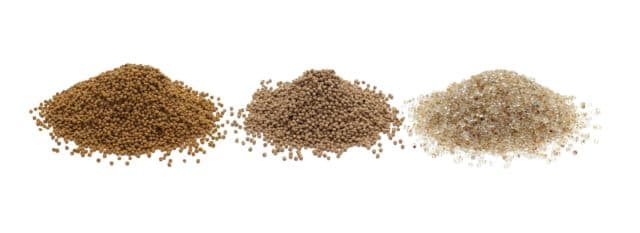
- CPCs – Cork Polymer CompoundsCork polymer compounds - CPCs are classified as particle-reinforced composites and are an example of the combination of the properties of thermoplastic polymers with the unique advantages of cork. Developed by Amorim Cork Composites’ I.cork factory, CPCs are a range of cork bio composites offering the mouldability of plastics and the lightness and sustainability of cork.
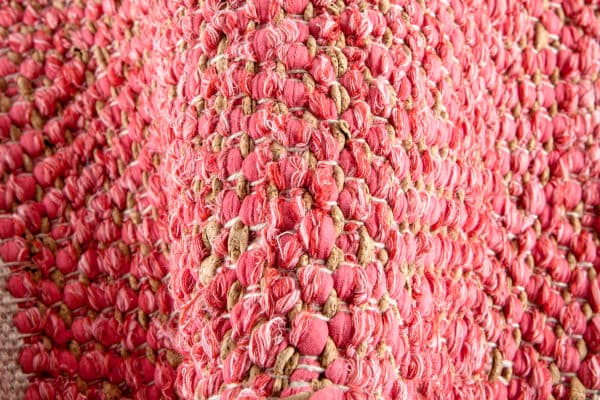
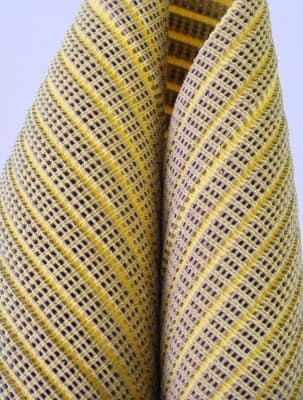
- Cork rugsThese contemporary and functional design cork rugs are made of a combination of cork and natural fibres such as (recycled) cotton, linen, and wool. The rugs come in a variety of colours and with various patterns. The sizes can be custom ordered, with a max width of 200 cm. The trimming of the rugs can be sewed or with fringes.
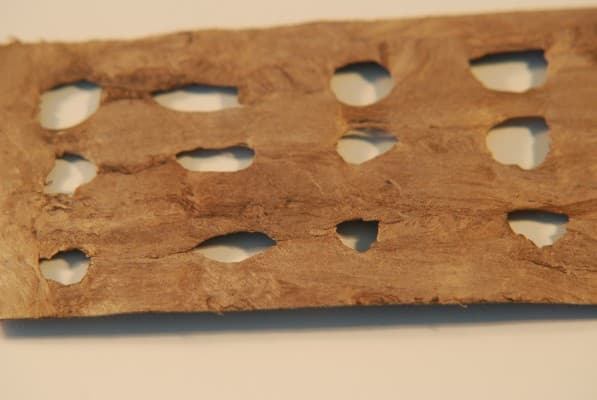
- Cork FabricCork fabric , or cork leather as it is sometimes called, is a high quality fabric produced from thin cork shavings obtained directly from the bark of the cork oak tree. Much of the production is hand crafted.
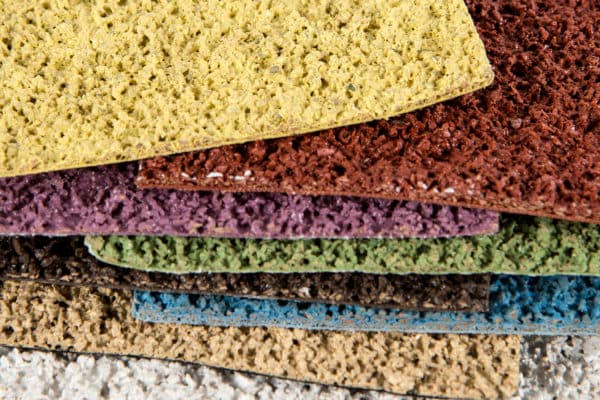
- DECOPROYEC SPRAY CORKDecoproyec spray cork and cork paint combine recycled natural cork granules together with a water-based polymer binder to obtain an elastic surface protection and…
- CorkCork has excellent thermal and acoustical qualities. It's beautiful, lightweight, warm to the touch, hypoallergenic, fire and insect-resistant, stable and renewable every 8-10 years. It can be used as a wall covering and for floors, in a variety of designs, sizes and colours.
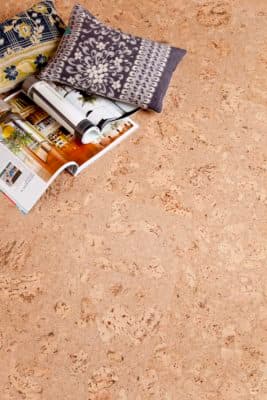
- TRADITION Cork floor tilesNatural cork floor tiles, to be used as an interior floor covering. TRADITION cork tiles are made of 100% cork, both recycled from cork stoppers manufacturing and virgin cork. They are biodegradable and do not contain PVC, plasticizers or other substances hazardous to health or the environment.
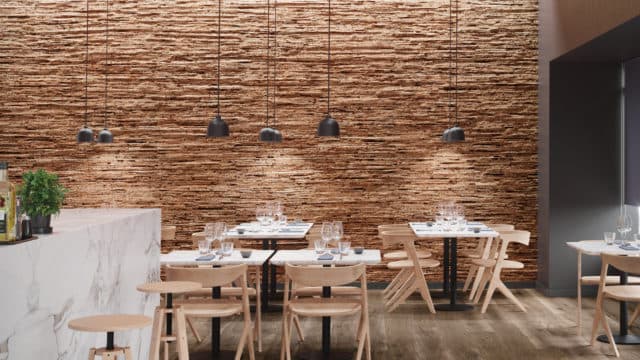
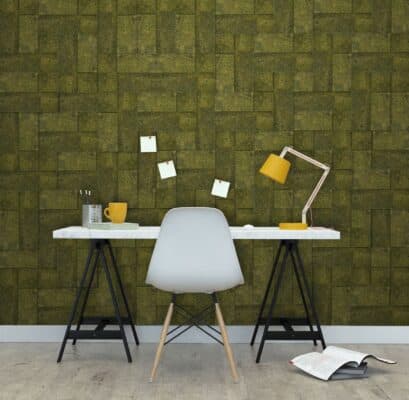
- RUSTICORK cork tilesPatchwork cork tiles or panels produced by gluing and pressing several pieces of natural cork, to be used as a wallcovering within buildings. RUSTICORK uses strips of natural cork, which are discarded for the manufacture of stoppers, or pieces of virgin cork in its raw state.
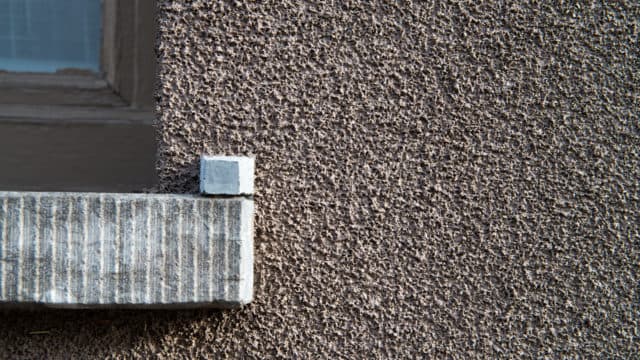
- Cork plasterDecoproyec spray on cork combines natural cork granule with biobased resins, maintaining cork's unique elastic, resistant and isolating qualities. This protective and decorative coating is applied using an air pistol, after which it forms a waterproof and breathable skin, which looks like plaster. The material is available in a wide variety of colours and granule sizes.
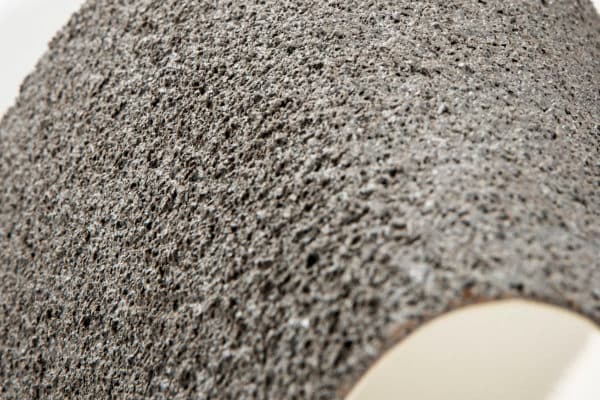
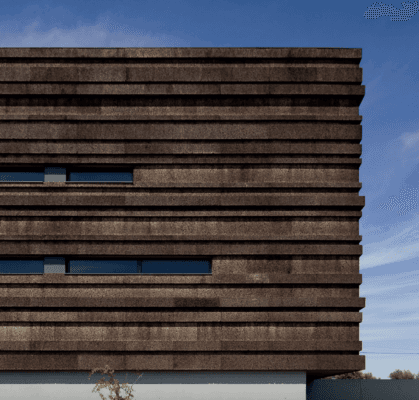
- Cork façadeCork façade consists of expanded cork, an excellent insulating material and 100% natural. The material is made by heating the cork granulate, which pops like popcorn, releasing a resin (suberin) that binds the granulate naturally. Slates of expanded cork can be used as façade cladding. Thanks to its high density, expanded cork is a damming material.
- Iso-CorkIso-Cork is a sprayable cork coating. It can be applied at walls and facades, even roofing. It consists of 96% cork, pigments and an acrylate binder. And is applicable at wood, metal, stone, concrete surfaces. Iso-Cork is sustainable, has a high thermic isolation, is suitable outdoor and available in various colours and granules sizes.
- Cork and Coconut InsulationQualycork supplies insulation products made from expanded cork and coconut fibres for thermal and acoustic applications in buildings. The materials are fully bio-based and derived from renewable natural resources. Expanded cork is produced from cork oak bark, harvested without damaging the tree. Coconut fibre insulation is derived from coconut husks and is primarily used for acoustic performance.
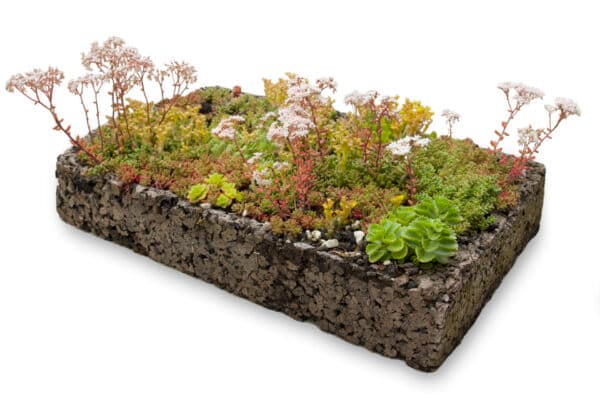
- Cork green roofA composite buildup for a circulair and optionally biobased geen roof based on expanded cork. The expanded cork gives the green roof drainage and provides extra insulation. On top of the cork is a layer of cloth made from recycled synthetic clothing fibers and a substrate from recycled roof tiles.
- Cork FabricAs a material, cork is naturally light, flexible, sound and thermally insulating thanks to the honeycomb structure of its cells. These natural properties are now reinforced in Cork'n Roll products with new performance advantages including: abrasion, mechanical, stain and water resistance, along with unlimited design possibilities.
- Cork LeatherCork leather is a high quality fabric produced from thin cork shavings obtained directly from the bark of the cork oak tree. Much of the production is hand crafted. Cork leather is soft to the touch, environmentally friendly and ecologically minded, easily cleaned and long lasting, durable as leather and versatile as fabric, waterproof and stain resistant as well as dust, dirt, and grease repellent.
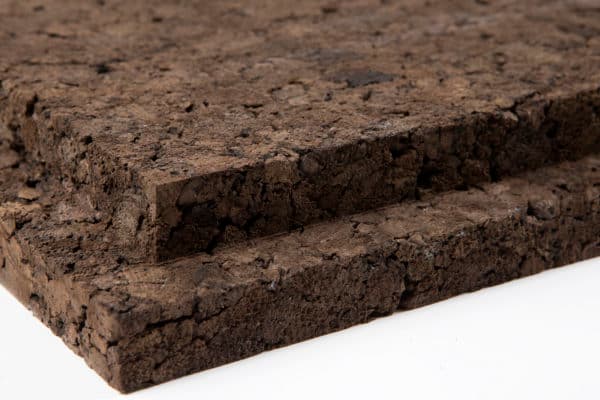
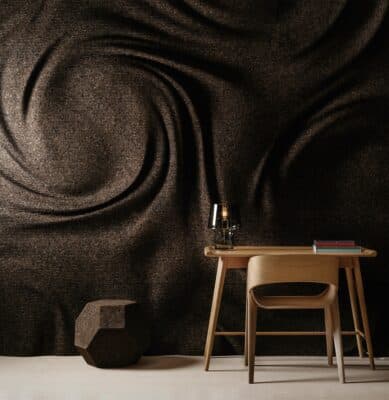
- Gencork cork surfacesThe brand combines expanded black cork agglomerate with computational design tools, including algorithmic systems and artificial intelligence, to produce interior wall coverings and design installations. The core material used is expanded black cork, a 100% natural cork agglomerate manufactured without synthetic additives.
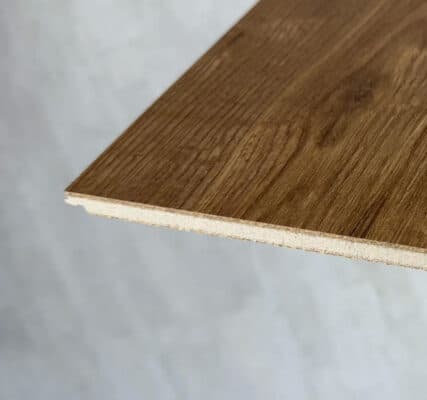
- Trentino Collection – Digitally Printed Cork FloorsThe Trentino Collection by Kurk & Co comprises cork flooring finished with digitally printed surfaces. Using digital print technology, the collection offers a wide range of designs, from classic wood and stone appearances to more expressive decorative patterns. Shown here is Trentino Oak Natural, a floating click floor that combines the visual appearance of oak with the comfort and acoustic properties of cork.
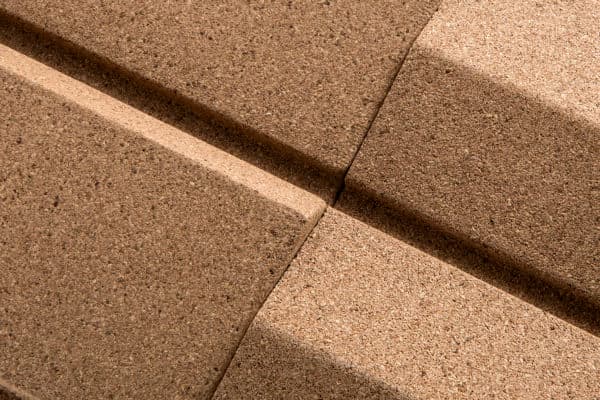
- Acoustic cork wall tilesThe acoustic cork wall tile collections Lisboa and Porto are made from 93% recycled cork and 7% resin, produced in a waste-free molding process. The tiles can be secured to a pressure fit rail system with a gentle push. The design of Lisboa tiles takes inspiration from the street grids of its namesake city. Named after the Portuguese city known for its cork factories, the design of Porto tiles is inspired by factory buildings.
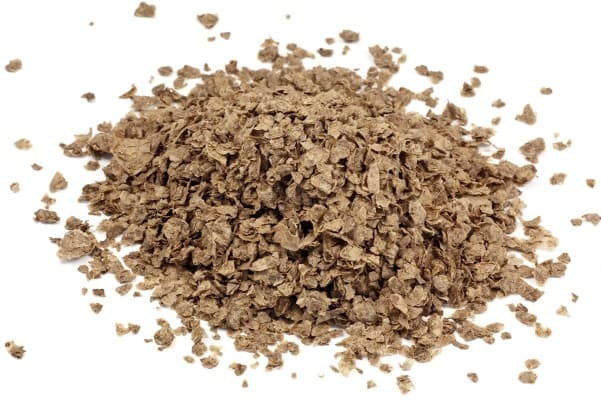
- Potato corkPotato Cork is completely bio-based as it is made from a vegetable residue: potato peelings. The peelings are hygienised and, depending on the application, pressed and dried. The main ingredients are lignin, cellulose, hemicelluloses and protein. Potato Cork has a low specific gravity, is fire resistant, isolating and water repellent, and has a high tensile strength.
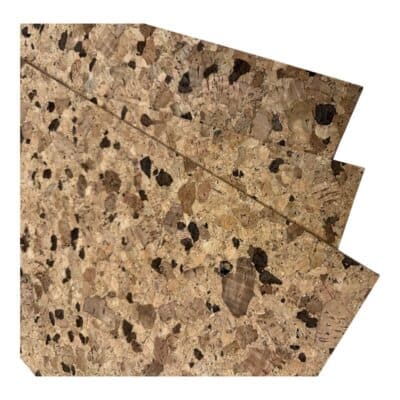
- Funchal Cork TileThe Funchal tile is a cork floor tile that highlights the natural texture and appearance of cork within its design. Manufactured in Portugal, the tile measures 300 × 600 mm with a thickness of approximately 3.5 mm. Designed for flooring applications, the tile combines durability with the inherent resilience of cork.
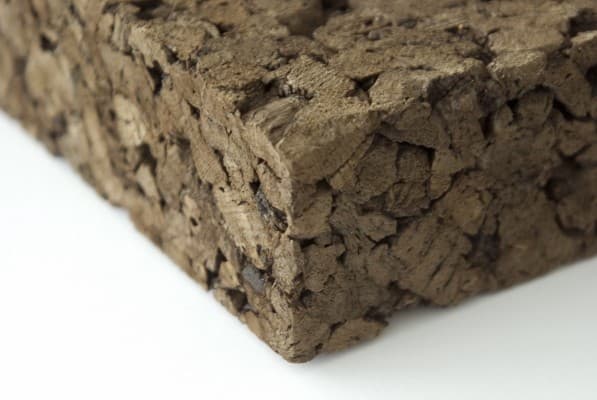
- Expanded Cork IsolationThe corkboard material is a natural product (vegetal) originating from cork. The cells of the expanded cork contain 50% of air, are waterproof and are expandable. The Corkboard is not only a good thermal but also a phonic and vibratic insulator.
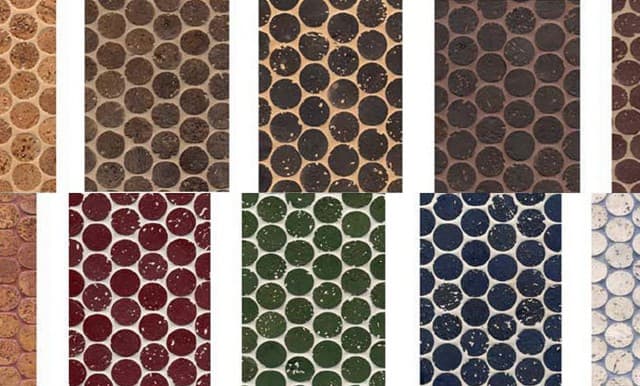
- Habitus Cork MosaicRecycled from the cork stoppers industry by-product, Habitus has created cork mosaic tiles that come in sheets. The tiles are installed by glue then grout method. They can be stained or simply finished with a water-based polyurethane.
- Cork Textile & SurfacesThe geometric patterned surfaces have been laser cut which are available in black, three metallic and various natural finishes. The cork textiles are made from woven elastane and re-composited cork which is a by-product from the wine industry. Fabrics are available in a wide range of colours.
- Muratto cork bricksMURATTO CORK BRICKS 3D are made of glued cork pieces that have undergone a natural treatment and a finish of colour pigments. These CORK BRICKS 3D come in different thicknesses and are available in different colours.
- Cork WallpaperA combination of a thin of organic top quality cork sheet and a nonwoven wallpaper 90 g/m3 handpatched together by female communities. Cork side has a soft touch, a bit of texture with natural irregularities of a cork bark.