Search
72 results for “dye”
- Ever Dye
- Ever DyeEver Dye is reshaping the fashion industry with efficient dyeing processes and sustainable colours. They have developed two green chemical solutions that are compatible with dye houses’ existing infrastructures. The two chemical solutions act like a magnet.
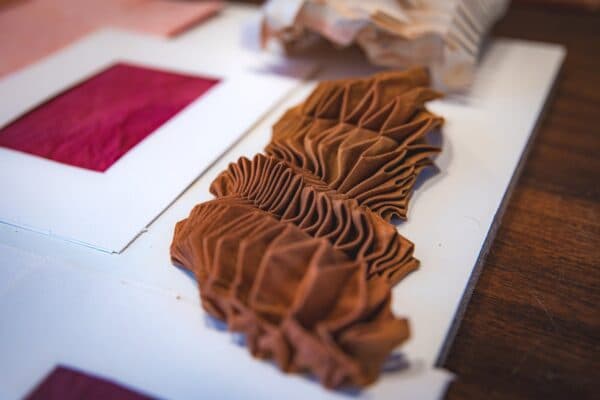
- Traditional Indian natural dyesParmeet Tesson’s project explores the adaptability of traditional Indian dye plants in the Cognac region of France to examine their climate resilience and ecological benefits. It focuses on utilizing both native and traditional materials in new, sustainable ways. Parmeet uses dyes made from oak tree byproducts, indigi, mulberry leaves, madder root, and grape leaves.
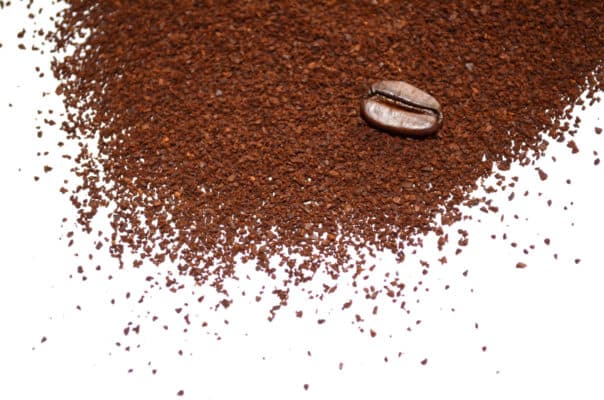
- Coffee grounds as sustainable textile dyeResearchers at Iowa State University in the US experimented with the use of used coffee grounds as a sustainable textile dye. The textile industry…
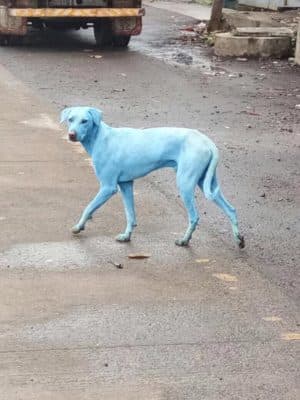
- Non-hazardous photocatalytic material removes dye from waterEarlier this month, Mumbai was startled by the sight of blue dogs wandering the streets. It turned out that the dogs had been swimming…
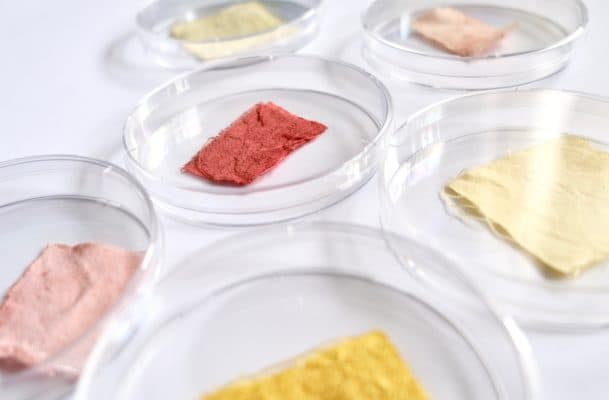
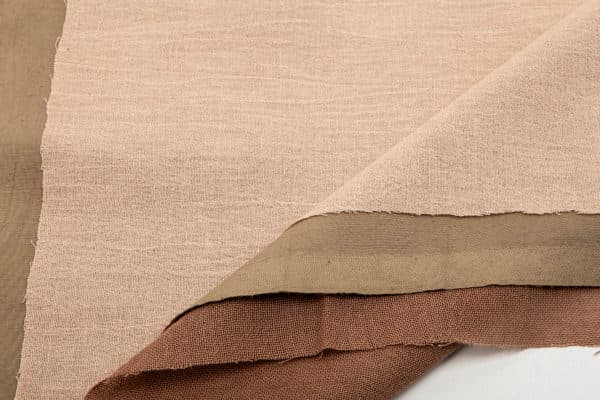
- Fabulous Fungi dyeFabulous Fungi employs fungi in order to create sustainable and safe textile dye, without the use of harmful chemicals. The biochemical processes of these fungi produce pigments. These pigments, which form the basis of the textile dye, are biodegradable. The panel shows textile (50% lyocell/50% organic wool) dyed with natural dye based on red and yellow fungal pigments. Washable, preferable cold. Slightly light sensible.
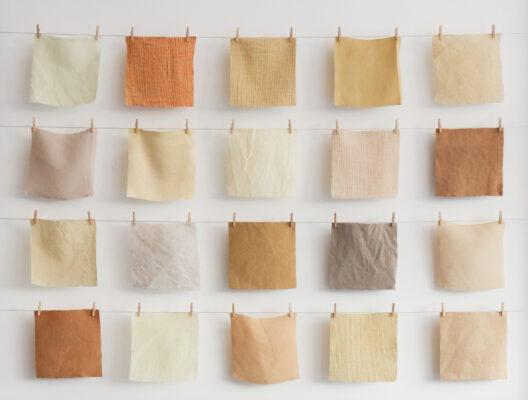
- Natural textile dyeNatural textile dye uses dyestuff extracted from plants and animals like trees, flowers, etc. The dyes are won from exclusively natural non-edible materials like stems, skins and roots of plants. The plants include Natural Indigo, Gallnuts, Madder Root, Lac, Pomegranates, Himalayan Rhubarb, Myrobalan and Catechu. Not all fabrics are suitable for natural dyeing.
- Dyeing marble inspired by counterfeit gemstone colouringChinese design studio Buzao experiments with the dyeing of marble, inspired by the open ‘secret’ of the gemstone industry: the process of colouring of…
- New sponge-like material turns harmful dyes colourlessResearchers at the University of Washington (US) have created an environmentally friendly sponge-like material that can turn harmful dyes spilled into the environment colourless.…
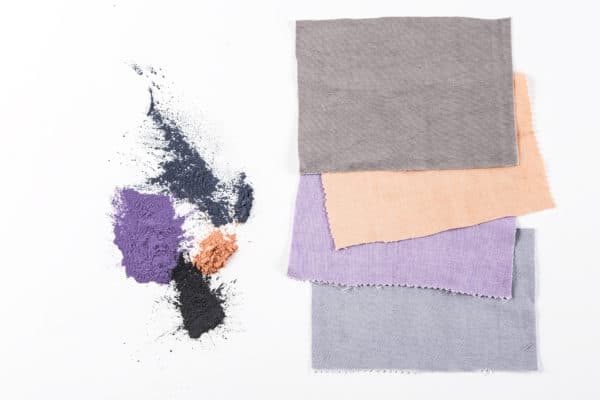
- Recycrom fabric dyeRecycrom creates a full range of pigment powders using textile fibres from used clothing and manufacturing waste. Through a process using only natural chemicals, fabric fibres are crystalised into a fine powder that can be used as a pigment dye for fabrics of cotton, wool, nylon or any natural fibre. Recycrom can be applied using exhaustion dyeing, dipping, spray, screen printing and coating.
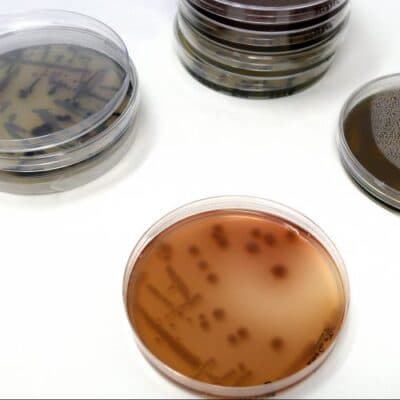
- Dyeing with bacteriaAustrian designer Julia Moser is working with pigment-producing bacteria to dye textile without harmful chemicals and pollution. Fashion colours change each year, yet one…
- Seaweed dyeThe dye is 100% seaweed based and can be made from brown, red or green seaweeds or seaweed waste streams. The product can be supplied as a powder, liquid or dyed directly onto a fabric. The dyes are local, sustainable and together with a transparent production chain.
- Bacterial Pigmentation Offers A Biological Alternative To Textile DyeingThe textile industry is looking for ways to reduce the environmental impact of dyeing, one of the most resource-intensive stages of textile production. OXMAN's…
- From Wastewater To Fashion: Textile Dye Developed From Sewage SludgeResearchers at Delft University of Technology (TU Delft) and Dutch fashion label Hul le Kes have developed garments coloured with a pigment recovered from…
- Dyeing clothes with genetically engineered bacteriaThe British company Colorfix developed a method to genetically engineer bacteria to produce certain colour making enzymes. More than a hundred billion articles of…
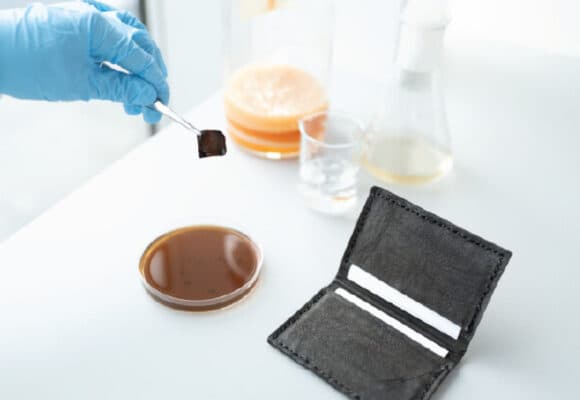
- Self-dyeing bacterial black leatherResearchers at Imperial College London have genetically engineered bacteria to grow animal- and plastic-free leather that dyes itself. Leather alternatives grown by bacteria is…
- From Plant to Palette: Natural Dyeing in Marianne Tiegen’s Chalet CocagneIn the Swiss Alps, Chalet Cocagne by Marianne Tiegen Interiors shows how colour and material can connect interiors to their surroundings. The project reimagines…
- MINERALDYE: A Natural Dyeing Innovation Using Marble and MineralsTo coincide with the 55th Earth Day (22 April), themed “Our Power, Our Planet”, Italian luxury brand Ferragamo has introduced a limited-edition capsule collection…
- Natural dyeDesigner Lucila Kenny started researching on the tinctorial properties of local plants, from the seasonal waste, for a more responsible application of dyes on natural textiles. She harvests from fallen trees, but also uses plant waste from gardens, or even food waste.
- Anne Boermans – Zeefier textile dyes made from seaweedsAnne Boermans is business founder and CEO of Zeefier, a start-up that produces textile dyes for the industry, made from seaweed and its waste…
- 100% bacterial dye“LAB_MADE” illustrates the potential of grown pigments. These samples have been dyed with pigments obtained from bacteria. Bacteria can be grown instead of produced and their rapid production rate makes them an interesting resource to work with.
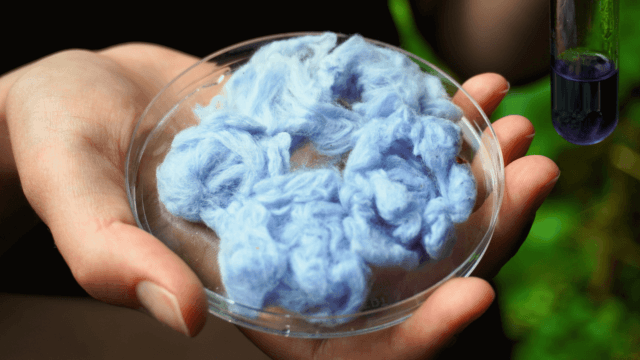
- Engineered Yeast Brews Purple-Blue Dye for Scarves and CelluloseWageningen start-up Novya Biotech engineers yeast to ferment a purple-blue colourant. At Dutch Design Week 2026 it showed prototype scarves, yarn and bacterial cellulose dyed with it.
- Bianca Zomer & Reina Ovinge – Through Wool & Dye Connections, We ThriveBianca Zomer is the co-owner and head of business development at Zeefier, a Dutch startup (2020) producing industrial textile dyes from seaweed. With a…
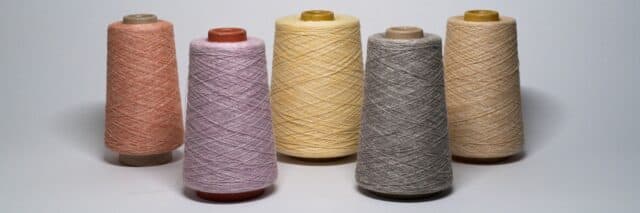
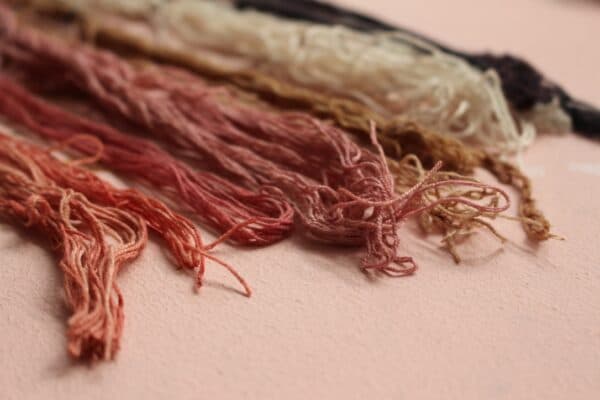
- ALCHIMIA – Natural Yarn dyes on Milk fibreA versatile range of natural dyes developed on milk protein-based yarns in collaboration between designer Shahar Livne and Dyer Roua AlHalabi, made from materials driven from animals such as blood, collagen, and milk, minerals such as hematite and aluminium, plant parts such as oak apple and flowers and roots of the Rubia tinctorum plant; together, the materials create a rich variety of colours through alchemical reactions.