Search
48 results for “glass fibres”
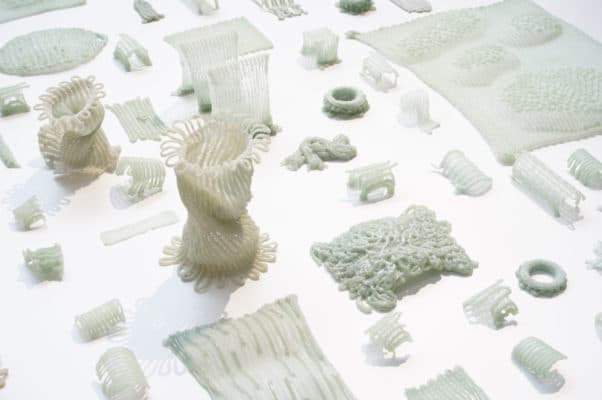
- Tapestries made of fired glass fibresWith her project ‘Soft Silica’, designer Sarah Roseman experiments with glass fibre textile, turning the material into intricate structures after firing. Roseman uses glass…
- TIMax GL Glass fibre insulationTIMax GL is a glass fibre insulation material that enhances the heat insulation (U-value) of profiled glass façade systems. TIMax GL is both translucent and light scattering. Due to this light scattering effect, even deep rooms can be illuminated evenly. TIMax GL additionally offers sun protection because it reduces the solar heat penetrating a window in the summer. .
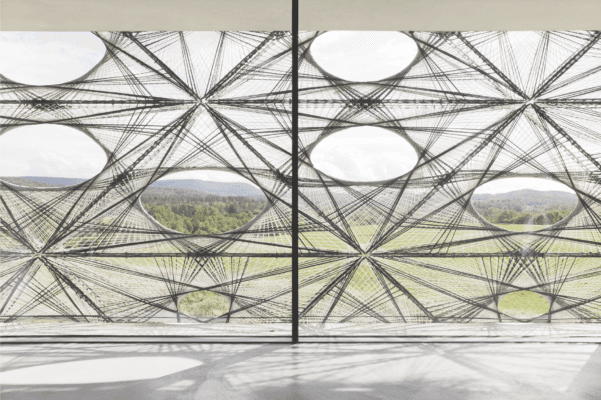
- A facade robotically woven of carbon and glass fibresFor a new building at the Reutlingen University of Applied Sciences, architectural studios Allmannwappner and Menges Scheffler Architekten created a façade that looks like…
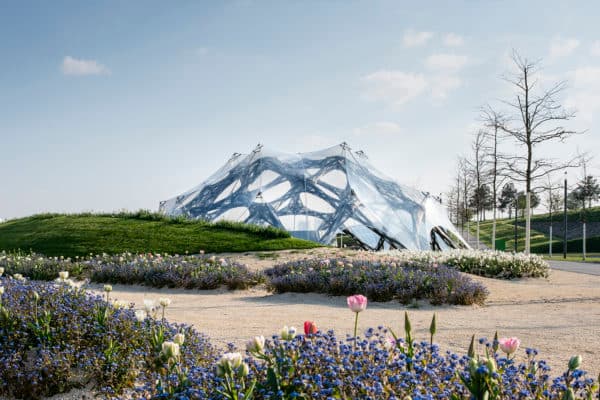
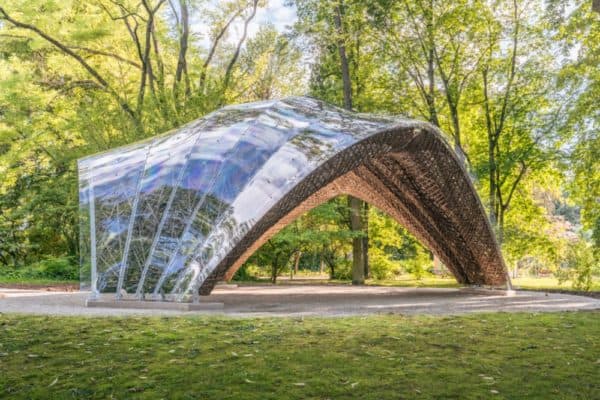
- Fibre composite pavilion is inspired by natureEngineers at the University of Stuttgart developed the BUGA Fibre Pavilion, which combines cutting-edge computational technologies with constructional principles found in nature, and is…
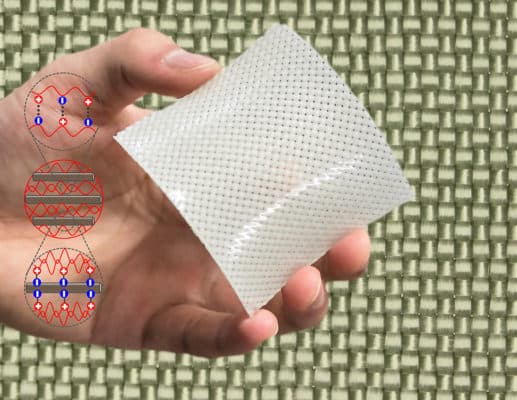
- New fibre-reinforced hydrogel is tougher than metalA hydrogel is a superabsorbent gel made of natural or synthetic polymers. They can absorb up to 99.5 per cent water in volume. Because…
- An optical fibre made of celluloseResearchers at VTT Institute in Finland developed an optical fibre made of cellulose, which could be used in sensor applications. The core of the…
- GREENLANDER Introduces Natural Fibre Composites in Expedition Vehicle DesignAt the 2025 Caravan Salon Düsseldorf, GREENLANDER presented the series version of its Sherpa expedition vehicle. The model highlights new possibilities for using natural…
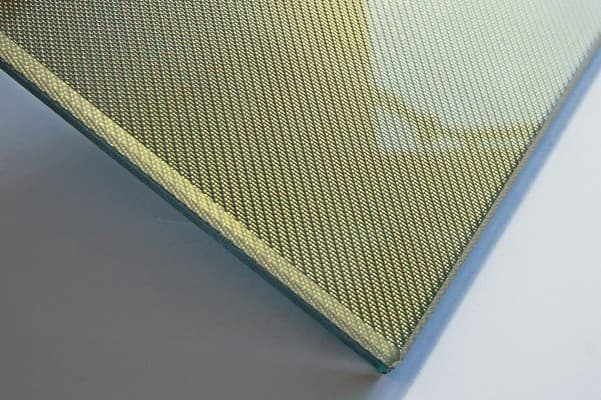
- Glass InspirationA specially developed manufacturing process allows a woven pattern using wood or natural fibre to be inseparably integrated between two sheets of glass.
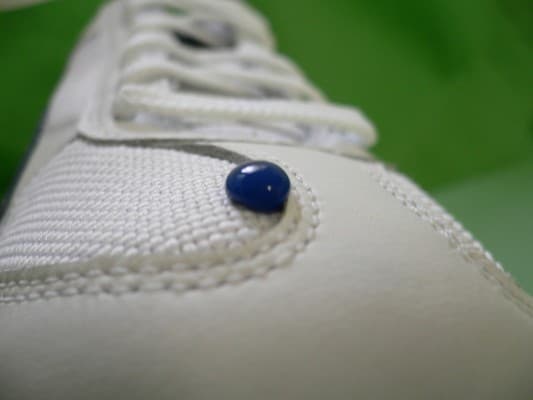
- Liquid GlassA nano-scale liquid glass coating that can be applied to a range of surfaces. The coating originated from the architectural industry where it was originally developed for anti-graffiti applications. It is now used in a variety of industries including food processing, catering, automotive, textile industry and agriculture.
- Reed, Timber And Glass Shape A Contemporary Ukrainian Guesthouse ConceptIn central Ukraine, YOD Group has completed Under The Reed Roof Guesthouses, a hospitality project shaped by material choice. The design combines a renewable…
- New Design Approach Could Make Ultra-High-Performance Concrete More AffordableUltra-high-performance concrete (UHPC) is widely used in projects that demand exceptional strength and durability. Designers and engineers specify it for bridges, high-rise buildings and…
- Hemp fiber nonwoven matsFibres from the non psychoactive hemp plant are used for the Natural hemp fibre nonwoven mats. The plant is grown without the use of chemicals and fertilizers, and for the fibre production very little energy is used. Hemp fibres are lighter then, for instance, glass fibres.
- Material illumination'LightCloth' is a new interactive fabric that illuminates at the touch of an infrared pen. Made from diffusive optical fibres, designers are able to…
- The Sustainable Composite Car Racing TeamThe CQS Group Racing Team is a student project by Industrial Engineering students from the University of Leuven. The goal of the project is…
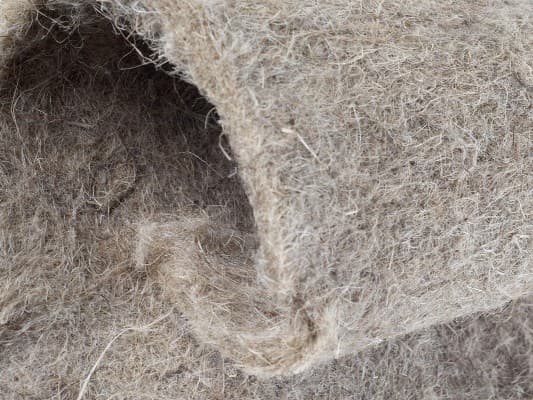
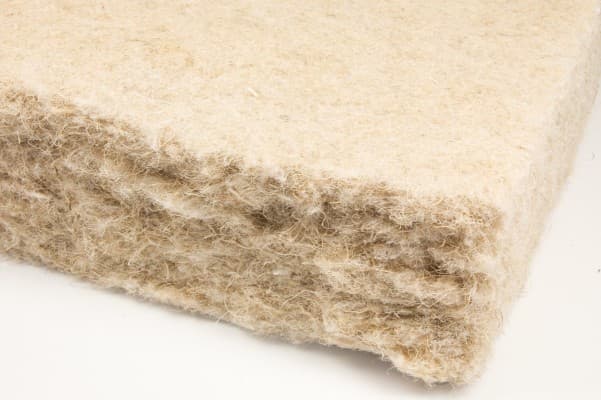
- Hemp Insulation MatsFlexible thermal and acoustic insulation mat of 85 per cent hemp fibre and 15 per cent recycled polyester binding fibre.
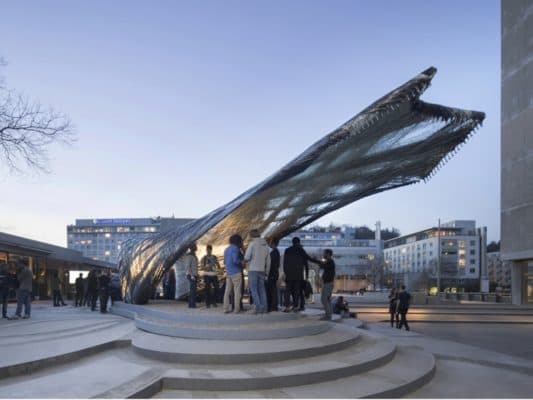
- A pavilion based on moth webs made by drones and robotsGlass and carbon fibre reinforced composites are lightweight and have high tensile strength. This is why they are widely used in automotive and aerospace…
- A robotically wound flax pavilionResearchers and students from the Universities of Freiburg and Stuttgart designed a lightweight pavilion made from robotically wound flax fibres. The construction industry is…
- Insulate your house well on Cut Your Energy Costs DayGood insulation makes your house feel much more comfortable, is better for the environment, and, most importantly on Cut Your Energy Costs Day, it…
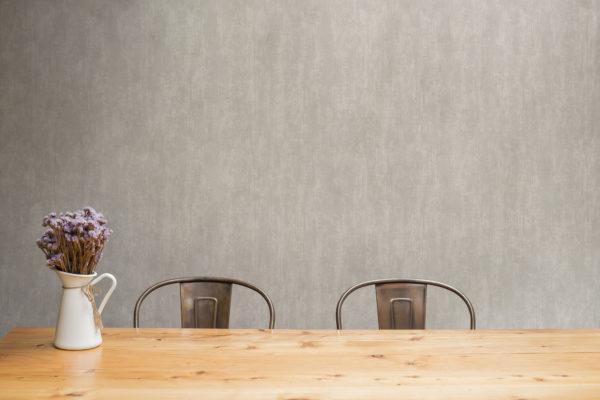
- Ekotex Clean Air (Schone Lucht)Ekotex Clean Air is a revolutionary, patented glass fibre wallcovering that neutralizes more 100 harmful chemicals from the air, including formaldehyde. Tests show it can remove up to 70% of formaldehyde from indoor air. The wallcoverings are air-purifying for at least 10 years and neutralize volatile organic compounds such as formaldehyde.
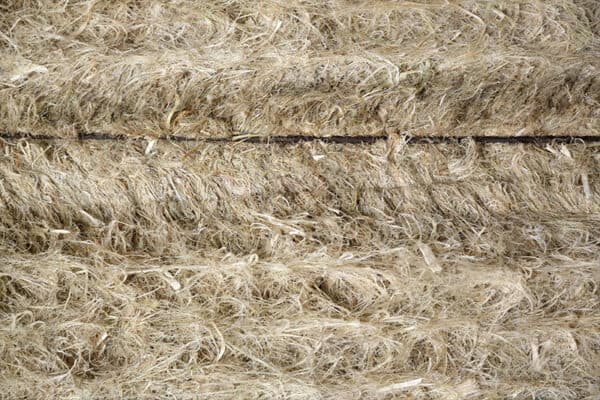
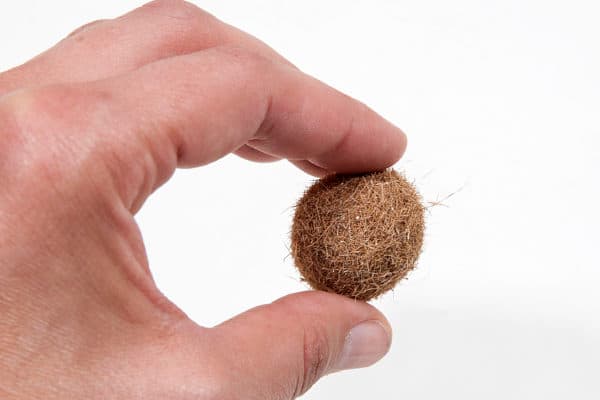
- HempFlax Nature InsulationHempFlax Nature Insulation is made out of 100% hemp fibres, produced from the non psychoactive hemp plant. Hemp fibres are lighter then glass fibres. The fibres are able to absorb and release water easily. The mats can be produced with a synthetic binder or biobased (PLA) binder.
- EKOTEX OppositesEKOTEX CIRCULAR WALLCOVERING SOLUTIONS EKOTEX Opposites is a next generation wallcovering. It is made of 100% natural glass fibres and a biobased finish. The…
- Ekotex HygieneEkotex Hygiene is a complete wallcovering system with anti-bacterial and anti-fungal properties. This material contains no harmful substances and is KIWA certified. Aside from excellent durability, Ekotex Hygiene glass fibres in combination with Ekotex quality coatings offer many cost-saving benefits within medical environments. Cost savings, along with hygiene standards are becoming ever more stringent within the care sector.
- Siltex braided sleevesSiltex braided sleeves is a braiding of glass-fibre yarns and glass-fibre threads. It enhances working properties and thermal stability compared with the previously used cotton and viscose yarns. Its special capabilities are a high strength, a high modulus, a low density as well as a good acceptance to work.
- NPSP CompositesNPSP Composieten is a manufacturer of products of fibre-reinforced plastics. Next to conventional materials, NPSP also uses durable materials like flax and hemp in combination with their high class production process of VA-RTM (Vacuum Assisted Resin TransferMoulding).