Search
7 results for “glass tube” in materials
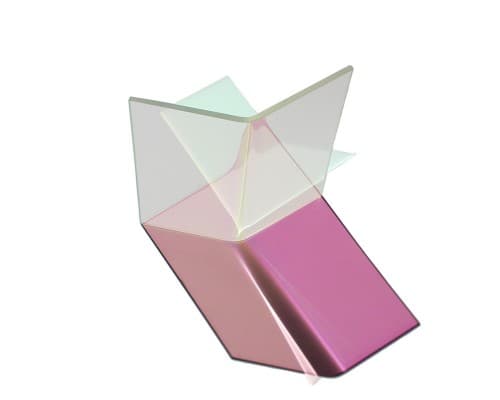
- Colour Changing GlassSince 1992 Prinz Optics has been developing and producing glass with optical coatings applied by sol-gel dip-coating, a wet chemical coating process which is ideal for the efficient coating of tubes and large flat surfaces. The optical effect is created by interference.
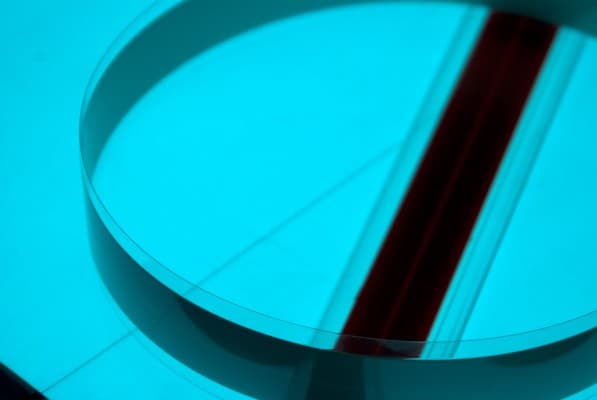
- ConturaxShaped and extruded, non-round glass shapes for various uses. The glass is made from high-quality borosilicate glass. The material has very good thermal qualities. The Schott tubing contains three or more angles and is manufactured using a patented, continuous, direct-drawing process. A range of lengths, shapes and diameters are available.
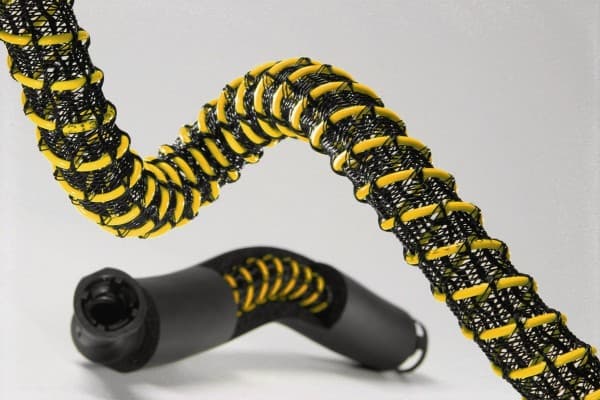
- LangotecLangotec is made of c-glass, e-glass, aramide, silicate and carbon. It can be produced in dimensionally-stable sleeves and tapes. Lango®tube is a braided and woven sleeve for various reinforcement and insulation applications.
- Geofil-BubblesGeofil-Bubbles consist out of 80% waste. Waste from silicate based metallurgical molding forms is produced into foam gravel with heat and sound insulation features, then it is embedded into various adhesive materials, like concrete, and used as construction material.
- DreamglassDreamGlass®, an electrical sensitive intelligent product, can be switched from an ordinary transparent glass to a milky white translucent glass, granting you an instant privacy while protecting you from UV rays. DreamGlass® can be controlled by: A simple ON/OFF switch or with an intensity regulator, which allows you to control the transparency of DreamGlass® as you desire.
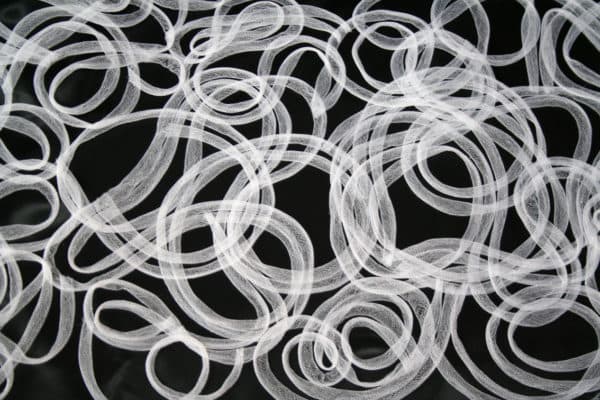
- Spiral fabric without backingNylon fibers stitched into a spiral formation and overlapping layers create a lace-like fabric which explores elements of transparency.
- Light tapeLight Tape® is an energy efficient and versatile light bulb consisting of Electroluminescence. The light emitting phosphors are located between two electrically conductive plates. Applying an alternating (A.C.) current activates the system producing light.