Search
24 results for “mouldable”
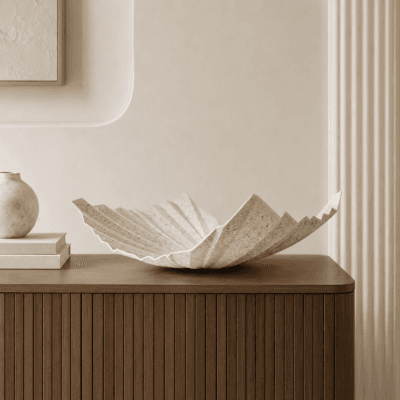
- Plant Waste Becomes Lighting and Decorative ObjectsFeltwood’s GIRARA collection turns fruit and vegetable waste into lighting and decorative objects without added adhesives or resins.
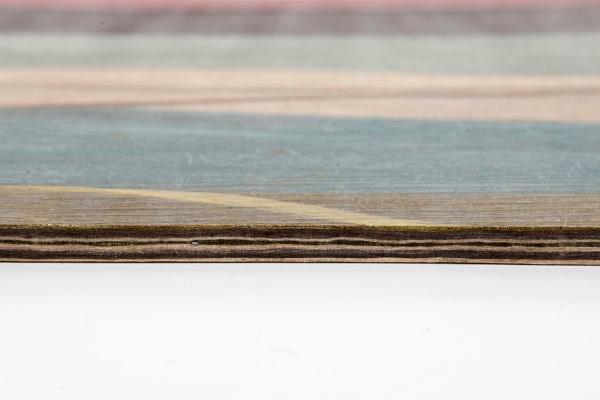
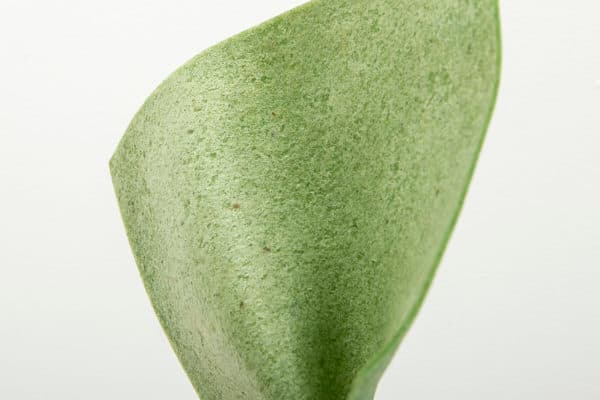
- FileoFileo is a laminate entirely made out of plants, biodegradable, and formaldehyde free. The material can take on various natural appearances depending on the plants it is made of, as wel as transparant. It is mouldable and can be printed with a decorative surface. The panels can be produced large scale or half-handmade, for unique pieces. Another version is suitable for kitchen and bathroom use.
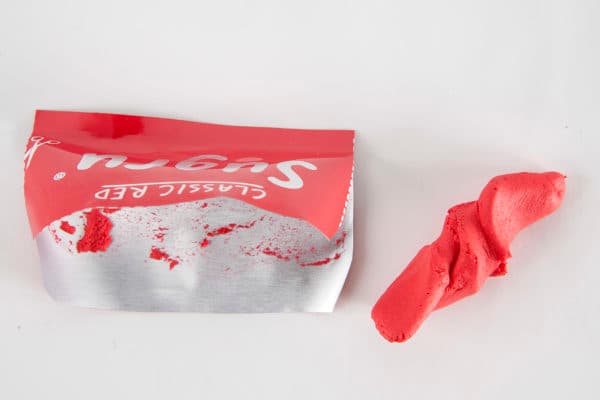
- SugruSugru is a mouldable glue designed for fixing, making and improving your stuff. It sticks to almost anything, moulds like play-dough, and cures overnight into a durable silicone rubber. Once it’s cured, Sugru has some pretty amazing properties, making it perfect for use everywhere – from your home to the great outdoors.
- Agar Plasticity: The Exciting Potential of Seaweed-based PackagingNew Japanese design studio AMAM (Kosuke Araki, Noriaki Maetani and Akira Muraoka) work with agar, a seaweed-based material to develop new and more eco-friendly…
- EUROPLEX OEUROPLEX O is a mouldable, resilient and hygienic polymer sheet material designed for the manufacturing of orthopaedic devices. It can be thermoformed at low temperatures, is highly resistant to chemicals and perspiration, shows a good transparency and X-ray transmission and has a smooth and hygienic surface.
- TreeplastTreeplast is a fully renewable and biodegradable composite based on wood. Despite containing no plastic, Treeplast is injection mouldable and can be processed to create objects with no shape restrictions. Treeplast is skin-friendly, non-electrostatic, lightweight, shock absorbing and available in a number of colours.
- More than hot airThe world of design is increasingly interested in lightweight materials. They’re efficient, usually cheaper by weight than traditional alternatives, and they lend themselves well…
- Coffee Composite 1This is a mouldable biobased material made from spent coffee grounds, coffee husk, potato starch, glycerine and water. This recipe makes it easy to create 3D shapes that hold their form well. It is pressed into 3D printed moulds and dried using a dehydrator.
- Bioplastic from Wool: A Flexible, Biobased Material for Sustainable DesignA team of scientists has developed a novel bioplastic made primarily from wool, offering a sustainable and circular alternative to conventional thermoplastics. This keratin-based…
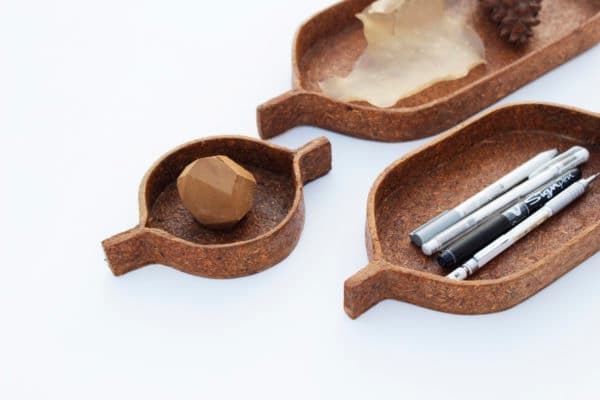
- CPCs – Cork Polymer CompoundsCork polymer compounds - CPCs are classified as particle-reinforced composites and are an example of the combination of the properties of thermoplastic polymers with the unique advantages of cork. Developed by Amorim Cork Composites’ I.cork factory, CPCs are a range of cork bio composites offering the mouldability of plastics and the lightness and sustainability of cork.
- An ode to the coconut on World Coconut DayThe humble coconut, while not a nut, is far more than an ingredient in your curries or a humorous plot device in cartoons. Today, on…
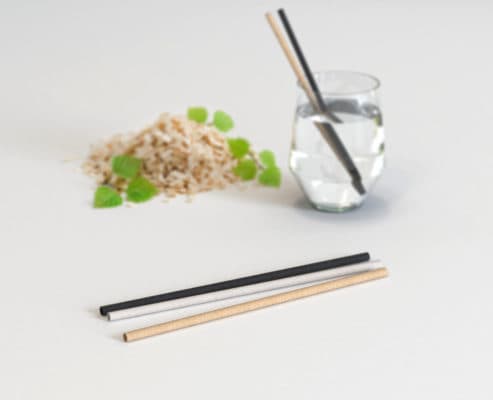
- Mass-producible straws made of a biodegradable compositeRenewable materials company Stora Enso and start-up Sulapac developed renewable and biodegradable straws made from a wood composite material. Plastic straws are non-recyclable and…
- A biobased and biodegradable material made from pine needlesDesigner Gaurav Wali developed a biobased and biodegradable material made of pine needles, which can be used to make products. Himachal and Uttarakhand, areas…
- KuiiKuii is a 100% biodegradable upcycled fruit-based biopolymer. Its natural appearance resembles leather, but has similar characteristics to rubber. The material is available in a wide variety of colours, shades and textures. The product’s texture may vary from rough to smooth as well as its thickness. It is ideal for laser cutting, acrylic paint application, engraving, hand and machine sewing.
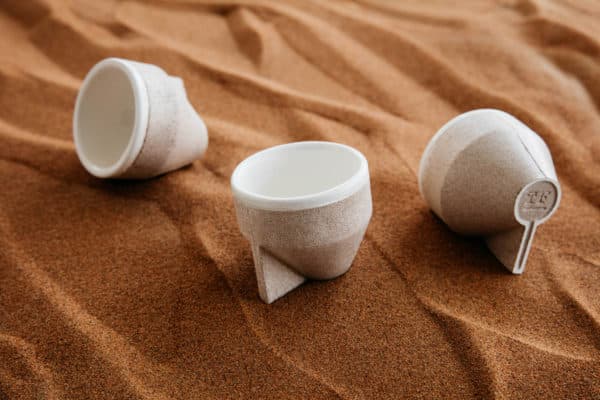
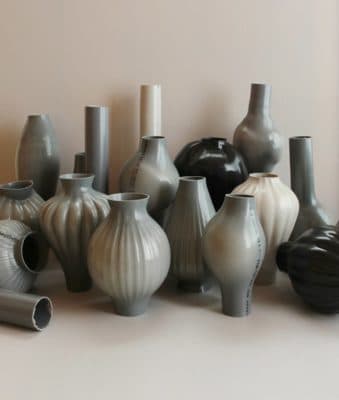
- Coffee cups made from a sand material inspired by dunesInspired by ever shifting dunes, The Foundry by Tinkah developed a mouldable material made with desert sand, which they used to produce coffee cups.…
- More sustainable asphalt made from recycled tires and organic waxAna María Rodríguez Alloza, a researcher from Universidad Politécnica de Madrid (UPM), developed a new type of asphalt that could be considered more ecological,…
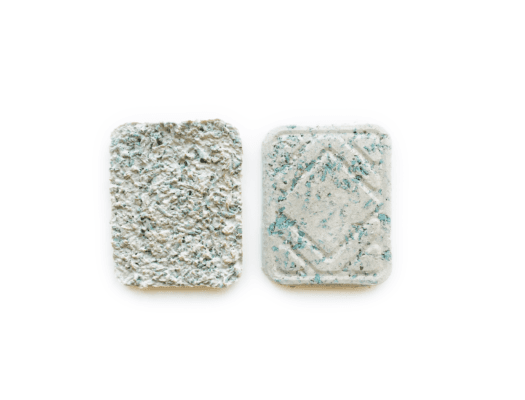
- Mjuktong: material made with egg cartons and waste fabricIn an attempt to tackle textile waste, Milan-based designer Xiaohui Li developed a mouldable material called Mjuktong, made from textile waste and egg cartons.…
- What not to miss at the Milan Design Week 2018 (part 1)The Milan Design Week is the most famous design event in the world. This year, the event will take place from 17 to 22…
- Appreciate these sustainable alternatives on Bubble wrap Appreciation DayToday is Bubble wrap Appreciation Day! Everyone appreciates bubble wrap, or at least popping it. In addition, it is a great material to protect…
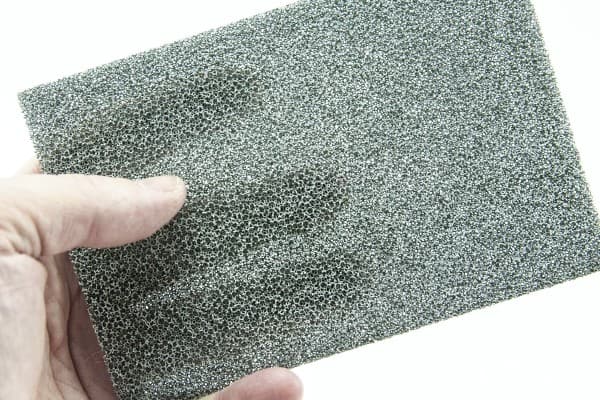
- Recemat foamRecemat is a metallised organic foam with an extremely open cellular structure. Cavities make up more than 94% of the total volume. This means a low weight-to-volume ratio, yet a far higher rigidity and strength. For applications requiring higher strength and rigidity the base foam is chromed and heat-treated. It is available in sheets of 900 mm x 500 mm.
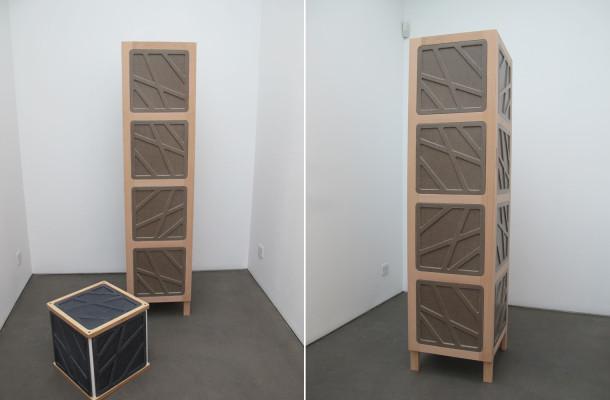
- Biofurniture by Roger BatemanWorldwide, furniture manufacturers that have investigated eco-sustainable furniture production have tended to focus on the recyclability of high-energy embodied technological materials rather than on…
- BiogradeBiodegradable plastics for injection moulding. It does not contain starch or starch derivates. Properties are comparable to polystyrene: rigid and transparent depending on grade.
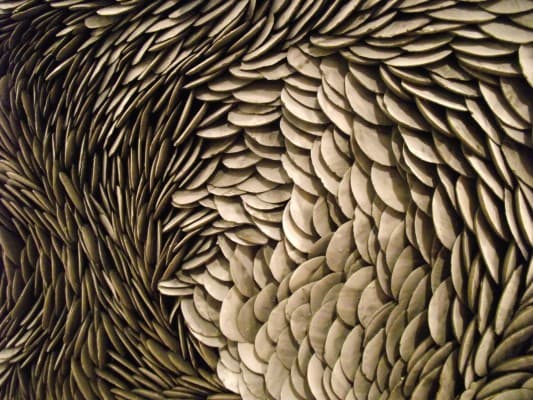
- Secrets of porcelainClay is a surprisingly mouldable material that is relatively under explored. Here’s a look at the range of possibilities that clay presents. UK-based crafter…
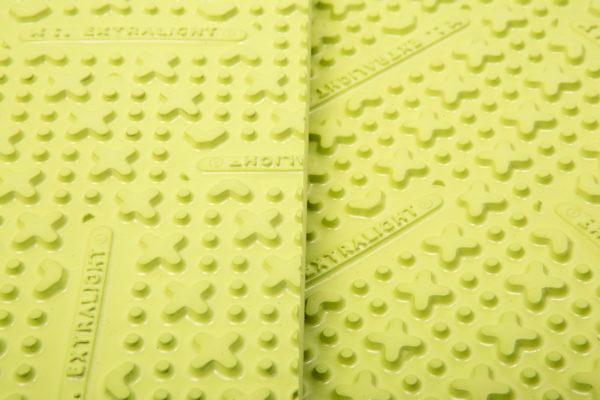
- XL EXTRALIGHTXL EXTRALIGHT is a closed cell foam material made with polyolefin resins. The patented process starts with the formulation of the foam, continues with the engineering of the moulding equipment and culminates in the moulding of the product. The lightweight foam can be used in any manufacturing and design department.