Search
28 results for “mud”
- Building with mud on International Mud DayFor International Mud Day, we show you some institutions that are getting their hands dirty to build sustainably with mud. The most common construction…
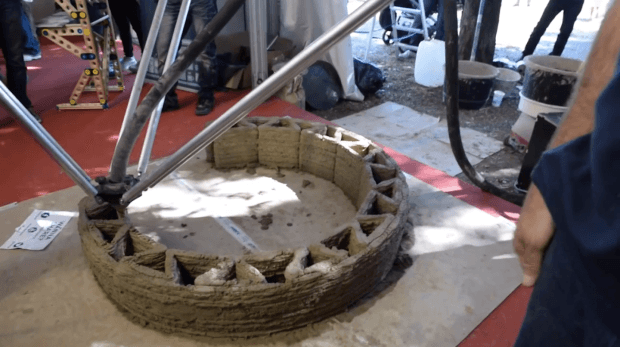
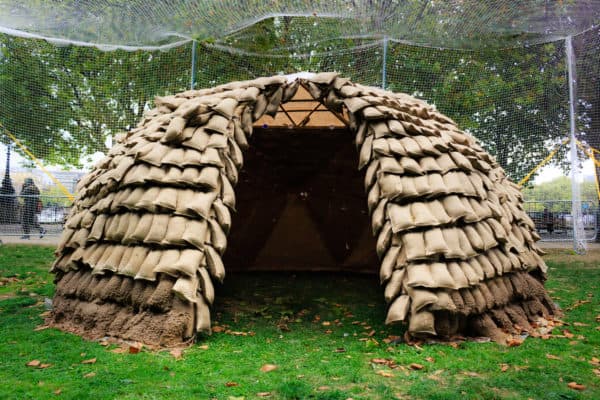
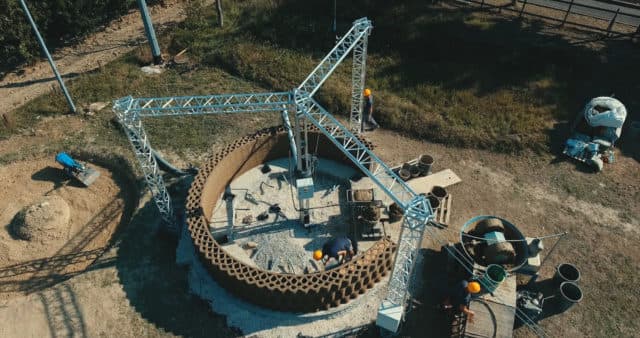
- A muddy future: 3D printing a mud hutFrom plastic to metal and from wood to food, many materials can be 3D printed to create all sorts of products with less waste.…
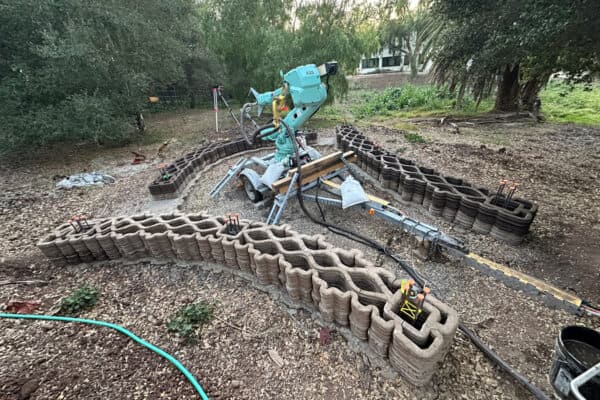
- How Mud Could Revolutionise Building Materials and Lower CostsConcrete construction typically relies on temporary wooden moulds, known as formworks, into which concrete is poured. These moulds are costly, labour-intensive to produce, and…
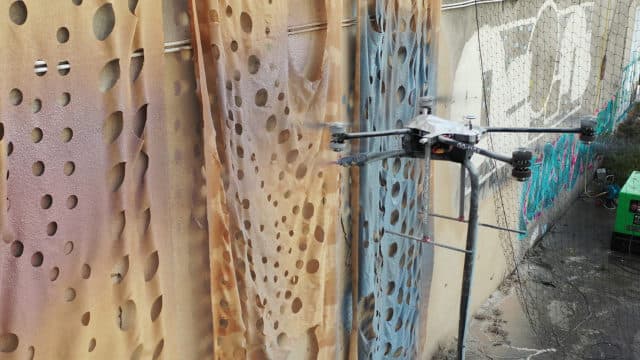
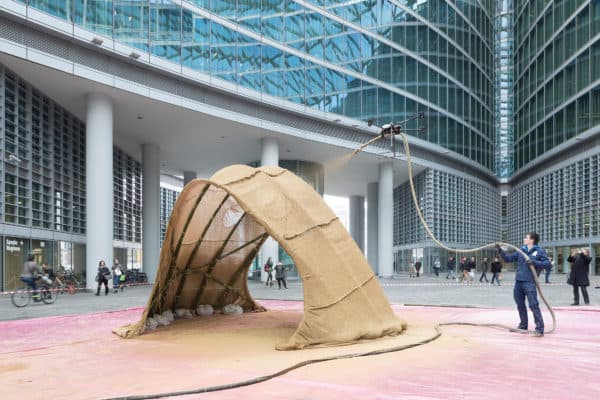
- A mural created by mud-spraying dronesIn a live performance in Brussels, Belgium, architectural firm MuDD Architects created a mural made by mud-spraying drones. On 29 November 2019, MuDD Architects…
- More mud-spraying drones to build emergency homesThe Terramia pavilions, developed by Stephanie Chaltiel of MuDD Architects, CanyaViva, and Summum Engineering, are innovative emergency housing prototypes combining digital fabrication of mud-spraying…
- Mud-spraying drones to build homesFrench architect Stéphanie Chaltiel uses mud-spraying drones to build emergency architecture. To make the home, first a wooden domed skeleton is constructed, on which…
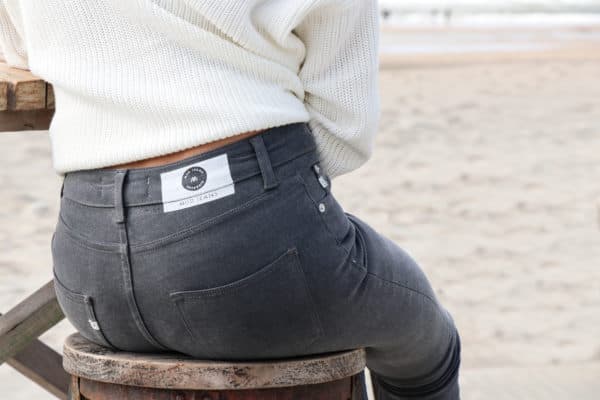
- Lease jeans made with recycled denimDutch brand MUD Jeans is the first CO2 neutral denim brand with a circular philosophy, and offers a “Lease a Jeans” programme for their…
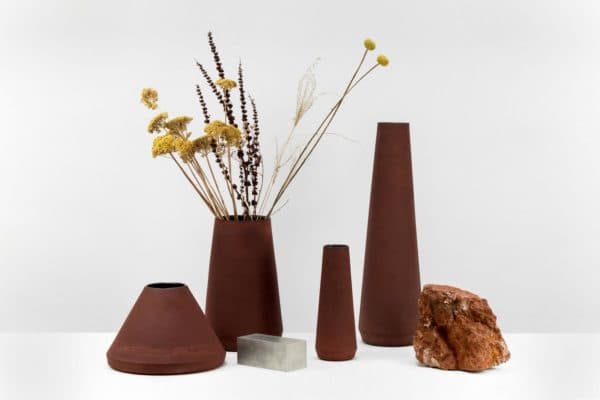
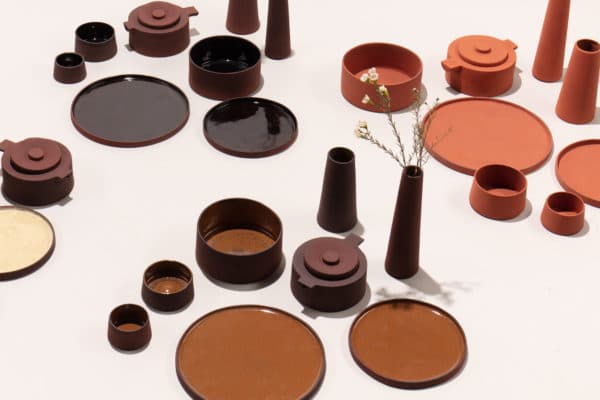
- Bauxite Residue ceramicsRed Mud, a.k.a. bauxite residue, is a waste of the alumina industry. For every part of aluminium made, two and half times more red mud is also produced. Working with factories and research labs, the industrial residue is transformed into ceramic bodies and glazes fit for architectural use.
- Turning an aluminium byproduct into ceramicsA group of designers at the Royal College of Art designed ceramic pieces made of Red Mud, a byproduct in the making of aluminium.…
- Leemsteen (Dutch clay bricks)Dutch clay bricks are made of unbaked clay soil pressed into uniform building blocks. Because these clay bricks are not fired, their unique moisturizing and heat-accumulating properties are maintained. Due to the high mass of limestone, a mud wall can retain and give off heat well so that temperature fluctuations are effectively minimized. Furthermore, clay has a neutralizing effect on odors.
- The first 3D printed house with earthWASP (World’s Advanced Saving Project) 3D printed a 100 square metre house made from mud and and natural waste materials from the surrounding area.…
- Material highlights at Dutch Design Week 2019Tomorrow, Dutch Design Week 2019 kicks off. The largest design event in Northern Europe is once again a feast for creative professionals seeking material…
- Navel guitar is made with 50,000 year old kauri woodDesigner Lorenzo Palmeri designed Navel, a series of three types of electric guitars, one made of beech wood, one with a self-healing surface, and…
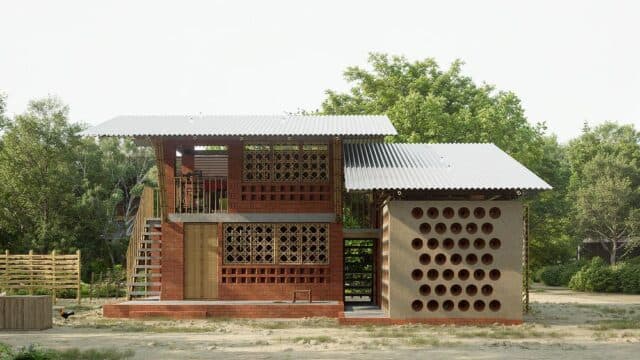
- Local Materials Shape Climate-Responsive Home In BangladeshArchitect Xinyun Li has developed an affordable housing concept based on mud, straw, bamboo, clay brick, handmade pottery and reclaimed corrugated metal. Designed for…
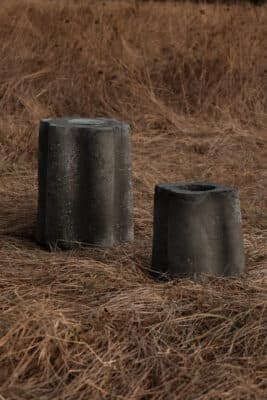
- Biochar-CobInspired by the principles of traditional cob construction, this is a newly crafted material made primarily of biochar, along with a mixture of mud and straw. As the resulting material is unfired, the pieces can be reintegrated into the soil once their purpose has been fulfilled.
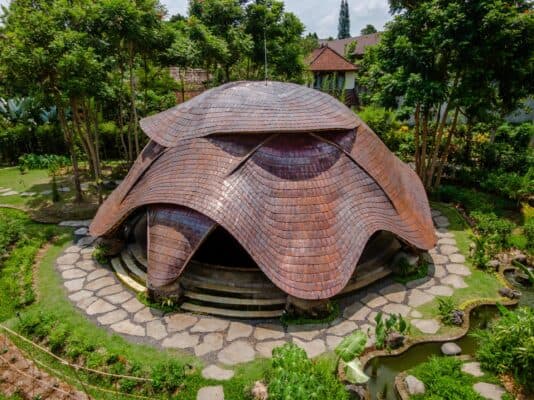
- A yoga centre made of bamboo and copperDesigned by IBUKU, the Alchemy Yoga Center, located on Bali, Indonesia, has a bamboo structure and is clad with hand-made copper shingles. The centre…
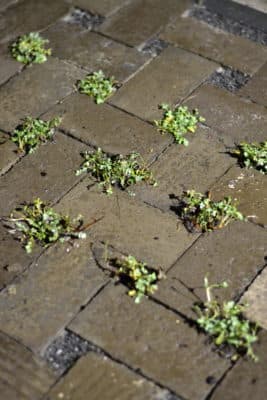
- Draining paving tiles made of dredged sludgeDutch start-up Waterweg developed a way to reuse dredge by turning it into water-permeable street tiles, offering a sustainable way to counter flooding in…
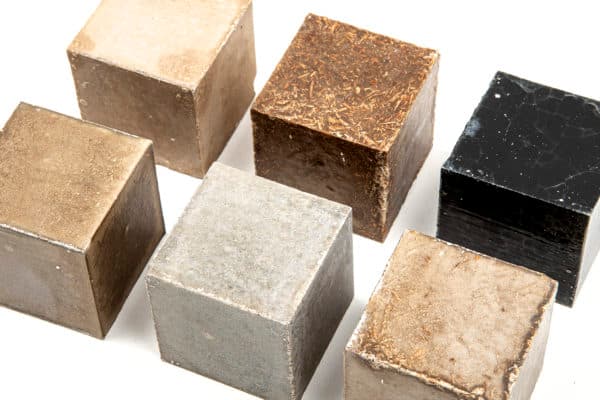
- C-SlurryC-Slurry is 100% Industrial Circular Material which is made from the industrial waste, based on the concepts of alkaline activated concrete. The performance of C-Slurry without cement could be compared with normal cement concrete. It has highly potential in developing sustainable building materials.
- Kaumera: from wastewater to raw materialEnergie- & Grondstoffenfabriek, an initiative of all Dutch water authorities, developed Kaumera, a raw material derived from wastewater. To show its versatility, 3 Dutch…
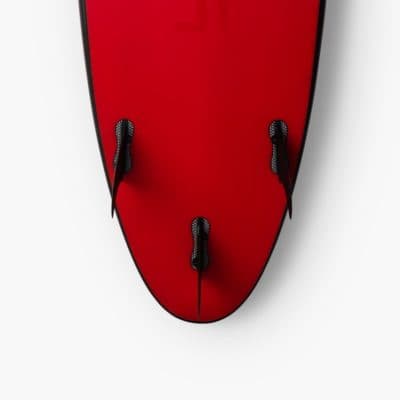
- Hit the waves on sustainable surfboardsToday, we present two sustainable surfboards, one 3D printed from recycled plastic bottles and one coated with biobased epoxy resin. Recycled plastic bottles Merijn…
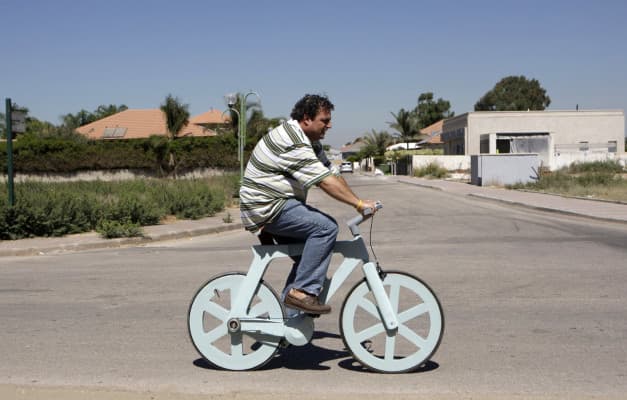
- A future for paperPaper Future Is there a future for paper? The disappearance of paper is (still) the subject of many discussions, for example in the print…
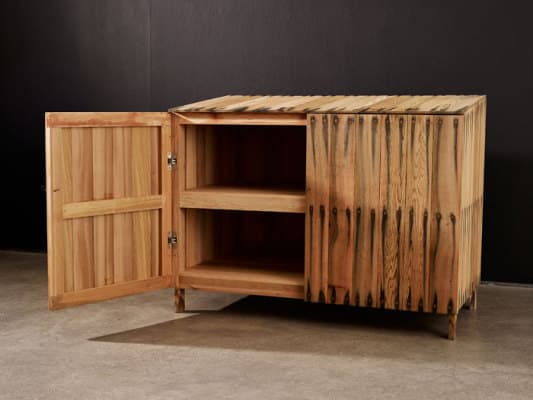
- Bleed‘Bleed’ is a series of cedar cabinets by Peter Marigold featuring the effect of oxidized metal bleeding into wood. Known as ‘ebonizing’ or blackening…
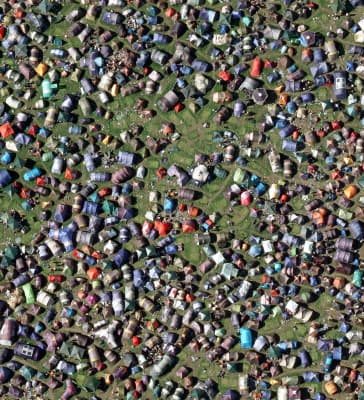
- One Nights Stand TentMusic festivals are known for creating a lot of garbage – with cheap tents that get trashed and left behind being a large part…
- Geofil-BubblesGeofil-Bubbles consist out of 80% waste. Waste from silicate based metallurgical molding forms is produced into foam gravel with heat and sound insulation features, then it is embedded into various adhesive materials, like concrete, and used as construction material.