Search
9 results for “porcelain”
- Porcela’BOBO
- LisbonThe Lisbon tile is a lightweight ceramic tile that is very thin. Tiles are produced at just 4,8mm at lengths up to 3000mm. The material is a fire, moisture and mould-proof tile that is long-lasting, low-maintenance. It comes in white and black.
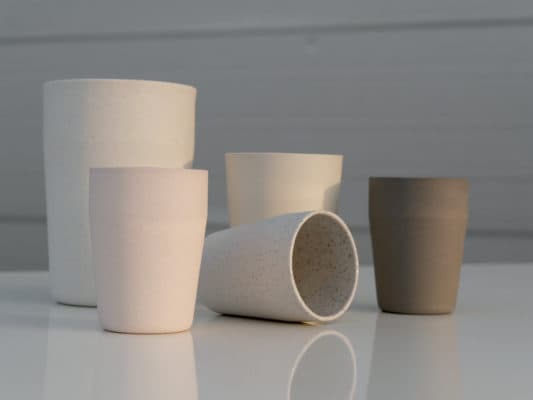
- A circular tableware made from recycled porcelainTo counter the amount of waste porcelain, Dutch designer Lotte Douwes developed a circular tableware collection in which she reuses ground up porcelain. One…
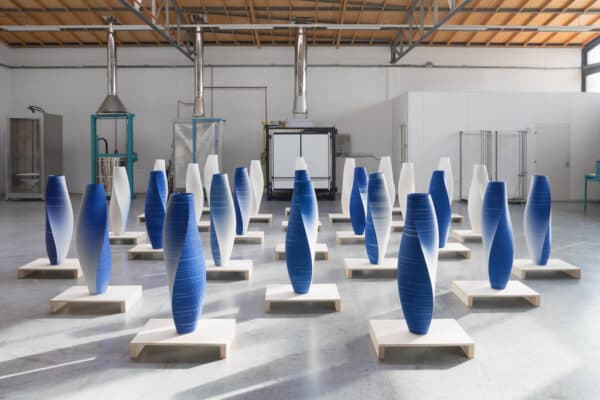
- Large-scale 3D printed porcelain vasesDutch designer Olivier van Herpt built a 3D printer capable of forming the thinnest porcelain to date on a large scale, which he used…
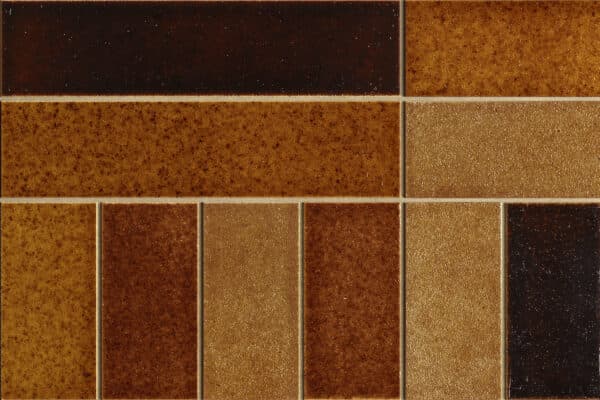
- ExCinere® Volcanic ash–glazed porcelain tilesExCinere® is a collection of porcelain tiles finished with glazes made from volcanic ash. Developed by Dzek in collaboration with Formafantasma, the material combines an industrial ceramic base with naturally occurring volcanic matter, resulting in surfaces that express mineral variation while meeting architectural performance requirements. The tiles are formed from a dense, vitrified porcelain body that provides low water absorption, high mechanical strength and long-term durability.
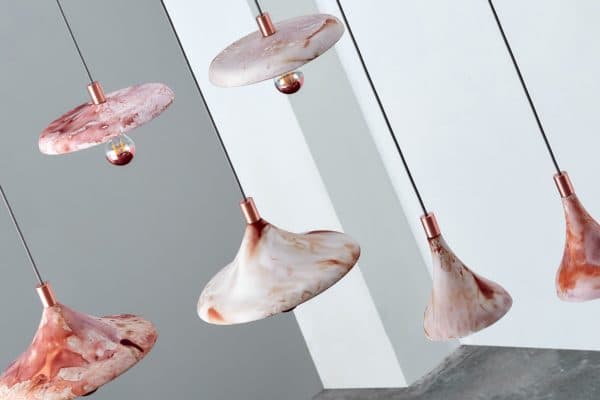
- Porcelain lamps coloured with coffeeThe Coffire project, designed by Shanghai-based designer Zhekai Zhang, colours porcelain pendant lights with used coffee grounds, mimicking the texture of marble. Annually, at…
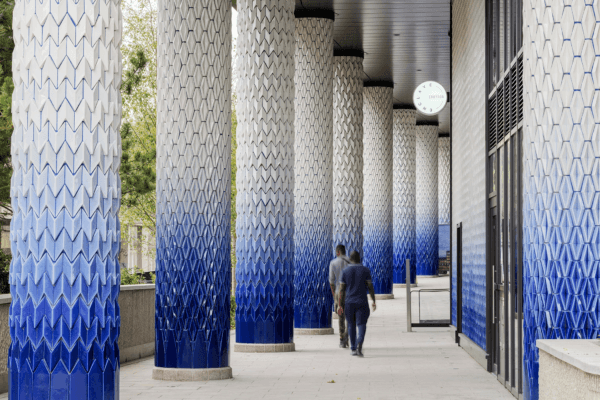
- A colonnade decorated with three-dimensional porcelain tilesDesigner Adam Nathaniel Furman designed a colonnade that functions as a pedestrian thoroughfare in Croydon, South London, running underneath a new skyscraper, which features…
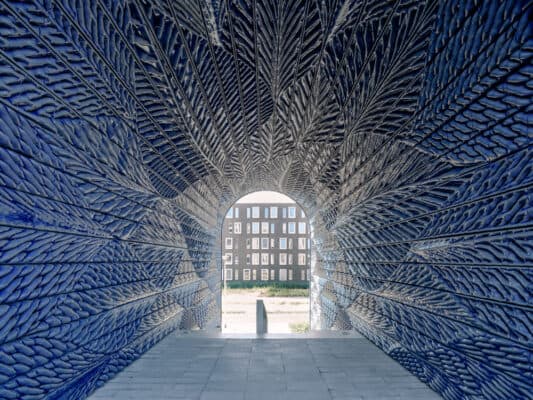
- 3D clay printed tiles inspired by Delft Blue porcelainDutch design studio Studio RAP has reinterpreted the design of Delft Blue porcelain, by creating 3000 unique, 3D clay printed tiles, which were installed…
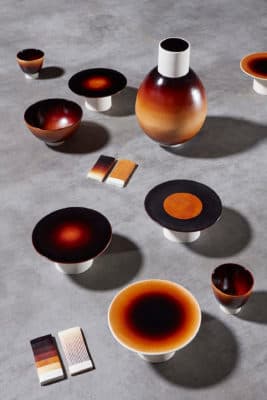
- Ott (natural resin, lacquer) porcelainGlazed ceramic pieces are not recyclable for their re-production and they mostly end up in a landfill. Seok-hyeon Yoon searched for alternative glazings and found out “Ott” known as Korean traditional lacquering material. It’s a natural resin from the Ott tree and was widely used as glazing for woodenware in the past. To glaze Ott on the ceramic surface, it doesn’t need to be baked as it just drys out.