Seaweed and Plant-Fibre Boards Form a Prefab Biobased Partition Wall
In the Office Lab at The Green Village, on the TU Delft campus, a partition wall has gone up without a single gypsum board. It is assembled from prefabricated cassettes faced with biobased boards, among them panels pressed from seaweed and compostboard made from plant fibres. An architect, board producers, a builder and a research institute developed it together.
The Prefab Biobased Wall Cassette is a prototype under test, not yet a product to order. The consortium consists of Rik Makes, the maker behind compostboard, now sold as Partikal; RoosRos Architecten; builder WAM&VanDuren; Fleurbaaij; SeaWood Materials; SAM Panels and TNO. The Green Village and WAM&VanDuren are also partners of HUB Bouw aan Morgen, the exhibition by Biobased Creations at the Melkfabriek during Dutch Design Week 2026 in Eindhoven, where the wall is presented.
A Wall That Started at a Discussion Table
The project began in 2023, at the opening of Biobased Boulevard, the testing ground for biobased building products within The Green Village. Participants worked through practical cases there. One came from the university itself: it wanted to replace existing interior walls with a sustainable alternative. Around the table, the conclusion was that no option yet existed that was sustainable, healthy and easy to install. The parties kept talking, and the wall cassette is the result.
Seaweed, Flax, Hemp and Pepper Plants
Several biobased boards are combined in the cassette. SeaWood, developed by BlueBlocks, is a fibreboard made from brown seaweed, described by its maker as natural, compostable and free of chemicals; interior walls for homes and offices are its intended market. Partikal Board contains fibres of flax, hemp and bell pepper plants, held together by a glue that is produced locally from a by-product of the animal feed industry. SAM Panels presses boards from recycled paper-based fibres and agricultural streams such as grass and hemp, without added formaldehyde.
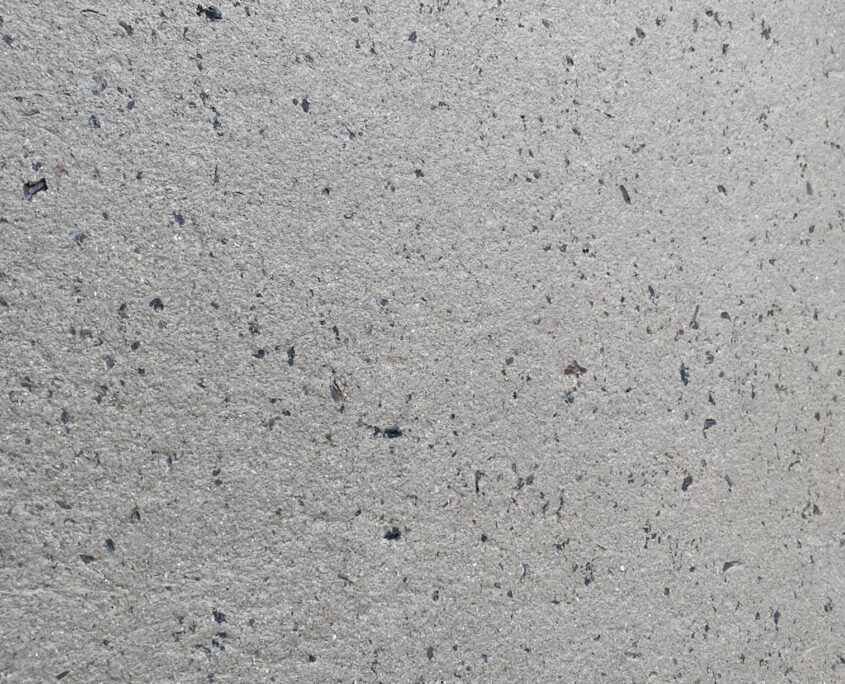
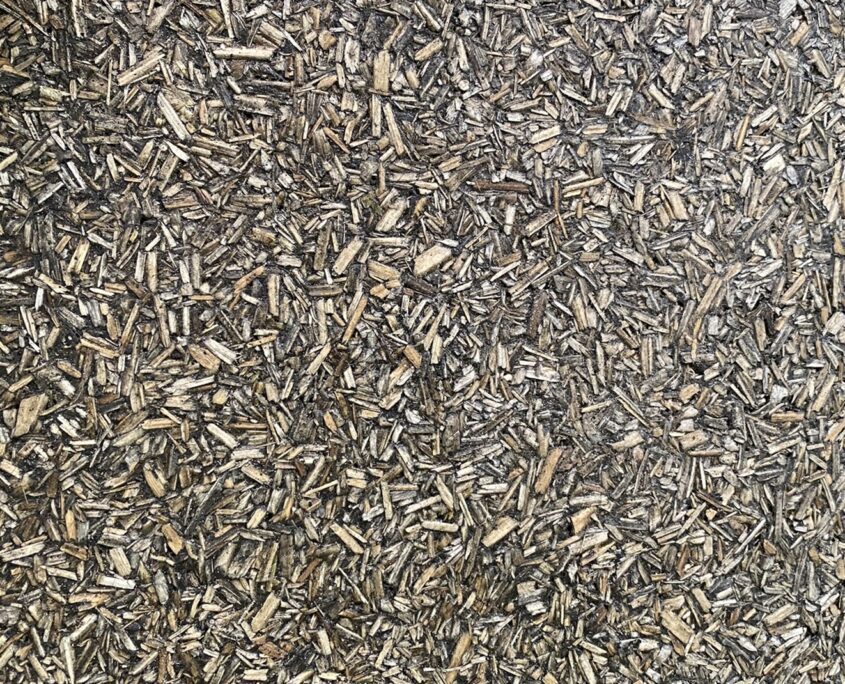
Up close, the surfaces read very differently: one board is light grey with fine dark flecks, another a dense mosaic of coarse plant chips in brown and gold. The cassettes are delivered ready-finished, which is where much of the expected time saving lies.
Measured Against the Gypsum Wall
The consortium was present when the wall went up in the Office Lab, to see where installation could be improved and to hear how the site manager experienced it. The tests should show whether placement really is faster and more efficient than a conventional gypsum wall, and whether the system is stable and practical. The partners expect the approach to cut CO₂, nitrogen and particulate emissions as well as labour and transport.
The Office Lab is in daily use on office days, so architects, builders, municipalities and installers visiting The Green Village also give feedback on materials and finishes. With those findings, the consortium plans to develop the cassette into a faster system wall that can compete with conventional partition systems in offices and other non-residential buildings.
Sources: The Green Village – Biobased prefab binnenwand / SAM Panels – Biobased Prefab Interior Wall / BlueBlocks – SeaWood / Partikal / Biobased Creations – HUB Bouw aan Morgen · Images: The Green Village