Search
50 results for “cycling”
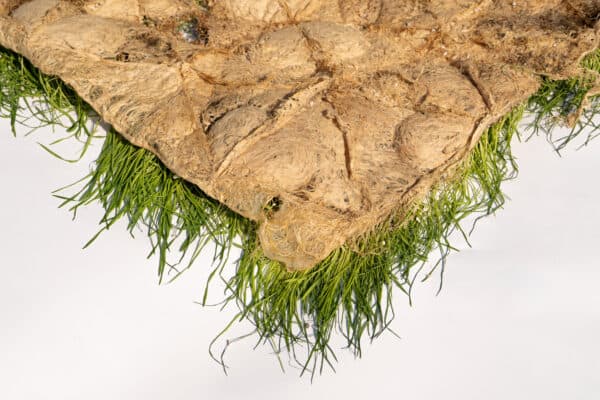
- Growing Textiles: Blurring the Lines Between Natural and Synthetic in Biobased and Circular DesignIn contemporary design, the lines between natural and synthetic realms are becoming increasingly blurred. Designers are actively seeking innovative solutions that align with sustainability…
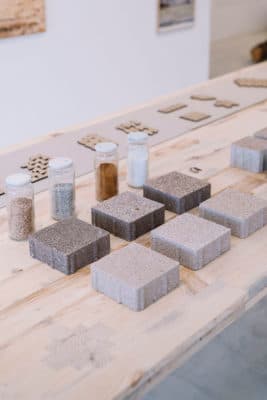
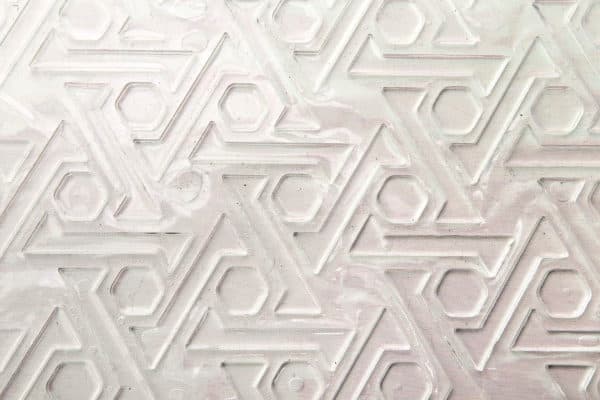
- Hygroscopic MortarThe great hygroscopic and draining properties of this material allows a high level of water filtration and lets water to naturally seep into the ground, or be captured and retained in lower layers for subsequent reuse or controlled drainage. The material consists of 85% recycled ceramics and stone, bonded with white cement, all sourced locally in Mallorca.
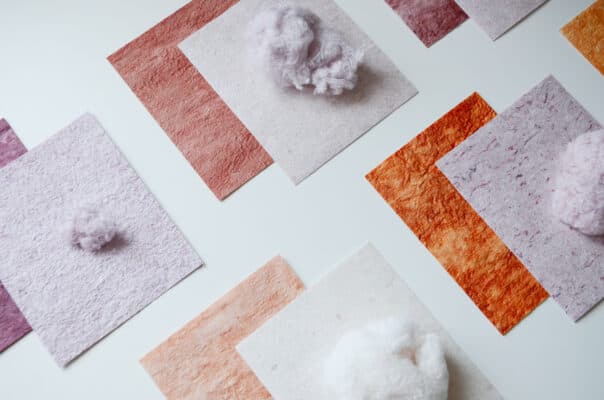
- (Un)woven(Un)woven is a biotextile made of inferior textile fibres, created as an alternative to the flawed traditional textile recycling process. A unique production method turns inferior mixed blends into a lightweight biotextile suitable for interior, furniture and product design applications. Emphasizing recyclability over longevity, the sturdy material can be recycled at the end of its life and repurposed for new production cycles over and over again.
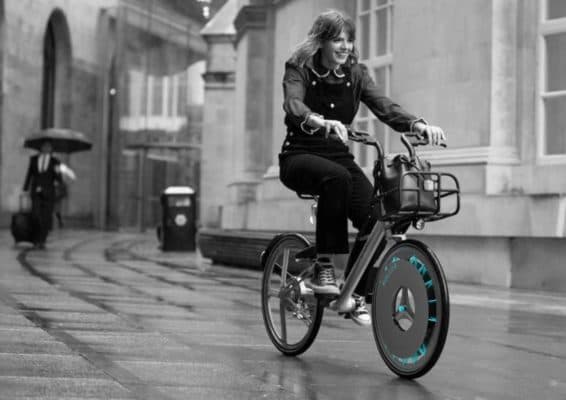
- A bicycle wheel that filters outdoor air pollutionCalled Rolloe, this bicycle wheel uses the riders motion to filter outdoor pollution, cleaning the air as they cycle. The bicycle wheel uses motion…
- A bicycle made of recycled coffee capsulesSwedish bicycle and lifestyle brand Vélosophy partnered with coffee brand Nespresso to create a bicycle made of recycled Nespresso coffee capsules. Aluminium is a…
- Biocycle, technocycle and performative materials at MaterialDistrict RotterdamDuring MaterialDistrict Rotterdam, we show you all the materials we have scouted in the past year. This year’s materials can be divided into three…
- Botanical CBotanical C is a material made from waste wedding flowers. Flowers play a significant role during weddings, but are discarded afterwards. Sybil Ho's Design and Atelier ChungHan Lu collaborate to collect the used materials, sort it by colour, and extract the fibres. The fibres are then turned into objects, showing the handmade beauty, and create a new life cycle of used materials.
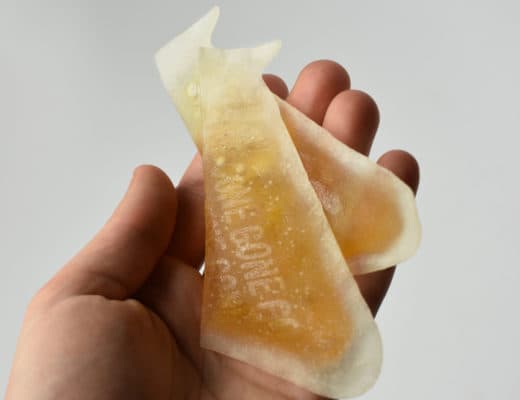
- Gone offers a biodegradable alternative to plastic packagingWith her project Gone, designer Lizzie Wright developed a plant-based bioplastic material that is fully compostable in a matter of days, especially with packaging…
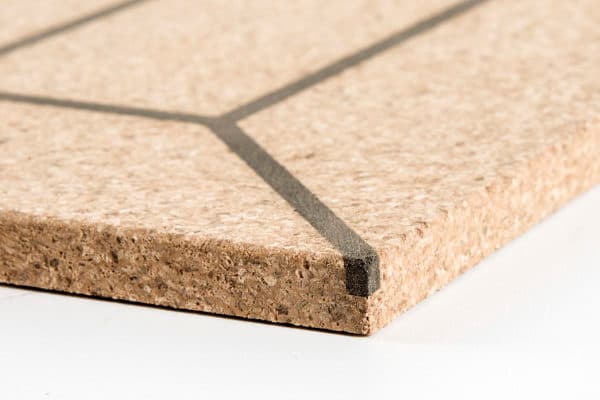
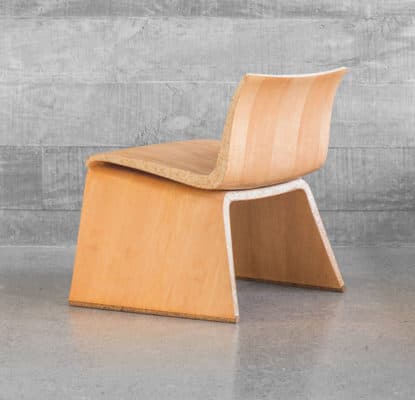
- MarinedeckMarinedeck is a cork deck material, developed as an alternative for teak decks. The material is non-skid, easy to clean, with a long life cycle and very limited or no technical maintenance. To utilize all of the advantages and properties of cork, a hybrid synthetic binder was developed, improved and adapted to environmental requirements.
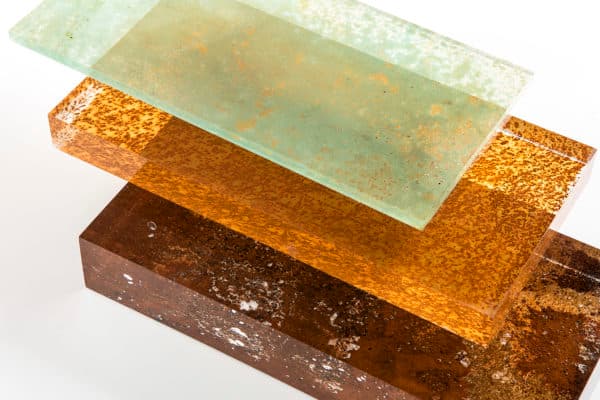
- Rust Harvest“Rust Harvest” is an experimental materials project focused on rust. Yuma Kano Studio developed a technique that allowed to transfer only the rust from metal plates using acrylic resin. These plates are exposed to light, rain, earth, and seawater. The rust is then collected and exposed to more weathering, which creates another crop to harvest in a process similar to an agricultural cycle.
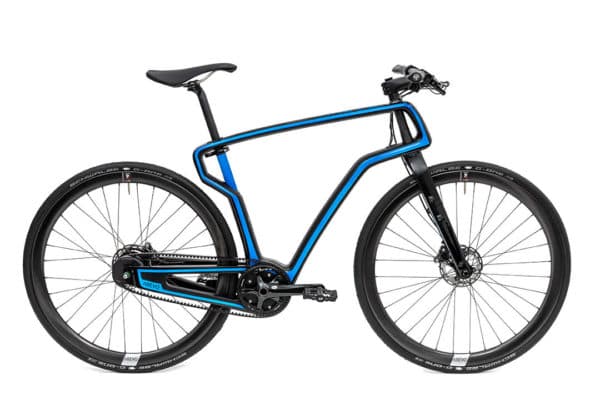
- The world’s first 3D printed carbon fibre bicycle frameThe company Arevo, developer of digital additive manufacturing technologies, created software that allowed for the world’s first 3D printed carbon fibre bicycle frame, at…
- Material Innovation in ArchitectureThe innovation unit GXN was established in 2007 as a parallel practice to that of 3XN architects. Since day one the team has researched…
- The future of mobility: an interview with Erik TempelmanWhat will transportation look like in the future? Will self driving cars be mainstream, or will we have moved on to flying cars? Erik Tempelman,…
- Pare chair: sitting on mushroomsUsing mushrooms as a seat is no longer reserved only for faeries and goblins! The Pare Chair, designed by Glenn Catchpole, is a zero…
- The five winners of the Circular Materials ChallengePetroleum-based plastic is everywhere, because it is such a versatile and cheap material. However, only 14 per cent of all plastics is recycled, and…
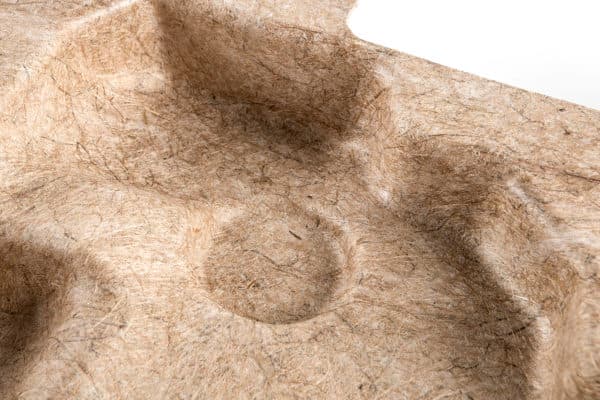
- Press mouldingsNatural fibre moulded parts are produced by high pressure moulding on the basis of a prepreg (a nonwoven fabric impregnated with thermosetting binder). The natural fibres used come from fast growing plants such as flax, hemp, or kenaf. By means of a high-precision and non-contact pressing process, the prepreg is thoroughly warmed and formed in one cycle.
- Magna GlaskeramikMAGNA Glaskeramik is a 100% recycled glass material that can be fully reintroduced into the glass production cycle at the end of its service life. Developed for the construction, architecture, and design sectors, it combines functional performance with a high degree of creative flexibility. Manufactured in Germany under strict quality standards, it is offered as raw panels—up to 2800 × 1250 mm in size (or up to 3500 × 1500 mm on request) with a standard thickness of 20 mm (15–40 mm available on request)—or as custom-cut pieces for diverse applications, including interiors and façades.
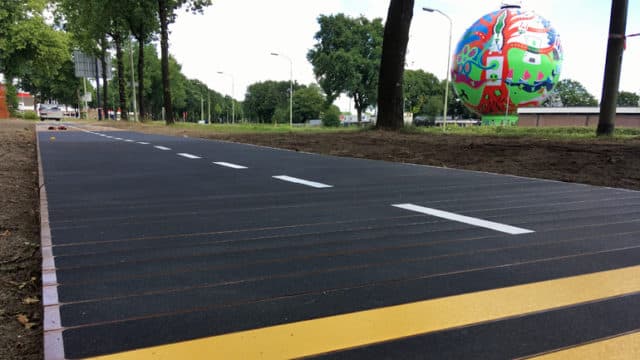
- World’s first wooden bicycle path opens today in the NetherlandsThe Dutch love to cycle, and thus there are bicycle paths, paved and unpaved, everywhere. Commonly, the paved ones are made of asphalt or…
- Precycled materialsRecycling may be a good thing, but Dutch furniture and product design company Newaste argues that ‘precycling’ is even better. Newaste skips the processing…
- XyhloXyhlo biofinish is a durable and 100% environmentally friendly method for protecting wood. The Xyhlo biofinish is created as an organic protective layer on the timber by first processing the wood with a natural oil, and then applying an organic coating based on a non-hazardous and in nature occurring fungus. As a result, native, less durable wood species can be protected long term.
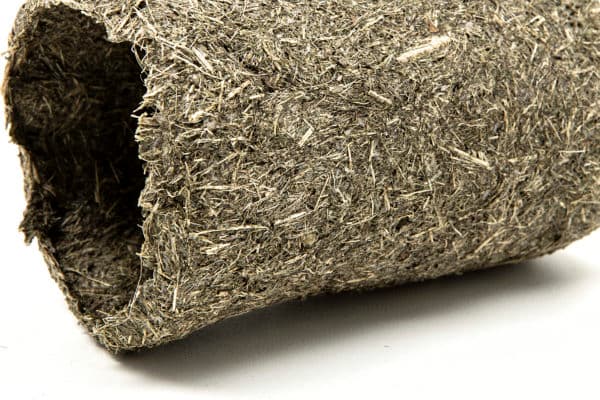
- BioflexiThis high density panel is a recyclable and compostable freeform fiberboard for architectural applications.The fibreboard consist of 80 % to 90 % straw, a natural fibre and residual material which is available worldwide. No formaldehyde and isocyanate components are applied, making it the ideal solution for different indoor applications.
- Deposit by Odd Matter StudioIs it possible to develop a material cycle, in which the previous and the waste can be absorbed in the next in such a…
- NewspaperWoodNewspaperWood is a new material, invented by Mieke Meijer, developed together with and licensed to the Dutch design label Vij5. The material is a reversal of traditional production processes: making wood from paper.
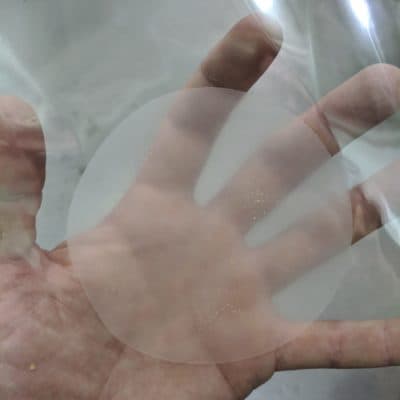
- Eastar copolyester 6763Eastar™ copolyester 6763 is a clear, amorphous, thermoplastic polymer. Because of its clarity, toughness and melting properties, it is easily processed by film or sheet extrusion and blow molding. Eastar™ copolyester 6763 is charachterized by its gloss, transparency, toughness, fast-forming cycles, ease of forming, reusable scrap and radio frequency sealable.