Search
39 results for “waste” in materials
- Eggshell-based ceramics and bioplasticsEggshells, a globally abundant food waste, are increasingly recognized as a sustainable feedstock for innovative materials such as ceramics and bioplastics. Eggshell-derived calcium carbonate serves as a low-carbon alternative to mined limestone in ceramic production. Eggshells are also revolutionizing bioplastics as a biobased filler and biodegradability enhancer.
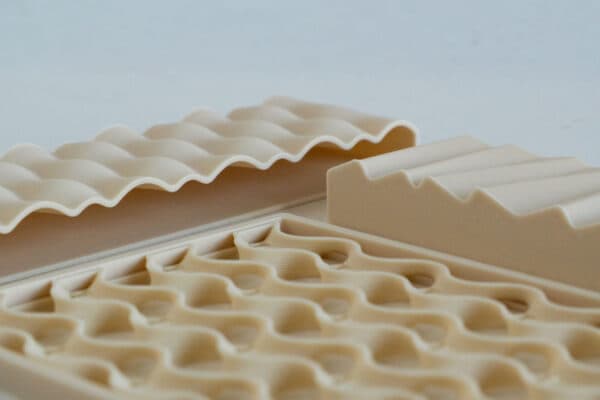
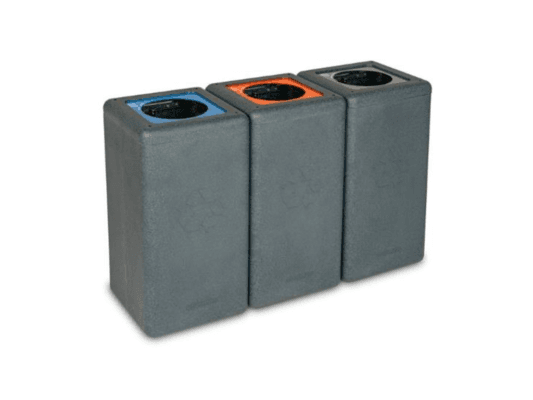
- BrickbinThe BrickBin is a sustainable waste bin of made of your own recycled plastic for separate collection of waste. Produced in the Netherlands from…
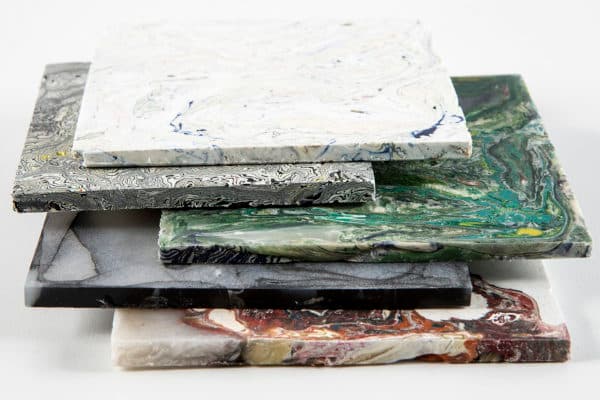
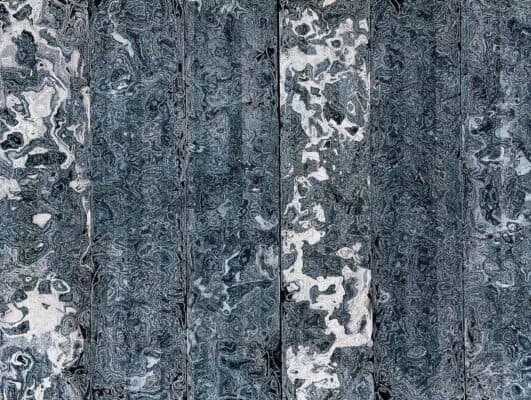
- Plastic Stone TilesThese so called Plastic Stone Tiles consist of postconsumer plastic waste. Designer Enis Akiev researched how plastic behaves in nature and found it forms plastiglomerate under certain natural influences, combing geological components with an artificial material. The tiles are the result of an investigation of how lightweight post-consumer plastic packaging could be turned to look like natural stone.
- Leek paperBecause it is possible to make paper from any organic material, leek waste can be used to do so as well. That paper can then be used to wrap vegetables in paper made from the waste streams of their own production. The packaging would also be the perfect medium to explain the story behind organic vegetables.
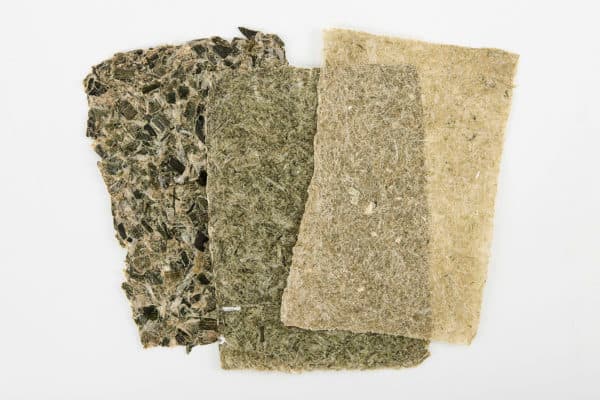
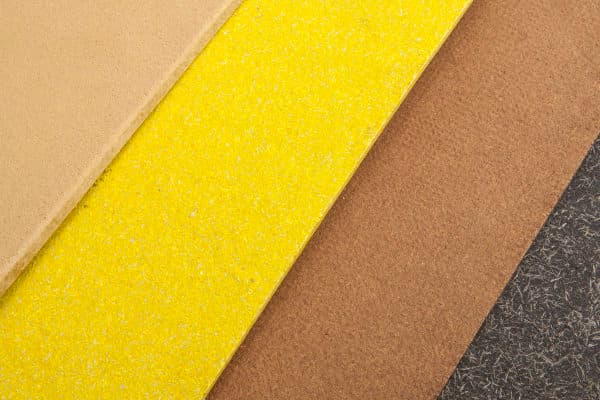
- ZelfoBlack/Light fibre flecks is made of sisal ('flume tow'). Mid Brown overall is made of coir (coconut ‘hair'). Golden brown overall is made of waste packaging fibre (post consumer waste) + Sawdust (post industrial residual). Yellow/White spots is made of cotton (industry residual) + Waste paper (Post consumer). It is designed as a laminate finish and has high wear characteristic.
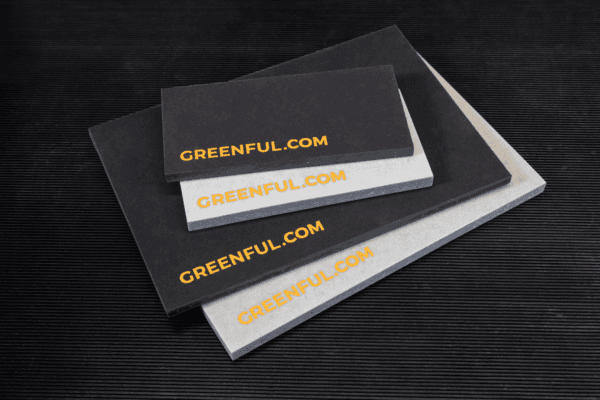
- Greenful PanelThe Greenful Panel, Greenful's flagship product, is a strong, load-bearing construction panel made from 100% recycled textile and plastic waste. The panels can be used in internal or external construction, flooring, roofing, near foundations, in furniture, and packaging. One standard panel recycles 8kg of textile & 5kg of plastic waste.
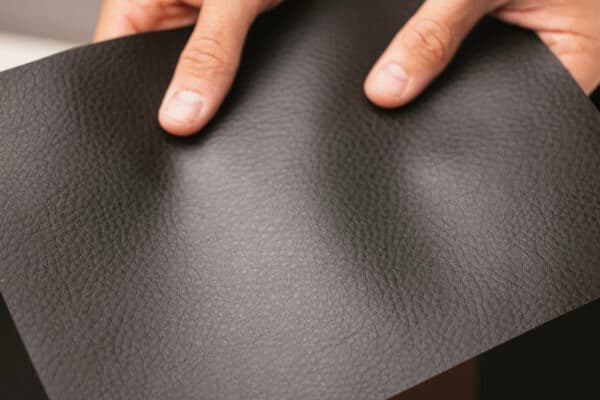
- Treekind®Treekind® is a low-carbon, waste-based alternative to leather that is completely free of plastics and harsh chemicals. The material is made for the mainstream market using urban plant waste, agricultural waste and forestry waste.
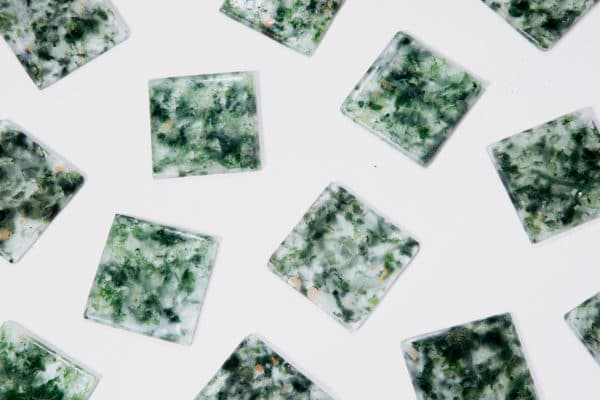
- Common Sands – ForiteCommon Sands – Forite evolved as a collaborative research project between Studio Plastique, Fornace Brioni and Snøhetta, with the aim of exploring the potential applications of recycled E-waste glass. Made from recycled glass from microwave ovens, the tiles have been developed in two different sizes. The tiles are both opaque and transparent, each with a unique pattern and expression.
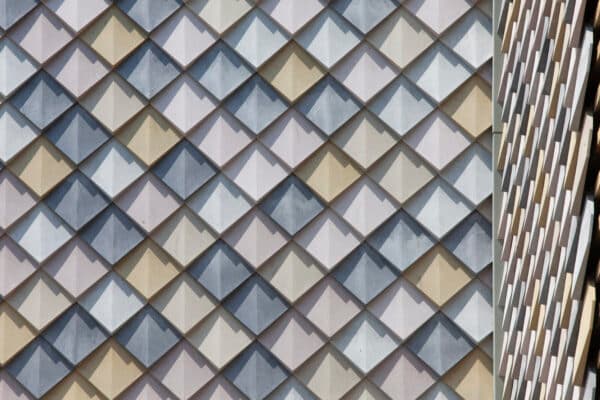
- Pretty Plastic tileThe company Pretty Plastic has developed a tile that consists entirely of recycled PVC building material waste. Because only waste streams are being used in the production process every tile is slightly different, which gives façades a natural look. The tiles are fully fireproof certified and can be applied on any building.
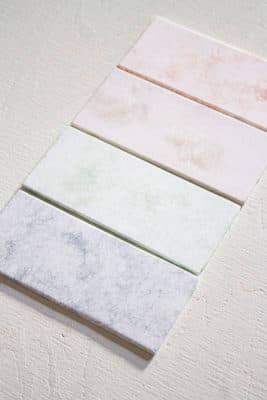
- Jute Wall tilesLaura van de Wijdeven used a waste material from Forbo Flooring to create wall tiles. The tiles are made of 50% Forbo jute fibre and 50% porcelain plaster. Jute fiber is the only waste material in the production process of Forbo linoleum. By combining it with porcelain plaster, the fibres is transformed into very strong tiles with distinct patterns.
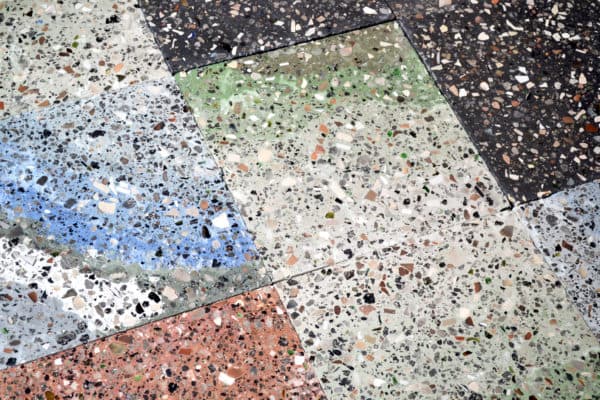
- 850°C Ash concreteWaste is burned in incinerators at 850 degrees Celsius (1560 degrees Fahrenheit). What remains at the bottom of the incinerator are chunks of unburned material and ashes, called bottom ash. Dutch designer Carmen Reus discovered this ash can be added in terrazzo. The surfaces give an impression of the things that we throw away and show the remnants of our throw-away society.
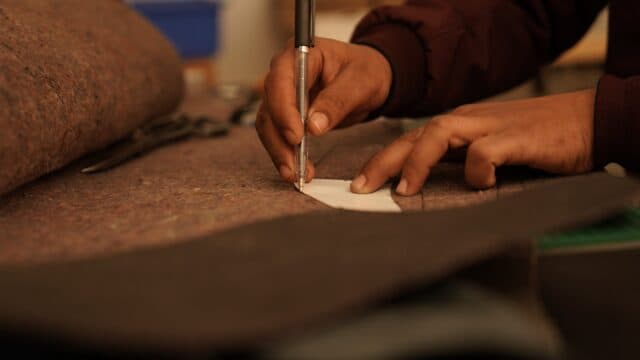
- UNWASTE™ – Cushioning from Post-Consumer TextilesUNWASTE™ is a cushioning material developed by A BLUNT STORY as an alternative to conventional plastic-based foams used in footwear uppers. It uses 100% post-consumer garment waste that is unsuitable for resale or conventional recycling. Mixed and damaged textile waste is processed and transformed into a cushioning material for lifestyle footwear, diverting it from incineration or landfill.
- DenimoliteDenimolite is an engineered composite material derived from repurposed denim waste, including manufacturing off-cuts, discarded garments, and non-recyclable stretch denim. By incorporating these materials, Denimolite transforms textile waste into a durable material suitable for interior designers, home renovators, commercial designers, and architects.
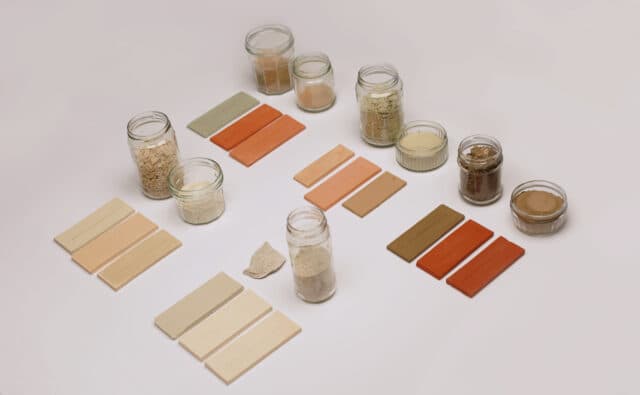
- Terres émailléesThis project transforms this excavated soil and demolition waste into glazed ceramic tiles. These excavated materials, such as clay, marl, sand, limestone, as well as demolition debris like bricks, granite, and glass, find a new purpose. Glaze recipes have been formulated by mixing finely ground waste materials in specific proportions. Clay body recipes have been developed using excavated clays and marls.
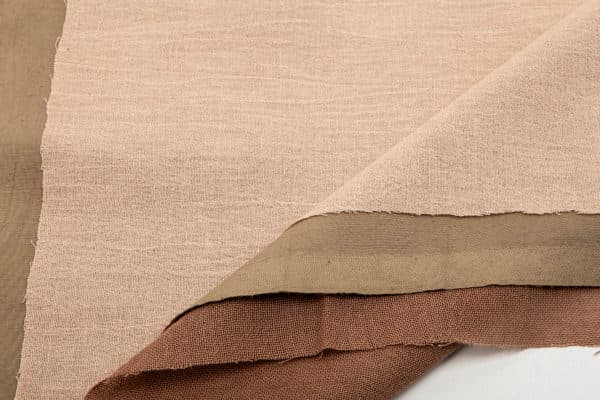
- Natural dyeDesigner Lucila Kenny started researching on the tinctorial properties of local plants, from the seasonal waste, for a more responsible application of dyes on natural textiles. She harvests from fallen trees, but also uses plant waste from gardens, or even food waste.