Search
48 results for “yarn”
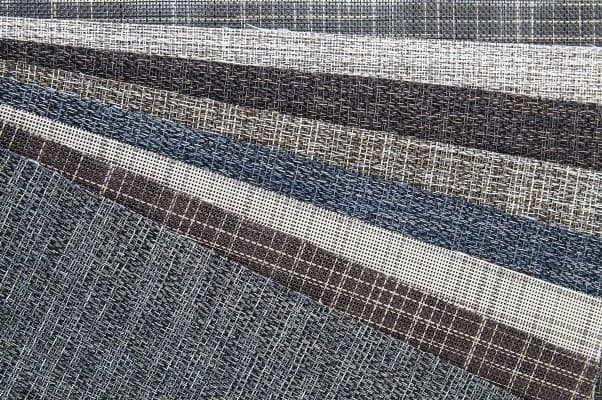
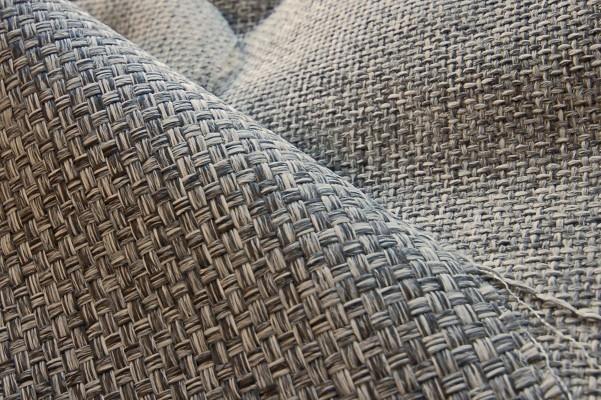
- Bouclé & LoungeThese fabrics are woven from extruded PVC yarn. The PVC is extruded onto a polyester core yarn for our tabletop products and a fiberglass yarn for flooring products. Once the years are made they are woven on looms and then heat treated. The heat treatment bonds the warp and weft so the fabric holds together.
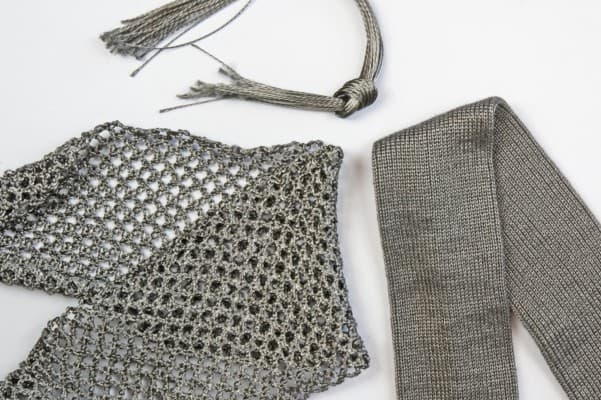
- Bekaert Bekinox VNBekaert Bekinox® VN continuous stainless steel filament yarn is the most flexible and durable electrically conductive filament yarn.
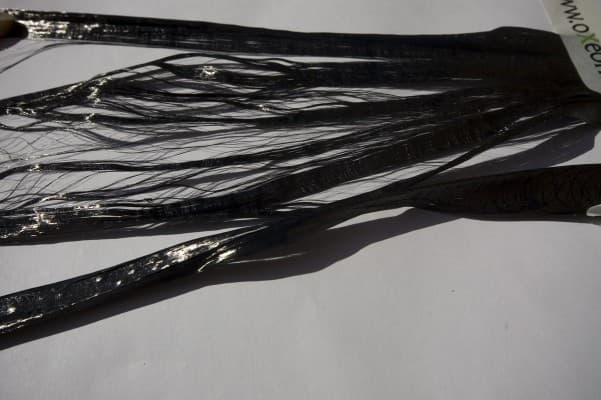
- Textreme, TexeroThis carbon fabric material is based on Oxeon’s tape weaving technology that uses tapes instead of yarn. In any given area more fibres can be packed in tape form than in a yarn. A woven material comprising interlacing fibrous tapes, instead of yarns, displays a substantially reduced number of interstices/openings.
- Clothing made from locally sourced river plasticResearchers at the Dutch Saxion University of Applied Sciences developed clothing made of locally sourced river plastics. While some parts of the process have…
- Forza recycled fabricThe Surprise! collection is an upholstery collection created in collaboration with Enschede Textielstad, a weaving mill in the east of the Netherlands. This collection is made from recycled cotton. In the development of the collection, designer Roos Soetekouw and Enschede Textielstad set the goal to make the collection as festive and colourful as possible. All of that by not using a single drop of dyestuff; the colour in the textile comes from the recycled fibers in the yarns.
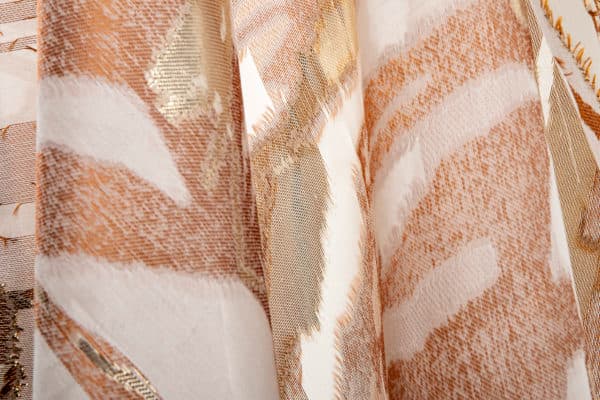
- Jacquard Lancé-DécoupéLancé-Découpé / Fil Coupé literally means "cut threads" in French. This weaving technique produces a delicate, yet tactile fringe effect on the surface of the fabric. Though it resembles some sort of embroidery, it is actually a jacquard weave, meaning the pattern is woven into the ground cloth. On the backside of the fabric, extra weft yarns are floated between designs.
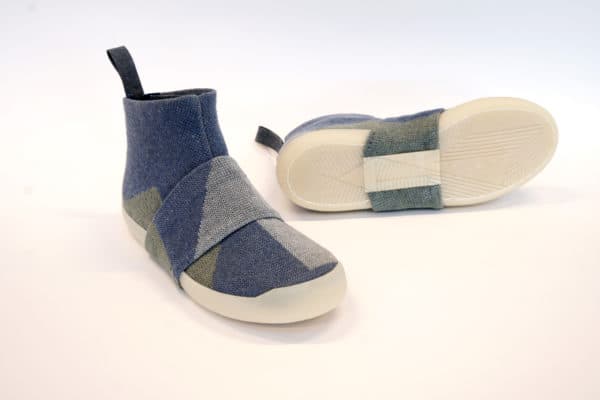
- This circular sneaker is designed for disassemblyIn a collaboration between textile company European Spinning Group (ESG) and design studios CREAX and Knitwear Lab, a circular sneaker called Anna was created,…
- Orange FiberOrange Fiber is a silk-like yarn, made from repurposed citrus juice byproducts. When used in its purest form, the resulting 100% citrus textile features a soft and silky hand-feel, lightweight, and can be opaque or shiny according to production needs. The yarn can also be blended with other materials.
- Four examples of German material designIn various projects, students from the department Textile and Surface Design at the Weißensee Academy of Art Berlin have designed products from a whole…
- A fruitful idea: fabric made from orange peel by Orange FiberIn Italy, the citrus industry discards one million tonnes of citrus fruit peels annually. While the peels are of course biodegradable, it still costs a…
- ColbackUsing so-called 'bi-component' yarns based on a higher melting polymer constituting a stiff core filament surrounded by a lower-melting skin polymer, a unique 'non-woven' can be made. The non-wovens can be used for various applications including primary backing for tufted carpets, filtration support media and carriers for coatings, laminated polymers etc.
- ampliTex powerRibsBased on patented powerRibs technology, ampliTex® powerRibs are high-performing grid fabrics made with flax yarn. During production, the flax yarn placement is controlled in order to obtain an application-specific mesh structure.
- Ocean Plastic Becomes FantasticWe love materials that help to clean up our oceans. Over the past year, we’ve looked at few earth-friendly innovations coming the sea including…
- Mysterious EarthCarpets made by B.I.C. Carpets are made by means of the traditional Wilton procedure. This procedure allows to manufacture carpets with both a top pile or a cut pile or a combination of both.
- PolyhedraPolyhedra is a fabric excisiting of an anti-allergic, non-toxic synthetic yarn. It is realized in a process that needs less energy than other synthetic yarns.
- Plynyl floor tilePlynyl floor tiles use additives which allow easy installation and increase sustainability ratings. The tiles can be easily installed using hook-and-loop fastenings with conventional low-VOC releasable adhesives. The yarns used are phthalate-free and made with at least 25% renewable vegetable compounds.
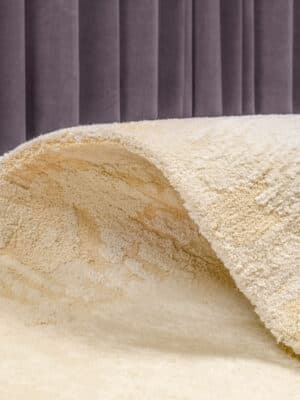
- Uprooted Rug Transforms Deadstock Wool Into A Customisable LandscapeSpanish designer Jorge Penadés and rug company cc-tapis have developed Uprooted Rug, a made-to-order design produced from surplus wool. Following its debut at Matter…
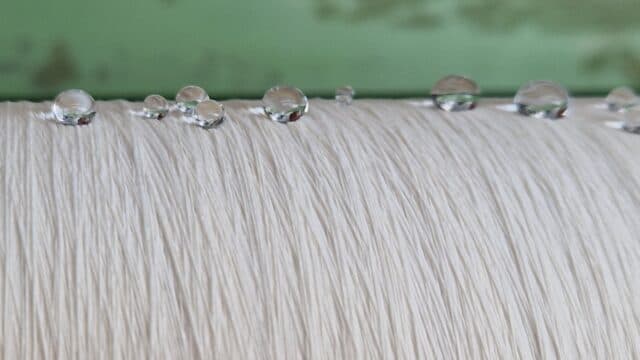
- Plasma Technology Explores PFAS-Free Water-Repellent Textile CoatingsWaterproof and stain-resistant performance textiles often rely on coatings containing PFAS. These fluorine-based chemicals offer excellent resistance to water, dirt and grease. However, they…
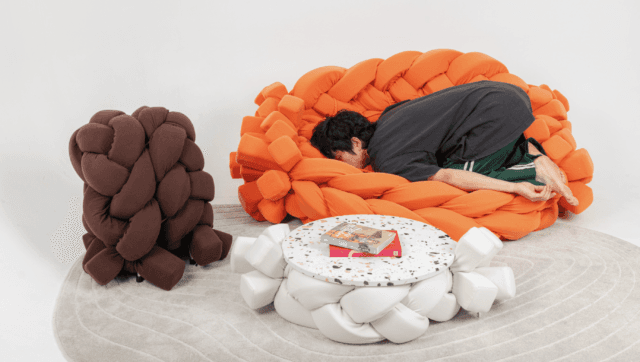
- Braided Elegance: The Fusion of Craft and Contemporary FurnitureYarn, traditionally associated with spun short fibres, has long been a cornerstone of textiles and crafts. The YYYarn collection, designed by Choi Piljae, Baek…
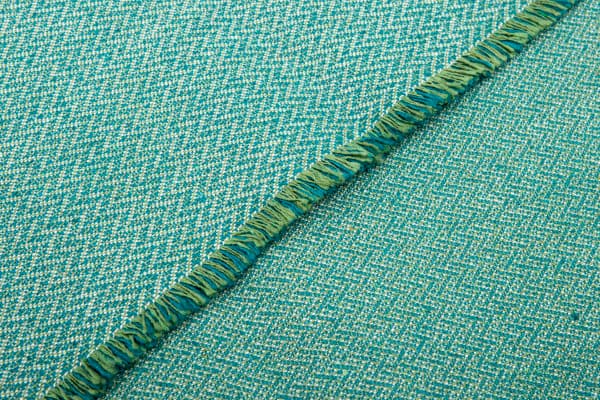
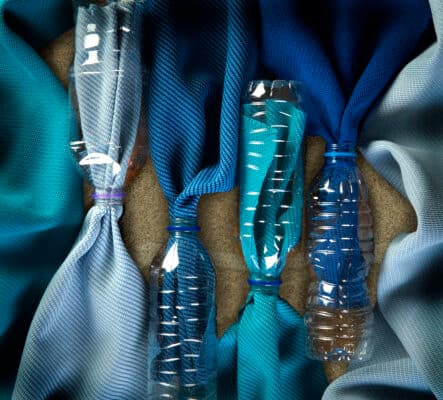
- OceanicSaving our ocean one bottle at a time, each metre of Oceanic is woven from yarn made from 26 plastic bottles. Delicately dyed using cationic yarn, this multi-tonal textile combines and contrasts a light warp with a deeply saturated weft. With an intricate twill weave, this visual detail creates a subtle pattern - enhancing both the considered colour and careful construction of the fabric.
- Recycled plastic waste upholsteryAs part of its dedication to researching new alternatives and exploring future materials with an eye to sustainability, Vescom has gone back to the…
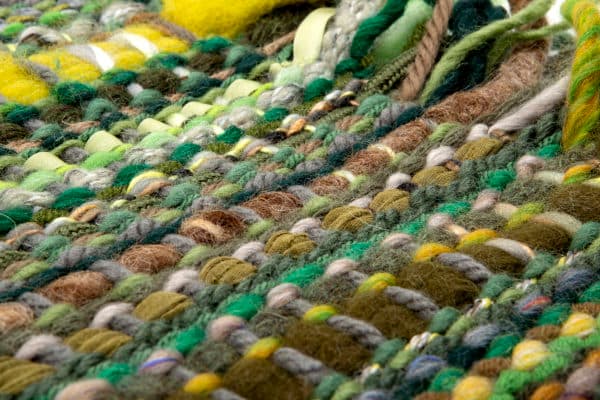
- Woven recycled materialSandra Fleurke makes acoustic panels, cushions, sofa throws, benches and bedheads made of woven recycled material. All the pieces are unique: even personal items can be used in the weaving process. The yarns, ribbons, shoelaces, cords, rubber, leather, plastics, copper, wool, cotton, zippers, velvet, flax and even shower curtains are all collected. Old clothes and knitwear are taken apart, the yarns and garments are used again.
- Fujifu wisteria fabricFujifu is carefully made through much time and effort, starting from cutting wisteria vines, removing the outer skin and spinning a yarn. Fujifu uses silk for warp and wisteria vine fibre for weft, based on sophisticated skills to manufacture obi by combining diverse yarns made of silk, gold coloured metallic fibre and washi (Japanese handmade paper).
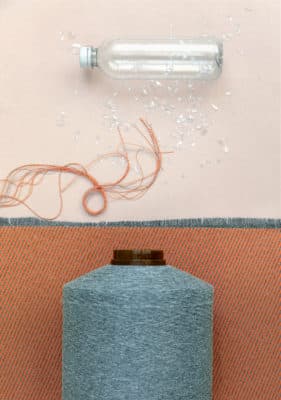
- Recycled PET blendWaste2Wear is specialized in the recycling of plastic waste into high quality, yarns, woven and non-woven fabrics and finished textile products. The recycled PET (RPET) blended fabrics consist of at least 30% RPET. Waste2Wear fabrics are made from very high twisted filament yarns, with a high number of fibers. This increases breathability and makes them very comfortable to wear.