Search
21 results for “air pollution” in materials
- Drapilux AirDrapilux Air is synonymous with flame-retardant Trevira CS fibres and air-refreshing technology. Pollutants and smells are neutralised by the catalytic effect. Room air is constantly purified, both day and night.
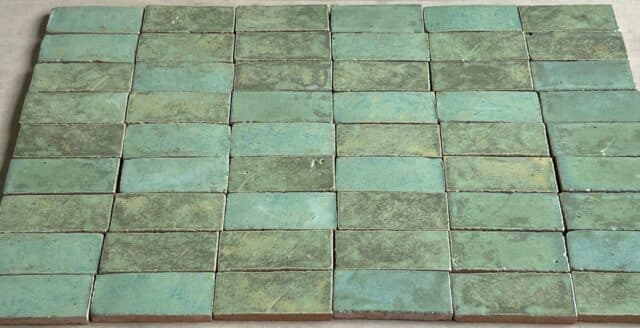
- CLEAN-AIR-CITY-CERAMICSClean-Air-City-Ceramics closes a loop. Harmful particulate matter that is captured directly from the polluted air in heavy industry is given a place in the production of glazes for architectural ceramics. Here you can see an example of a tile made from 60% recycled materials and finished with a waste glaze from the Clean-Air-City-Ceramics series.
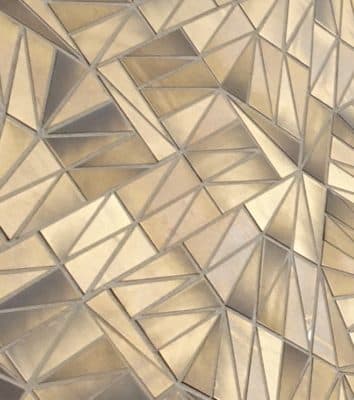
- Clean Air City Ceramics – bronze glazeClean Air City Ceramics is a collaboration between Studio Christine Jetten and ENS Clean Air, in which air pollution is processed into architectural ceramic glazes. This glaze typology reduces particulate matter, reuses accumulate waste and reintroduces this waste in circular ceramic glazes. These tiles are the custom application for Rebel House, a new approach to sustainable and entirely circular vacation homes.
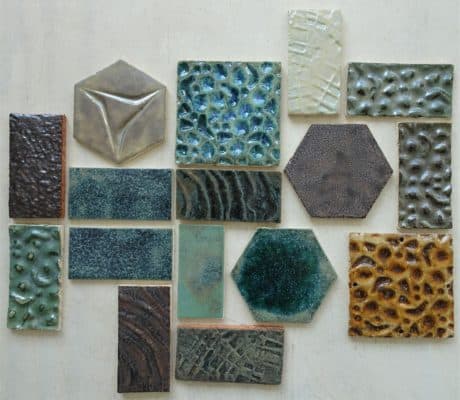
- Clean Air City Ceramics – waste glazesFrom 2017 SCJ started looking into the possibilities of integrating waste materials in the glaze recipes, besides the already known custom of reusing leftover material from the production process. The glaze of Clean Air City Ceramics is composed with captured particulate matter from industrial working environments.
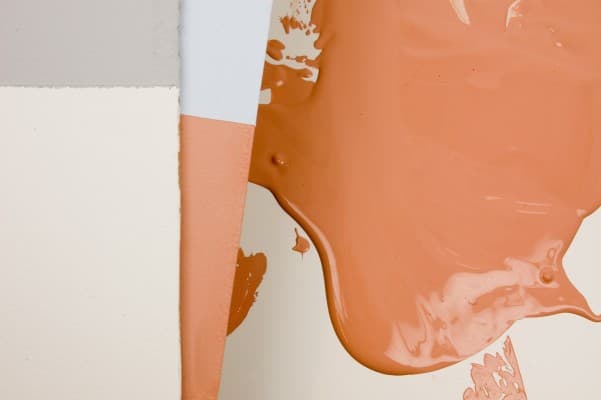
- KNOxOUTThe ‘eco active’ air cleaning paint KNOxOUT uses the CristalActiv photocatalytic technology. Ultrafine titanium dioxide (TiO2) absorbs energy from light to form free radicals that break down noxious air pollutants. The process is permanent. The technology also makes KNOxOUT self-cleaning, anti-bacterial and de-odorizing. The paint can be applied where exterior durability requirements are demanding.
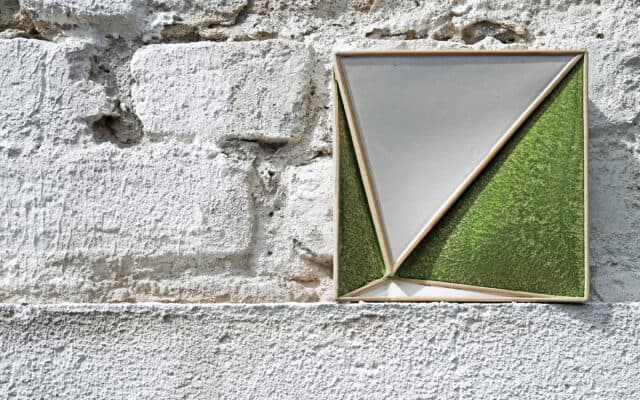
- Cellular – the breathing facade tileCellular is a climate improving facade tile that integrates the natural growth of air algae as an architectural element, giving a whole new aesthetic to city greening. The hollow ceramic panels function as rainwater stores, creating a humid environment that is the perfect habitat for the vegetation. While the micropatina produces oxygen and absorbs air pollutants, the evaporating rainwater causes a natural air conditioning.
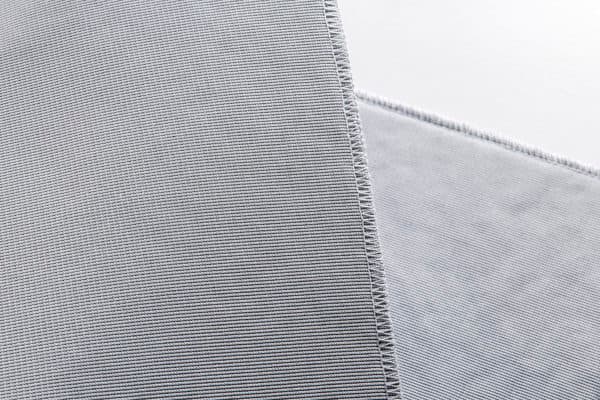
- The BreathThe Breath was created to attract polluting molecules in its core layer. The activating nanomolecules block the impurities inside its fabric structure and prevent them from being released back into the environment. The technology is based on a three-layered system, three active parts with different and complementary positions and roles.
- NoxiteThe surface slates/ granules of the Noxite membranes are coated with titanium dioxide, which functions as a catalyst in the process of changing the NOx molecules into harmless levels of nitrates. The process is activated when ultraviolet radiation from the sun hits the titanium dioxide particles, releasing energy for breaking down the NOx molecules.
- Powder CoatingAllicance powder coating is a green manufacturing process. There are no VOC’s (Volatile Organic Compounds) nor HAP’s (Hazardous Air Pollutants) emitted through this process. In most instances the paint over spray can be reclaimed and reused, which can mean a transfer efficiency or paint usage greater than 95%.
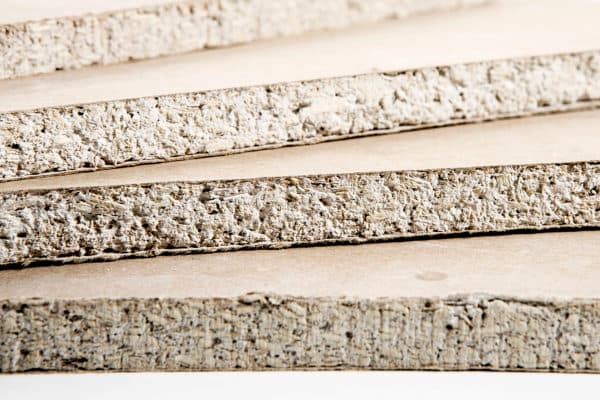
- BreathaboardUnlike drylining board alternatives, Breathaboard passively regulates the moisture in the internal space through its breathability and moisture buffering capabilities, reducing pollutants in the air, the likelihood of condensation and mould or mildew occurring and occupant health problems such as asthma.
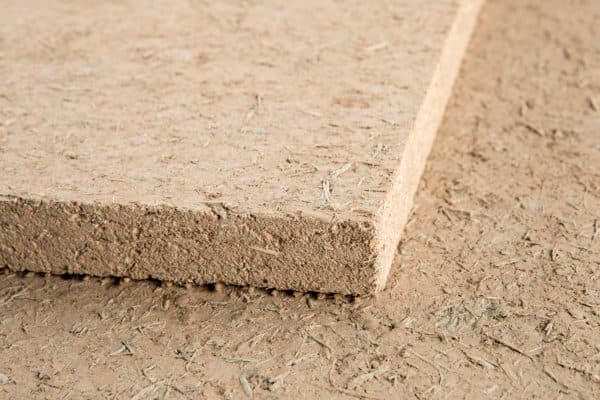
- Loam construction panelThese Lemix loam construction panels can be used as an alternative to plasterboard. The loam panels provide thermal insulation in both summer and winter, adding to an ideal room temperature. Loam regulates moisture, protecting against fungi, neutralises air pollutants, absorbs odours, and is inflammable. Combined with the proper finish, the loam construction panels can be used in wet rooms.
- KerAionUsed worldwide for decades, the KerAion facade system offers – besides low weight and special fastening technique – alternatives to the otherwise quite usual…
- KeraTwinWith its variety of colours, formats and surfaces, KeraTwin offers the architect an enormous freedom of design. And as diverse fastening alternatives ensure technical…
- Printed CementPhoto catalytic cement can be screen-printed to enhance outdoor and indoor spaces. The material itself becomes the decoration, suggesting and showing its tactility and textured features. Besides its decorative feature the cement is able to clean the air, breaking down pollution, thanks to its chemical and sustainable property.
- TexlonThis foil cladding material consists of pneumatic cushions restrained in aluminium extrusions. Inflated with low pressure air to provide insulation and resist wind loads. It does not degrade under Ultra-Violet light or atmospheric pollution and is self cleaning. It reacts to the sun so it changes it’s transmission and UV insulation throughout the day.
- TX ActiveTX Active is a photocatalytic principle for cement products which can reduce organic and inorganic pollutants that are present in the air. TX Arca cement is specifically designed for the construction of prestigious architectural works.
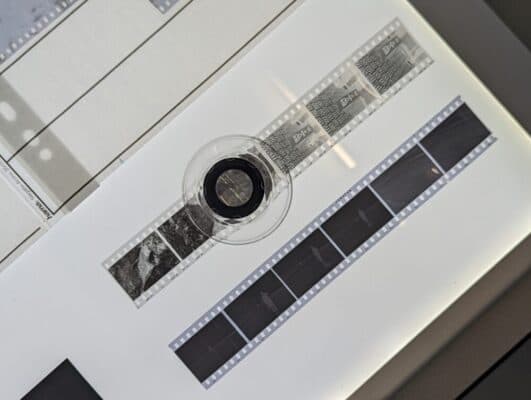
- Phenol Sodium Ascorbate DeveloperThe photographic method comprises three chemical processes - development, stop, fixing - which utilise harmful substances to this day. This project investigates the toxic nature of analogue photographic processes and the sustainable alternatives that are available.
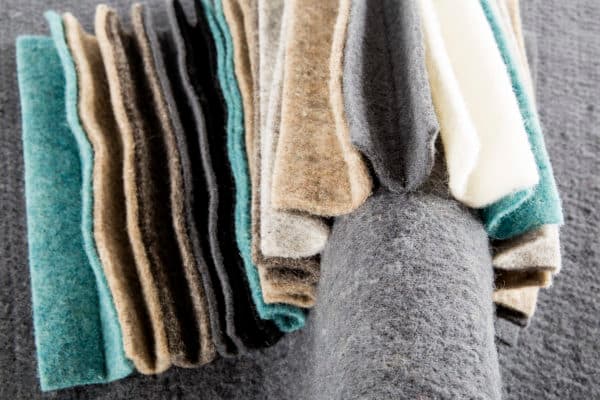
- Silentum acoustic wool feltSilentum acoustic felts improve the acoustics in the room due to the sound-absorbing property of the wool. Reverberation times are reduced, disturbing and unpleasant noises in low or very high tones are cushioned. The modular system, which was developed in cooperation with architects, enables the acoustic elements to be easily applied.
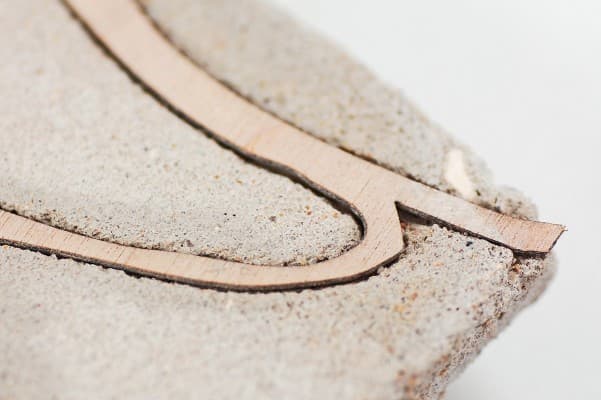
- Natural FootprintNatural Footprint is a concrete that combines photo catalytic cement with Laser-cut Plywood. The photo catalytic cement breaks down organic polluted molecules in the air into harmless substances. The wood embossed gives a nice aesthetical effect, making the tiles decorative. It is ideal for external facades, indoor walls and flooring.
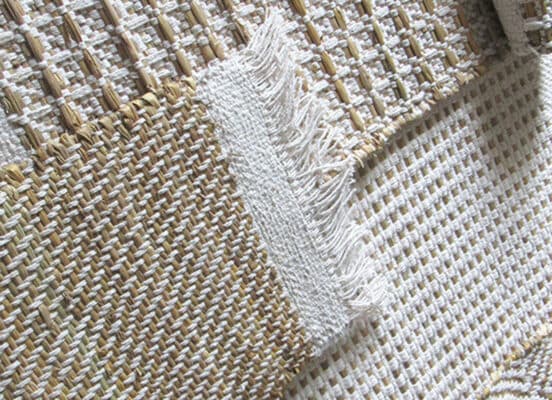
- Upcycled Rice Straw TextilesThe project addresses the environmental impact of parali—rice straw residue left after harvesting. Rather than being incinerated, the rice straw is upcycled into biodegradable and compostable textiles. Parali by Aarushi works directly with farms to reduce transport-related carbon emissions and follows a circular production system in which manufacturing offcuts are reused to produce tags, paper and packaging materials.
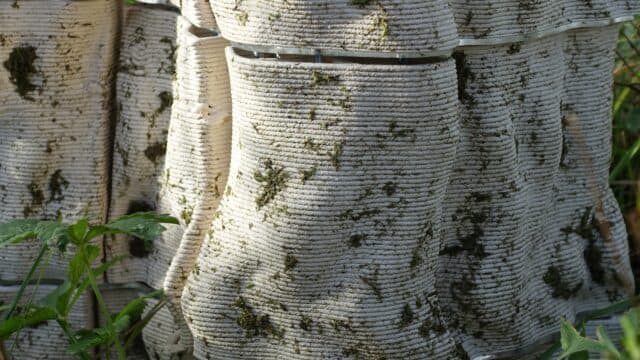
- Bio-receptive 3D printed ceramicsThis material merges traditional craftsmanship with advanced technology, using natural, recyclable clay and living moss to create sustainable, functional, and visually captivating surfaces. The process begins with 3D printing, powered by parametric design, which enables the creation of intricate, customized geometries that would be impossible to produce through traditional methods.