Search
16 results for “carbon black” in materials
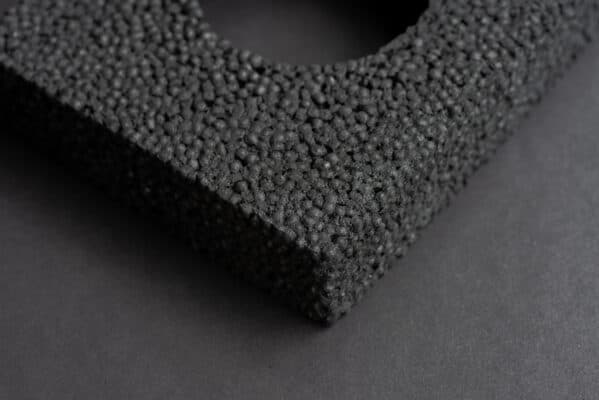
- Carbon Cell FoamCarbon Cell provides an alternative to polymer-based foams, with a patent pending, plastic-free foam made with carbon-negative biochar. This foam can be expanded using heat, either in moulds, or extruded profiles, enabling rapid production. It can be machined and cut using CNC and other common tools.
- Flexzorb activated carbon clothFlexzorb is 100% activated carbon cloth and is more effective at adsorption compared to other carbon loaded materials which have a lower activated carbon content. The material is available in woven and knitted formats and can also be tailored by activity levels, weights and thicknesses. In addition value added composites can be created by laminating to other materials or impregnating with chemical treatments.
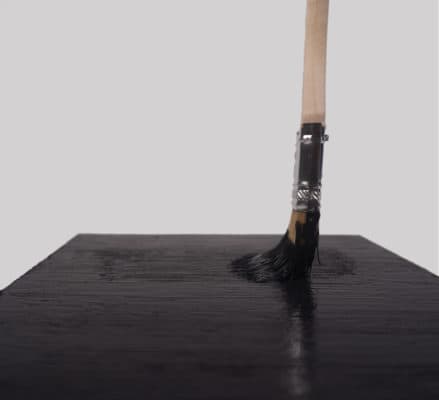
- Upcycled Carbon BlackThis carbon black is made entirely of recycled tires and can be used as a pigment in polymers, ink, tires or paints. Black Bear carbon blacks are nothing less than a full replacement in all master batch and adhesive applications. Yielding a particularly high wetness and tinting strength, this is an eco-friendly, full replacement carbon black for the industry’s tinting and full-tone applications.
- OurCarbon BlackOurCarbon Black is a pigment made from organic waste that was diverted from landfill. OCB is made in a passive process that fixes, or sequesters, the biogenic carbon in organics. Organic material breaks down as methane in landfill conditions. Diverting organic material from ending up in landfill to create OurCarbon Black avoids significant greenhouse gas emissions.
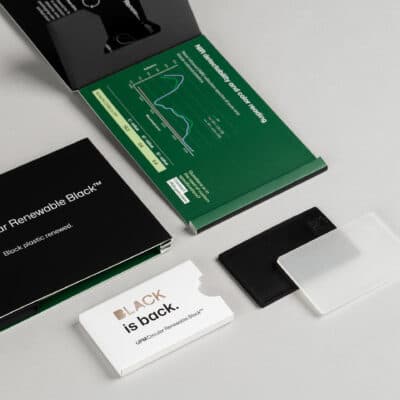
- UPM Circular Renewable Black™UPM Circular Renewable Black™ is a biobased black pigment developed by UPM Biochemicals for applications in plastics and rubber, particularly in packaging. The material is derived from lignin, a natural polymer found in wood, and is sourced from FSC™ and PEFC-certified forests.
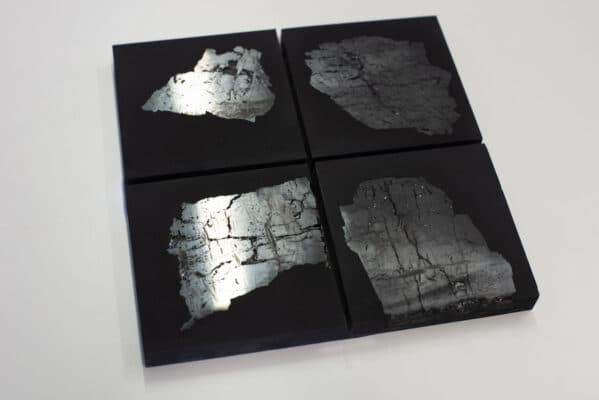
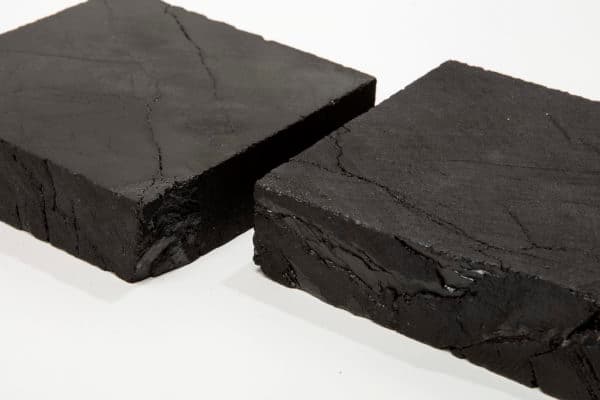
- ‘Carbon Capture’ tilesCarbon Capture is a material exploration that reflects on contemporary carbon capture technologies through a critical, material-driven approach. The project utilises anthracite coal—one of the most carbon-dense fossil fuels—permanently cast within a mineral or cementitious binder. By physically embedding the carbon source, the material offers a literal interpretation of “capturing” carbon.
- Koyo Ibushi ArareKoyo Ibushi is a ceramic-like material, made from soil and carbon, using a Japanese traditional technique. The rigid, microporous material is made by carbonizing mineral rich soil. Due to the carbon film that is created on the surface, the material has a good weather resistance and an intrinsic silver colour.
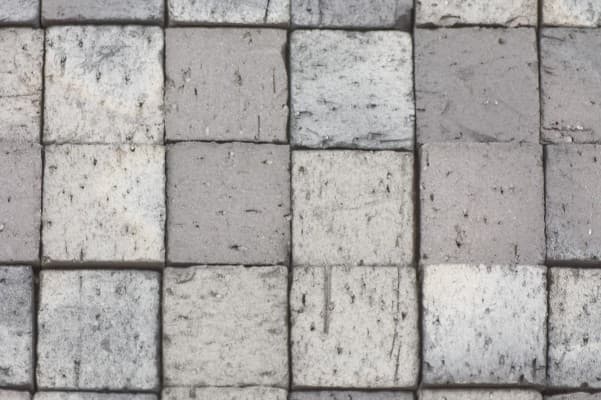
- Koyo Ibushi TilesThe ceramic-like material is made by carbonizing mineral rich soil, a traditional Japanese technique. This results in a rigid, microporous material with a metallic coloured surface and with a high durability. Its porosity makes the material humidity-regulating. Koyo Ibushi Tiles, with various designs, are handmade.
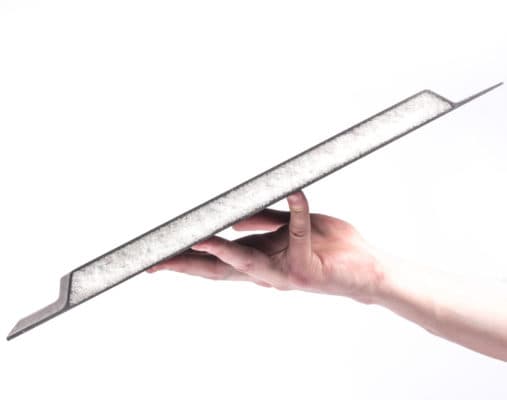
- Textile/resin compositeThis composite material consists of glass fibre reinforced polypropylene pultrusions applied as warp in a fabric with thin black fibres as weft. By heating and compression moulding this fabric, flat or curved panels are manufactured with a relatively high strength and stiffness.
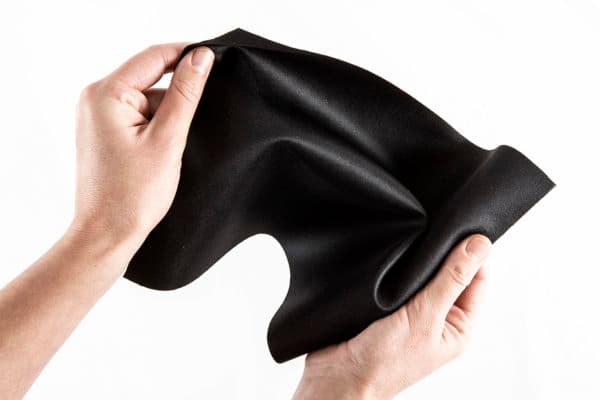
- EPDM MembraneThe main component of Firestone EPDM Roofing Systems is Firestone RubberGard EPDM membrane, a single-ply synthetic rubber roofing membrane made of ethylene - propylene - diene terpolymer, mixed with carbon black, oils, curing agents and processing aids.
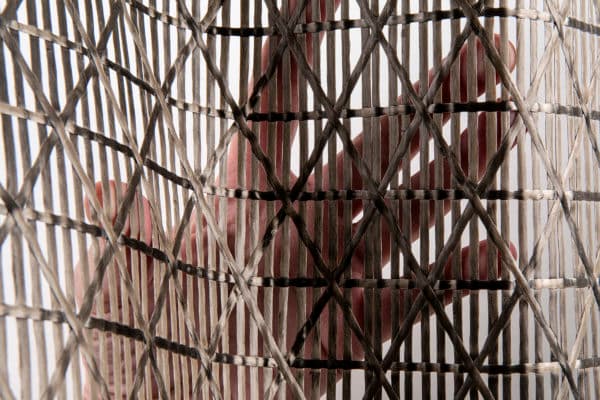
- I-MeshI-Mesh is the result of a study on composite materials in the nautical and aerospace environment. The yarns are carbon fiber, fiberglass, zylon, technora or basalt. It is 6/7 times stronger than metal, sustainable, recyclable, noise-absorbing, insulating, non-combustible, PVC free and it guarantees energy saving.
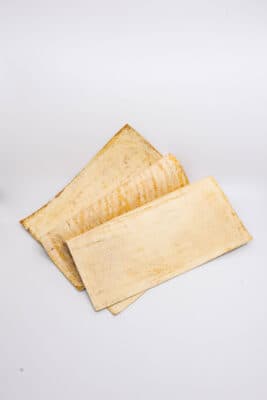
- MYLEAMylea™ is a leather-like material derived from mushroom mycelium, inspired by mycelium tempeh. It is cultivated using local agricultural biomass waste as a nutrient source for the mycelium's growth. Mylea™ naturally exhibits a brownish hue, while black variants are achieved through natural dyeing. The material's structure consists entirely of a natural layer of mycelium fibre, creating a durable and robust bond.
- Post-Fuel ProjectThe project Post-Fuel considers coal not as fuel, but rather as a material. Coal is traditionally seen as a completely functional raw material; its value is derived solely from its own destruction. Designer Jesper Eriksson’s project considers whether this cheap and whether it has an alternative future as a desirable material. The tiles can be used for various purposes.
- XyhloXyhlo biofinish is a durable and 100% environmentally friendly method for protecting wood. The Xyhlo biofinish is created as an organic protective layer on the timber by first processing the wood with a natural oil, and then applying an organic coating based on a non-hazardous and in nature occurring fungus. As a result, native, less durable wood species can be protected long term.
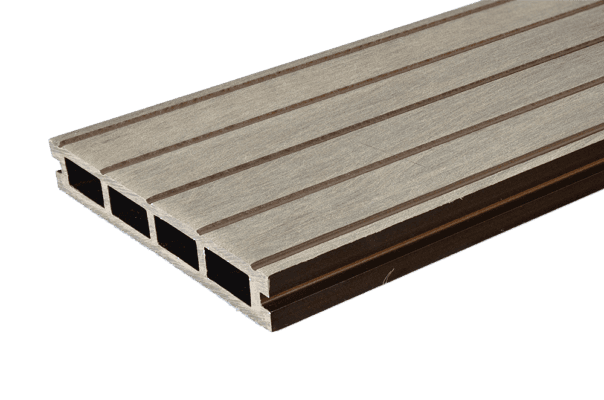
- Plana wood (Husk Plastic Composite)Planawood is a high-performance composite material designed as a sustainable alternative to traditional wood. Made from 60% rice husk, 30% recycled plastic, and 10% performance-enhancing additives, it offers exceptional durability. Unlike natural wood, Planawood is resistant to water, termites, and rot.
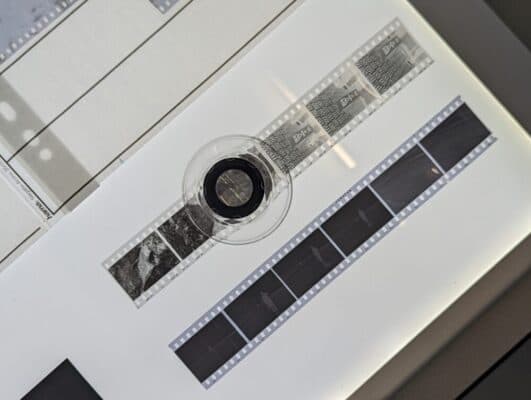
- Phenol Sodium Ascorbate DeveloperThe photographic method comprises three chemical processes - development, stop, fixing - which utilise harmful substances to this day. This project investigates the toxic nature of analogue photographic processes and the sustainable alternatives that are available.