Search
17 results for “ink” in materials
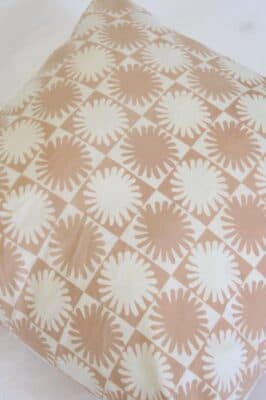
- Avocado Seed Bio-InkThis textile showcases a biobased ink developed from discarded avocado seeds and applied through screen printing on organic cotton fabric. It highlights the potential of waste-derived inks within textile design and production. The colour is extracted from avocado seeds (Persea americana) and combined with biobased binding agents to produce a printable ink.
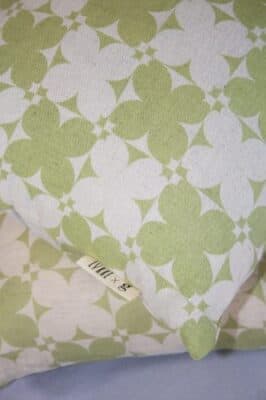
- Indigo & Buckthorn Bio-InkThis textile features a sap green biobased ink formulated from two botanical pigment sources and applied through screen printing on linen fabric. It demonstrates the potential of plant-derived colorants as sustainable alternatives to synthetic textile inks. The ink combines pigment extracted from Japanese Indigo leaves (Persicaria tinctoria) and Buckthorn seeds (Rhamnus petiolaris).
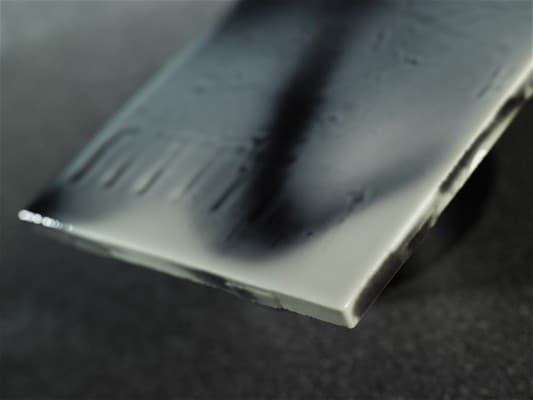
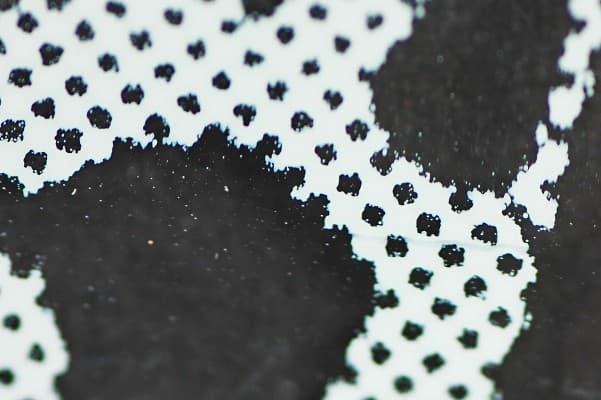
- Thermochromic InkThis thermochromic ink of Alsa reacts to the heat generated by brisk rubbing over the printed area. It disappears when warm and reappears as it cools off.The ink can be applied to all kinds of surfaces, like metal, glass, ceramic, plastic etc.
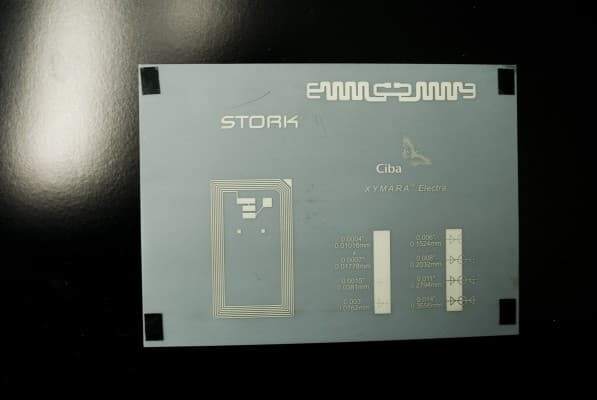
- Ciba XYMARA Electra inksCiba new range of printable, electrically conductive inks – the Ciba® XYMARA™ Electra range can be used to print electronic circuits. It can be printed on paper and the paper may be rolled or folded up without loss of performance
- Photopia AQ InkOrganic photochromic colourant that changes colour reversibly and repeatedly. Available in three reversible colours: yellow, purple and blue. The colours are activated when exposed to the sun or other ultraviolet light sources and then change from clear to colour and change back when the ultraviolet light source is removed.
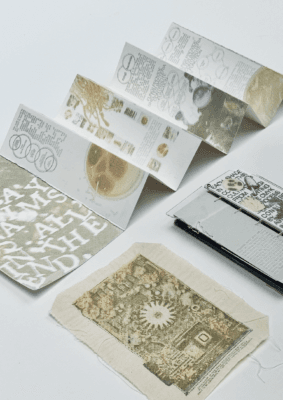
- MYCO colorsystemMYCO Color is a biologically derived pigment system developed through fungal cultivation, transforming living organisms into a functional, biodegradable printing ink. The material is presented through three interconnected components: a petri dish containing active fungal growth, an ink cartridge filled with extracted pigment, and printed paper samples demonstrating the ink’s visual behavior. Together, these elements reveal colour as a process rather than a fixed outcome.
- ChromazoneThermostar is a line of temperature sensitive (thermochromic) finished inks. Thermostar is formulated using ChromaZone pigments and utilises TMC's latest printing ink techniques. The ink colour on a printed item disappears as the temperature rises above the response temperature of the thermochromic ink and then it reverses back to its original colour as the temperature is reduced again.
- Special PrintsHelder Screen Printing specializes in special print applications of all types of inks, ranging from offset printed work to heat-sensitive to spot varnish to scratch and sniff and beyond. Customers can also ask for the printing of various materials that can not be printed in a typical way (i.e. screen printing). Some of these printed material surfaces include plastic, metal wood and more.
- AROMA AQAroma granule Aqualite Ink is a water-based microencapsulated scented ink. The coating is used for screen-printing and dye applications onto textiles. A proprietary microencapsulation process allows for long-lasting aromatic stability. Twenty fragrances are available.
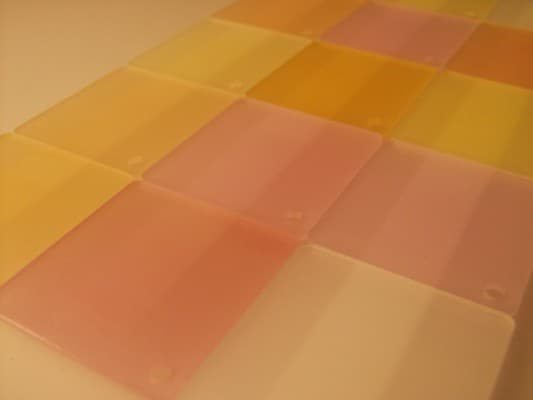
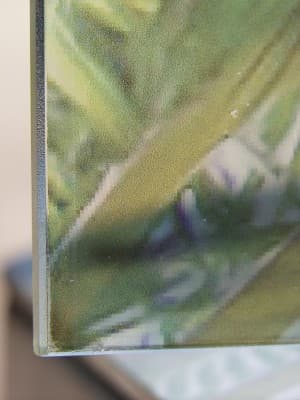
- Ceramic PrintThis ceramic printed glass panel is made by an industrial direct-on-glass digital printer. Special ink compositions are used for long lasting glass printing, which include micro- particles of glass. The fixation of the printed image is made by firing the printed glass in a furnace. The exposure of the ink to high temperatures causes the glass micro particles to melt, thus affixing the ink pigments into the printed glass surface.
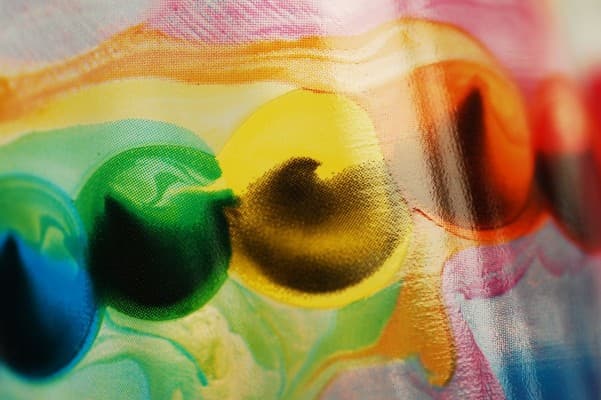
- 2.5D printThis technique, in which a thin layer of solidified ink is printed, allows for a texture to be printed onto a flat substrate. Basically, the 2,5D print technique consists of multiple layers of ink, up to 10mm thick, which are printed on various flat and rigid surfaces. This collection is produced with Océ High Resolution print technology.
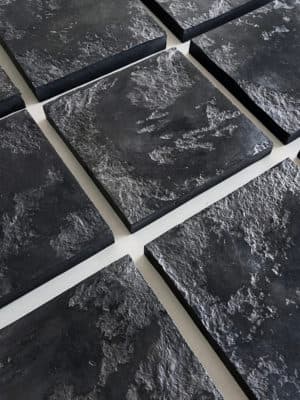
- Re-engineered Paper ResidualDe-inking sludge is comprised mainly of inorganic mineral fillers, short cellulosic fibres and fines (micro fibres), coating polymers and ink particles. Re-engineered using Zelfo Technology’s process the material becomes clay like, reforming when pressed into a granite-like material.
- Photochromic PigmentsReversacol photochromics can be combined with a wide range of special effect colourants such as light angle-dependent interference pigments, thermochromics, liquid crystals and permanent dyes to produce unusual photochromic effects or colour to colour effects.
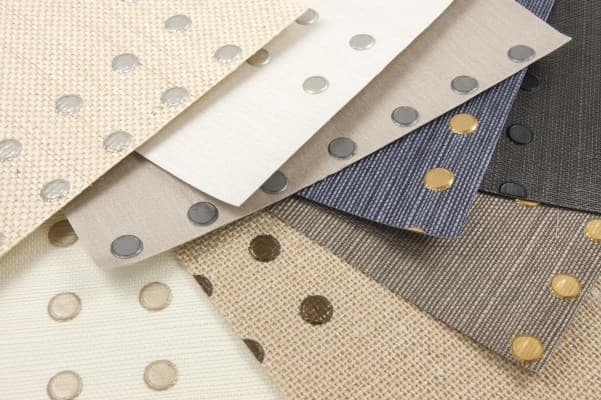
- RivetsThe Rivets collection is made using fabrics, such as simple woven Manila Hemp, Raffia, and Linen. These fabrics are paper-backed and then screen printed with a pearlized latex ink, by hand. The raised relief pattern has the look and feel of nail heads.
- UltraGlassUltraglass is a recycled glass free of heavy metals, solvents, halogens and VOCs (Volatile Organic Compounds).
- Flexglass DecorFlexglass Decor combines a high resistance and strength with an almost unlimited colour range. A special process of painting and printing (ink-transmitting) the surface of the glass plane guarantees the durability.
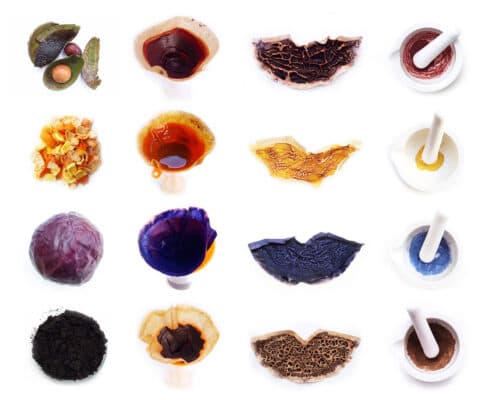
- Food Waste PigmentWith her graduation project, The Colour of Waste, Sara van Laerhoven wanted to go back to basics and show how special and beautiful colour can be and that it can be natural. By using material research, she found a way to make a natural alternative to synthetic inks to use in graphic workshops. This alternative is made from food waste. In this case from coffee grounds, avocado seeds, red cabbages and orange peels.