Search
21 results for “jute” in materials
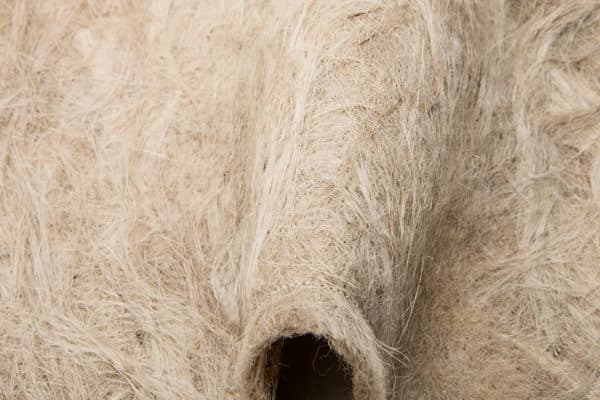
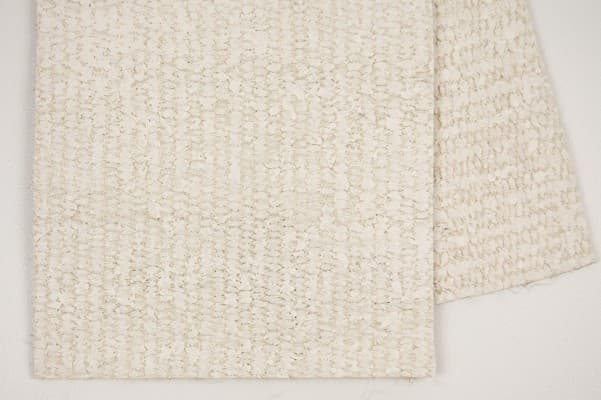
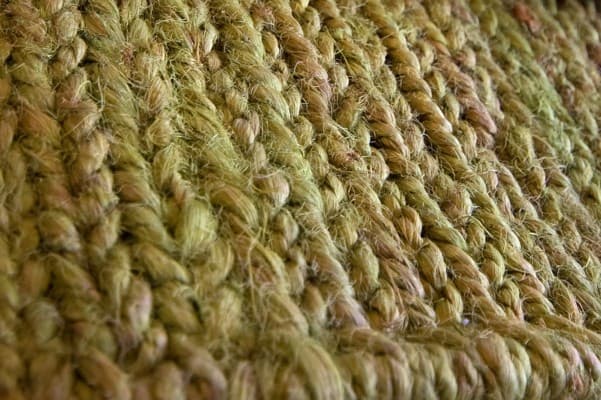
- Hey Jute fabricHey Jute fabric showcases the benefits of the raw fibre of jute. Growing between two to five metres, the strands are incredibly long and strong. With his project, designer Alexander Marinus aims to change the perception and appreciation of jute in textiles. He uses the full properties of the raw jute fibres in their pure state, preferably the light coloured thin fibres.
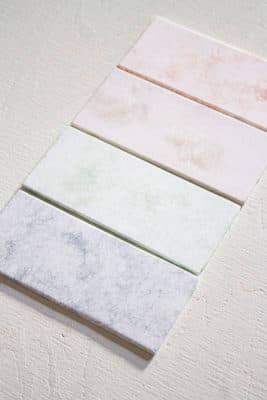
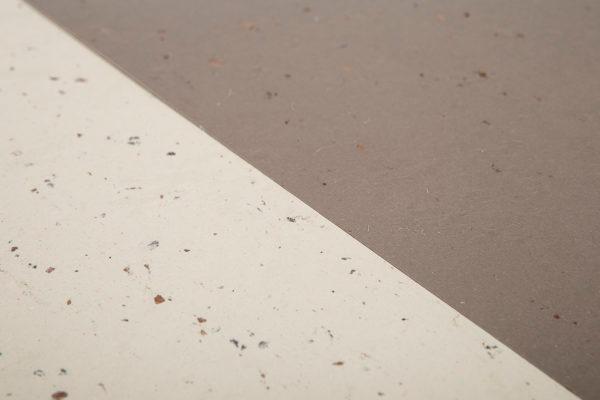
- Jute Wall tilesLaura van de Wijdeven used a waste material from Forbo Flooring to create wall tiles. The tiles are made of 50% Forbo jute fibre and 50% porcelain plaster. Jute fiber is the only waste material in the production process of Forbo linoleum. By combining it with porcelain plaster, the fibres is transformed into very strong tiles with distinct patterns.
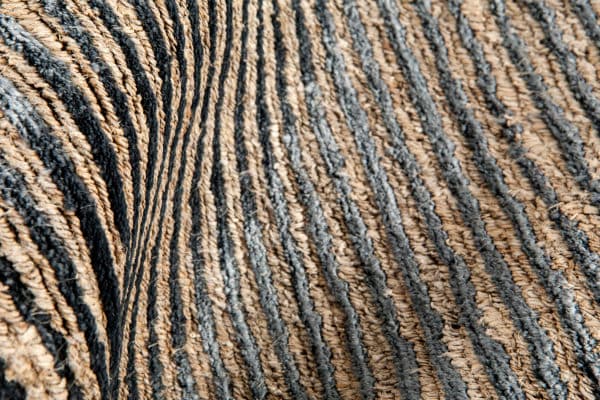
- Banana fibre, hemp & jute carpetThese carpets are made from jute, hemp and banana fibres. The appearance of banana fibre is similar to that of bamboo fibre and ramie fibre, but its fineness and spinnability is better than the two. The chemical composition of banana fibre is cellulose, hemicellulose, and lignin. The fibre is very strong and has a somewhat shiny appearance depending upon the extraction and spinning process.
- JutaCombination of metal with jute which creates a good balance between warm and cold. The jute material can be combined with various metals.
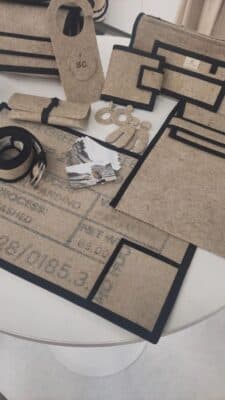
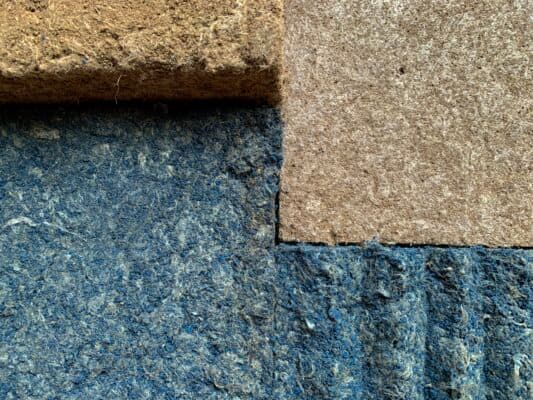
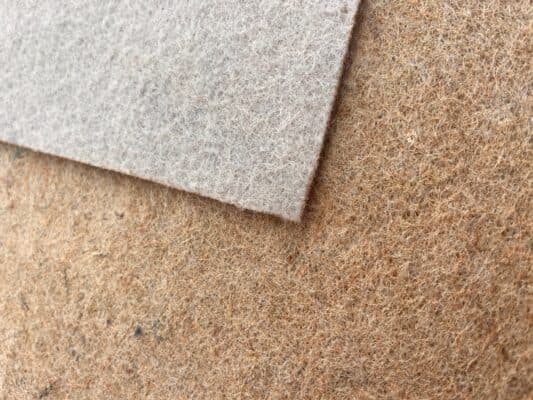
- Re-Yut-Cel – Felt from Recycled Coffee SacksRe-Yut-Cel is a collaborative material initiative that transforms discarded jute coffee sacks into a durable, biobased felt for interior and design applications. Jute coffee sacks, typically used once for transporting coffee beans, are commonly incinerated after use. The felt is suitable for acoustic panels, lampshades, mattress fillings, and other interior elements.
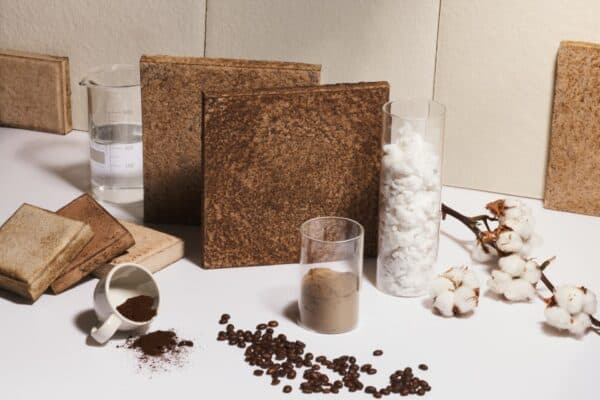
- Biobased Acoustic Materials from Organic ResiduesA series of acoustic tile developments explore the use of plant fibres and organic by-products as primary material components. The tiles are designed for interior applications and combine renewable fibres, residual biomass and mineral additives within composite systems intended to provide sound absorption and structural stability. The versions shown are seaweed and cotton, coffee, coconut fibres, jute, and grape pomace.
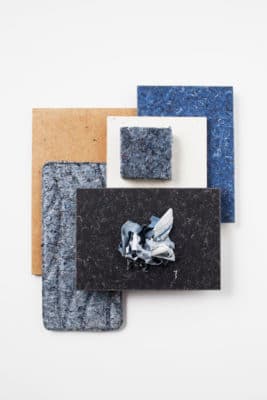
- Biofold acoustic panelBioFold is inspired by the abundance of wasted natural fibers derived from plants, primarily jute and cotton. It upcycles discarded textile streams of jute burlap coffee bags and denim products. Biofold combines these wastestreams with a biobased non-mineral oil plastic (PLA) that is compostable. Combining origami and digital production techniques transforms BioFold into a sensory architectural product that plays with light, shadow and perception.
- I GlassatiBasic textures of coir and jute fibres have been given a rubberised coating of variable thickness. The manually applied coating smoothes the textured, hand-woven surface. Basic modules are combined in multiples through a technical binding, that creates lines of light through the surface, enhancing the irregular, uneven joins.
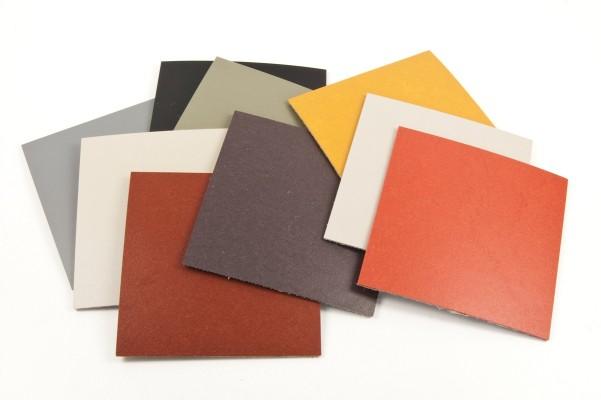
- LinoPulpoLinoPulpo is an eco-conscious composite material made from pulped linoleum, jute, and repurposed cotton canvas, all sourced from recycled Forbo Flooring Systems linoleum waste. The material includes cork flour-based and wood flour-based linoleum, combining sustainable elements into a versatile and durable product. The linoleum used is a natural, non-toxic material made from tree rosin and linseed oil, known for its environmental benefits.
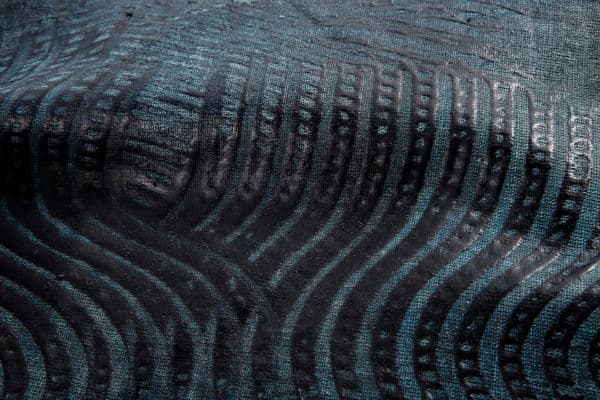
- Hévé textileHévé textiles collection (formerly called Tchouc) is the result of La Gadoue’s research on latex coating on natural canvas. This hand-made composite material is a vegetal alternative to leather. The idea is to produce a functional and versatile textile for interior design. La Gadoue decided to use the natural textiles linen and jute as base canvas. For the coating, La Gadoue uses natural rubber, which comes from the sap of the rubber tree.
- Marmoleum CocoaMarmoleum Cocoa is marmoleum with added cacao shells, a waste material of the chocolate industry, which give the flooring its structure. The flooring consists of 97 per cent renewable raw materials, and consists of 43 per cent of recycled materials. Marmoleum is a sustainable flooring, made from renewable materials such as linseed oil, wood, and jute.
- SizopregSizopreg is a bio-composite made of high-quality poly lactic acid (PLA) and jute. These decorative panels are dimensionally stable in typical conditions, but also retain excellent ductility in the higher temperature ranges. Sizopreg has a workable temperature range from -30 to 80 degrees C. It is also thermally deformable and biodegradable.
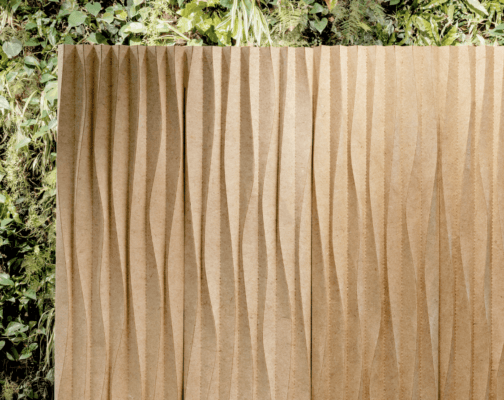
- PladecPladec designs and manufactures high-end architectural and decorative MDF panels for wall coverings and furniture applications. The unique MDF carved and acoustic panels contains architectural elements such as waves, ornamental textures, modular repeating and continuous patterns. The available surface materials are wood, veneer, metal, cork, cubes of jute and CNC cut screens.
- Zwartz Non-wovenThese non-woven fabrics are specially made for decorative use like florists, packaging, handycraft, etc. The collection includes materials ranging from jute fabrics to glitter fleece for numerous applications. The collection includes Sizotwist and Sizoflor, both waterproof and highly tear resistant. It is available in standard, glitter, deluxe and printed versions.
- Walton Uni & Walton CirrusForbo linoleum – Marmoleum – is made from 97% natural raw materials, such as linseed oil, wood flour, and jute. The Walton collection is Cradle to Cradle certified. Walton Uni is a collection of single, solid tones. The Walton Cirrus colours have a slight marbling effect. All colours are created using ecologically responsible pigments.
- Hemp ShagThe hemp is a natural fibre similar to flax and jute. The Hemp Shag is a hand woven produced carpet and its available in different colours.
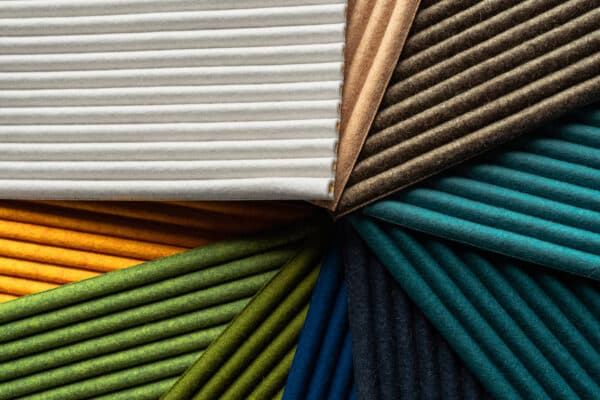
- BUXKIN original acoustic panelsBUXKIN original products are available in a range of sustainably sourced materials, including recycled leather, recycled felt, and wool. The materials are ribbed and attached to a jute backing.
- Rezign Circular MaterialsRezign® Veneer is a composite material based on recycled textile or natural fibres in combination with a natural binder. The material Rezign® Veneer uses clothing waste from your customer's own post-consumer, fast fashion or company clothing. The material finds application as a veneer in custom interiors such as kitchens, pantries, cupboards, counters and displays.
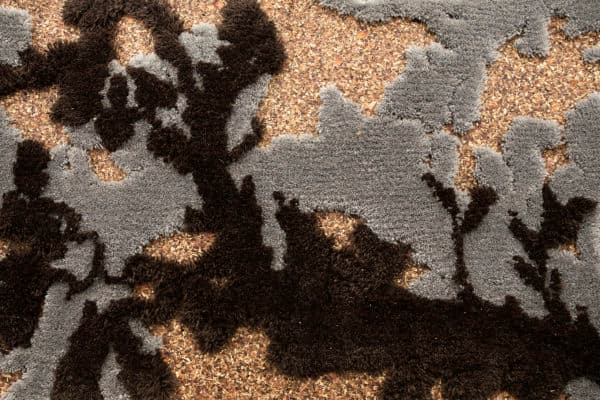
- Scented carpetThese tapestries are made by combining 100% natural wool with scented backing made from Organoid materials. Using a hand tufting gun, structured woolen surfaces are attached to the backing, a natural composite material including wood chips, vanilla, rose and a natural binder. The resulting damp and flexible material mixture is then covered with a vacuum film and hermetically sealed.
- Bcomp TextileThe most viable structural fibres used in these architectural textiles typically derive from specifically grown textile plants and fruit trees. Natural fibres are subdivided into bast fibres (flax, hemp and kenaf) and leaf fibres (sisal, pineapples and henequen), grass fibres (miscanthus), straw fibres (corn and wheat), seed fibres (cotton and capok), wood fibres (pinewood) and fruit fibres (coconut).
- Recycled & biobased felti-did transforms discarded textiles into high-quality felt for interior and product design. At MaterialDistrict Utrecht, the company presented two new recycled biobased felts: a…