Search
36 results for “linen” in materials
- Local linenThe Linen Project is a research-driven initiative focused on re-establishing linen as a locally produced material in the Netherlands. Since 2018, the project has investigated the contemporary potential of flax (Linum usitatissimum) as a bast fibre, exploring how small-scale cultivation can be integrated into a modern, regionally embedded linen production chain.
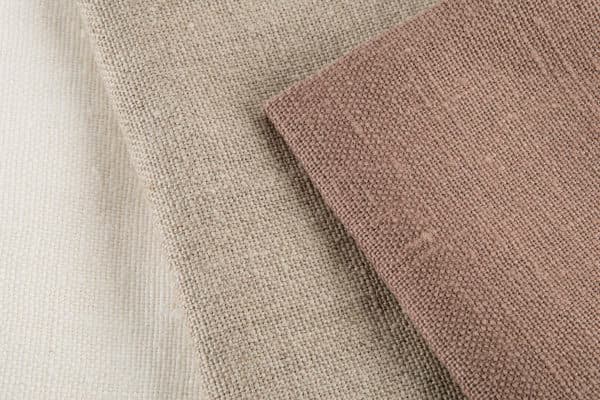
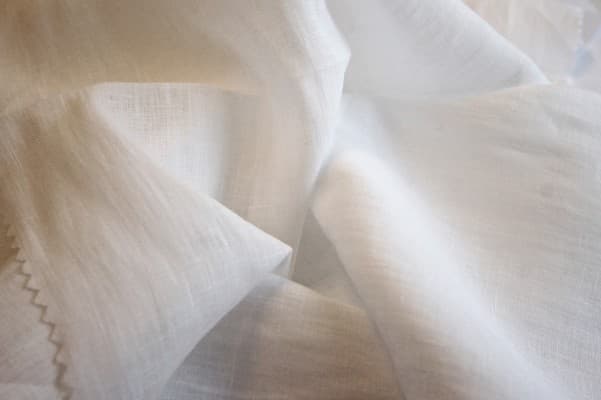
- Belgian LinenThanks to its unique properties, flax may be woven into a very wide range of fabrics. From very fine batiste to heavy canvas, Belgian Linen is used in apparel and household linen, drapery and upholstery fabric, technical canvas and wallcoverings. More than ever Belgian Linen is recognised as 'the natural fabric', a champion in sustainable development.
- Linen textileWith 31 Dornier looms Deltracon weaves high quality linen curtain, sheer and upholstery fabrics. Design and technical teams continuously strive to discover and develop new techniques, e.g. stylish dye techniques (tie dye, dip dye, spray dye, inkjet), the applying of various coatings, shrink effects etc.
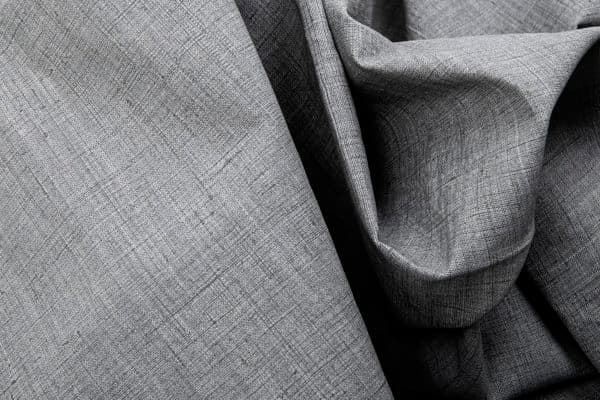
- Coated linen slubThis 100% linen slub fabric is coated with polyurethane dry touch resin.
- Organic linenOrganic linen is made from flax, a natural raw material. Flax is a recyclable fibre that does not need irrigation and almost no chemical treatment. All part of the plant are used, ensuring no waste. All fabrics in the Libeco Organic collection carry the GOTS label, a standard that is recognised worldwide for organic fibre certification.
- PlatinumPlatinum linen is 100 % linen and the raw material is coming from Normandy. To create a ultra fine linen fabric, extra fine yarns are used, certified by the trademark Masters of linen.
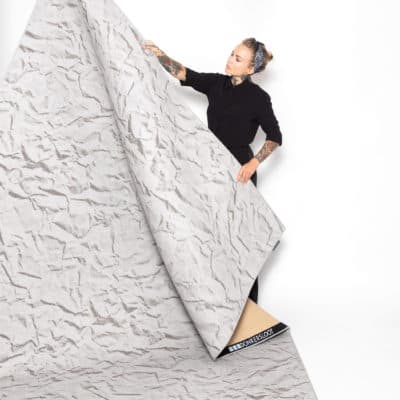
- Canvas – Biobased RugDonkersloot Biobased is a natural product that behaves organically. The natural flax fibre in the linen gives the carpet durability, longevity, sustainability and a pearly shine as time passes. In all its elegance, it contributes to a comfortable indoor air quality through the linen fibres, which can regulate humidity and are ideally suited for under-floor heating.
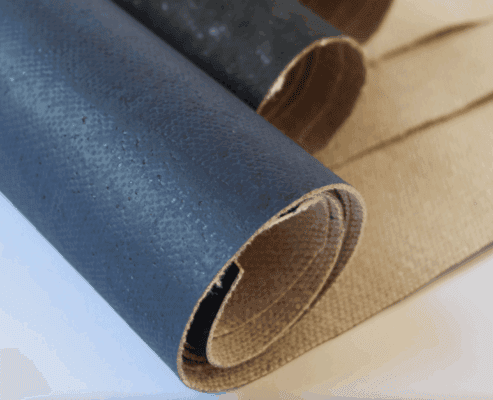
- CORKonLINENCORKonLINEN is a fully plant-based, vegan material, designed as a sustainable alternative to leather, free from plastics, PVC, and PU. Made from cork and linen, it combines durability, flexibility, and eco-conscious innovation. The material is 100% made in Europe.
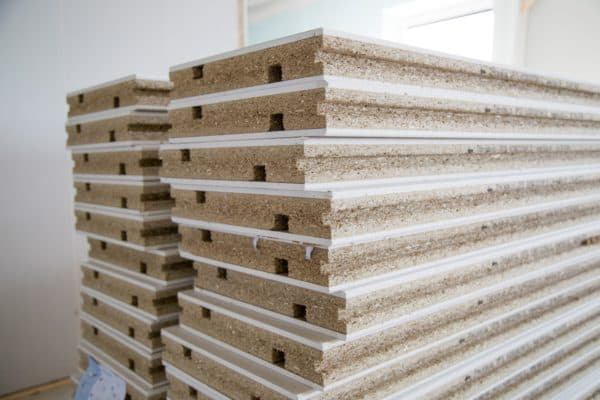
- Flax wall coreThese solid flax panels are used in the construction industry for the interiors of buildings, for example, in doors, kitchen worktops and partition walls. Flax is light-weight and fire-retardant. It has a tough structure and does not burn, but smoulders instead. It also has high insulation and dB values.
- FlaxcompositesThese lightweight composites are made of flax and biobased resin. It is partly biobased polyester and full biobased PLA (Polylactic Acid). Flaxcomposites blends PLA natural resin with natural linen (flax) yarns to obtain a meltable flexible thick sheet that can be moulded into various shapes. You simply need a source of heat to put in shape the textile (few minutes with a powerful hair dryer!).
- Wood Fibre TextilesTextiles made of wood include Tencel, Viscose, Lenzing FR and Lenzing Modal. Tencel is more absorbent than cotton, softer than silk and cooler than linen. Viscose is naturally botanic, absorbs moisture well and is pleasant on the skin. Lenzing FR offers protection from different kinds of heat: fire, radiant heat, electric arcs, molten metals and flash fires. Lenzing Modal is extracted from beech wood.
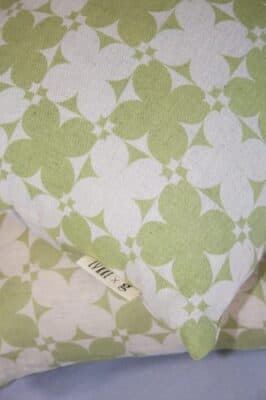
- Indigo & Buckthorn Bio-InkThis textile features a sap green biobased ink formulated from two botanical pigment sources and applied through screen printing on linen fabric. It demonstrates the potential of plant-derived colorants as sustainable alternatives to synthetic textile inks. The ink combines pigment extracted from Japanese Indigo leaves (Persicaria tinctoria) and Buckthorn seeds (Rhamnus petiolaris).
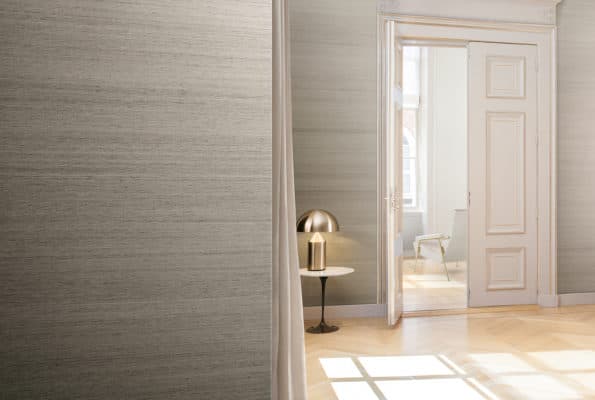
- TEXTILE WALLCOVERINGVescom’s textile wallcovering collections are rich and diverse in both colour and structure. Alongside linen, their offering includes other bio-based materials such as silk,…
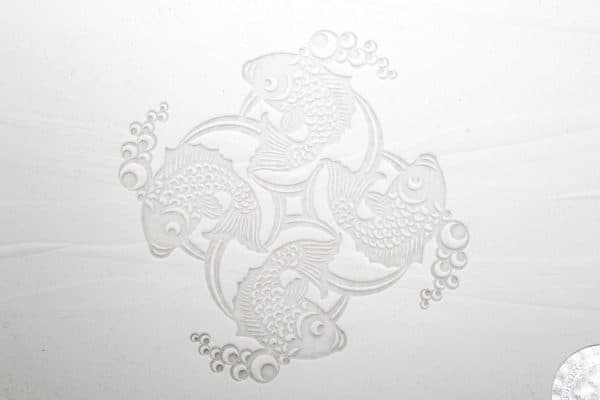
- Collagen Peptide FabricUMORFIL Beauty Fiber is a new generation of bionic fiber; it is composed by collagen peptide amino acid from recycled fish scale and viscose fibre, which is 100% biodegradable. It has the features such as silk-like sheen, cashmere-like lubricating and linen-like moisture control.
- Felt textilesThe wool for Claudy Jongstra’s felt textiles comes from her own flock of rare native sheep. She has succeeded in developing an industrial technique for the felting process. Her textiles are unique and highly varied. The raw materials may include wool, linen, cashmere, camelhair and silk.
- Jersey riga fuxia + lurexThese Jersey fabrics have been elasticised on circular machines with or without elastic on tubular machines. Composition in cotton, viscose, polyester, polyamide nylon, acrylic, linen and wool blends.
- Lana Lumière, Fil & RubanThis collection consists of various types of paper. Lana Lumière's composition makes the paper transparent once in contact with a source of heat such as hot foil stamping. Lana Fil is enhanced with yarn inclusions forming an actual seam under the fibrous network. Lana Ruban has lace of ribbon embedded inside the paper.
- Natural textile dyeNatural textile dye uses dyestuff extracted from plants and animals like trees, flowers, etc. The dyes are won from exclusively natural non-edible materials like stems, skins and roots of plants. The plants include Natural Indigo, Gallnuts, Madder Root, Lac, Pomegranates, Himalayan Rhubarb, Myrobalan and Catechu. Not all fabrics are suitable for natural dyeing.
- Hévé textileHévé textiles collection (formerly called Tchouc) is the result of La Gadoue’s research on latex coating on natural canvas. This hand-made composite material is a vegetal alternative to leather. The idea is to produce a functional and versatile textile for interior design. La Gadoue decided to use the natural textiles linen and jute as base canvas. For the coating, La Gadoue uses natural rubber, which comes from the sap of the rubber tree.
- OscuroThe material consists of approx. 93.5% paper and approx. 6.5% hemp or linen. The surface is treated with natural wax.
- Cork rugsThese contemporary and functional design cork rugs are made of a combination of cork and natural fibres such as (recycled) cotton, linen, and wool. The rugs come in a variety of colours and with various patterns. The sizes can be custom ordered, with a max width of 200 cm. The trimming of the rugs can be sewed or with fringes.
- KilkennyKilkenny is a 100% natural fireproof fabric created with fibers of vegetable origin including linen, cotton and viscose. Particularly well suited for soft furnishing, this material is rendered completely fireproof through an innovative patented technology without the use chemical additives, formaldehyde, chlorine nor bromine; its performance is only the result of a molecular modification of cellulose.
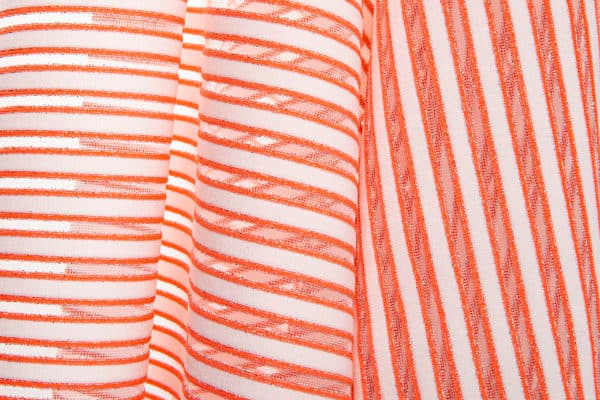
- DexterDexter is a textile consisting of embroidered vertical stripes on a surface in a contrasting colour. It is available in combinations of white, grey and black. Intended primarily for use as a curtain and it is made of 75% CV (viscose) and 25% linen. This material is available in a width of 140 cm and with a Repeat width of 12 cm and a Report Length of 12 cm.
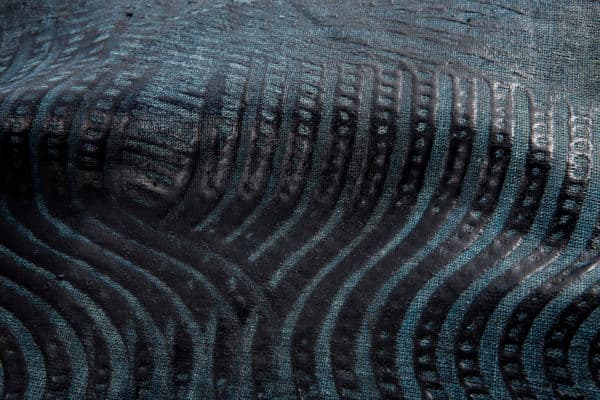
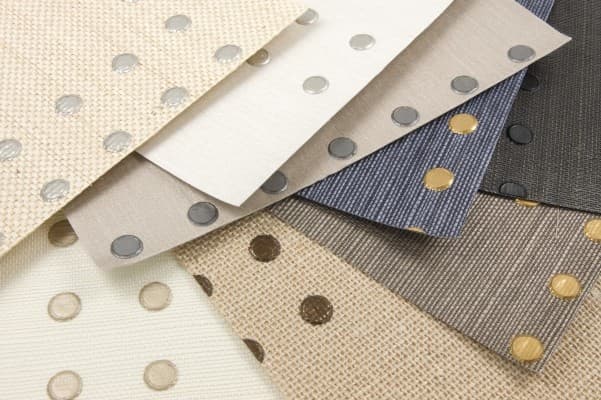
- RivetsThe Rivets collection is made using fabrics, such as simple woven Manila Hemp, Raffia, and Linen. These fabrics are paper-backed and then screen printed with a pearlized latex ink, by hand. The raised relief pattern has the look and feel of nail heads.