Search
21 results for “salt” in materials
- Himalayan SaltBuilding with salt? Himalayan salt is rock salt or halite from a mine in the Punjab region of Pakistan, a primordial sea. The blocks and tiles are used for saunas but it can be a beautiful translucent wall in every interior. Sauna salt is great for the respiratory system, blood pressure, balancing blood sugar and pH acid levels. It is available in blocks and tiles, and glued with a special glue.
- Himalayan Salt BlockHimalayan salt bricks have healing properties and offer a number of beneficial properties to modern living environments. Semi-translucent, the bricks glow a dark peach/pink to orange/burnt colour when lit from behind. Without light from behind, the bricks are a light peach/pink to dark peach/pink.
- Aluminium foam with saltThis aluminium foam is made by adding salt or other materials in the casting process. The salt is removed once the aluminium has hardened, turning the material porous. Depending on the size of the salt grains, the porosity can be varied. All openings are connected, which makes the material suitable to use in filter systems. The aluminium is lightweight, shock- and temperature-resistant.
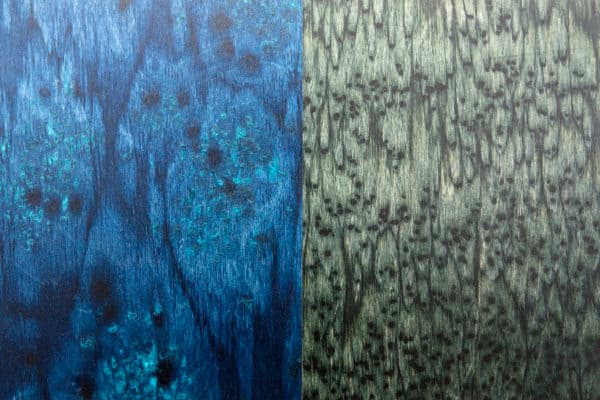
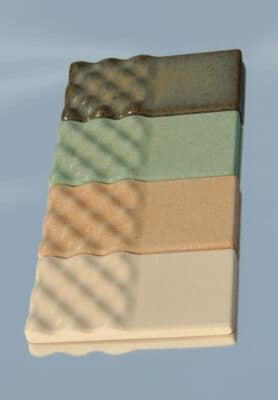
- Osis techniqueLLot LLov transferred the effects of osmosis caused by salt onto wood. First the surface is glazed monochrome or multi-colour, then it is sprinkled with salt. The results are affected by the kind of salt used, humidity and length of reaction time. Big crystals tend to create big rims with strong contrasts, whereas fine crumbs of salt trigger more differentiated patterns with softer gradients.
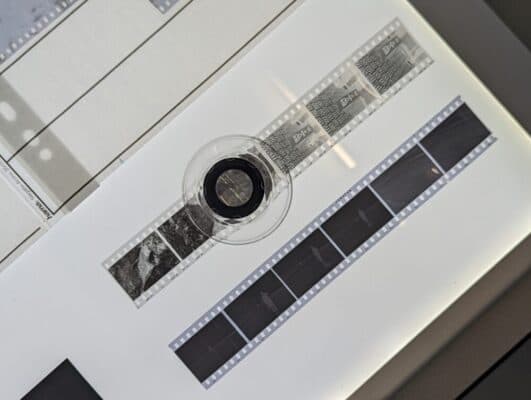
- Phenol Sodium Ascorbate DeveloperThe photographic method comprises three chemical processes - development, stop, fixing - which utilise harmful substances to this day. This project investigates the toxic nature of analogue photographic processes and the sustainable alternatives that are available.
- ResystaSalt water, sun and wind are no problem for this material that can be used in the form of decks for ships, superstructures or landing stages. This fibre reinforced hybrid material is produced with approximately 60% rice husks, 22% common salt and 18% mineral oil, which makes it both environmentally friendly as well as extremely weather resistant.
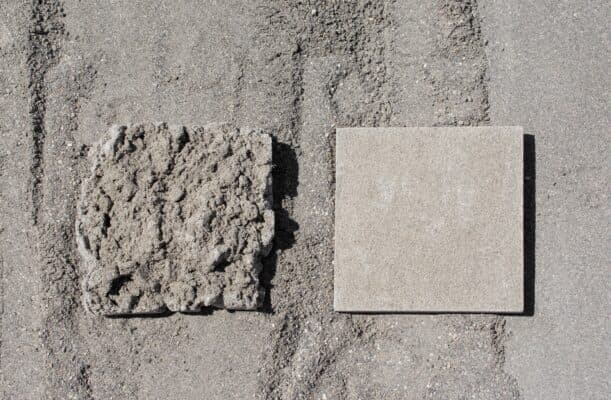
- Ocean ArticulatedOcean Articulated is a recyclable and load-bearing material with locally extracted salt, sand and plant based natural binder. It is water dissoluble and sensitive to the humidity over 80%. Considering the environmental impact of sand extraction and the associated transportation costs, the question arose whether there is a way to use sand as a reusable material and communicate this aesthetically in a form appropriate to the material.
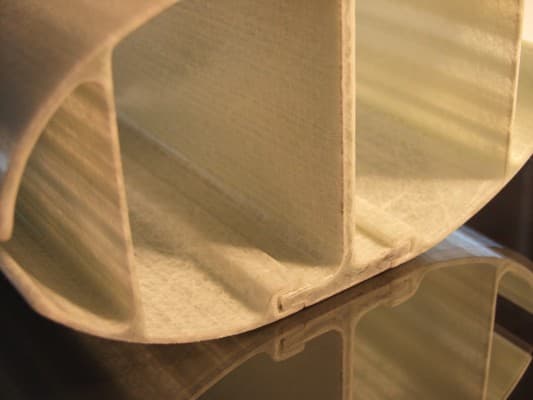
- GRP ProfilesStructures in fibreglass-reinforced are not affected by rain, salt or frost, requiring only cosmetic maintenance. Maintenance costs are therefore lower than costs for similar structures in traditional materials such as concrete, steel and wood.
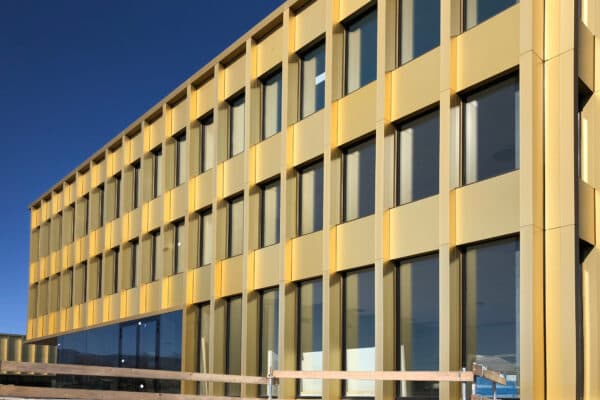
- Sandalor Gold S120Sandalor Gold S120 represents a premium range of gold hues, developed through a meticulous three-step colouring process at Alucol using pure metal salts. This technique results in a sophisticated colour palette with a warm, deep lustre and exceptional vibrancy. The strategic use of varied gold tones helps to mask any slight colour variations that may arise due to process tolerances or differences in base material.
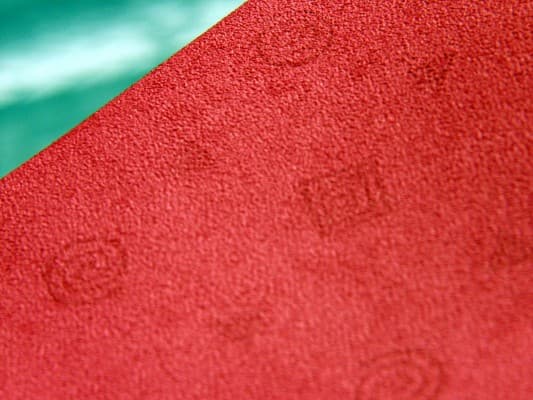
- Microfibre VinylATN of Germany developed a material which looks similar to micro fibre textile, like leather, but is easier to clean than the original textile. This material has a high durability, is waterproof, tear resistant and also resistant to sweat, urine, saliva and salt-water.
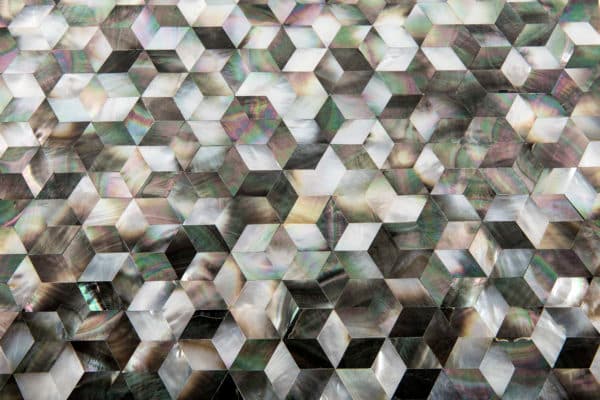
- Mother of pearl mosaic tilesThese mother of pearl tiles consist of a boar with pre-mounted mother of pearl mosaics, designed to not require grouting. Mounted on a fire proof fibre, magnesium or honeycomb board, the tiles and panels offer a convenient and exclusive surface finish. Utilising both fresh water and salt water pearl, the mosaics are available in a series of various colours, styles and patterns.
- Solid Wood Decorative ElementsThese decorative elements made from wood have proven themselves in nautical applications and are resistant to salt water and UV. The combination with different raw materials (wood, stone and synthetic) is possible. Using laser technology in production enables the manufacturer to undertake filigree work right down to the tiniest detail. Application is for indoors and outdoors.
- Basalt Woven TextileTextile made of natural stone? Yes, it is possible! The basalt is melted at a temperature of 1,400 °C. The molten rock is then extruded into filaments of basalt fibers. The tensile strength is more than twice the tensile strength of steel. Basalt Woven Textile has high corrosive and chemical resistance to the influence of a corrosive media: salt solutions, acid solutions and alkali liquids.
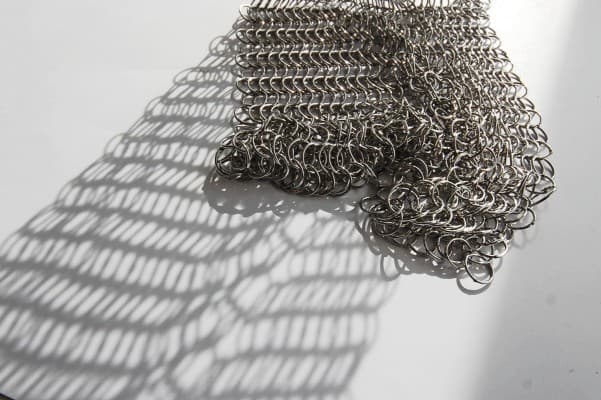
- RingmeshRingmesh is a flexible steel mesh existing out of welded rings that are attached to 4 other rings. It is resistant to acids, salt water and UV radiation.
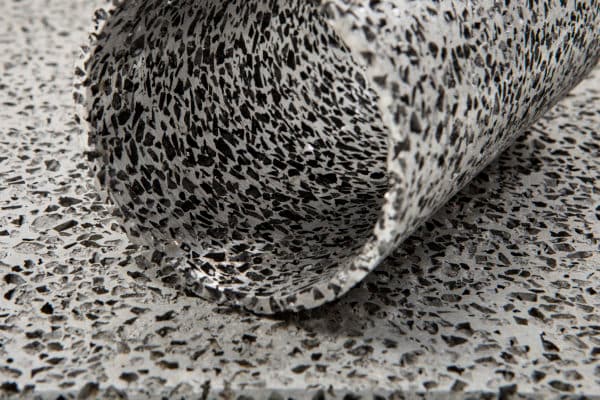
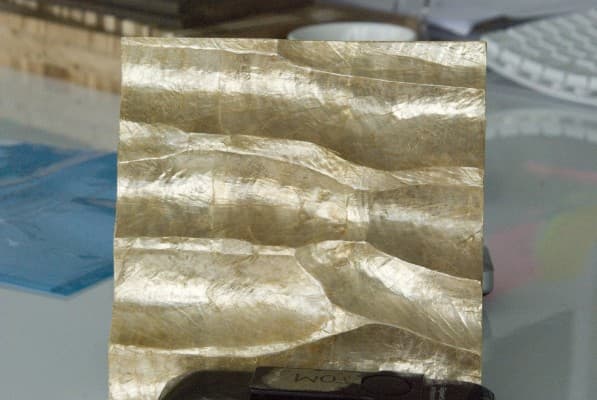
- TerrazhelTerrazhel is a 3-Dimensional surface material made of natural shells and PVC. The material is light, durable, insect repellant and resists weathering. The PVC used is made from a combination of natural gas & salt. Available in twenty designs and applicable for furniture, cabinetry and other interior applications.
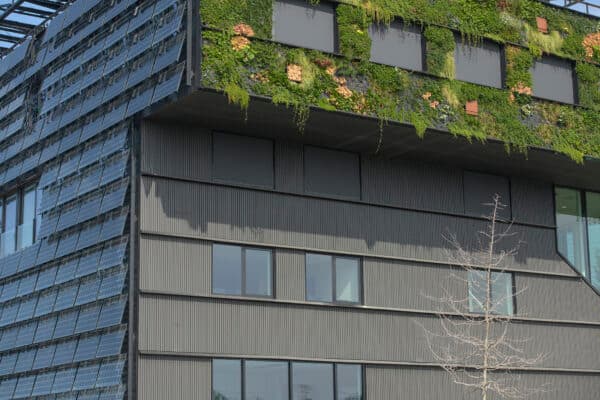
- NeolifeThe Neolife facade systems are made from VESTA®, a circular, biobased material. Neolife combines a very high content of wood fibres, natural mineral salts and pigments, with lignin as a natural thermal binder. The products are fully upcyclable: after use, they are 100% reused as raw material for new Neolife facade or decking panels.
- Ekovilla Cellulose Insulation SlabEkovilla Cellulose Insulation Slab is an eco-friendly insulation solution designed for walls, roofs, and floors. Crafted from pure cellulose fibers sourced from recycled newspapers, this insulation panel brings sustainability and performance together. Bound together with bonding fibers and treated with flame-retardant salts, it delivers strong fire resistance while maintaining its natural benefits.
- Atelier Barb Bio SeriesThe Atelier Barb Bio Series comprises a range of products and materials crafted from organic waste and natural binders. These mediums include eggshell waste, non-edible parts of the artichoke plant, rock salt, plant-based dyes, algae, and starch-based binders. The resulting material is both sturdy and durable, making it ideal for creating functional art objects, tableware, wall tiles, furniture, and other surfaces designed for longevity and eventual decomposition.
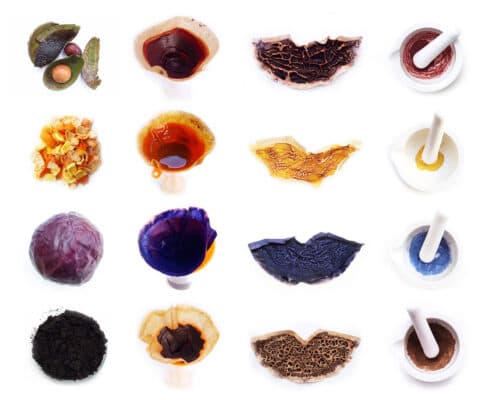
- Food Waste PigmentWith her graduation project, The Colour of Waste, Sara van Laerhoven wanted to go back to basics and show how special and beautiful colour can be and that it can be natural. By using material research, she found a way to make a natural alternative to synthetic inks to use in graphic workshops. This alternative is made from food waste. In this case from coffee grounds, avocado seeds, red cabbages and orange peels.
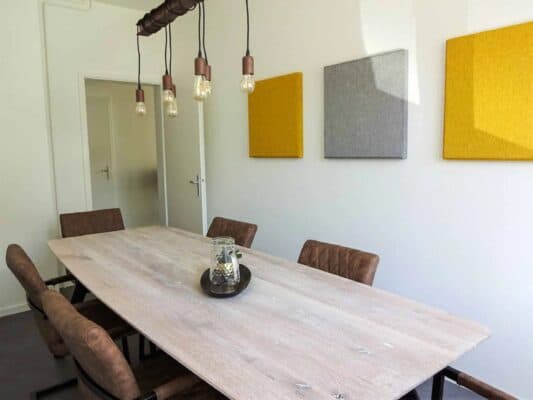
- SilentFiber Hemp acoustic panelNatural acoustic material based on hemp straw that improve the room acoustics by absorbing a large part of the sound energy. For the production of the hemp panel, the entire hemp straw can be used. In this so called nonwoven production process, the hemp straw is mixed up with binding fibres and the fire retardant salt. The nonwoven is heated, pressed and cooled afterwards. The finished panels are cut and painted with a sustainable, mineral wall paint.
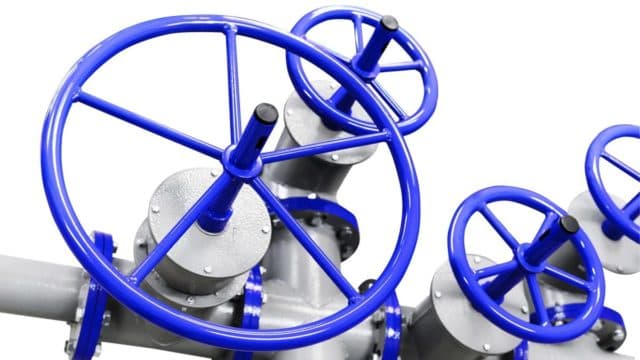
- Powder coatings Abcite® & Plascoat®Thermoplastic Powder coatings Abcite® and Plascoat®. A proven reliable coating solution for the most demanding environments. Coatings for parts and components used in demanding…