Search
82 results for “textiles” in materials
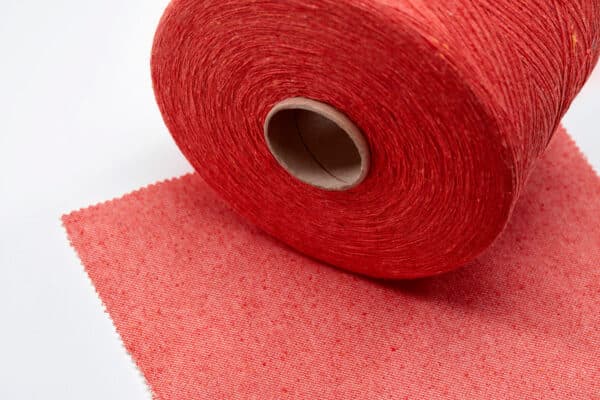
- Wolkat post-consumer textile-to-textile recycled fabricsWolkat’s recycled textile fabrics are circular materials produced from post-consumer textile waste. Discarded garments and textiles are transformed into new fabrics with a reduced environmental footprint. The fabrics are manufactured through a mechanical textile-to-textile recycling process that operates without dyes or chemical treatments.
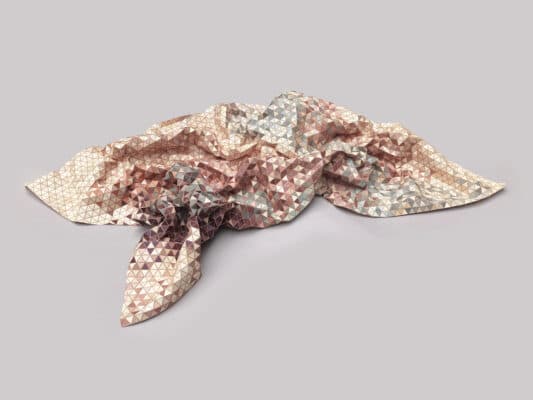
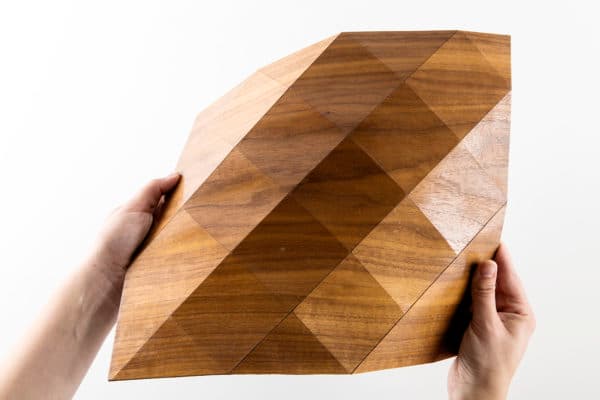
- Wooden TextilesThe flexible hybrid material “Wooden Textile” has been developed by Elisa Strozyk in 2009 using an innovative technique to merge wood and textile. Each wooden triangle is placed by hand on the textile base material to create floating solid patterns. The processes to transform wood into a flexible wooden surface is its deconstruction into pieces, which are then attached to a textile base.
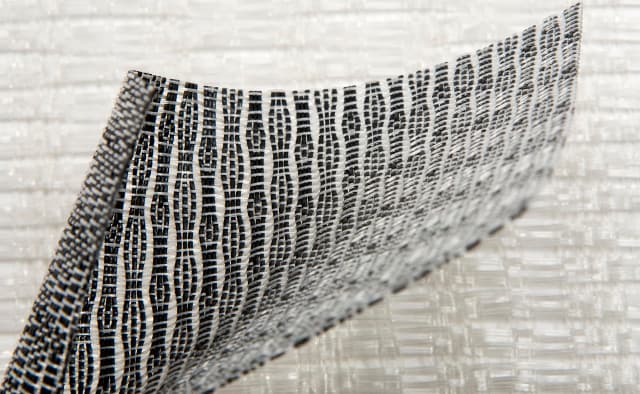
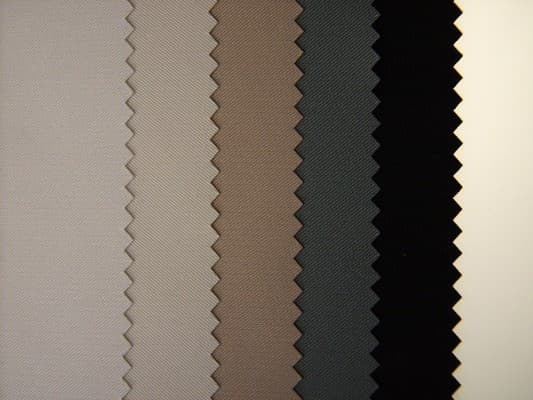
- Kova TextilesKova Textiles create uniquely textured solar window fabrics with vinyl coated polyester yarns and KovaLux proprietary filaments. When light passes through a Kova fabric, it dissolves into a diaphanous surface - sheer, yet not transparent - translucent, but not opaque. These textiles work well as wall hangings, room dividers or in any application where light, either natural or artificial, can pass through the fabric.
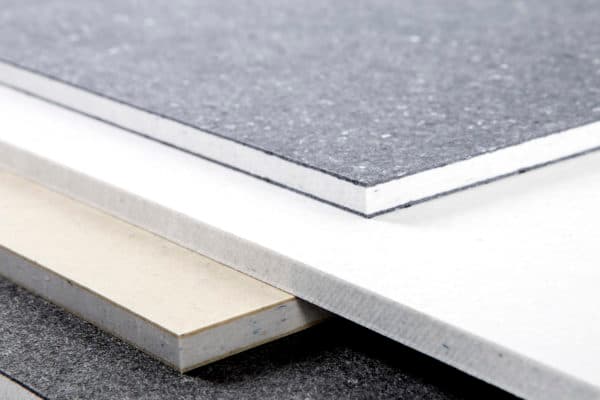
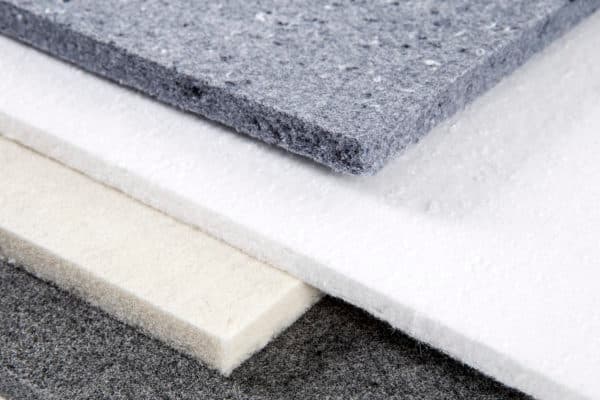
- Solid textile boardSolid Textile Board is a high-density material made from end-of-life textiles and cut offs from Kvadrat. Considering current textile waste streams, the board is made up of cotton and wool as these textiles are typically downgraded in existing recycling processes. The board can be an alternative to a variety of existing materials depending on the application.
- Wood textileThese wood textiles consist of a combination of wood veneer and textile. Thanks to the geometric surface finishing of the wood, it becomes flexible, more or less so depending on the size of the shapes. Various combinations of wood and textile combine the hard panel formation of wood with the pliability and folding of textiles.
- Paper Textiles 1The essence of all fabrics by Marian de Graaff is the use of natural materials with natural tones and irregular textures, based on the landscapes of Scandinavia. The textiles are woven from paper yarn with a cotton backing.
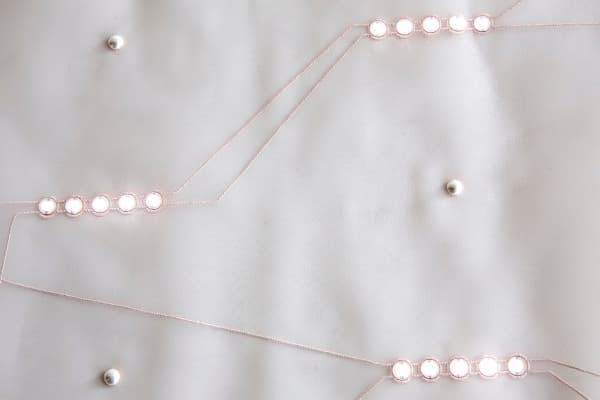
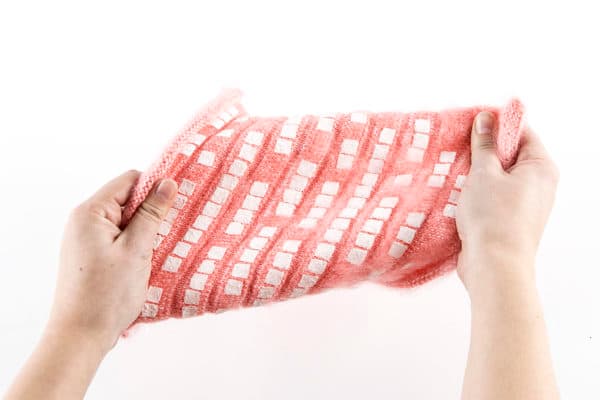
- Illuminated TextilesE-broidery is a new dimension in the design of textile surfaces by active lighting. The e-broidery technology allows the integration of active lighting into fabrics without compromising the textile properties such as washability and drapability. The textile interconnection, LED fabrication and integration were custom developed.
- Acoustic textile feltAcoustic Textile Felt is as sound absorbing as it is decorative. The felt material is made from end-of-life textiles and cut offs, with a soft feel and a reference to the tactility of textile. The material is made from wool or cotton, consisting of 70% textile, 30% thermoplastic binder, and can replace acoustic materials. The input material have been selected with meticulous consideration of current resource streams.
- Textiles by Mae EngelgeerReintroducing often forgotten weaving techniques, textile designer Mae Engelgeers’ aesthetic is fresh, light and versatile. This MOD collection is a minimalistic and modern textile collection with graphic patterns, line play and subtle gradients. The collection is made out of a mixture of mohair, merino wool and cotton.
- Woven light textilesWoven light is collection of colour changing and light emitting textiles.
- Textile ConstructionsMovable textile constructions of Babs van den Thillart are three-dimensional interior textiles used for wall separations and acoustics. The complex constructions are made directly on jacquard weaving machines, in one piece. The two layered textile is connected which makes it perfect for acoustics in interiors.
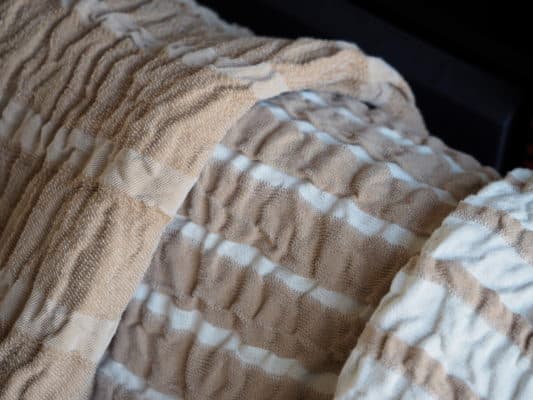
- Surface Synergy textileSurface Synergy is an woven project by textile designer Johanna Samuelsson. Shrinking is used to transform the flat textile surface into a texturised one. There is an interwoven ability for shrinking; this action of transformation is planned at the same time as the rest of the weave. Technique: Digital jacquard weaving Material: Elastane, lurex, cotton, polyester.
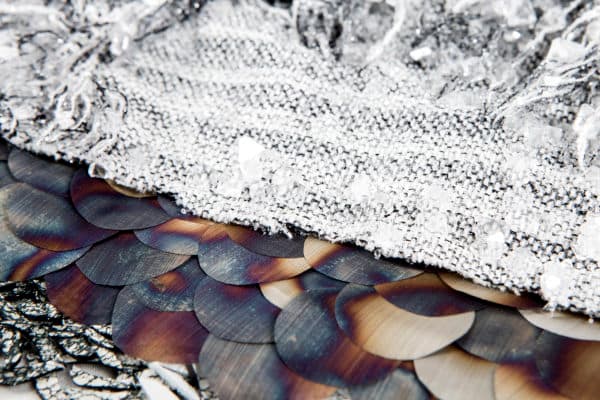
- Velero TextileVelero Textile by Jef Montes was inspired by the construction of sailboats and the materials from which they are constructed including glass fiber, carbon, aramid, brass, nylon, wool silk, viscose and cotton. The silhouettes draw from the contours of ships in a storm: angular and organic inspired by the battle between machine and nature.
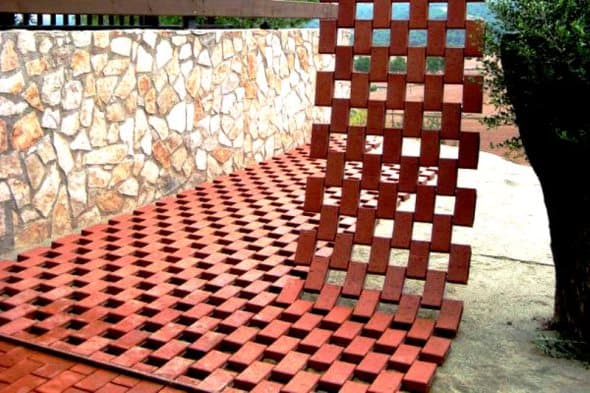
- Ceramic TextileCeramic textile is an innovative industrialized system based on an interwoven steel wire mesh, which is enclosed in a mosaic of ceramic clay tiles stacked in horizontal and vertical bands. Its main advantage is that it provides us with an ancient material in a new format that improves on traditional manual piece-by-piece installation.
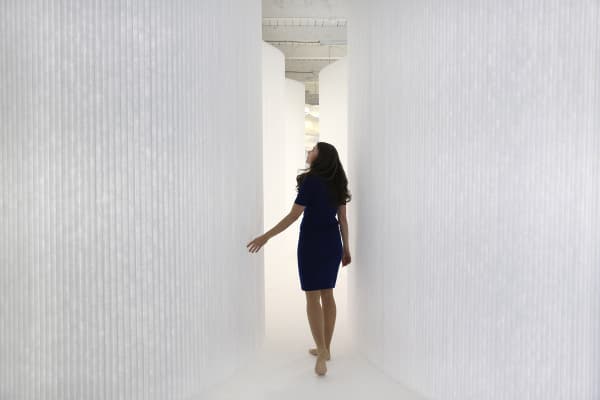
- TEXTILE SOFTWALL + SOFTBLOCKA 100% polyethylene non-woven textile material with a lightweight paper-like look and feel. A modular space shaping system utilizing flexible honeycomb structures that expand contract and flex, forming sculptural spaces and seating spaces.
- Markspelle textilesThe design philosophy of Markspelle combines simplicity, playfulness and colour into innovative textile designs. The functional features of textiles are just as important as their esthetical value, featuring fire resistance, wash-ability and durability.
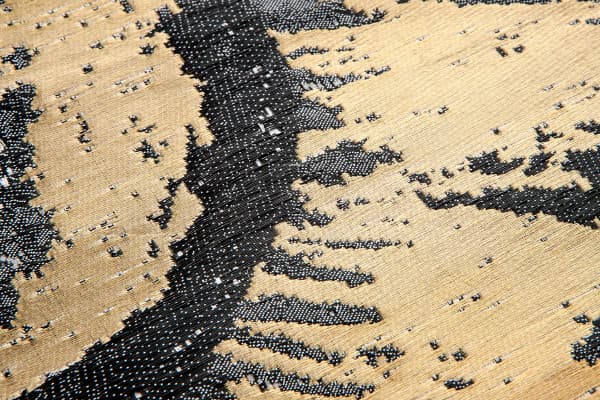
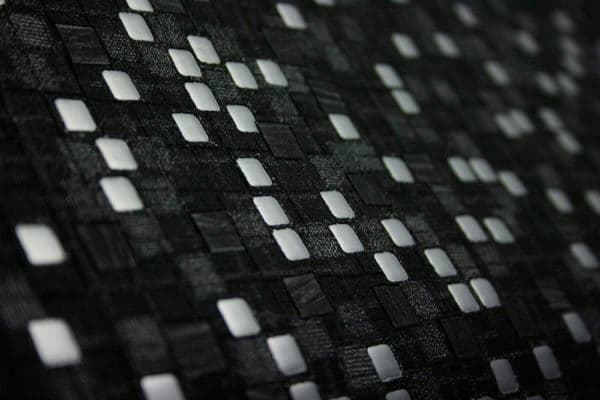
- Changeable Reflective TextilesThe "Changeable Reflective Textiles" project explores innovative woven fabrics that reveal hidden patterns through shifting light and movement. Designed with alternating layers of reflective and non-reflective yarns, the material reacts to different viewing angles, making certain elements disappear or emerge.
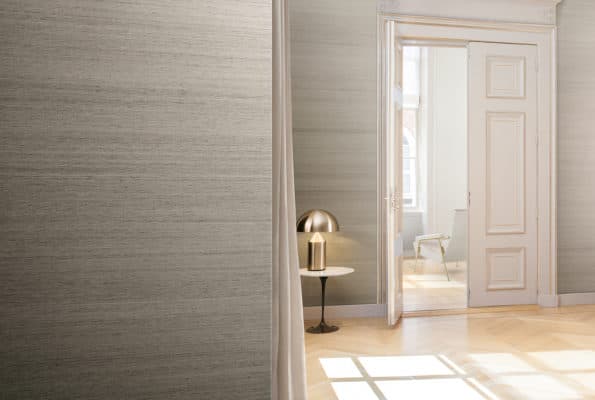
- TEXTILE WALLCOVERINGVescom’s textile wallcovering collections are rich and diverse in both colour and structure. Alongside linen, their offering includes other bio-based materials such as silk,…
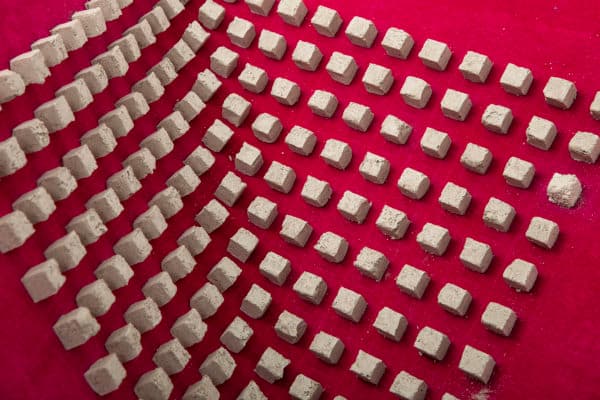
- Adamant TextileThe project Adamant Textile combines textile with concrete. Designer Ronja Schweiber attaches cubes, bars, and other shapes of concrete in a regular pattern to fabrics. Because of the distance between the concrete, the textile remains flexible.
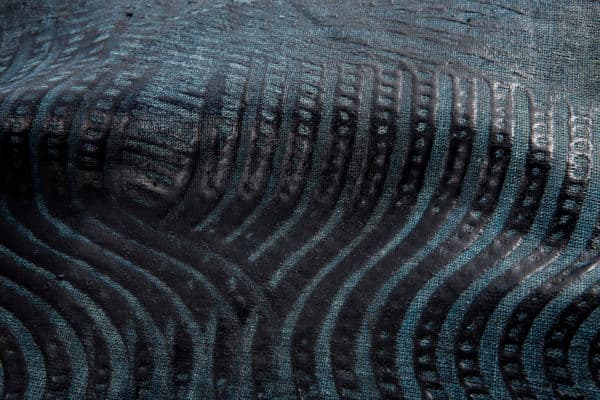
- Hévé textileHévé textiles collection (formerly called Tchouc) is the result of La Gadoue’s research on latex coating on natural canvas. This hand-made composite material is a vegetal alternative to leather. The idea is to produce a functional and versatile textile for interior design. La Gadoue decided to use the natural textiles linen and jute as base canvas. For the coating, La Gadoue uses natural rubber, which comes from the sap of the rubber tree.
- Experimental textile designMUUNA is an experimental ‘materials’ studio that aims to push the boundaries of textile design beyond the traditional.The studio also produces seasonal collections of directional swatch designs for industry. MUUNA presents visionary textile concepts with a specialised focus on woven and embroidery techniques.
- Tactile textilesIn collaboration with textile designer Lucy Simpson, Paula Nerlich developed these tactile textiles. The material consists of knitted fabric with silicone combined with melted fibres and paint applied in various patterns, creating a textured surface.
- Flocked with textileFlocked with textile is a development in wall coverings to enhance and customize the material with flocking, embossed designs, prints, inclusion of textiles, glass, crystals, et cetera. The material is fire-proof, lightfast, washable and has an absence of many harmful substances.
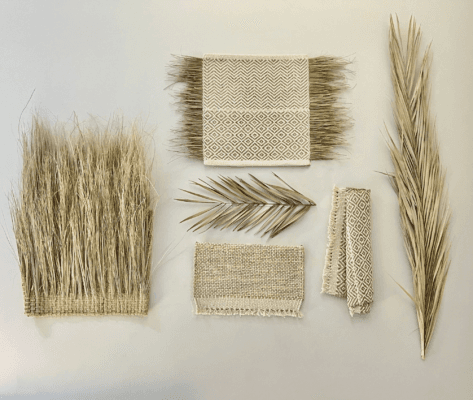
- Wall Date – Textile from Date Palm Leaf WasteWall Date is a textile project that transforms agricultural waste from date palm cultivation into a biodegradable and compostable material. The textile combines processed date palm leaves with post-industrial surplus yarn. The woven body features graduated pink tones, while untreated palm leaves form the fringes, preserving their natural texture.