Search
48 results for “biocomposite”
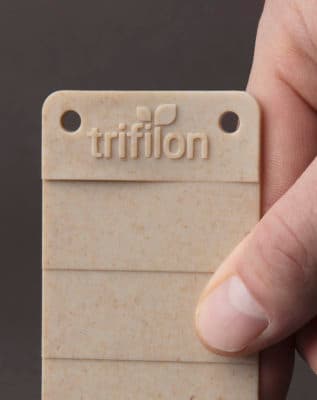
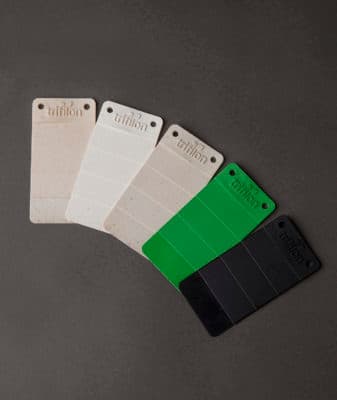
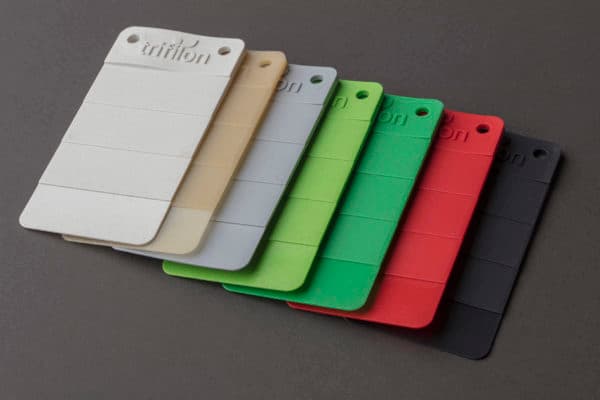
- Trifilon RTrifilon R is a recycled biocomposite that combines high-grade recycled polypropylene with natural fibres such as hemp and wood-derived cellulose. Developed by Swedish material company Trifilon, the material is designed to reduce the use of virgin fossil resources while retaining the processing and mechanical characteristics required for demanding injection-moulded products.
- Trifilon STrifilon S is a renewable thermoplastic biocomposite developed by Swedish material company Trifilon. Combining bio-based polyesters with natural fibres, the material is designed as a lower-impact alternative to conventional fossil-based plastics for injection-moulded products. Depending on the grade, Trifilon S can be up to 90% fossil-free.
- Trifilon BTrifilon B is a biocomposite material combining food-safe polypropylene (PP) with up to 35% natural fibres. Developed by Swedish material company Trifilon, it is designed as a lower-impact alternative to conventional polypropylene for injection-moulded products, including applications involving food contact and products for children.
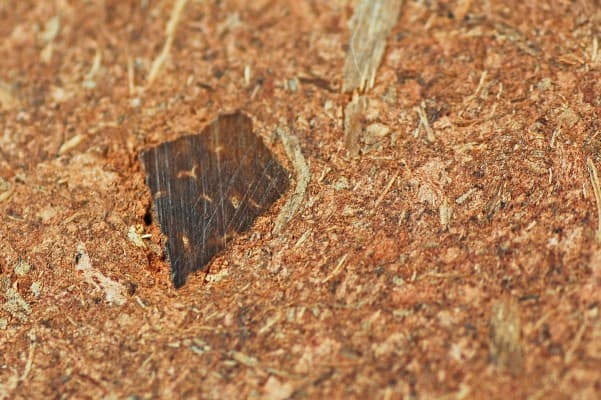
- Noah: the world’s first circular carEach year for the past five years, students from Eindhoven University of Technology in the Netherlands create a car with sustainability in mind. Last…
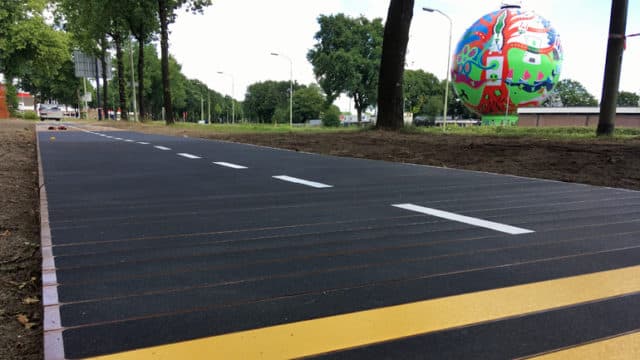
- World’s first wooden bicycle path opens today in the NetherlandsThe Dutch love to cycle, and thus there are bicycle paths, paved and unpaved, everywhere. Commonly, the paved ones are made of asphalt or…
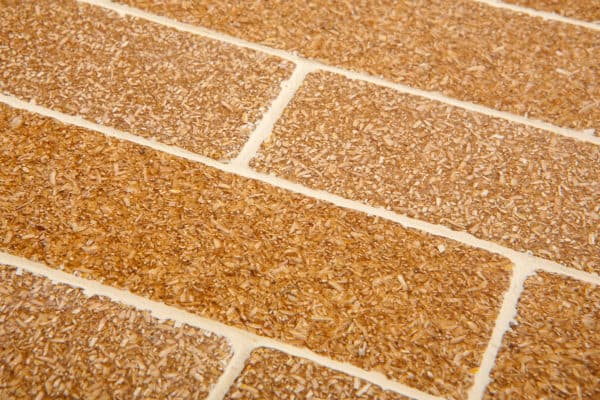
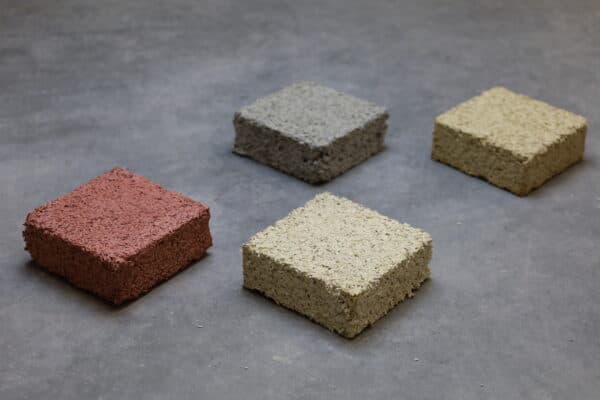
- HuskHusk collection features bio-composite material created from the discarded outermost layer of rice grains. The brand’s second major eco-initiative, Husk mosaics and solid surfaces, incorporate nearly one-fourth recycled agricultural waste. The collection is offered in four organic tones.
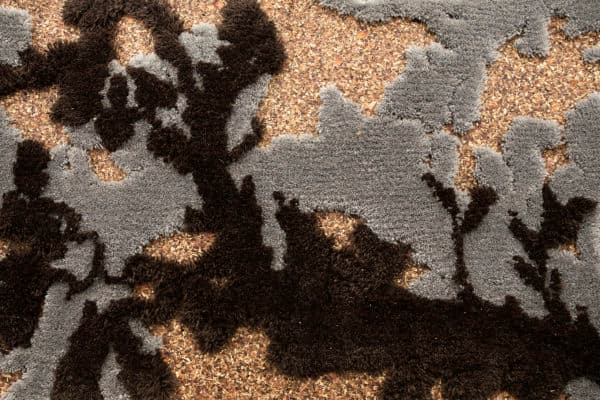
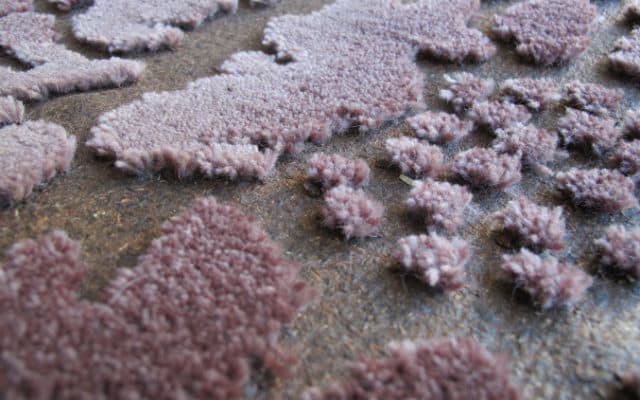
- Scented carpetThese tapestries are made by combining 100% natural wool with scented backing made from Organoid materials. Using a hand tufting gun, structured woolen surfaces are attached to the backing, a natural composite material including wood chips, vanilla, rose and a natural binder. The resulting damp and flexible material mixture is then covered with a vacuum film and hermetically sealed.
- Naturally Scented TapestryThese tapestries from Modieus are made by combining 100% natural wool with innovatively scented backing made from Organoid materials including vanilla and rose, which…
- SizopregSizopreg is a bio-composite made of high-quality poly lactic acid (PLA) and jute. These decorative panels are dimensionally stable in typical conditions, but also retain excellent ductility in the higher temperature ranges. Sizopreg has a workable temperature range from -30 to 80 degrees C. It is also thermally deformable and biodegradable.
- Myco BoardMyco Board is an alternative to engineered wood containing formaldehyde and other structural materials. With Myco Board, Ecovative grows - not glues - materials with natural, rapidly renewable mycelium technology, delivering structural biocomposites that perform without harsh chemical resins. This material is then compressed with heat and pressure into boards or molded shapes.
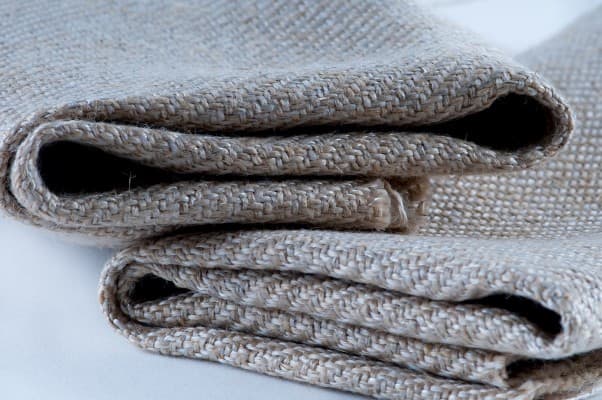
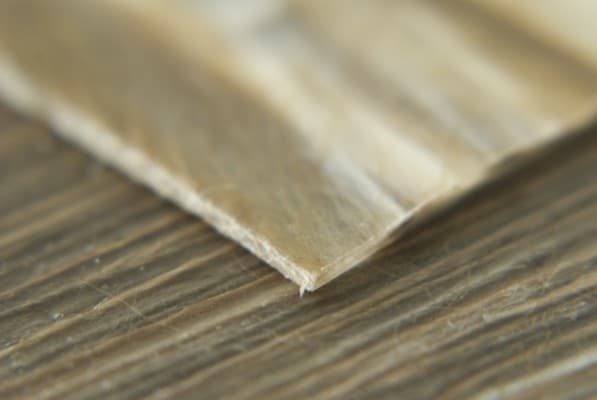
- BiotexBiotex are a series of natural fibre reinforcements/biocomposite materials, including yarns, tapes, fabrics/textiles and preconsolidated sheets. The standard product range is based on flax, flax/PP and commingled flax/PLA. Components can be made from the fabrics or tapes using conventional moulding techniques. Biotex are recyclable and in some cases fully biodegradable.
- NCell Natural Fibre reinforced ThermoplasticsNCell consists of a polypropylene (PP) or polyethylene (PE) matrix reinforced with up to 40% natural cellulosic microfibres. NCell compounds have mechanical properties that are able to replace glass-reinforced thermoplastics. NCell also offers increased performance from other commercially available biocomposites, such as those made from hemp, flax, wheat straw, and wood.
- Kokoboard Peanut ShellKokoboard Peanut Shell is a bio-composite board, made of post-harvest waste. Peanut Shells are turned into particle boards by a hot press procedure and the use of a formaldehyde-free adhesive. Peanut Shell resists moisture and flame better than wood competitors. The use of agricultural waste has many positive social and environmental effects.
- RE-Y-STONEThe biocomposite panel RE-Y-STONE is made of (at least 60%) recycled post consumer waste paper and bio-based resin (30-40 %). This sugar cane resin is produced from plant waste. After curing, the bio resin has thermosetting features and forms with the fibres a hard, mechanically highly resilient composite.
- KokoboardKokoboard is a bio-composite board. It is made out of rice straw board, vetiver grass board, coco dust board and other agricultural fiberboards.
- BiopregsKiem developes Biocomposites for industries to replace metal and plastic sheets. The material is stiff as glass fiber composites but cheaper and greener, it has the tripled strength of hard wood, good impact properties and lighter than aluminum. Suitable for outdoor and resistant to water, chemicals, UV light, and to crimp.
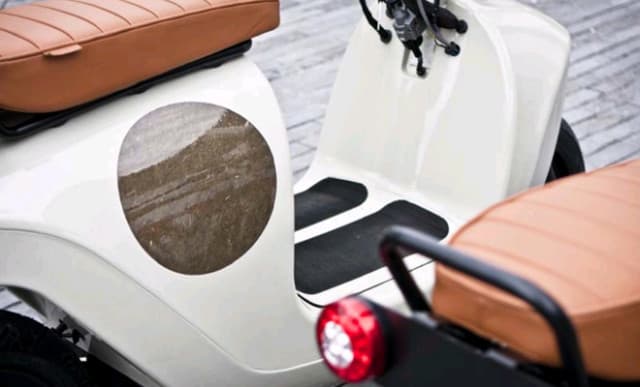
- Bio-scooter: new sustainable transportA team of designers, producers and institutions has launched a scooter made using a biobased composite. The consortium has named it the Be.e, which…
- Pine Bark, Amber Dust and Coffee Grounds: Baltic Biomaterials at Dutch Design WeekAt Dutch Design Week 2026, the Vilnius-based Biomaterials Library shows biomaterial samples, prototypes and design objects by Lithuanian and Baltic creators, made from local side streams such as pine bark, amber dust and coffee grounds.
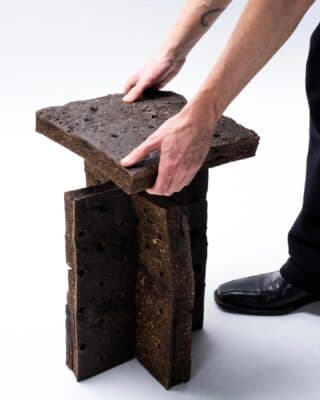
- Coffee Grounds as a Circular Material for Bio-Based FurnitureDesigner Tobias Gerstgrasser has created a stool made entirely from coffee grounds and natural binders. The piece is part of his research project Coffee…
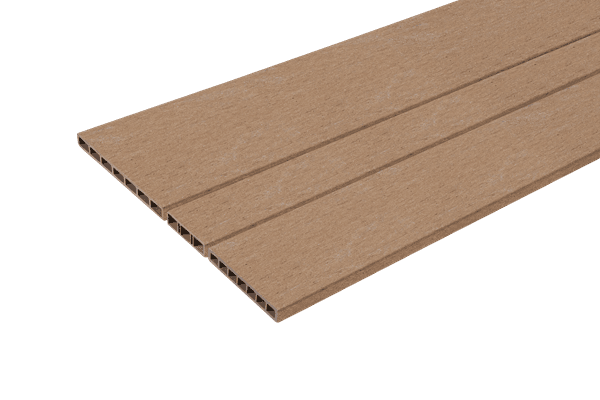
- RIWOOD Rice Husk CompositeRIWOOD is a premium biocomposite (RPC) material that redefines sustainability in outdoor and architectural applications. Developed by Fiberplast Group, this innovative product combines recycled rice husks and calcite with high-quality post production recycled PVC polymers to create a durable, low-maintenance, and eco-friendly alternative to traditional wood or pure plastic materials.
- Hempstatic®Hempstatic® is a biocomposite material composed of hemp shives, lime, and natural earth pigments. It is free from hazardous substances, biodegradable, and designed for a circular end-of-life. With high sound absorption capabilities, it improves indoor acoustics. The material’s porous structure and textured surface make it suitable for wall and ceiling panels, particularly in co-working spaces and offices.
- Peanut shell wins Material of the Year awardPeanut Shell Board by Kokoboard has won the Material of the Year award. From a shortlist of ten top-quality new materials, the post-harvest bio-composite…
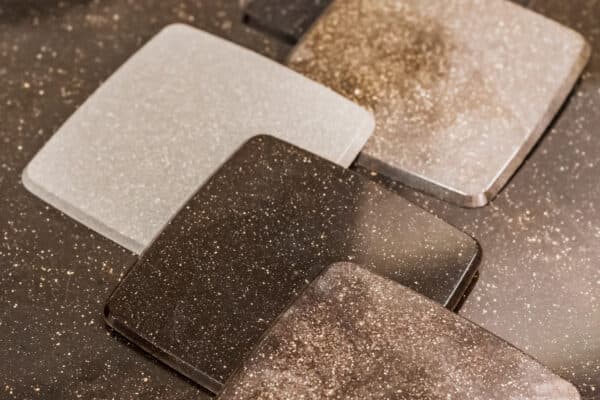
- That’s Caffeine tilesThat's Caffeine is a material made in England from waste coffee grounds. Handmade in London, it has a similar look and feel as granite, but because it is a biocomposite made of bio-binders, minerals and plant-based resin, it is lightweight and recyclable.
- Biobased roof tiles and cooling terracottaWith the project Lo-Hi, Studio SKLIM combines low tech and high tech solutions to create hybrid solution, namely biocomposite roof tiles with custom solar…