Search
191 results for “textiles”
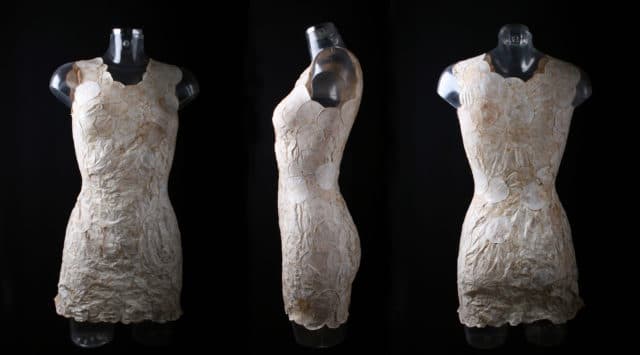
- MycoTEX: textile made from mushroom myceliumMycelium, the spores of mushrooms, is an incredible material. You can use it to make anything from chairs to lamp shades to packaging material. However,…
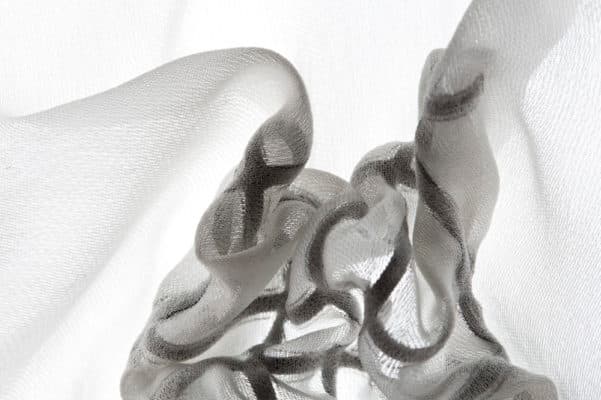
- Time-Based TextileIn this project, an ongoing work on material exploration, Dana Zelig explores programmable textiles and textile structures using plastic, allowing complex textile structure computations…
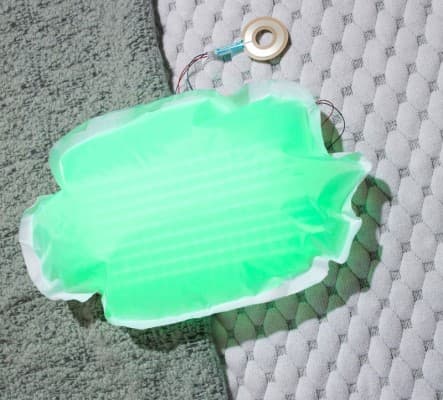
- Breathing Textile at Dutch Design WeekWith the fast-paced lives we lead, many of us are in an active mode most of the time and have difficultly unwinding at the…
- Flocked with textileFlocked with textile is a development in wall coverings to enhance and customize the material with flocking, embossed designs, prints, inclusion of textiles, glass, crystals, et cetera. The material is fire-proof, lightfast, washable and has an absence of many harmful substances.
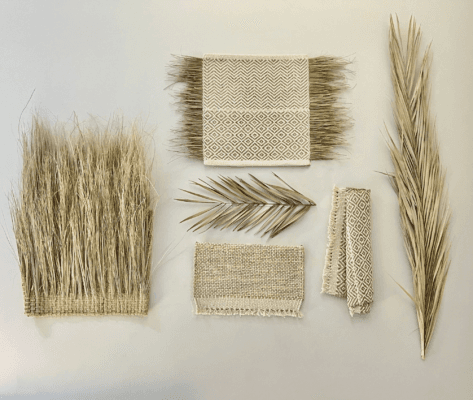
- Wall Date – Textile from Date Palm Leaf WasteWall Date is a textile project that transforms agricultural waste from date palm cultivation into a biodegradable and compostable material. The textile combines processed date palm leaves with post-industrial surplus yarn. The woven body features graduated pink tones, while untreated palm leaves form the fringes, preserving their natural texture.
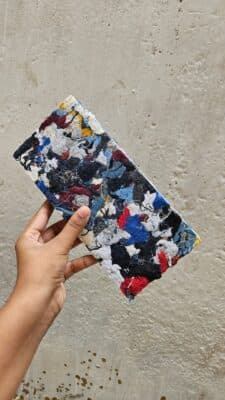
- Circular Textile BoardStelapop textile board is textile chopped into particles and pressed into boards. The material is considered as a high to density material that can be constructed into lifestyle and office furnitures, tops and decorative interior. The material surface has coated to serve surface durability and wearability functions.
- Textile brickThe textile brick is a sustainable and eco-friendly building material made from recycled textile waste and natural binders. It offers thermal insulation, sound reduction, and good mechanical strength, making it ideal for indoor applications. By utilising waste textiles, this project helps reduce landfills and contributes to a more eco-friendly environment.
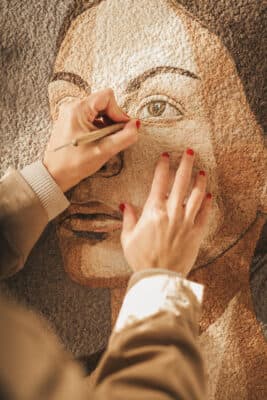
- Biopainting: Turning Textile Waste Into A Natural Colour PaletteSpanish artist Cynthia Nudel has developed Biopainting, a material-based technique that replaces conventional paint with textile waste and natural pigments. Her work explores how…
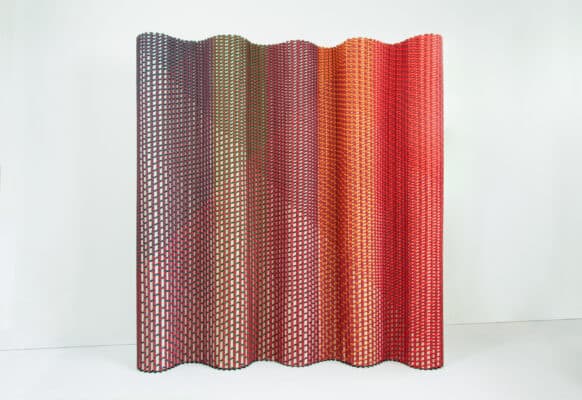
- Plissade: An All-Textile Room Divider Developed Through Circular DesignPlissade, designed by Rotterdam-based studio Luis Marie, is an all-textile room divider that applies recycled materials and pleating techniques to create a freestanding acoustic…
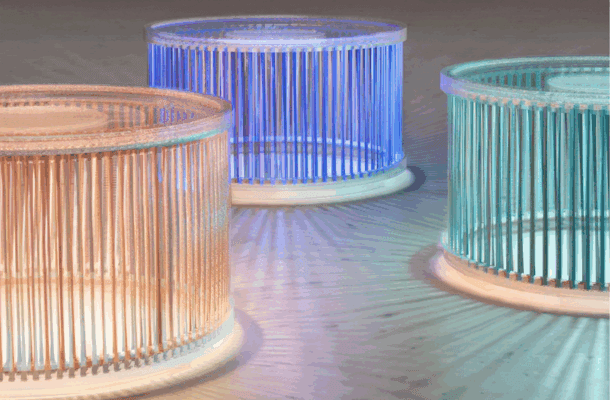
- Luminous Re-weave: Upcycled Textiles Become Modular, Architectural LightLuminous Re-weave is a lighting installation by Ling Sha and Yucheng Tang that brings together craft, technology, and circular design. It shows how discarded…
- Next-Generation Biodegradable Performance Textiles by Lenzing and OceanSafeAustrian fibre producer Lenzing Group and Swiss textile innovator OceanSafe have developed a new generation of sustainable, high-performance yarns. The partnership combines Lenzing’s Tencel…
- Precision Spray Coating Transforms Sustainable Textile FinishingBW Converting’s Baldwin TexCoat G4 is changing the way fabrics are finished. The system has been validated by Fashion for Good and the Apparel…
- Felt textilesThe wool for Claudy Jongstra’s felt textiles comes from her own flock of rare native sheep. She has succeeded in developing an industrial technique for the felting process. Her textiles are unique and highly varied. The raw materials may include wool, linen, cashmere, camelhair and silk.
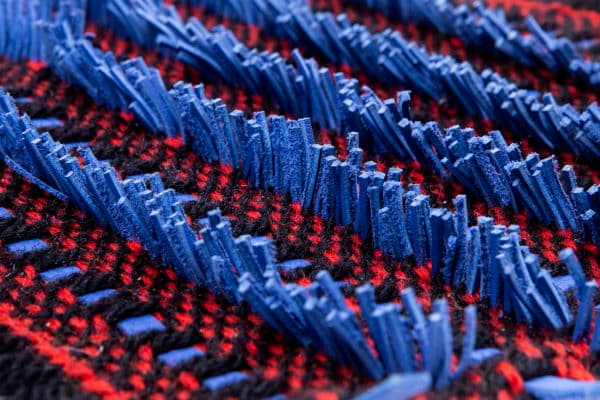
- Compose handwoven textileCompose is a material research in hand weaving. Designer Lio de Bruin explored this traditional technique to design contemporary materials for the interior. This series of materials include a textile in which leather fringed stripes are combined with a woven wool colour melange. The tangible textiles can be translated into exclusive rugs or wall hangings.
- Standing textilesThe strong and sturdy structure gives the suggestion of a solid volume, but the lack of support and hollowness make them seem on the edge of breaking. The volumes are built up, thread by thread, on a custom-made weaving loom.
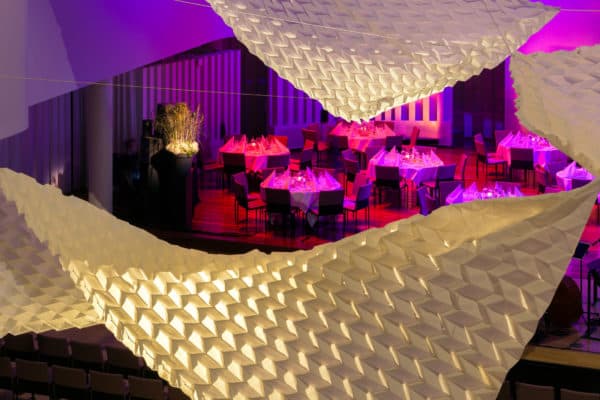
- Archi Folds textiles help improve theatre’s acousticStudio Samira Boon was commissioned to create a site-specific installation of Archi Folds, a series of 3D textiles inspired by origami, for the main…
- Sustainable Textile InnovationsBy Simone Preuss, Feature Editor FashionUnited Sustainable textile innovations are in demand like never before due to dwindling resources, natural fibres like cotton being…
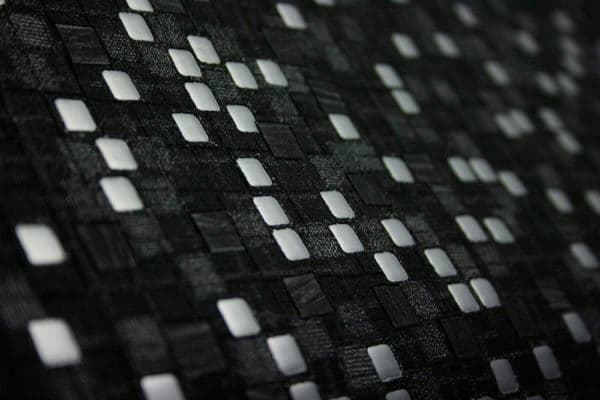
- Kristi Kuusk: smart textiles in self-care clothingMore and more things become ‘smart’: phones, homes, and now clothes! Designer Kristi Kuusk is researching the future of textiles and looks for new…
- Paper textiles handmadePaper Textiles Handmade are designed and handicraft by Dutch designer Marian de Graaff. They are made with natural paper yarns, creating a collection structures by using different hand techniques and finishes. Inspired by the natural light and stillness of Northern landscapes. The Handmade Paper Textiles can be used for interiors, wall covering, clothes, bags and decorative use.
- Pine needle textileTurning the pine needle into a useful form for the textile industry harbours huge potential. Pine is the second most common type of tree in Germany, after the spruce, so there is no shortage of pine needles. The use of pine needles has another significant benefit, namely the essential oils in pine needles that keep insects such as moths at bay.
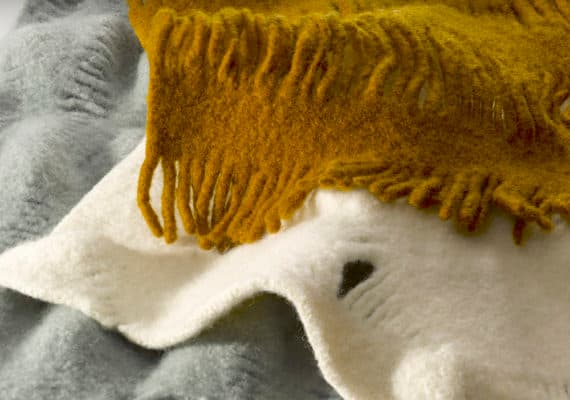
- Acoustic TextileMade of 100% wool, this acoustic textile is not only sound absorbing, but also brings tactility, colour and visual separation to spaces. Typical applications include its use on interior walls, ceilings, room dividers and floors. Naturally fire resistant, this textile is available in Ecru, Mint and Gold colours with the possibility for custom colours also.
- Smart Textiles ExhibitionTogether with Broeinest, and following our successful 'Biobased Materials' Exhibition (on until April 1), we are excited to bring forward the fascinating world of smart…
- Wood Fibre TextilesTextiles made of wood include Tencel, Viscose, Lenzing FR and Lenzing Modal. Tencel is more absorbent than cotton, softer than silk and cooler than linen. Viscose is naturally botanic, absorbs moisture well and is pleasant on the skin. Lenzing FR offers protection from different kinds of heat: fire, radiant heat, electric arcs, molten metals and flash fires. Lenzing Modal is extracted from beech wood.
- Bcomp TextileThe most viable structural fibres used in these architectural textiles typically derive from specifically grown textile plants and fruit trees. Natural fibres are subdivided into bast fibres (flax, hemp and kenaf) and leaf fibres (sisal, pineapples and henequen), grass fibres (miscanthus), straw fibres (corn and wheat), seed fibres (cotton and capok), wood fibres (pinewood) and fruit fibres (coconut).