Search
32 results for “plant fibres” in materials
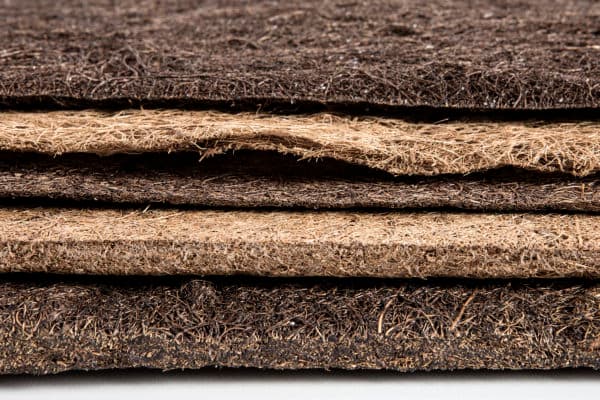
- Natural FibresEnkev makes quality products from natural fibres. Their products are mainly used in the mattress, horticultural, automotive and filter industry. There are however many more possibilities for these fibres in packaging, insulation and in the shoe-industry.
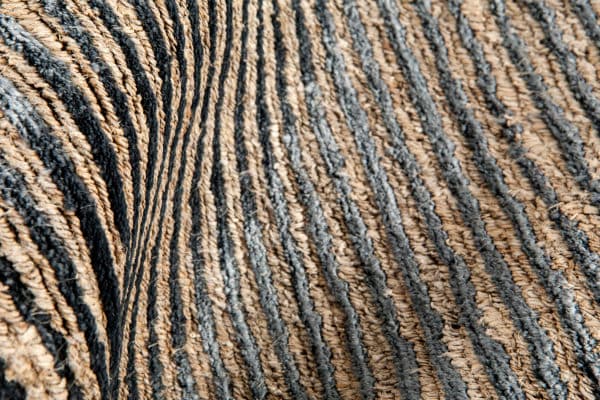
- Banana fibre, hemp & jute carpetThese carpets are made from jute, hemp and banana fibres. The appearance of banana fibre is similar to that of bamboo fibre and ramie fibre, but its fineness and spinnability is better than the two. The chemical composition of banana fibre is cellulose, hemicellulose, and lignin. The fibre is very strong and has a somewhat shiny appearance depending upon the extraction and spinning process.
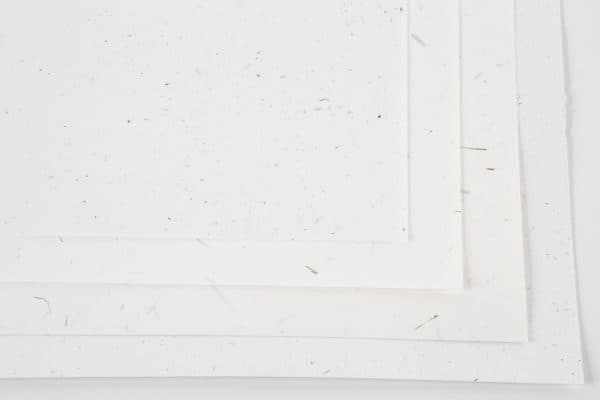
- Tomato Fibre PaperThis paper contains the fibres of tomato plants that originate in Dutch greenhouses. Normally these fibres are considered waste and burnt, but these fibres can be used for other purposes including paper. Not only does a biobased paper made of waste tomato fibres ensure we make use of resources, the paper also has a very high tactile and visual quality. The fibres are clearly visible, resulting in a nice and subtle effect.
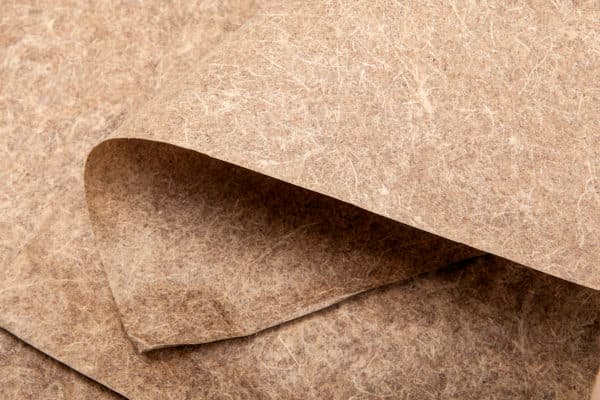
- Banana fibre paperBanana fibre paper is made from agricultural waste left over after the banana harvest. The company extracts fibres from sustainably sourced banana trees grown at local farms here in Kosrae, Micronesia. In the paper making process, the fibres fuse together on a microscopic level to create a 'leather-like' paper material that is lightweight, tear-resistant, and biodegradable.
- Aquatic plant paperThis paper is made with aquatic plants, which are trimmed to keep the waters navigable. The plants are mixed with wood pulp, the green fibres remain visible. The more aquatic plants are used, the darker the paper becomes.
- Coquim coconut fibreCoquim is made from coconut fibre and natural latex, the sap of the rubber tree Hevea brasiliensis. The material is renewable and fully biodegradable. It can be used for a multitude of products, including pots, plates, and blankets. The material was initially developed to replace the popular Xaxim, also known as Dicksonia sellowiana, a fern plant native to the Atlantic Forest, which is used to make pots.
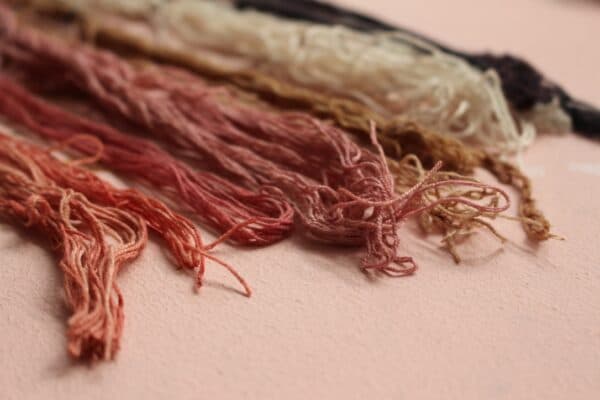
- ALCHIMIA – Natural Yarn dyes on Milk fibreA versatile range of natural dyes developed on milk protein-based yarns in collaboration between designer Shahar Livne and Dyer Roua AlHalabi, made from materials driven from animals such as blood, collagen, and milk, minerals such as hematite and aluminium, plant parts such as oak apple and flowers and roots of the Rubia tinctorum plant; together, the materials create a rich variety of colours through alchemical reactions.
- Bcomp TextileThe most viable structural fibres used in these architectural textiles typically derive from specifically grown textile plants and fruit trees. Natural fibres are subdivided into bast fibres (flax, hemp and kenaf) and leaf fibres (sisal, pineapples and henequen), grass fibres (miscanthus), straw fibres (corn and wheat), seed fibres (cotton and capok), wood fibres (pinewood) and fruit fibres (coconut).
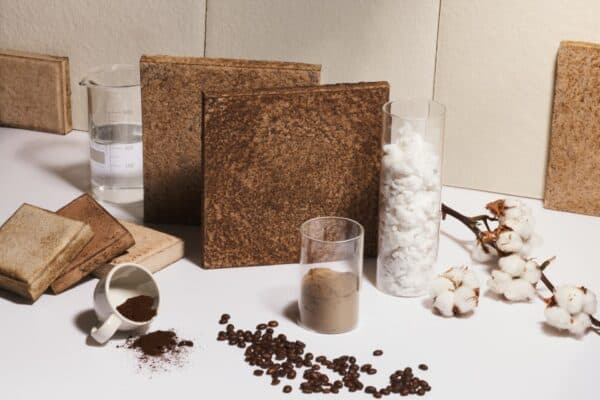
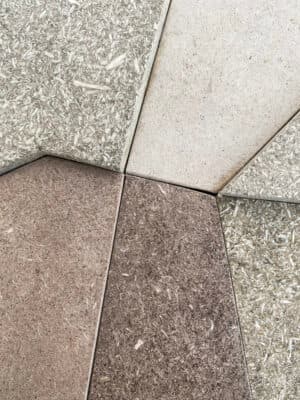
- Biobased Acoustic Materials from Organic ResiduesA series of acoustic tile developments explore the use of plant fibres and organic by-products as primary material components. The tiles are designed for interior applications and combine renewable fibres, residual biomass and mineral additives within composite systems intended to provide sound absorption and structural stability. The versions shown are seaweed and cotton, coffee, coconut fibres, jute, and grape pomace.
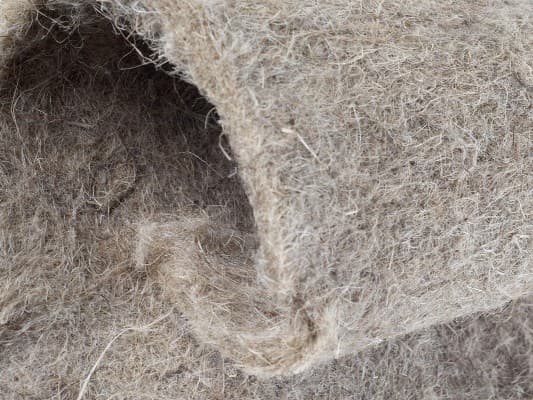
- Hemp fiber nonwoven matsFibres from the non psychoactive hemp plant are used for the Natural hemp fibre nonwoven mats. The plant is grown without the use of chemicals and fertilizers, and for the fibre production very little energy is used. Hemp fibres are lighter then, for instance, glass fibres.
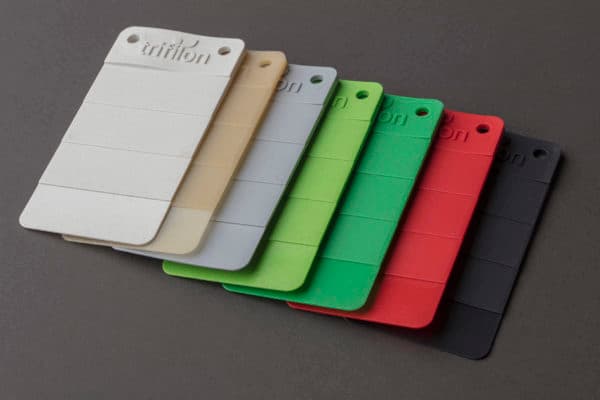
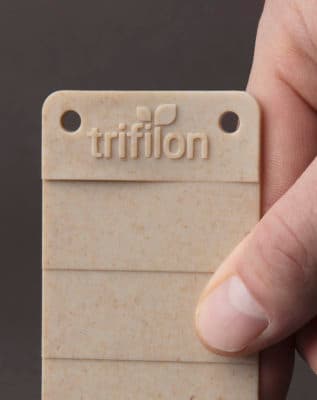
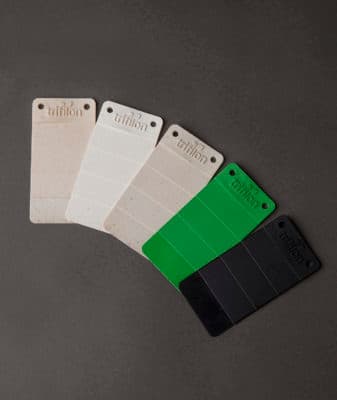
- Trifilon BTrifilon B is a biocomposite material combining food-safe polypropylene (PP) with up to 35% natural fibres. Developed by Swedish material company Trifilon, it is designed as a lower-impact alternative to conventional polypropylene for injection-moulded products, including applications involving food contact and products for children.
- Lupine fibreboardLupine fibreboards are produced from Alaska Lupine (Lupinus nootkatensis). Although almost the entire plant can be utilised for fibreboard production, the samples in this project were made from the aerial growth of the plant. The fibreboards are 100% biodegradable without requiring controlled conditions, such as heat, for decomposition.
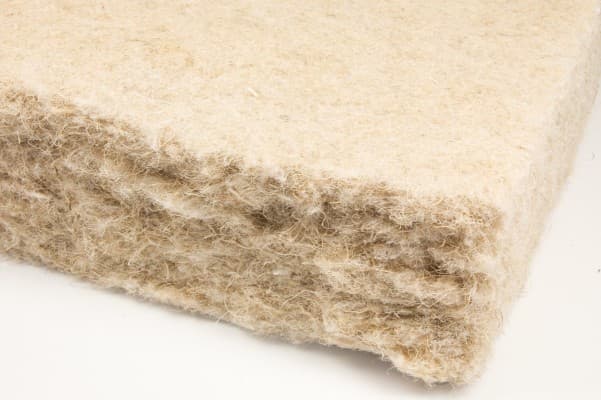
- HempFlax Nature InsulationHempFlax Nature Insulation is made out of 100% hemp fibres, produced from the non psychoactive hemp plant. Hemp fibres are lighter then glass fibres. The fibres are able to absorb and release water easily. The mats can be produced with a synthetic binder or biobased (PLA) binder.
- MYXMYX consist of plant fibre and mushroom-mycelium. The material is grown into shape during a period of 2-3 weeks, where the mushroom mycelium grows together the plant fibres into a flexible and soft living textile. After 2 weeks you can harvest the healthy Oyster mushrooms. The waste product can then be dried and used as a lightweight material, that is both organic, compostable and sustainable.
- Washi Artisan ParchmentWashi, handcrafted Japanese parchment is made from the elongated fibres of a variety of plants. The typical raw materials are kozo, mitsumata, gampi and hemp. Washi is made of the fibre of the bark.
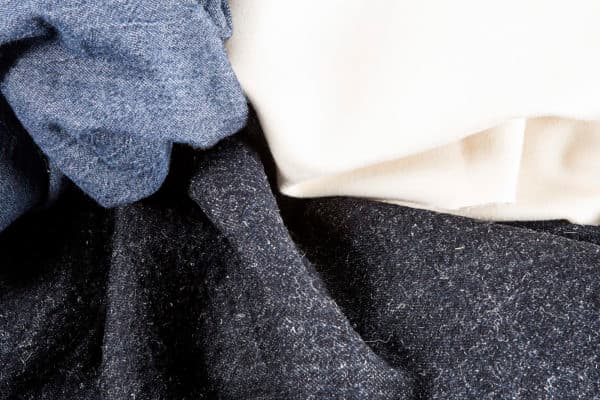
- Nettle & cypress fabricCompany Grado Zero Espace developed blended fabrics containing stinging nettle and cypress fibre. The cypress yarn is turned in a mixed fabric containing 50% cotton, which has the same anti-bacterial, anti-mould, relaxing, deodorising properties of the cypress yarn. The nettle fibres have a special feature: thanks to their hollow structure, they are natural thermal insulators.
- TRAshellThis prototype is a free-form shell of 300 x 300 x 2-5 mm, manufactured of green agro-fibre thermoset composites, of free-oriented short natural fibres like coconut shells, cereal straw and black coal ash as an agro- active filler and a plant-based thermoset bioresin. In addition, glowing additives were applied, to suit the possible application of the proposed product in exterior façade applications, for night lighting.
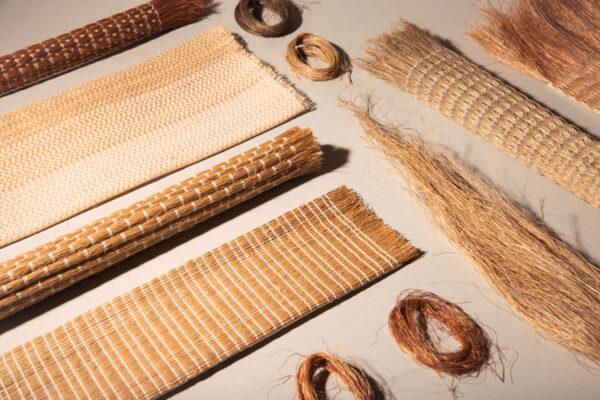
- Inherited FutureThese “Inherited Future” series of woven textiles are made from banana stem fibre sourced as an agricultural by-product in Indonesia. Rather than treating the plant as waste, the work reframes banana fibre as a high-performance, regenerative material that carries both technical value and cultural memory.
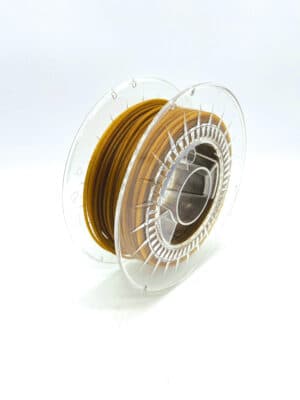
- Novifil PLM20100% bio-sourced material (zero petrochemicals in the recipe), intended for 3D printing, with a PLA base loaded with Miscanthus plant fibres, grown and made in France. By modifying the wall thicknesses, it is possible to modify the transparency. The plant fibres bring a bright and naturally golden note, without adjuvant.
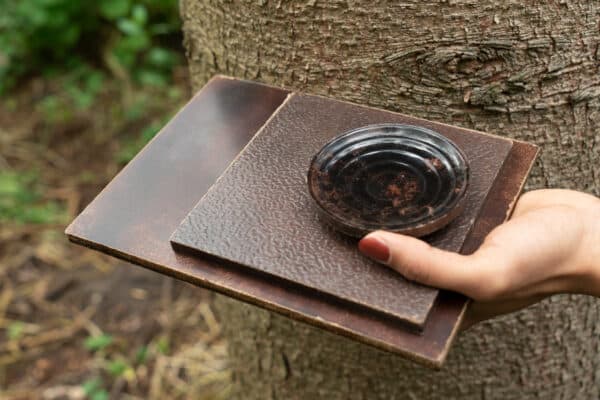
- Tree of CultureCalled Tree of Culture, Basse Stittgen's project traces the journey that the two polymers of wood take, back to the moment when the cellulose fibre was held together by the lignin in a tree. Shown here is a thermoformed biocomposite consisting of lignin and cellulose. The two components are mixed together and are then filled into a metal mould and heat pressed at 180° C with around 10 tons of pressure.
- Trifilon RTrifilon R is a recycled biocomposite that combines high-grade recycled polypropylene with natural fibres such as hemp and wood-derived cellulose. Developed by Swedish material company Trifilon, the material is designed to reduce the use of virgin fossil resources while retaining the processing and mechanical characteristics required for demanding injection-moulded products.
- Trifilon STrifilon S is a renewable thermoplastic biocomposite developed by Swedish material company Trifilon. Combining bio-based polyesters with natural fibres, the material is designed as a lower-impact alternative to conventional fossil-based plastics for injection-moulded products. Depending on the grade, Trifilon S can be up to 90% fossil-free.
- CeranexNova Lignum developed Ceranex durable façade cladding from plant residues including aubergine fibres, grass from verges, reeds and pruning waste. Ceranex façade cladding is 100% recyclable with no oil related or chemical additives. Material properties include durability, water stability, weatherproof, rot proof, acid resistant, non-corrosive against metals, extremely fire resistant and colour-fast.
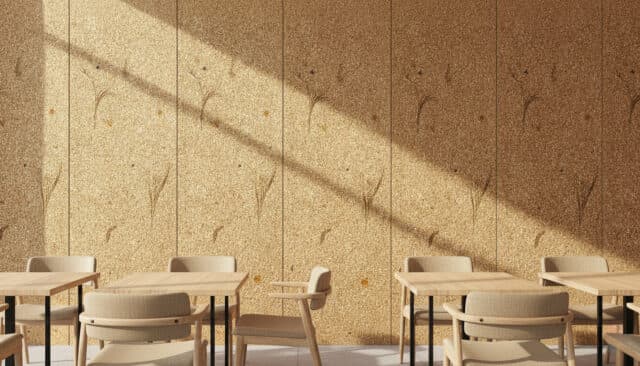
- Partikal Board – Calm Autumn 25Do you want to emit CO2 or store it ? Partikal Board is an acoustic panel made from local, plant-based fibres. Designed for optimal…