Search
19 results for “solar” in materials
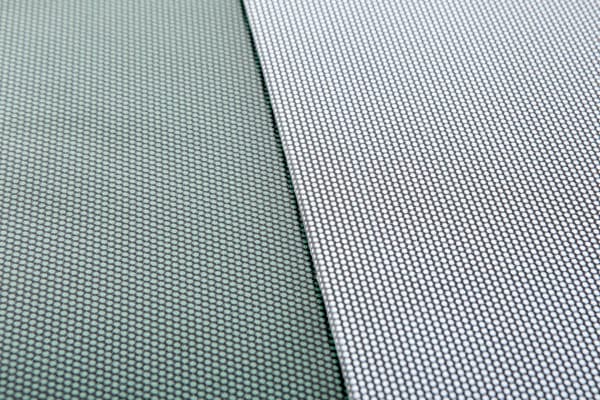
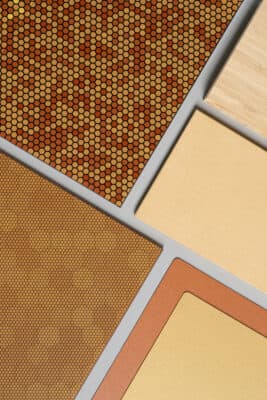
- ColorBlast solar panelsColorBlast solar panels are coloured and customisable glass solar panels for the façade. The technology allows for any design, pattern or logo to be translated onto a solar panel in almost any colour, including your favourite painting. Ceramic inks are deposited and hardened on the glass in custom hexagonal patterns to create the illusion of a homogenous image and a fixed colour from every angle.
- Building-Integrated PhotovoltaicsBuilding-integrated photovoltaics (BIPV) are photovoltaic materials that are used to replace conventional building materials in parts of the building envelope such as the roof, skylights, or facades. Thanks to this photovoltaic transparent glass, you can avoid UV radiation and infrared radiation, while seeing through the glass at the same time. You can choose between a 10%, 20% or 30% transparency degree.
- Onyx Solar Thin FilmSolar thin film glass by Onyx is an energy producing glass available in a range of colours, sizes and translucencies. The glass is a structural silicate PV glass in simple configuration. The thin-film building integrated PV glazing is useful in many kinds of exterior building application.
- Climaplus Solar ControlSGG Climaplus Solar Control low-emissivity solar control double-glazed units give a reduction in solar heat gain and varying the degree of light transmittance.
- Prefa SolarThe new solar/photovoltaic roof panel incorporates two unique advantages over conventional solar roof panels. The solar cells were integrated in the roof panels.
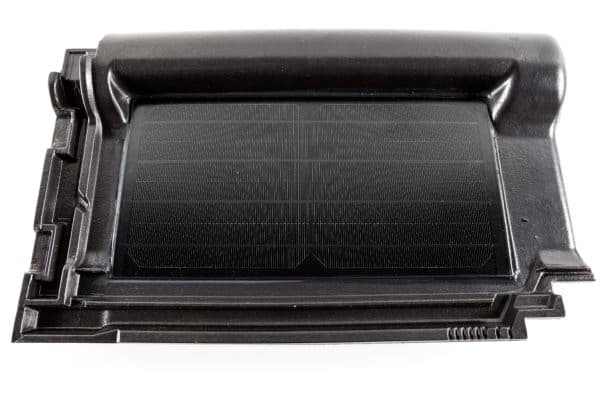
- Solar cell roof tilesThe solar cell roof tile is a ceramic, traditional looking roof tile in which a solar collector has been integrated. The roof tiles are placed on the roof in the traditional way on tile latches. The integrated solar cells are mono-crystalline, with a size of 156 x 156 mm and maximum power of 9 V.
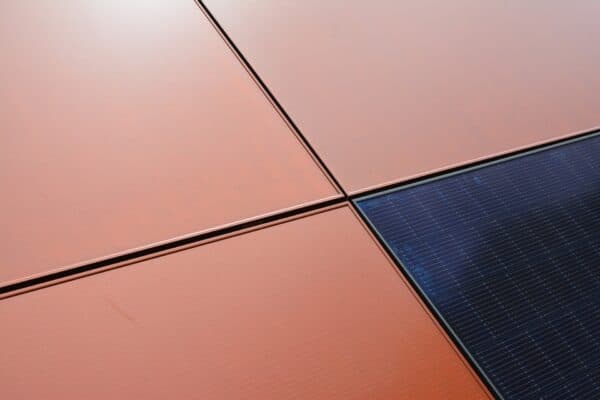
- Coloured Solar panelsSoluxa develops coloured solar panels that function both as energy-generating systems and architectural elements for building façades. The terracotta panels deliver a peak output of 185 Wp/m² and are specifically designed to harmonise with brick façades and terracotta roofing.
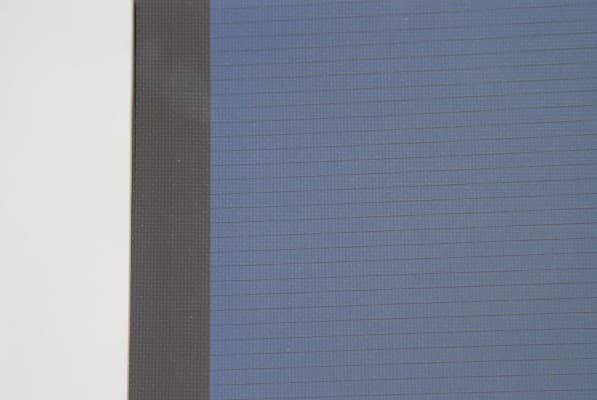
- Evalon SolarThe Evalon Solar PV-cell by Alwitra are placed on a flexible backing. They contain no glass and they produce only one third of the reflection of glass. The Evalon Solar PV-cells are very light in weight and can be glued onto a roof just like ordinary roof coverings.
- Solar GlassblockSBskin developed and patented a series of novel glassblock configurations with the aim of optimizing their energy performance. These photovoltaic and highly insulating glassblocks are integrated with third generation solar cells (DSCs) and suitable for outside installations (roofs and facades).
- Solar Design panelsSolarix works on innovative developments for the colouring of energy-generating facade panels, paying a lot of attention to the correct structure and materialization of the colours in combination with high energy yields.
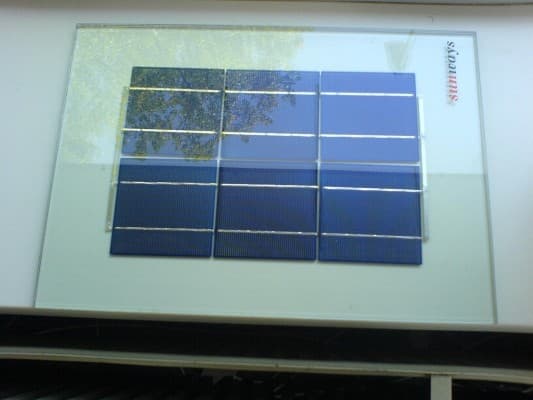
- Transparent Solar CellsSunways AG has concentrated on the combination of transparency, shading, privacy and powersupply. These Transparent Solar Cells provide a connection between the inside and the outside of a building.
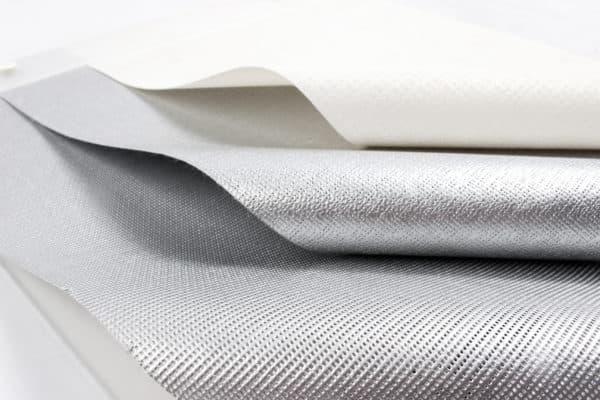
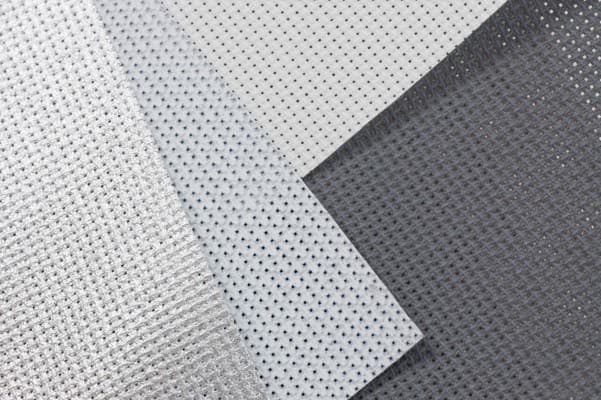
- Soltis 86 & 92The Soltis 86 and 92 material offers necessary solar protection and openwork designed to let more light in. It eliminates up to 86% of the solar radiation, which contributes to the heat management. It is resistant to wind and weather, available in scala of 47 colours, in a width: 177cm * 270cm with a roll size of 50 m.
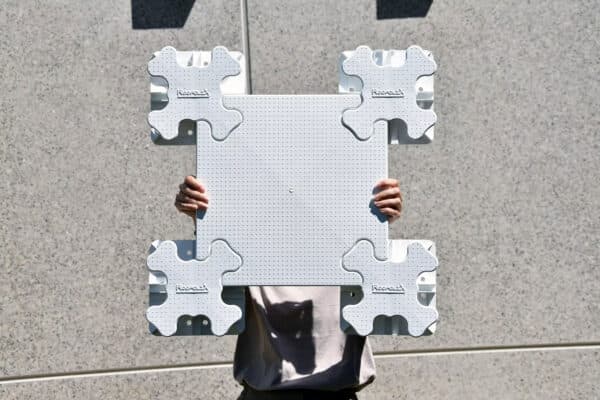
- Roofclix – Reflective Roof Tile SystemRoofclix is a roof tile system developed to reduce heat gain in buildings and improve energy performance. Designed primarily for flat roofs, the tiles reflect up to 90% of incoming solar radiation, limiting the conversion of sunlight into heat. By keeping roof surfaces close to ambient shade temperature, the system aims to reduce indoor overheating and decrease the need for active cooling.
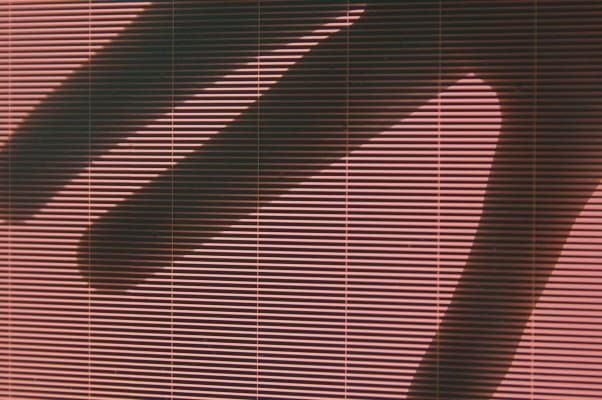
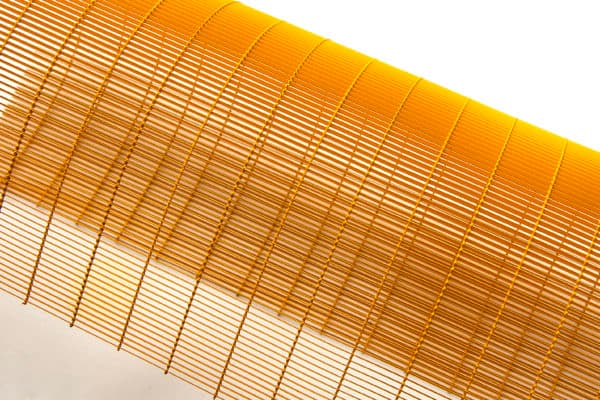
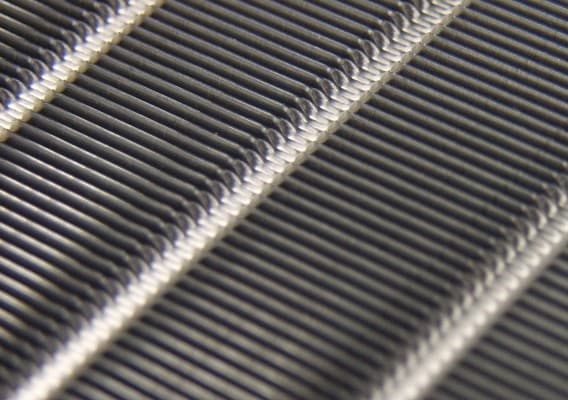
- MicroLouvreMicroLouvre is a solar shading made from a fine mesh, woven from commercial bronze wire. In every meter of mesh, there are over 700 micro louvres, each 0.3mm thick x 1.2mm wide, normally coated in protective black polyester for a durable, light absorbing finish, though it is available in any colour. It provides a minimum of 32% shading in the lowest possible angle and reduces glare.
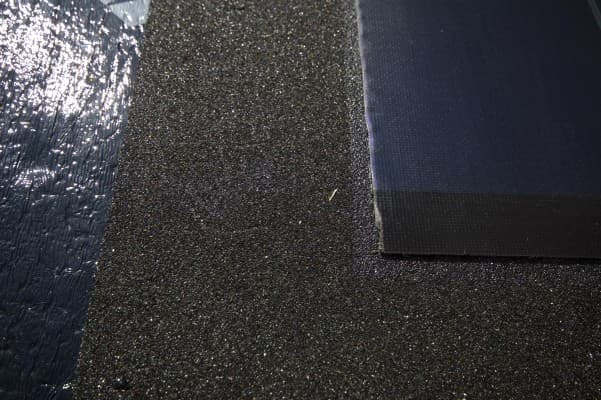
- ECI Ceramic CoatingECI Ceramic Coating is an environmentally friendly water based polymer roof and wall coating. This solar reflective coating reflects solar light and prevents heat conduction.
- DerbisolarDerbisolar is a fully watertight roof lining (bitumen-polymer matrix) with integrated flexible photovoltaic cells(type a-Si) which generate electricity by solar energy. Especially during realistic operating conditions these modules offer a better performance in low and diffuse light, shadow or dirt on the modules.
- LouverscreenAluminium Louverscreen protects mainly against transmitted solar radiation, which typically accounts for about 80% of the total solar load coming through windows. While blocking the sunrays and offering shade and privacy, ventilation is still possible.
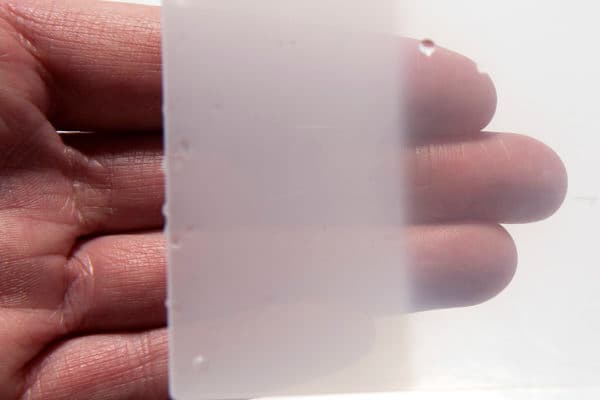
- AcrysmartAcrysmart is a new material for daylight systems with intelligent sun protection function, changing from translucent to transparent and back. PMMA-sheets change their transmittance of light and solar radiation as a function of the ambient air temperature. They offer the advantage of automatic shutdown at higher temperatures and the optimal use of daylight at low temperatures.
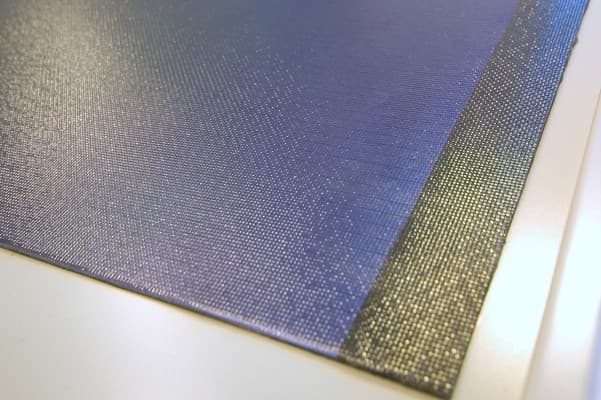
- Screen Nature UltimetalThe Screen Nature fabric is a transparent screen for solar shading, with a minimum environmental impact, sound health and safety features for users, and sound optical and thermal performance. The lightweight fabric with a renewable mineral composition incorporates a low-emissivity layer to improve the thermal protection.