Search
48 results for “tree bark”
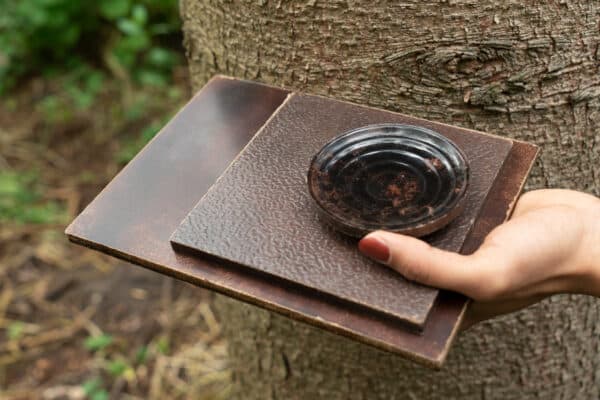
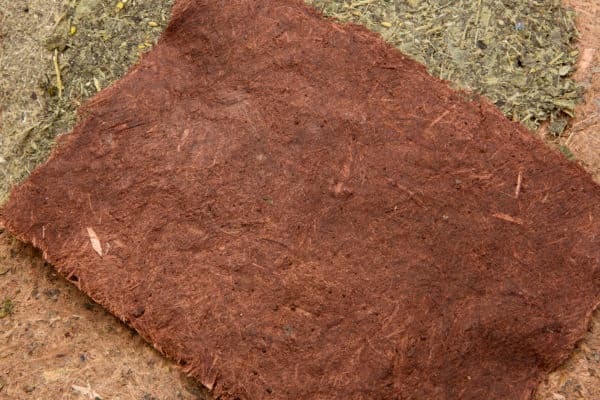
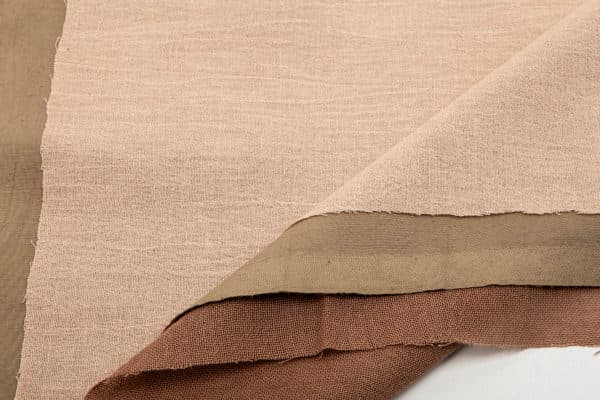
- Turning waste tree bark into pigment and fabricResearcher Charlotte Wenig of the German Max Planck Institute of Colloids and Interfaces investigated the potential of tree bark and found it can be…
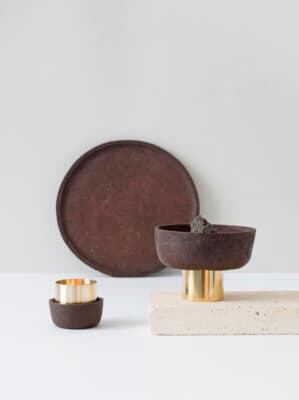
- GIRIA Tree bark biocompositeGIRIA is a unique biocomposite made from tree bark and a mix of organic binders, designed to bring the essence of the forest into everyday objects. The material is warm, tactile, and versatile, with a texture that evokes natural surfaces. Developed through extensive material research, GIRIA combines pine, oak, and ash bark with leaf powder pigments.
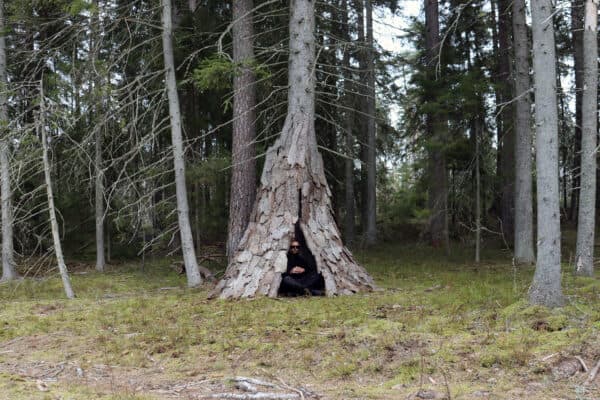
- Spruce Bark Hut: Turning Forest Waste Into A Living Architectural SkinUlf Mejergren Architects (UMA) designed the Spruce Bark Hut in Grödinge, Sweden, to explore spruce bark as a bio-based building material. The team collected…
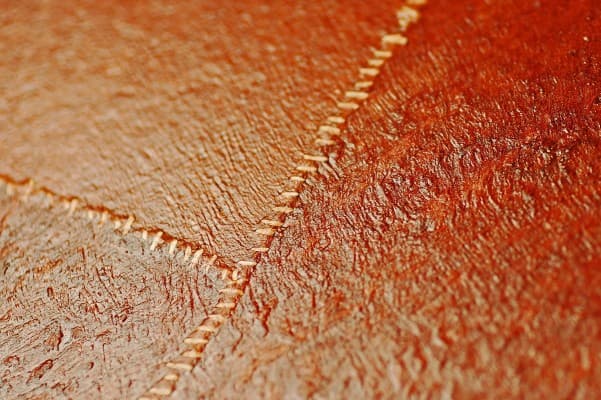
- Bark ClothRindentuch or Bark Cloth is made from the naturally regrowing bark of the fig-tree (ficus natalensis). It consists of Cellulose fibers and a very small amount of Tannin. It originates from Uganda and is presumably the worlds oldest non-woven textile.
- Tree of CultureCalled Tree of Culture, Basse Stittgen's project traces the journey that the two polymers of wood take, back to the moment when the cellulose fibre was held together by the lignin in a tree. Shown here is a thermoformed biocomposite consisting of lignin and cellulose. The two components are mixed together and are then filled into a metal mould and heat pressed at 180° C with around 10 tons of pressure.
- BarkThe poplar tree can grow to be about 30-45 meters tall. Protective barks runs up to 4 cm thickness. After being processed the bark is used as a whole piece and not adhered to other supporting elements and is therefore suitable for both indoor areas and facades as a cladding panel. Aside from this material's natural, biobased qualities, every sheet offers a unique look and feel.
- Turning Bark Waste into a Protective Furniture FinishTree bark makes up roughly 10% of the material processed in sawmills, yet most of it ends up as waste. Many manufacturers burn it…
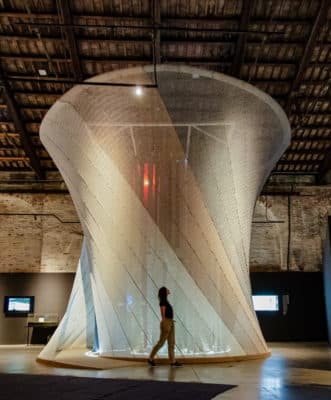
- A structure inspired by trees made of multiple biobased materialsFor the Italian Pavilion at the 17th Biennale Architettura in Venice, which runs from 22 May to 21 November 2021, MatRes is a metaphor…
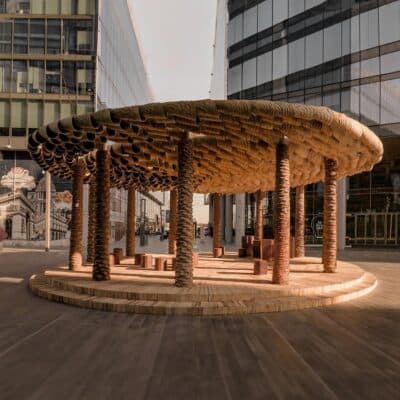
- A pavilion made of palm treesAbdalla Amulla, founder of Dubai-based design studio Mula, created a pavilion made of palm trees indigenous to the United Arab Emirates. Called Of Palm,…
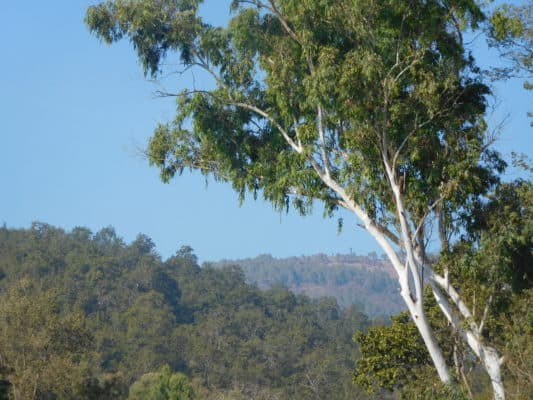
- Making graphene out of eucalyptus treesResearchers at RMIT University in Australia developed a cost-effective and eco-friendly way using eucalyptus trees, one of Australia’s most abundant resources. Since its discovery…
- PineSkinsPineSkins, as the name suggests, is the skin of a pine tree. This leather-like material surprises with its softness in contrast to the thick and harsh character associated with pine trees. Fresh bark is treated with natural ingredients that preserve its softness. Afterwards, it can be coated with an enriching layer of finishing and colour pigments.
- CorkCork has excellent thermal and acoustical qualities. It's beautiful, lightweight, warm to the touch, hypoallergenic, fire and insect-resistant, stable and renewable every 8-10 years. It can be used as a wall covering and for floors, in a variety of designs, sizes and colours.
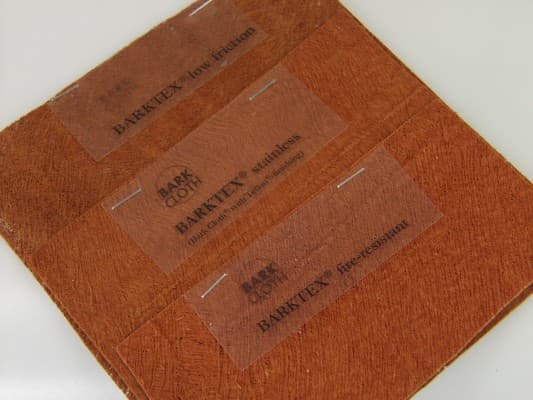
- BarktexBarkcloth combined with the water-based acrylate resin Acrodur opens up new design possibilities. The Bark cloth is harvested from the permanently renewable bark of the East African “Mutuba” fig tree and produced in cooperation with small-scale organic Ugandan farmers. The bark is harvested once a year without felling the tree. Each strip of bark produces one cloth, each with its own history.
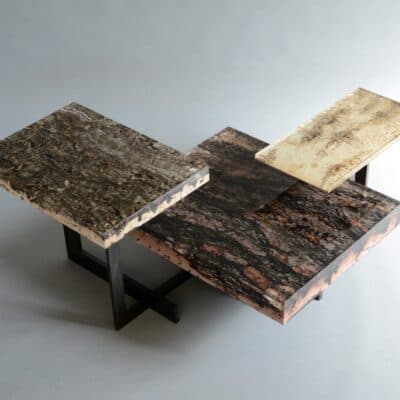
- Phellem collectionPhellem is the outermost layer of the tree bark, similar in many ways to our own skin. This collection treatises on its incredibly fascinating biodiversity offering any range of colours and textures. Alcarol preserves the bark of different species covering them with an innovative bio-sourced transparent resin.
- Blue-stained Pine is FineBeetle-kill wood is dyed a kind of grey-blue and is softened when beetles attack it. From i-Phone cases and lamps to high tech building…
- KingskinIn Uganda for centuries a unique textile-like material is made from the bark of the Mutuba tree (Ficus natalensis). It looks like veneer but is soft like leather or suede. The stiffened version of bark cloth has more cardboard like properties (stiffened with woodglue).
- Barkcloth HPLBark cloth®–HPL laminate is a decorative High Pressure Laminate (HPL). BARKTEX®–Low friction is a reinforced fibre textile featuring optimized abrasion characteristics.The HPL is result of joint development between DEKODUR® Laminate Technology and producer BARK CLOTH®.
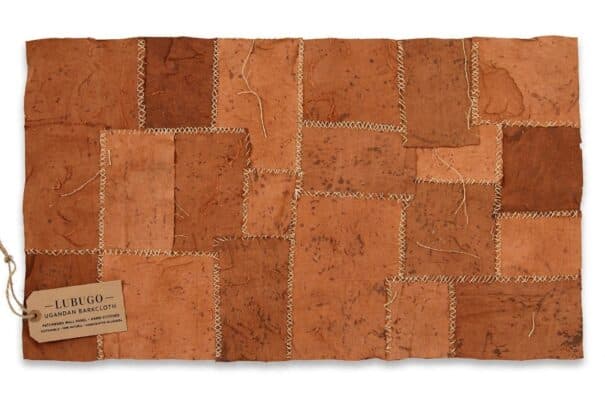
- LUBUGO – Ugandan BarkclothLubugo is a traditional barkcloth from Uganda, made from the inner bark of the Mutuba tree (Ficus natalensis). The craft dates back around 700…
- Willow paperStudents from the Iceland Academy of the Arts have created a range of materials including this paper, glue and string by adding nothing but heat and water to willow. The process of boiling loosened the bark of the willow and softened the fibres of the leaves and bark. The willow project is an investigation into one of Iceland’s newly gained raw materials, the willow tree.
- StitchedThe basic material for “wooden textiles” is taken from the mulberry tree, the cambium. A tapa is a soft and flexible wooden cloth that Tongans use for rituals like weddings and funerals. The basis for the ancient craft of tapa-making is the cambium of the paper mulberry tree, a thin layer of fibers between the bark and the wood of the tree. Original tapas have a fascinating beauty but lack the practical qualities needed for contemporary use.
- Wooden TextileThe basic material for “wooden textiles” is taken from the mulberry tree, the cambium. A tapa is a soft and flexible wooden cloth that Tongans use for rituals like weddings and funerals. The basis for the ancient craft of tapa-making is the cambium of the paper mulberry tree, a thin layer of fibers between the bark and the wood of the tree.
- TUOHITUOHI bark of birch wall panels is a new kind of surface product for homes and public spaces. The core body of the element consists of 12 mm thick MDF board and the surface is birch bark (white side). All edges come with interlocking joints. The 12 mm MDF core is covered with a thin layer (2 mm) of bark of birch.
- Natural dyeDesigner Lucila Kenny started researching on the tinctorial properties of local plants, from the seasonal waste, for a more responsible application of dyes on natural textiles. She harvests from fallen trees, but also uses plant waste from gardens, or even food waste.
- GradientThis textile has a wooden core and is embroidered with a black yarn in a various ways. The result is a textile with a gradient effect. The basis is the cambium of the paper mulberry tree, embroidered with threads of silk from the mulberry silkworm, which eats the leaves of the tree. This treatment gives the wooden cloths the firmness of textile. Then, it is washed to dissolve the adhesive starch.