Search
48 results for “iron”
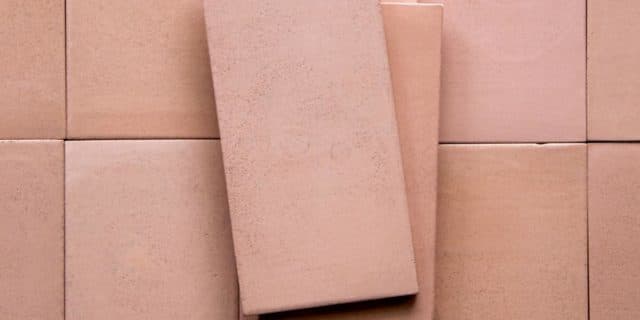
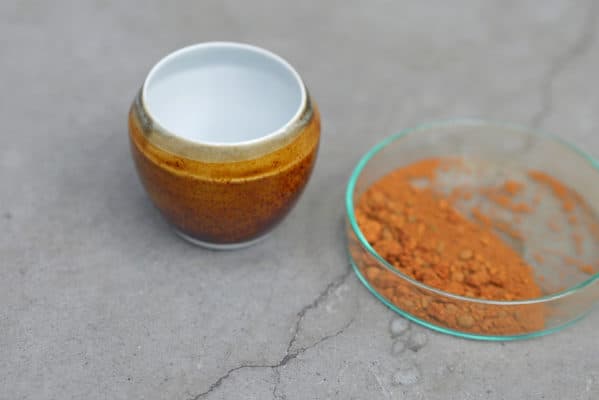
- From iron sludge to ceramic productsCalled Oer, an initiative by Lotte de Raadt, this project investigates different possibilities for the application of iron sludge, a waste product of drinking…
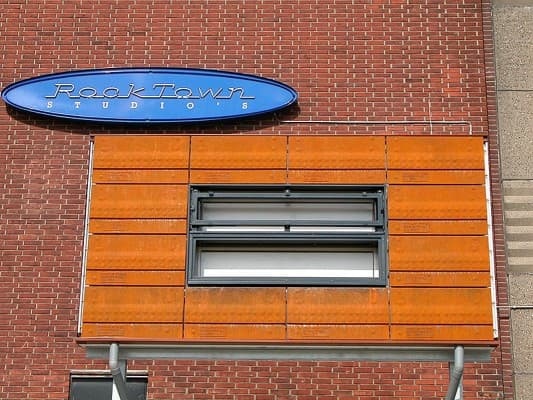
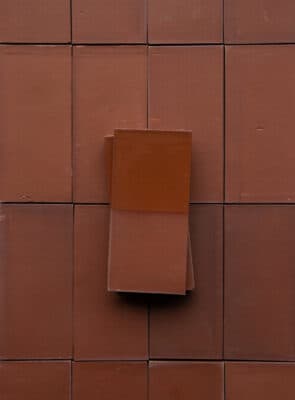
- Untreated Cast Iron panelsThis material untreated cast-iron panels are orange coloured, but they will turn dark brown once they start to rust. Inspiration for this iron panel; the old-fashioned manhole cover.
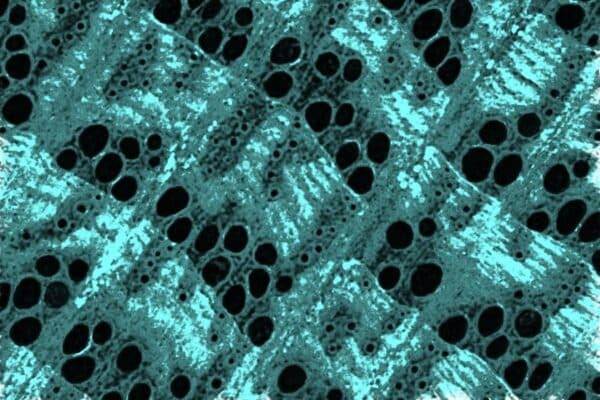
- Reinforcing Wood with Nano-Iron for Sustainable DesignWood has long been celebrated as one of the most versatile and renewable natural resources in construction and design. Now, researchers at Florida Atlantic…
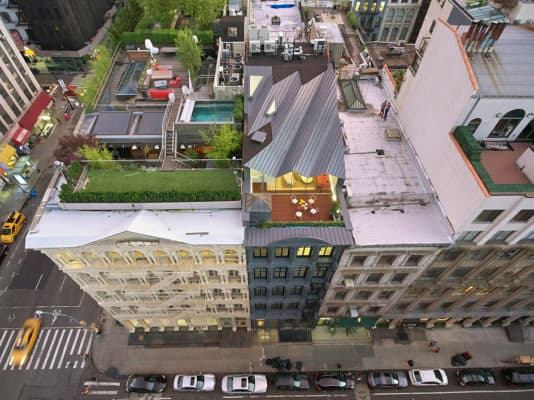
- Stealth Building with cast iron façade renovated by WORKacArchitecture company WORKac renovated a building with one of the oldest cast iron façades of the neighbourhood Tribeca in New York, both inside and…
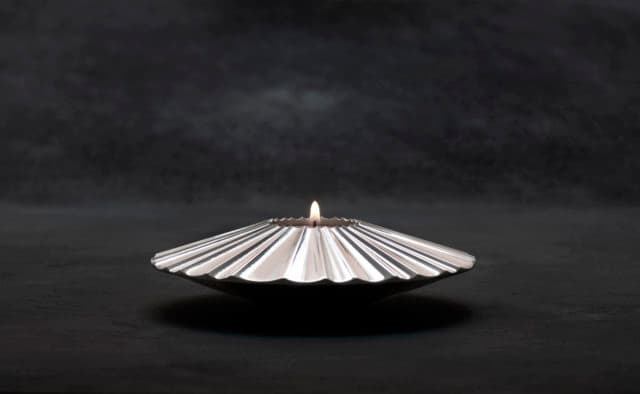
- Cast metal: Liquid free formFew architects know about the possibilities of cast metal. Few designers use the marvelous products created with this technology. Force lines precisely shaped in…
- Rebbur TileRebbur Tile is a sustainable surface material developed by combining natural rubber with underutilized resources such as tea leaves, seaweed scraps, eggshells, wood chips, stone powder, and iron powder. It transforms industrial and food-production waste into a functional design material, supporting circular material development while maintaining a warm and tactile quality.
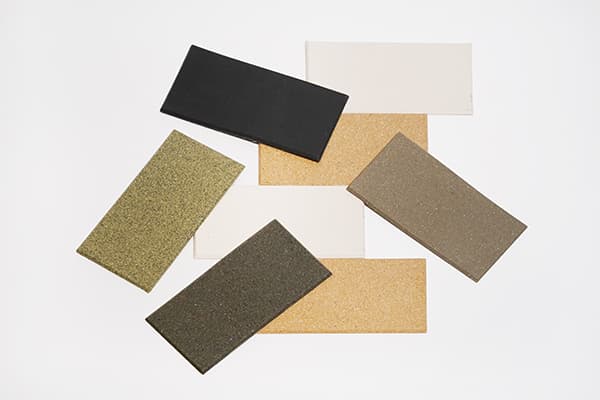
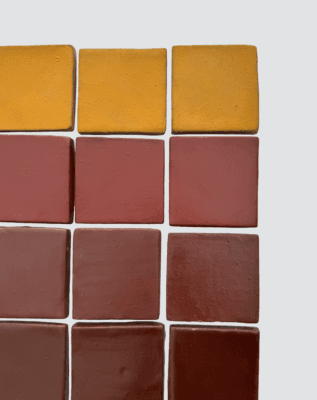
- Oer TilesIn this project, designers Kirstie van Noort and Lotte de Raadt developed new ideas for the use of iron sludge in ceramics and tiles. Iron sludge is a residual waste product from water production in the Netherlands. The designers ended up in developing a line of wall tiles in different shades that can be used in sustainable architecture.
- The world’s first “fossil-free” steelSwedish steel company SSAB Oxelösund in collaboration with various parties created what they say is the world’s first “fossil-free” steel delivery, made with green…
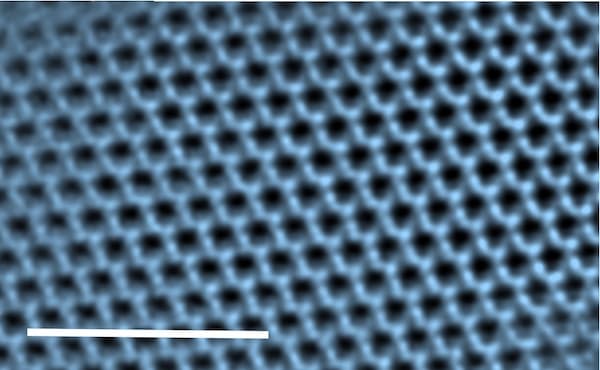
- Hematene: the new graphene?Graphene, the relatively new, atom-thin material, is considered a game-changing material and has been used in anything from paint to dresses to condoms. Now,…
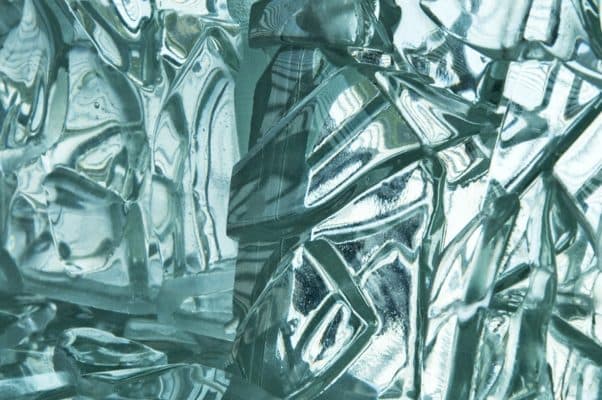
- Crackle glassBy using different fusing & laminating techniques Crackle Glass is created. The glass consists of three layers, is one inch thick, low-iron or mirrored and available in two types of glass sorts: Clear and Low Iron. Available with a frosted effect, and with a wide arrange of finishes and tint options.
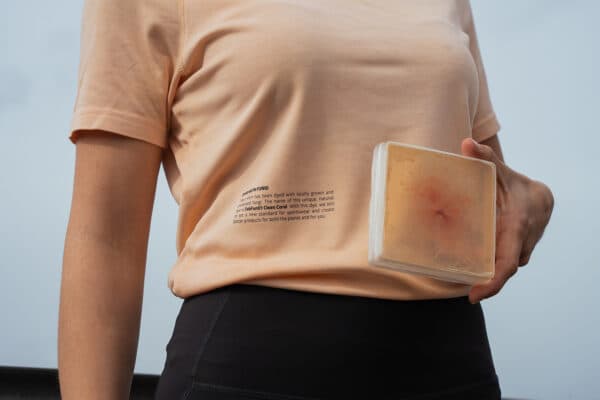
- Sportswear dyed with fungiDutch sustainable sportswear company Iron Roots collaborated with Fabulous Fungi and Bio-aNAlytiX van Biezen to launch a T-shirt dyed with fungi. Nearly all fabric…
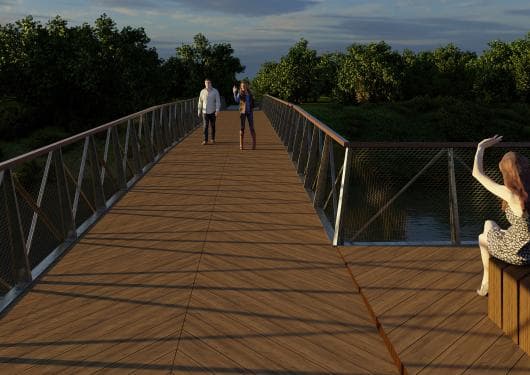
- A recycled bridgeLocated in Oude IJsselstreek, the Netherlands, the so-called ‘(Oer)brug’ is made of steel of its predecessor, iron from demolition waste and environmentally friendly enhanced…
- Ignorance is Bliss project repurposes waste metal as pigmentsWith her ongoing Ignorance is Bliss project, designer Agne Kucerenkaite repurposes metal waste from industries as pigments to make new valuable products, including ceramic…
- Self-healing asphalt can repair itself using a magnetic fieldCracks in asphalt are a common sight, but a pain to repair. It is expensive and because the roads need to be closed down…
- Sinck&Ko GCThe Sinck&Ko GC is a new material in the seamless flooring. The floor is made of carbon, silicon, iron and epoxy. Surface can be coloured rusty rough like an old deck or just very smooth in natural grey. Very strong for a lifelong durability. Because of the composition of this floor it becomes more alive after each year.
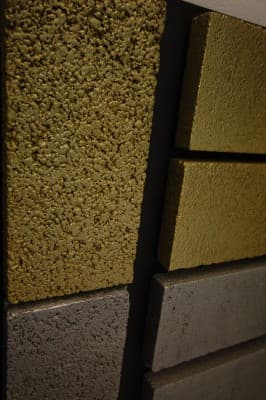
- Bia MetallicConcrete blocks with a top layer in 8 metal varieties, Zinc, Brass, Bronze, Copper, Aluminium, Iron, Nickel and Stainless steel. The concrete blocks are sprayed with cold liquid metal (95% metal), it looks, feels and behaves as like cast metal. This process seamlessly covers all concrete surfaces.
- MetalbrickCeramic bricks of high quality with a 60 to 80 micron thick metal layer on the outside. The bricks can be made with 5 types of metal layers; copper, brass, aluminium, iron and steel. The metal is sprayed on and completely binds with the brick.
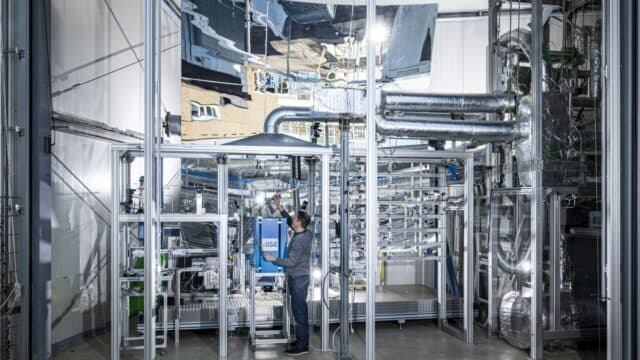
- CO₂-To-Carbon Process Advances Towards Industrial ApplicationResearchers at the Karlsruhe Institute of Technology (KIT) developed the NECOC (No Emissions through converting Carbon diOxide to Carbon) process. The technology converts carbon…
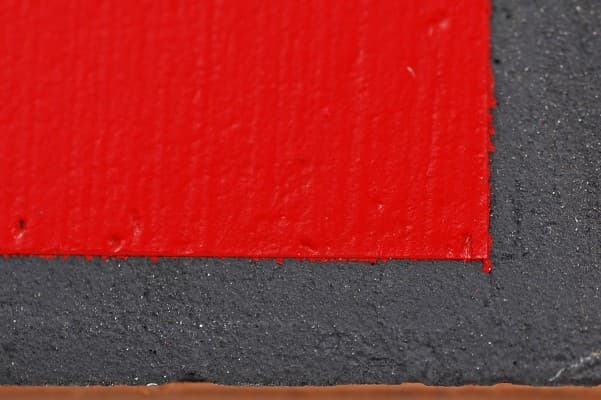
- TERRA_TORY IOBCUnfired Nijmegen river clay tiles coated with a waterproof, biobased coating with pigments from recycled iron oxides. The tiles are only coated on the top and sides, leaving the bottom bare. Once the tiles are at the end of their life, they can be submerged in water, allowing to reclaim the clay and removing the biodegradeable coating.
- MagpaintThis paint is used to transform an existing wall into a magnetic receptive surface. The paint is made magnetic receptive by a proprietary process which mixes very fine non-rusting iron particles with water-based latex paint.
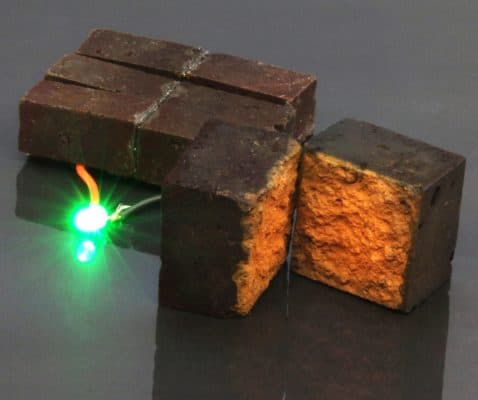
- Storing energy in red brick wallsResearchers at Washington University in St. Louis, USA, found how red bricks, some of the world’s cheapest and most popular building materials, can be…
- Explosion fromingMost architects don’t like to think of explosions in relation to their designs. The word “explosion” alone reminds people of terrorism and collapsing buildings.…
- Taking the ‘con’ out of concreteIn an effort to make the construction industry more sustainable, alternative concrete materials are becoming much more frequent. Below, we discuss some noticeable ones.…
- WireglassWireglass is a project of Caroline Priss and Marieke van den Heuvel, which resulted in various dynamic weaves integrated into glass. The metal textile weaves are made of stainless steel, copper and iron, and especially designed for this purpose. The metal, perforated sheets have been melted along with the glass. Because of the handmade process, no design is the same.