Search
20 results for “potato” in materials
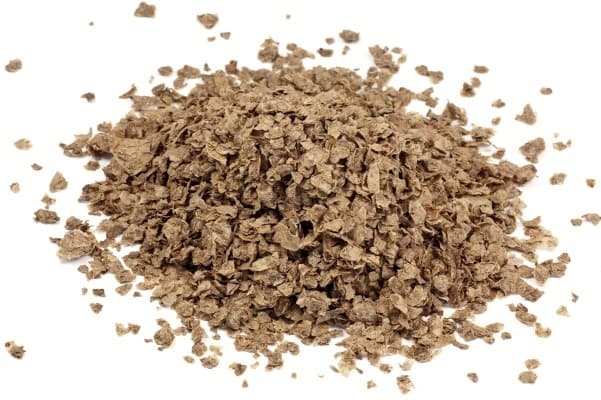
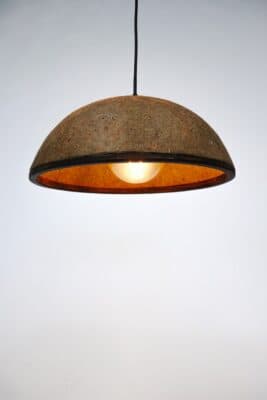
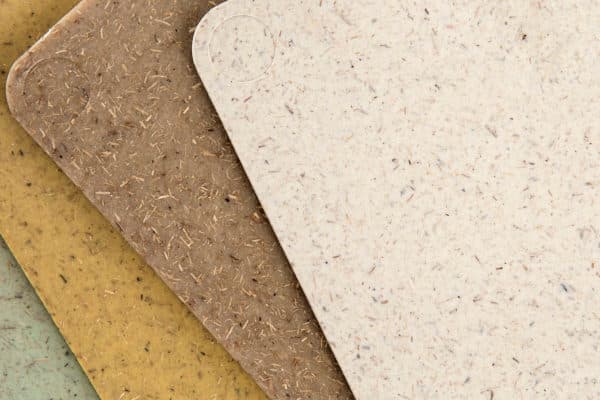
- Potato corkPotato Cork is completely bio-based as it is made from a vegetable residue: potato peelings. The peelings are hygienised and, depending on the application, pressed and dried. The main ingredients are lignin, cellulose, hemicelluloses and protein. Potato Cork has a low specific gravity, is fire resistant, isolating and water repellent, and has a high tensile strength.
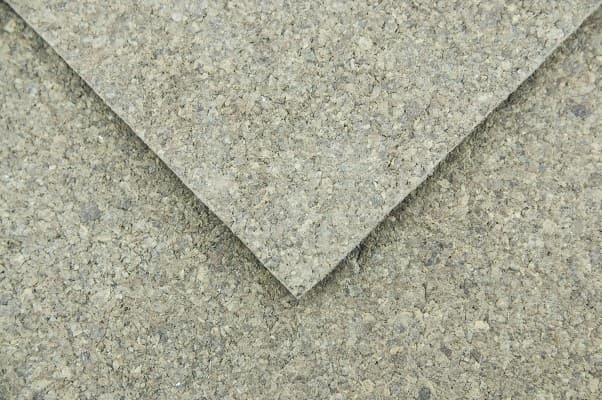
- Bio-ConstructBio-construct is a combination of potato cork and a patented organic resin. Potato cork has a low specific weight, is fire resistant, insulating and water-repellent. It also has a high tensile strength. In addition it is very sustainable as it is made from 100% bio-based material.
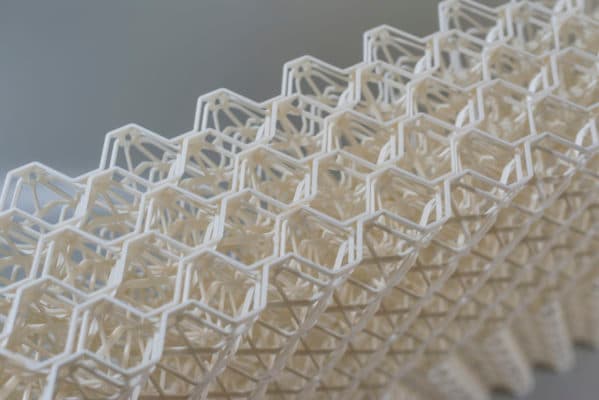
- BESE-elements®These Biodegradable Elements for Starting Ecosystems, or BESE-elements®, consist of stackable layers that build up into a biodegradable matrix structure. The modular design combines porosity with a complex structure. The renewable raw material, Solanyl, is biodegradable, carbon neutral and non-toxic, being made of potato waste from the French fry industry.
- HempshadeThe research explores the chemical interactions and material properties that emerge from different formulations of these three regionally available resources. Magnesium, hemp and potato starch are characteristic raw materials of Eastern Groningen. Within this project, they are being investigated as components in furniture and interior design products.
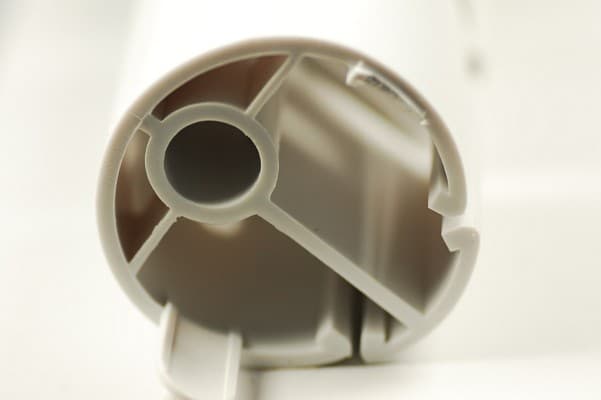
- ChipChainChipChain is a sustainable flexible vertical cable duct suitable for installation within public utility buildings. It’s raw material is Bio-Plastic (cutting waste and peel from the potato)
- VibersVibers is a 100% biodegradable starch-based biopolymer made from locally produced materials and reinforced with sustainably cultivated Miscanthus. The Miscanthus, a fast-growing plant that absorbs 4 times more CO2 than trees, is cultivated right next to the factory producing the bioplastic, while the starch is made from potato waste.
- Gluetex Biovate WallcoveringGluetex biovate is made with cornstarch-based polymers leftover from the potato chips industry. This new biobased wallcovering is self-adhedive and easy to mount, strong and sustainable, light and colourfast, scratch and impact resistant. Furthermore, it is hygienic, and needs low maintenance. Tiles up to 145 cm are printed with the sustainable UV Nordic Swan and even the glue is biobased.
- Fantastic BioplasticFantastic Bioplastic is a product range produced from GMO-Free potato starch. The raw materials and environmentally friendly additives used are 100% compostable, biodegradable, recyclable and reusable. This product breaks into pieces under certain conditions of light, heat and humidity, ultimately disappearing without leaving toxic particles in the environments.
- SolanylSolanyl is a smart series of biobased and biodegradable end compounds mainly based on reclaimed side stream starch from potato processing, industry grain, root, seed and/or flour based resources. It is a renewable and biodegradable substitute for plastic.
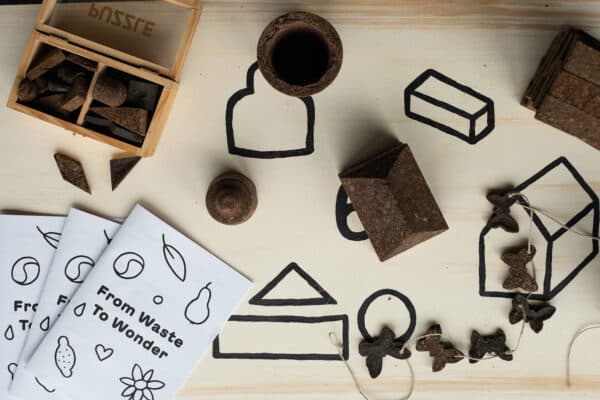
- Coffee Composite 1This is a mouldable biobased material made from spent coffee grounds, coffee husk, potato starch, glycerine and water. This recipe makes it easy to create 3D shapes that hold their form well. It is pressed into 3D printed moulds and dried using a dehydrator.
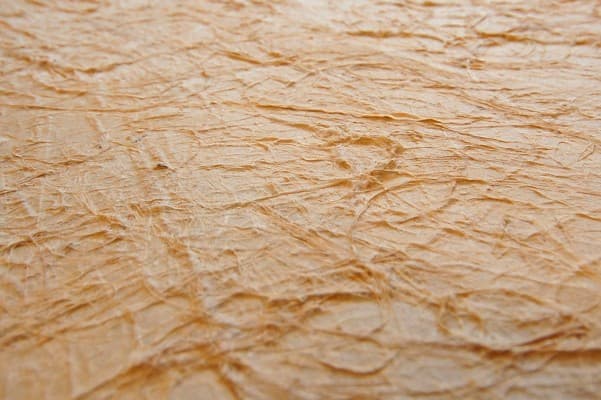
- Washi Artisan ParchmentWashi, handcrafted Japanese parchment is made from the elongated fibres of a variety of plants. The typical raw materials are kozo, mitsumata, gampi and hemp. Washi is made of the fibre of the bark.
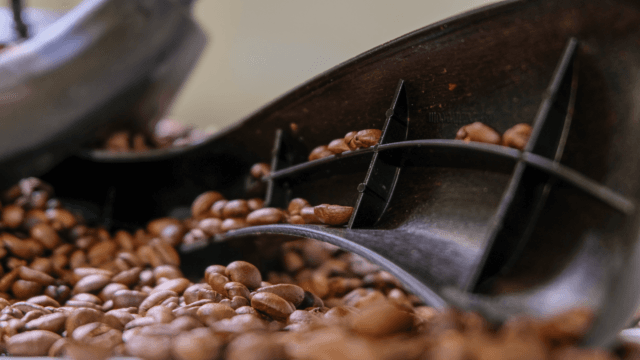
- Coffee polymerCoffee polymer is a material consisting of 30% coffee grounds and 70 other biobased raw materials. The Espresso Polymer is dishwasher-proof and biodegrades only in controlled circumstances. The Cappuccino Polymer is fully biodegradable in natural circumstances in about one year. The Americano Polymer biodegrades in about two months.
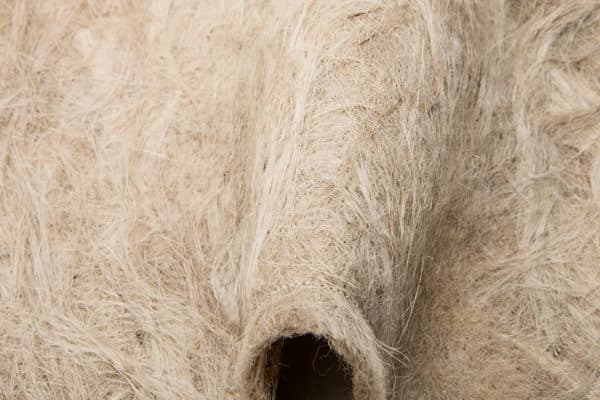
- Hey Jute fabricHey Jute fabric showcases the benefits of the raw fibre of jute. Growing between two to five metres, the strands are incredibly long and strong. With his project, designer Alexander Marinus aims to change the perception and appreciation of jute in textiles. He uses the full properties of the raw jute fibres in their pure state, preferably the light coloured thin fibres.
- GradientThis textile has a wooden core and is embroidered with a black yarn in a various ways. The result is a textile with a gradient effect. The basis is the cambium of the paper mulberry tree, embroidered with threads of silk from the mulberry silkworm, which eats the leaves of the tree. This treatment gives the wooden cloths the firmness of textile. Then, it is washed to dissolve the adhesive starch.
- Bio LaminatesBio Laminates are made from materials that are considered waste. The starch adhesive is modified to accommodate the various particulars of the used fibers. Bio Laminates are 100% biodegradable, 100% toxin free (no formaldehydes), energy efficient (low temperature production), low water consumption and cause no water pollution.
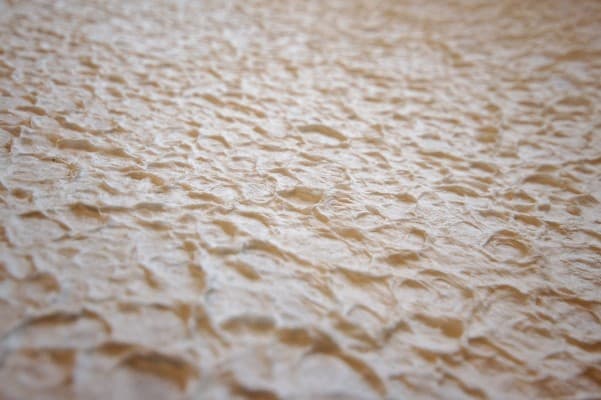
- SnowdriftWashi is made from fibers of a variety of plants, including mulberry plants, shrubs and hemp. Snowdrift washi reflects the environment of a fresh snow that has just settled on its surface.
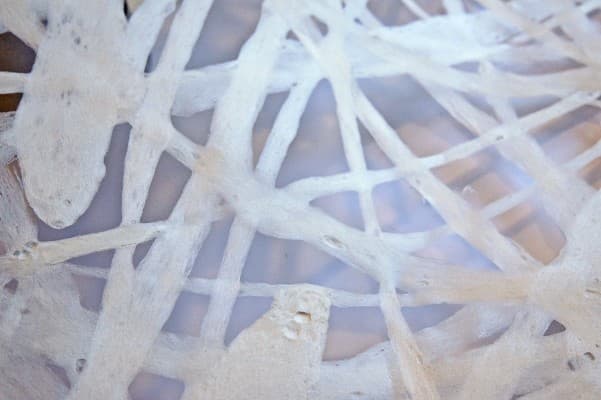
- Rustic Window & Quilted CloudWashi is made from fibers of a variety of plants, including mulberry plants, shrubs and hemp. Rustic Windows & Quilted Cloud washis reflects the meaning with a perpendicular grid in uneven lenis to bring fort a rustic effect.
- Bamboo Groove & Star CanopyWashi is made from fibers of a variety of plants, including mulberry plants, shrubs and hemp. Bamboo Groove produces the effect of a grove and Star Canopy have a starry night effect.
- LOWIMPACTThe base matrix is a bioplastic of renewable origin, selected for its compostability, printability, and mechanical stability. This matrix is reinforced and characterized through the integration of different organic fillers, such as spent coffee grounds, orange peels, and grape skins, each contributing unique textures, colors, and material behaviors.
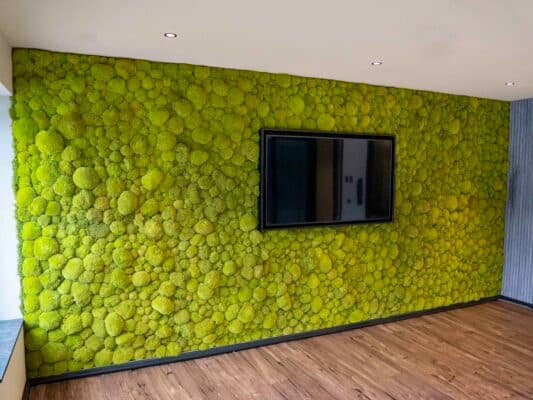
- Preserved Pillow and Flat mossAfter harvesting, the moss is carefully dried, preserved, and coloured using eco-friendly methods in Moswand.eu's own production facilities. This makes it permanently soft, elastic, dirt-repellent, and fire-retardant, while ensuring it is no longer living. Treated using an immersion technique, the preservation process penetrates the entire moss structure rather than just the surface, guaranteeing an exceptionally long lifespan.