Search
25 results for “glass fibres” in materials
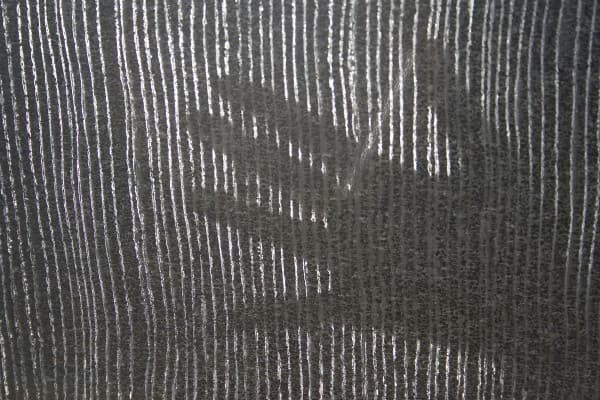
- TIMax GL Glass fibre insulationTIMax GL is a glass fibre insulation material that enhances the heat insulation (U-value) of profiled glass façade systems. TIMax GL is both translucent and light scattering. Due to this light scattering effect, even deep rooms can be illuminated evenly. TIMax GL additionally offers sun protection because it reduces the solar heat penetrating a window in the summer. .
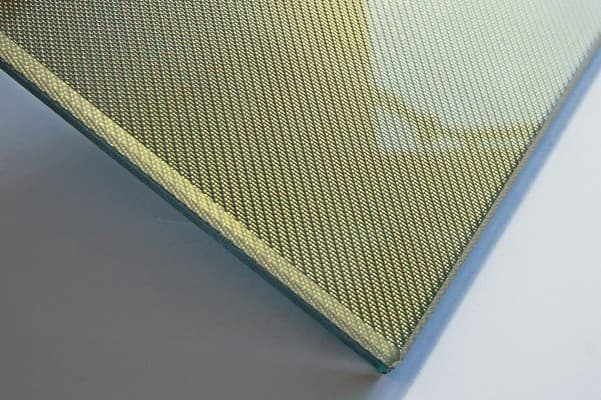
- Glass InspirationA specially developed manufacturing process allows a woven pattern using wood or natural fibre to be inseparably integrated between two sheets of glass.
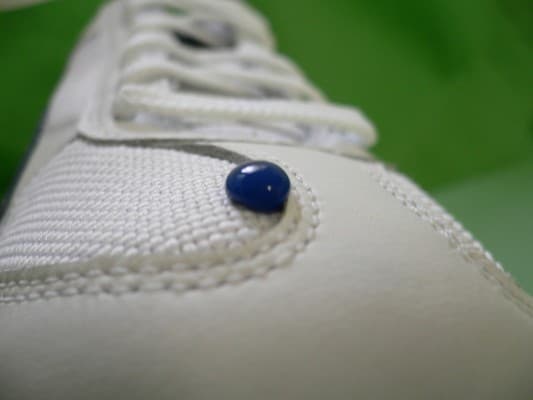
- Liquid GlassA nano-scale liquid glass coating that can be applied to a range of surfaces. The coating originated from the architectural industry where it was originally developed for anti-graffiti applications. It is now used in a variety of industries including food processing, catering, automotive, textile industry and agriculture.
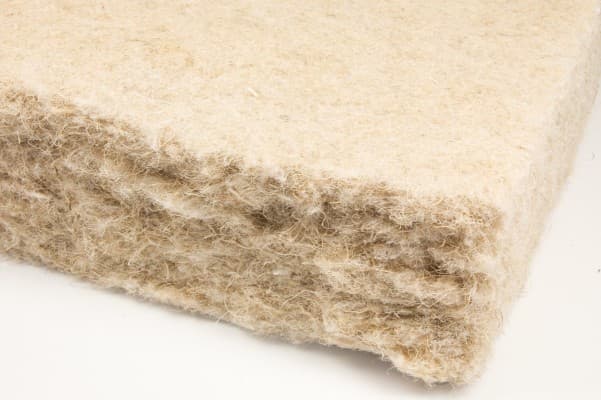
- Hemp fiber nonwoven matsFibres from the non psychoactive hemp plant are used for the Natural hemp fibre nonwoven mats. The plant is grown without the use of chemicals and fertilizers, and for the fibre production very little energy is used. Hemp fibres are lighter then, for instance, glass fibres.
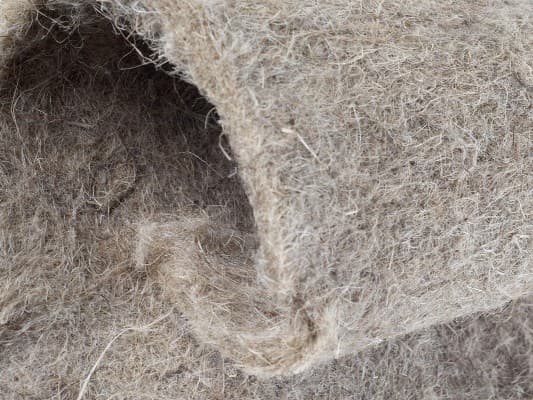
- Hemp Insulation MatsFlexible thermal and acoustic insulation mat of 85 per cent hemp fibre and 15 per cent recycled polyester binding fibre.
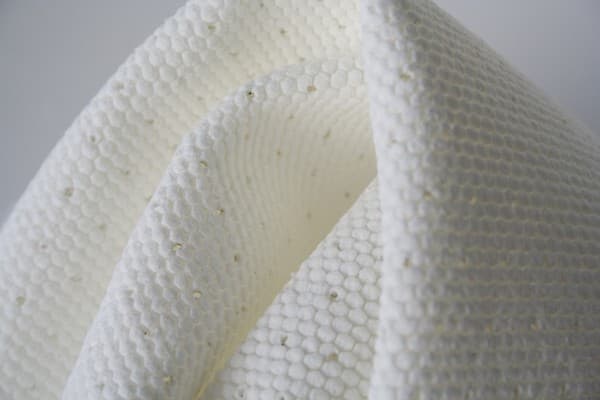
- Ekotex Clean Air (Schone Lucht)Ekotex Clean Air is a revolutionary, patented glass fibre wallcovering that neutralizes more 100 harmful chemicals from the air, including formaldehyde. Tests show it can remove up to 70% of formaldehyde from indoor air. The wallcoverings are air-purifying for at least 10 years and neutralize volatile organic compounds such as formaldehyde.
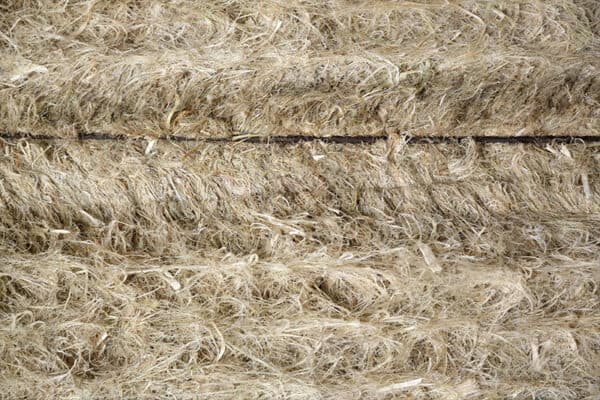
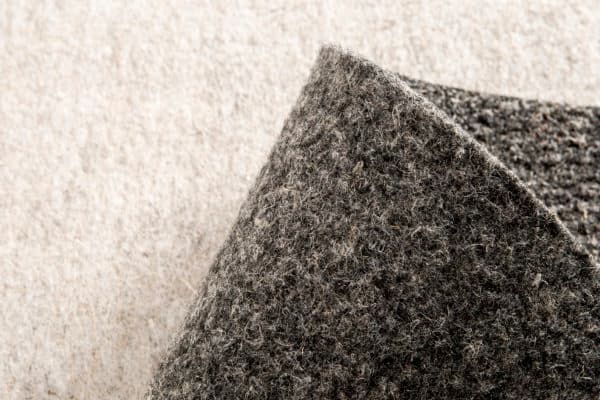
- HempFlax Nature InsulationHempFlax Nature Insulation is made out of 100% hemp fibres, produced from the non psychoactive hemp plant. Hemp fibres are lighter then glass fibres. The fibres are able to absorb and release water easily. The mats can be produced with a synthetic binder or biobased (PLA) binder.
- EKOTEX OppositesEKOTEX CIRCULAR WALLCOVERING SOLUTIONS EKOTEX Opposites is a next generation wallcovering. It is made of 100% natural glass fibres and a biobased finish. The…
- Ekotex HygieneEkotex Hygiene is a complete wallcovering system with anti-bacterial and anti-fungal properties. This material contains no harmful substances and is KIWA certified. Aside from excellent durability, Ekotex Hygiene glass fibres in combination with Ekotex quality coatings offer many cost-saving benefits within medical environments. Cost savings, along with hygiene standards are becoming ever more stringent within the care sector.
- Siltex braided sleevesSiltex braided sleeves is a braiding of glass-fibre yarns and glass-fibre threads. It enhances working properties and thermal stability compared with the previously used cotton and viscose yarns. Its special capabilities are a high strength, a high modulus, a low density as well as a good acceptance to work.
- NPSP CompositesNPSP Composieten is a manufacturer of products of fibre-reinforced plastics. Next to conventional materials, NPSP also uses durable materials like flax and hemp in combination with their high class production process of VA-RTM (Vacuum Assisted Resin TransferMoulding).
- Hiendl NFCThe Natural Fibre Composites consist of synthetic polymers, reinforced by natural fibres such as hemp, flax, various woods, and others. Depending on the raw materials used and the quantity ratios a large variety of specific property profiles can be created.
- FibrimatFibriMat is a range of 100% natural fibre nonwoven mats produced in France. The range includes bio-based reinforcements for composites, the underlay mat Feutralin, as well as other 100% natural fibre mats. The non-woven mats of are produced in weights ranging from 300 to 2400 g/m2 and in widths up to 2.9 m. Natural fibre mats are well-known for their acoustic and thermal insulation properties.
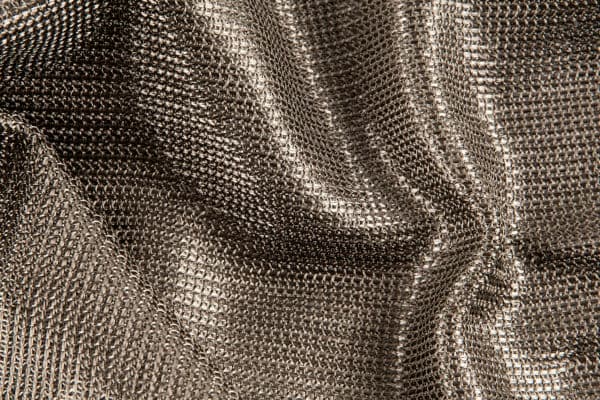
- Basalt knitted fabricBasalt knitted fabrics are made from stone fibre that is obtained from the volcanic Basalt. It has a melting point at 1450°C. The material is available in various knits and incombustible (A1 according to DIN 4102). The strength and elongation of basalt fibres is 15 per cent higher than glass fibres.
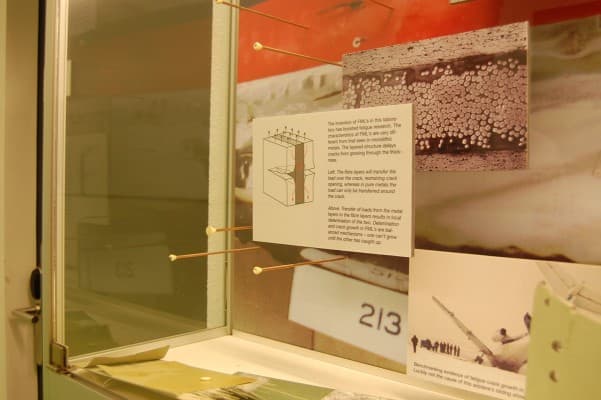
- GlareA "GLAss-REinforced" Fibre Metal Laminate (FML), composed of several very thin layers of metal interspersed with layers of glass-fibre "pre-preg", bonded together with a matrix such as epoxy. For Aerospace engineering only.
- KuiperFoamGlass-based foam sheets. These form lightweight composite sheets laminated with various topping materials. The foam base consists of a glass-fibre base, reinforced with melamine or phenol resin. The hard and stiff panels are water and fire resistant. Standard sizes are 1220x2440mm, with thicknesses from 2 to 30 mm.
- CorematCoremat is a nonwoven, based on polyester fibres with a binder system that contains microspheres. It is used as at thin core (bulker mat) or print blocker (liner) in fibre reinforced laminates, manufactured in Hand Lay-Up or Spray-Up processes. Microspheres in Coremat prevent excessive resin up-take. Usage: weight saving, Resin and glass saving, Stiffness increase, Fast thickness build-up.
- LUCEM LineLUCEM Line light transmitting concrete, translucent concrete is an material made of optical fibres and concrete. Textiles made of small optical glass fibres with 70 microns diameter and a selected fine concrete matrix are put together layer by layer.
- SolusSolus architectural fabrics are made of PTFE coated glass fabric. The fuoropolymer PTFE is the most durable fabric coating available. The PTFE is applied equally to both sides of the glass fabric. This encapsulates the glass fibres and protects them from moisture influx.
- CurvIn a process where fibres are melted together, Curv captures the mechanical properties of woven polypropylene fibres in a self-reinforced matrix. High stiffness, tensile strength and impact resistance enables the creation of high performance lightweight parts with in a totally recyclable thermoplastic.
- TexglassPaper of fabric is fitted between two sheets of laminated glass. The print of the fabric-be it colourful, monochrome, or a blended design-is enchanced by the brilliance of the glass.
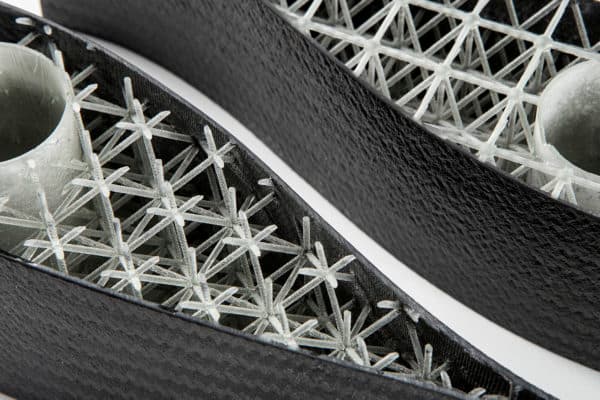
- 3D printed customised compositesFiberneering is a manufacturer of 3D printed fibre reinforced composite parts. They create customised strong and lightweight products in almost any shape. The company offers freedom in design, and possibilities for structural applications as well as prototypes. Fully functional carbon or glass fibre reinforced parts can be produced in almost any shape or form.
- ArcBiox BGF30-A1 and ArcBiox A17ArcBiox BGF30-A1 is a composite material with 30% of biodegradable glass fibre as reinforcement. The material is designed for injection moulding. ArcBiox A17 is impact modified PLA based material. The material is not reinforced with fibres. It is a good alternative to replace ABS.
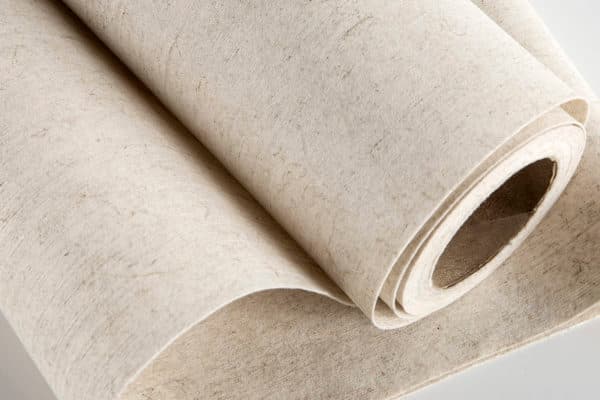
- Flax wallpaperFlax offers the opportunity to produce nonwovens with outstanding properties such as extreme tear-resistance, durability, and robustness at a relatively low production cost. This wallpaper high tear-and UV-resistance, a soft touch, as well as good insulating properties. It does not require a supporting material and can be applied directly to the wall with the specially developed glue for flax wallpaper.